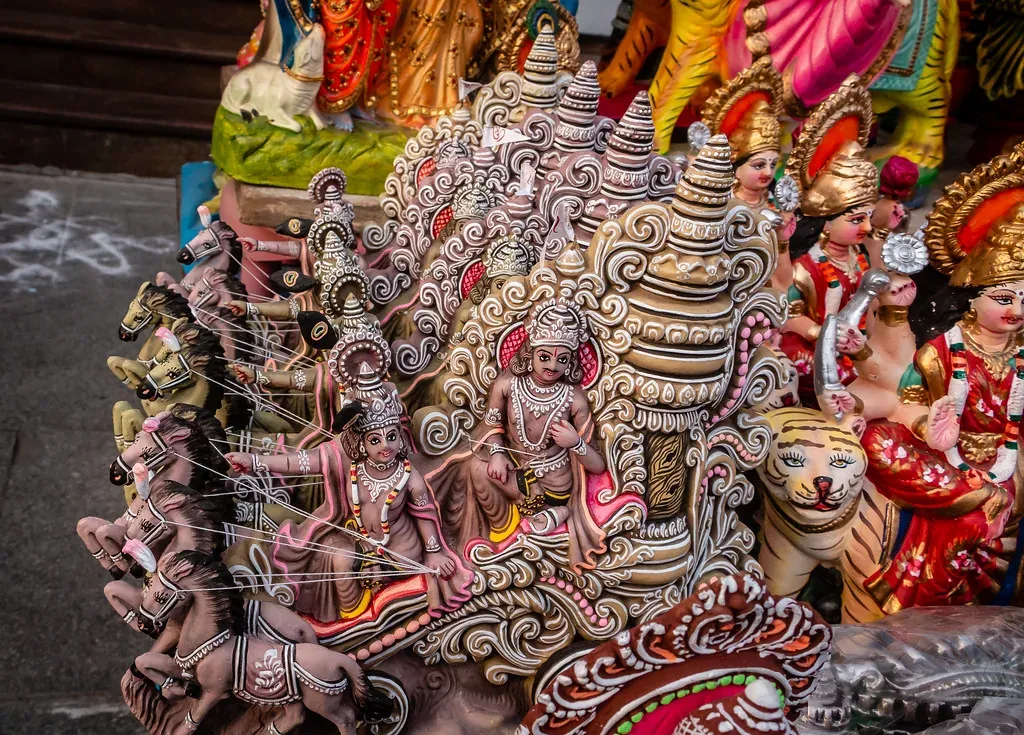
सञ्जय उवाचतं तथा कृपयाऽविष्टमश्रुपूर्णाकुलेक्षणम्विषीदन्तमिदं वाक्यमुवाच मधुसूदनः ॥
संजय बोले: अर्जुन को इस तरह करुणा से भरा हुआ, आँसुओं से डबडबाई घबराई आँखों वाला और दुख में डूबा देखकर मधुसूदन श्रीकृष्ण ने उससे यह बात कही।
Sanjaya said: Seeing Arjuna overcome with pity, his eyes flooded with tears and clouded with distress, sunk in sorrow, Krishna, slayer of Madhu, spoke these words to him.
Word meanings and reflectionश्रीभगवानुवाचकुतस्त्वा कश्मलमिदं विषमे समुपस्थितम्अनार्यजुष्टमस्वर्ग्यमकीर्तिकरमर्जुन ॥
श्रीकृष्ण बोले: अर्जुन, इस कठिन घड़ी में यह मन की मलिनता तुम पर कहाँ से आ पड़ी? यह श्रेष्ठ लोगों का आचरण नहीं है, न इससे ऊँचा लोक मिलता है, और न इससे यश बढ़ता है।
The Lord said: Arjuna, where has this stain on your mind come from, now, at this hard hour? It is not how a noble person acts, it leads nowhere high, and it brings no good name.
Word meanings and reflectionक्लैब्यं मा स्म गमः पार्थ नैतत्त्वय्युपपद्यतेक्षुद्रं हृदयदौर्बल्यं त्यक्त्वोत्तिष्ठ परन्तप ॥
हे पार्थ, कायरता को मत अपनाओ; यह तुम्हें शोभा नहीं देती। हृदय की इस छोटी कमज़ोरी को छोड़कर उठ खड़े हो, हे शत्रुओं को तपाने वाले।
Do not give in to weakness, son of Pritha; it does not suit you. Throw off this petty faintness of heart and stand up, scorcher of enemies.
Word meanings and reflectionअर्जुन उवाचकथं भीष्ममहं संख्ये द्रोणं च मधुसूदनइषुभिः प्रतियोत्स्यामि पूजार्हावरिसूदन ॥
अर्जुन ने कहा: हे मधुसूदन, रणभूमि में मैं भीष्म और द्रोण पर बाणों से कैसे वार करूँगा? हे शत्रुनाशक, ये दोनों तो पूजा के योग्य हैं।
Arjuna said: Madhusudana, how can I fight back with arrows against Bhishma and Drona in battle? Both of them deserve my worship, not my aim.
Word meanings and reflectionगुरूनहत्वा हि महानुभावान्श्रेयो भोक्तुं भैक्ष्यमपीह लोकेहत्वार्थकामांस्तु गुरूनिहैवभुञ्जीय भोगान् रुधिरप्रदिग्धान् ॥
इन महान गुरुजनों को मारे बिना इस लोक में भीख माँगकर खाना भी मेरे लिए अच्छा है। उन्हें मारकर तो मैं यहीं धन और सुख के ऐसे भोग भोगूँगा जो उनके रक्त में सने होंगे।
Better to live on alms in this world than to kill these noble teachers. If I kill them for wealth and pleasure, I shall be eating meals dipped in blood.
Word meanings and reflectionन चैतद्विद्मः कतरन्नो गरीयोयद्वा जयेम यदि वा नो जयेयुःयानेव हत्वा न जिजीविषामस्तेऽवस्थिताः प्रमुखे धार्तराष्ट्राः ॥
हम यह भी नहीं जानते कि हमारे लिए कौन सी बात बड़ी है: हम जीतें या वे हमें जीत लें। जिन्हें मारकर हम जीना ही नहीं चाहेंगे, वे धृतराष्ट्र के पुत्र सामने खड़े हैं।
I cannot even tell which is better for us, that we win or that they win. The sons of Dhritarashtra, whom we would not want to live after killing, are standing right in front of us.
Word meanings and reflectionकार्पण्यदोषोपहतस्वभावःपृच्छामि त्वां धर्मसंमूढचेताःयच्छ्रेयः स्यान्निश्चितं ब्रूहि तन्मेशिष्यस्तेऽहं शाधि मां त्वां प्रपन्नम् ॥
दया की कमज़ोरी से मेरा स्वभाव दब गया है और धर्म के विषय में मेरा मन उलझ गया है। इसलिए मैं तुमसे पूछता हूँ: जो निश्चित रूप से भला हो, वह मुझे बताओ। मैं तुम्हारा शिष्य हूँ, तुम्हारी शरण में आए मुझ को सिखाओ।
My nature is weighed down by the fault of faint-heartedness, and my mind is confused about what is right. So I ask you: tell me for certain what is best for me. I am your student; teach me, I have come to you for refuge.
Word meanings and reflectionन हि प्रपश्यामि ममापनुद्याद्यच्छोकमुच्छोषणमिन्द्रियाणाम्अवाप्य भूमावसपत्नमृद्धम्राज्यं सुराणामपि चाधिपत्यम् ॥
मुझे ऐसा कोई उपाय नहीं दिखता जो मेरी इंद्रियों को सुखाने वाले इस शोक को दूर कर दे, चाहे मुझे पृथ्वी पर शत्रुरहित, समृद्ध राज्य मिल जाए, या देवताओं का भी स्वामित्व।
I see nothing that could drive away this grief that dries up my senses, not even if I won an unrivalled and flourishing kingdom on earth, or lordship over the gods themselves.
Word meanings and reflectionसञ्जय उवाचएवमुक्त्वा हृषीकेशं गुडाकेशः परन्तपन योत्स्य इति गोविन्दमुक्त्वा तूष्णीं बभूव ह ॥
संजय बोले: इस तरह हृषीकेश से कहकर नींद को जीतने वाले अर्जुन ने, हे शत्रुतापन, गोविन्द से कहा, मैं युद्ध नहीं करूँगा, और फिर चुप हो गया।
Sanjaya said: Having spoken so to Hrishikesha, Arjuna, conqueror of sleep and scorcher of foes, told Govinda, I will not fight, and fell silent.
Word meanings and reflectionतमुवाच हृषीकेशः प्रहसन्निव भारतसेनयोरुभयोर्मध्ये विषीदन्तमिदं वचः ॥
हे भारत, दोनों सेनाओं के बीच शोक में डूबे उस अर्जुन से हृषीकेश ने मानो मुस्कराते हुए ये वचन कहे।
Between the two armies, to the grieving Arjuna, Krishna spoke these words, Dhritarashtra, with something like a smile.
Word meanings and reflectionश्रीभगवानुवाचअशोच्यानन्वशोचस्त्वं प्रज्ञावादांश्च भाषसेगतासूनगतासूंश्च नानुशोचन्ति पण्डिताः ॥
श्रीकृष्ण बोले: जिनके लिए शोक नहीं करना चाहिए, उनके लिए तुम शोक कर रहे हो, और बातें ऐसी करते हो जैसे बड़े समझदार हो। जो प्राण छोड़ चुके हैं या जो अभी जीवित हैं, उनके लिए ज्ञानी लोग शोक नहीं करते।
The Lord said: You grieve for those who need no grieving, yet you speak like a wise man. The wise mourn neither the dead nor the living.
Word meanings and reflectionन त्वेवाहं जातु नासं न त्वं नेमे जनाधिपाःन चैव न भविष्यामः सर्वे वयमतः परम् ॥
ऐसा कभी नहीं था कि मैं नहीं था, या तुम नहीं थे, या ये राजा लोग नहीं थे; और ऐसा भी नहीं होगा कि इसके बाद हम सब नहीं रहेंगे।
There was never a time when I did not exist, nor you, nor these rulers; and never will there be a time when any of us ceases to be.
Word meanings and reflectionदेहिनोऽस्मिन्यथा देहे कौमारं यौवनं जरातथा देहान्तरप्राप्तिर्धीरस्तत्र न मुह्यति ॥
जैसे इस शरीर में रहने वाले को बचपन, जवानी और बुढ़ापा मिलते हैं, वैसे ही उसे दूसरा शरीर भी मिलता है। जो धीर है, वह इस बात से मोहित नहीं होता।
As the one who lives in this body passes through childhood, youth and old age, so too does it pass into another body. The steady person is not bewildered by this.
Word meanings and reflectionमात्रास्पर्शास्तु कौन्तेय शीतोष्णसुखदुःखदाःआगमापायिनोऽनित्यास्तांस्तितिक्षस्व भारत ॥
हे कुन्तीपुत्र, इंद्रियों का विषयों से जो स्पर्श होता है, वही सर्दी, गर्मी, सुख और दुख देता है। वे आते हैं और चले जाते हैं, टिकते नहीं। हे भारत, उन्हें सहन करो।
Contacts of the senses with their objects bring cold and heat, pleasure and pain. They come and they go; none of them stays. Bear them patiently, Arjuna.
Word meanings and reflectionयं हि न व्यथयन्त्येते पुरुषं पुरुषर्षभसमदुःखसुखं धीरं सोऽमृतत्वाय कल्पते ॥
हे पुरुषश्रेष्ठ, जिस धीर मनुष्य को ये स्पर्श विचलित नहीं करते और जिसके लिए सुख और दुख समान हैं, वह अमरता के योग्य हो जाता है।
The person whom these contacts do not shake, best of men, who stays level in pain and pleasure, is fit for immortality.
Word meanings and reflectionनासतो विद्यते भावो नाभावो विद्यते सतःउभयोरपि दृष्टोऽन्तस्त्वनयोस्तत्त्वदर्शिभिः ॥
जो असत् है, उसका होना नहीं होता; और जो सत् है, उसका न होना नहीं होता। सत्य को देखने वालों ने इन दोनों का यही निष्कर्ष देखा है।
What is unreal has no being, and what is real never ceases to be. Those who see the truth have seen the final word on both.
Word meanings and reflectionअविनाशि तु तद्विद्धि येन सर्वमिदं ततम्विनाशमव्ययस्यास्य न कश्चित् कर्तुमर्हति ॥
उसे तुम अविनाशी जानो जिससे यह सब कुछ फैला हुआ है। इस अव्यय का नाश कोई भी नहीं कर सकता।
Know that to be imperishable by which all this is pervaded. No one can bring about the destruction of this unchanging one.
Word meanings and reflectionअन्तवन्त इमे देहा नित्यस्योक्ताः शरीरिणःअनाशिनोऽप्रमेयस्य तस्माद्युध्यस्व भारत ॥
नित्य, नाशरहित और अप्रमेय शरीरधारी आत्मा के ये शरीर अंत वाले कहे गए हैं। इसलिए, हे भारत, तुम युद्ध करो।
These bodies of the eternal, indestructible and immeasurable dweller are said to have an end. Therefore, Arjuna, fight.
Word meanings and reflectionय एनं वेत्ति हन्तारं यश्चैनं मन्यते हतम्उभौ तौ न विजानीतो नायं हन्ति न हन्यते ॥
जो इसे मारने वाला समझता है और जो इसे मरा हुआ मानता है, वे दोनों नहीं जानते। यह न मारता है, न मारा जाता है।
One who thinks this self is a killer and one who thinks it is killed, both fail to understand. It neither kills nor is killed.
Word meanings and reflectionन जायते म्रियते वा कदाचिन्नायं भूत्वा भविता वा न भूयःअजो नित्यः शाश्वतोऽयं पुराणोन हन्यते हन्यमाने शरीरे ॥
यह न कभी जन्म लेता है, न मरता है; ऐसा भी नहीं कि यह एक बार होकर फिर न रहेगा। यह अजन्मा, नित्य, शाश्वत और पुराना है; शरीर के मारे जाने पर भी यह नहीं मारा जाता।
It is never born and never dies; nor, having come to be, will it cease to be. Unborn, constant, everlasting and ancient, it is not killed when the body is killed.
Word meanings and reflectionवेदाविनाशिनं नित्यं य एनमजमव्ययम्कथं स पुरुषः पार्थ कं घातयति हन्ति कम् ॥
हे पार्थ, जो मनुष्य इसे नाशरहित, नित्य, अजन्मा और अविकारी जानता है, वह कैसे किसी को मरवाएगा या किसी को मारेगा?
Arjuna, how can a person who knows this self as indestructible, constant, unborn and unchanging cause anyone to be killed, or kill anyone?
Word meanings and reflectionवासांसि जीर्णानि यथा विहायनवानि गृह्णाति नरोऽपराणितथा शरीराणि विहाय जीर्णान्यन्यानि संयाति नवानि देही ॥
जैसे मनुष्य पुराने कपड़े उतारकर दूसरे नए कपड़े पहन लेता है, वैसे ही देहधारी आत्मा पुराने शरीरों को छोड़कर दूसरे नए शरीरों में चली जाती है।
As a person casts off worn clothes and puts on new ones, so the embodied self leaves worn-out bodies and enters others that are new.
Word meanings and reflectionनैनं छिन्दन्ति शस्त्राणि नैनं दहति पावकःन चैनं क्लेदयन्त्यापो न शोषयति मारुतः ॥
इसे शस्त्र काट नहीं सकते, आग जला नहीं सकती, पानी भिगो नहीं सकता और हवा सुखा नहीं सकती।
Weapons do not cut it, fire does not burn it, water does not wet it, and wind does not dry it.
Word meanings and reflectionअच्छेद्योऽयमदाह्योऽयमक्लेद्योऽशोष्य एव चनित्यः सर्वगतः स्थाणुरचलोऽयं सनातनः ॥
यह कटने योग्य नहीं, जलने योग्य नहीं, भीगने योग्य नहीं और सूखने योग्य भी नहीं है। यह नित्य, सब जगह व्याप्त, स्थिर, अचल और सनातन है।
It cannot be cut, burned, wetted or dried. It is lasting, all-pervading, firm and unmoving, and it is ancient beyond beginning.
Word meanings and reflectionअव्यक्तोऽयमचिन्त्योऽयमविकार्योऽयमुच्यतेतस्मादेवं विदित्वैनं नानुशोचितुमर्हसि ॥
इसे अव्यक्त, अचिन्त्य और विकार-रहित कहा गया है। इसलिए इसे ऐसा जानकर तुम्हें शोक करना उचित नहीं।
It is called unmanifest, beyond thought and free from change. Knowing it so, you have no reason to grieve.
Word meanings and reflectionअथ चैनं नित्यजातं नित्यं वा मन्यसे मृतम्तथापि त्वं महाबाहो नैवं शोचितुमर्हसि ॥
और यदि तुम इसे सदा जन्म लेने वाला और सदा मरने वाला ही मानो, तब भी, हे महाबाहो, तुम्हें इस तरह शोक नहीं करना चाहिए।
And even if you think it is forever being born and forever dying, mighty-armed one, you still should not grieve like this.
Word meanings and reflectionजातस्य हि ध्रुवो मृत्युर्ध्रुवं जन्म मृतस्य चतस्मादपरिहार्येऽर्थे न त्वं शोचितुमर्हसि ॥
जो जन्मा है, उसकी मृत्यु निश्चित है, और जो मरा है, उसका जन्म निश्चित है। इसलिए जो टल नहीं सकता, उस बात पर तुम्हें शोक नहीं करना चाहिए।
For whoever is born, death is certain; for whoever has died, birth is certain. So over what cannot be avoided, you should not grieve.
Word meanings and reflectionअव्यक्तादीनि भूतानि व्यक्तमध्यानि भारतअव्यक्तनिधनान्येव तत्र का परिदेवना ॥
हे भारत, सब प्राणी आरंभ में अप्रकट थे, बीच में प्रकट होते हैं, और अंत में फिर अप्रकट हो जाते हैं। इसमें विलाप कैसा?
Beings are unseen before they begin, seen in the middle, and unseen again at the end. What is there to lament in that?
Word meanings and reflectionआश्चर्यवत्पश्यति कश्चिदेनमाश्चर्यवद्वदति तथैव चान्यःआश्चर्यवच्चैनमन्यः शृणोतिश्रुत्वाप्येनं वेद न चैव कश्चित् ॥
कोई इसे आश्चर्य की तरह देखता है, कोई दूसरा इसके बारे में आश्चर्य की तरह कहता है, कोई और इसे आश्चर्य की तरह सुनता है; और सुनकर भी कोई इसे नहीं जान पाता।
One looks upon it as a marvel, another speaks of it with awe, another listens with astonishment; and even after hearing, no one really knows it.
Word meanings and reflectionदेही नित्यमवध्योऽयं देहे सर्वस्य भारततस्मात्सर्वाणि भूतानि न त्वं शोचितुमर्हसि ॥
हे भारत, सबके शरीर में रहने वाला यह देही सदा अवध्य है। इसलिए तुम्हें किसी भी प्राणी के लिए शोक नहीं करना चाहिए।
The one who dwells in every body can never be slain, Arjuna. So you should not grieve for any being at all.
Word meanings and reflectionस्वधर्ममपि चावेक्ष्य न विकम्पितुमर्हसिधर्म्याद्धि युद्धाच्छ्रेयोऽन्यत्क्षत्रियस्य न विद्यते ॥
अपने धर्म को देखते हुए भी तुम्हें काँपना उचित नहीं है, क्योंकि क्षत्रिय के लिए धर्मयुक्त युद्ध से बढ़कर दूसरा कल्याण का मार्ग नहीं है।
Even looking only at your own duty, you should not waver. For a warrior there is nothing better than a fight that is right.
Word meanings and reflectionयदृच्छया चोपपन्नं स्वर्गद्वारमपावृतम्सुखिनः क्षत्रियाः पार्थ लभन्ते युद्धमीदृशम् ॥
हे पार्थ, बिना माँगे अपने आप आया हुआ ऐसा युद्ध, मानो स्वर्ग का खुला द्वार हो; भाग्यशाली क्षत्रिय ही ऐसा युद्ध पाते हैं।
Arjuna, a war like this, coming of its own accord, is like an open gate to heaven. Only fortunate warriors get such a chance.
Word meanings and reflectionअथ चेत्त्वमिमं धर्म्यं संग्रामं न करिष्यसिततः स्वधर्मं कीर्तिं च हित्वा पापमवाप्स्यसि ॥
लेकिन यदि तुम यह धर्मयुक्त युद्ध नहीं करोगे, तो अपने धर्म और अपनी कीर्ति को खोकर पाप के भागी बनोगे।
But if you refuse to fight this lawful battle, you will lose your duty and your good name, and take on wrong.
Word meanings and reflectionअकीर्तिं चापि भूतानि कथयिष्यन्ति तेऽव्ययाम्संभावितस्य चाकीर्तिर्मरणादतिरिच्यते ॥
सब प्राणी तुम्हारी सदा रहने वाली अपकीर्ति की चर्चा करेंगे, और सम्मानित मनुष्य के लिए अपकीर्ति मृत्यु से भी बढ़कर है।
People will speak of your disgrace for all time, and for one who has been honoured, disgrace is worse than death.
Word meanings and reflectionभयाद्रणादुपरतं मंस्यन्ते त्वां महारथाःयेषां च त्वं बहुमतो भूत्वा यास्यसि लाघवम् ॥
ये महारथी समझेंगे कि तुम डर के मारे युद्ध से हट गए। जिनकी दृष्टि में तुम बहुत माननीय रहे हो, उन्हीं की नज़र में तुम छोटे हो जाओगे।
The great chariot-warriors will think you left the battle out of fear. Those who held you in high regard will come to see you as small.
Word meanings and reflectionअवाच्यवादांश्च बहून् वदिष्यन्ति तवाहिताःनिन्दन्तस्तव सामर्थ्यं ततो दुःखतरं नु किम् ॥
तुम्हारे शत्रु तुम्हारी सामर्थ्य की निंदा करते हुए बहुत सी न कहने योग्य बातें कहेंगे। इससे बढ़कर दुखदायी और क्या होगा?
Your enemies will say many things that should never be said, sneering at your strength. What could hurt more than that?
Word meanings and reflectionहतो वा प्राप्स्यसि स्वर्गं जित्वा वा भोक्ष्यसे महीम्तस्मादुत्तिष्ठ कौन्तेय युद्धाय कृतनिश्चयः ॥
यदि मारे गए तो स्वर्ग पाओगे, और जीत गए तो पृथ्वी भोगोगे। इसलिए, हे कुन्तीपुत्र, निश्चय करके युद्ध के लिए खड़े हो जाओ।
If you fall, you will reach heaven; if you win, you will enjoy the earth. So rise, son of Kunti, resolved to fight.
Word meanings and reflectionसुखदुःखे समे कृत्वा लाभालाभौ जयाजयौततो युद्धाय युज्यस्व नैवं पापमवाप्स्यसि ॥
सुख और दुख को, लाभ और हानि को, जीत और हार को एक समान मानकर तब युद्ध में लग जाओ। ऐसा करने से तुम्हें पाप नहीं लगेगा।
Treat pleasure and pain, gain and loss, victory and defeat as the same, and then set yourself to the fight. In this way no wrong will touch you.
Word meanings and reflectionएषा तेऽभिहिता सांख्ये बुद्धिर्योगे त्विमां शृणुबुद्ध्यायुक्तो यया पार्थ कर्मबन्धं प्रहास्यसि ॥
यह बुद्धि मैंने तुम्हें सांख्य के दृष्टिकोण से बता दी। अब इसे योग के दृष्टिकोण से सुनो। हे पार्थ, इस बुद्धि से जुड़कर तुम कर्म के बंधन को त्याग दोगे।
What I have told you so far is wisdom from the standpoint of knowing. Now hear it as a matter of practice. Joined to this understanding, you will cast off the bondage of action.
Word meanings and reflectionनेहाभिक्रमनाशोऽस्ति प्रत्यवायो न विद्यतेस्वल्पमप्यस्य धर्मस्य त्रायते महतो भयात् ॥
इस मार्ग में किया हुआ प्रयास व्यर्थ नहीं जाता और इसमें उलटा फल भी नहीं होता। इस धर्म का थोड़ा सा आचरण भी बड़े भय से बचा लेता है।
On this path no effort is wasted and no harm comes of it. Even a little of this practice protects from great fear.
Word meanings and reflectionव्यवसायात्मिका बुद्धिरेकेह कुरुनन्दनबहुशाखा ह्यनन्ताश्च बुद्धयोऽव्यवसायिनाम् ॥
हे कुरुनन्दन, इस मार्ग में निश्चय वाली बुद्धि एक ही होती है; पर जो निश्चयहीन हैं, उनकी बुद्धियाँ अनेक शाखाओं वाली और अंतहीन होती हैं।
In this path, son of the Kurus, resolve is single-pointed. The thoughts of the undecided have many branches and no end.
Word meanings and reflectionयामिमां पुष्पितां वाचं प्रवदन्त्यविपश्चितःवेदवादरताः पार्थ नान्यदस्तीति वादिनः ॥
जो अज्ञानी लोग वेद के शब्दों में रमे रहते हैं और कहते हैं कि इसके सिवा कुछ नहीं है, वे फूलों जैसी सजी हुई ऐसी बातें कहते हैं।
Those who lack insight, fond of the letter of the Vedas and insisting there is nothing else, speak this flowery speech.
Word meanings and reflectionकामात्मानः स्वर्गपरा जन्मकर्मफलप्रदाम्क्रियाविशेषबहुलां भोगैश्वर्यगतिं प्रति ॥
वे इच्छाओं से भरे, स्वर्ग को ही परम मानने वाले लोग ऐसी वाणी बोलते हैं जो जन्म और कर्म का फल देती है और भोग तथा ऐश्वर्य पाने के लिए बहुत सी क्रियाओं का वर्णन करती है।
Full of desire, taking heaven as the highest goal, they offer words that promise rebirth as the fruit of action and prescribe countless special rites for gaining pleasure and power.
Word meanings and reflectionभोगैश्वर्यप्रसक्तानां तयापहृतचेतसाम्व्यवसायात्मिका बुद्धिः समाधौ न विधीयते ॥
भोग और ऐश्वर्य में डूबे और उस वाणी से जिनका चित्त खिंच गया है, उनकी निश्चयात्मक बुद्धि समाधि में स्थिर नहीं हो पाती।
For those clinging to pleasure and power, whose minds that speech has carried away, the resolute understanding is not formed in deep concentration.
Word meanings and reflectionत्रैगुण्यविषया वेदा निस्त्रैगुण्यो भवार्जुननिर्द्वन्द्वो नित्यसत्त्वस्थो निर्योगक्षेम आत्मवान् ॥
वेद तीन गुणों के विषय में बोलते हैं। हे अर्जुन, तुम तीनों गुणों से ऊपर उठो, सुख-दुख आदि द्वंद्वों से मुक्त रहो, सदा सत्त्व में स्थित रहो, पाने और बचाने की चिंता छोड़ दो और आत्मा में स्थिर हो जाओ।
The Vedas deal with the three strands of nature. Rise above them, Arjuna: be free of the pairs of opposites, steady in clarity, without worry for getting and keeping, and anchored in the self.
Word meanings and reflectionयावानर्थ उदपाने सर्वतः संप्लुतोदकेतावान्सर्वेषु वेदेषु ब्राह्मणस्य विजानतः ॥
जितना प्रयोजन सब ओर से पानी से भरे जलाशय में छोटे कुएँ का रह जाता है, उतना ही प्रयोजन ब्रह्म को जानने वाले ज्ञानी का सब वेदों में रह जाता है।
As little use as a small well has when water floods everywhere, so little does a knower of the highest truth need of all the scriptures.
Word meanings and reflectionकर्मण्येवाधिकारस्ते मा फलेषु कदाचनमा कर्मफलहेतुर्भूर्मा ते सङ्गोऽस्त्वकर्मणि ॥
तुम्हारा अधिकार केवल कर्म पर है, उसके फलों पर कभी नहीं। न तो फल को अपने कर्म का कारण बनाओ, और न कर्म न करने में तुम्हारा लगाव हो।
Your claim is on the doing alone, never on what the doing brings. Do not let the reward be your reason for acting, and do not slide into not acting at all.
Word meanings and reflectionयोगस्थः कुरु कर्माणि सङ्गं त्यक्त्वा धनञ्जयसिद्ध्यसिद्ध्योः समो भूत्वा समत्वं योग उच्यते ॥
हे धनंजय, आसक्ति छोड़कर, सिद्धि और असिद्धि में समान रहकर, योग में स्थित होकर कर्म करो। इसी समता को योग कहा जाता है।
Established in yoga, do your work, Arjuna, letting go of attachment and staying even in success and failure. This evenness is what is called yoga.
Word meanings and reflectionदूरेण ह्यवरं कर्म बुद्धियोगाद्धनञ्जयबुद्धौ शरणमन्विच्छ कृपणाः फलहेतवः ॥
हे धनंजय, फल की चाह से किया हुआ कर्म बुद्धियोग से बहुत नीचा है। इसलिए बुद्धि की शरण खोजो; जो फल को ही कारण बनाते हैं, वे दीन हैं।
Action done for a reward is far lower than action done with a steady mind. Seek shelter in that clear understanding; those who act for results are the pitiable.
Word meanings and reflectionबुद्धियुक्तो जहातीह उभे सुकृतदुष्कृतेतस्माद्योगाय युज्यस्व योगः कर्मसु कौशलम् ॥
बुद्धि से युक्त मनुष्य इसी जीवन में पुण्य और पाप, दोनों से अपने को अलग कर लेता है। इसलिए योग में लग जाओ; कर्मों में कुशलता ही योग है।
One joined to this understanding sheds both good and bad deeds even here. So devote yourself to yoga; yoga is skill in action.
Word meanings and reflectionकर्मजं बुद्धियुक्ता हि फलं त्यक्त्वा मनीषिणःजन्मबन्धविनिर्मुक्ताः पदं गच्छन्त्यनामयम् ॥
बुद्धि से युक्त ज्ञानी लोग कर्म से उत्पन्न फल को त्यागकर जन्म के बंधन से छूट जाते हैं और उस पद को पाते हैं जहाँ कोई दुख नहीं है।
The wise, steady in understanding, give up the fruit born of action, are freed from the bonds of rebirth, and reach a state beyond all suffering.
Word meanings and reflectionयदा ते मोहकलिलं बुद्धिर्व्यतितरिष्यतितदा गन्तासि निर्वेदं श्रोतव्यस्य श्रुतस्य च ॥
जब तुम्हारी बुद्धि मोह के दलदल को पार कर जाएगी, तब तुम सुने जा चुके और सुनने योग्य, दोनों बातों से उदासीन हो जाओगे।
When your understanding crosses the swamp of confusion, you will grow indifferent to what has been heard and what is yet to be heard.
Word meanings and reflectionश्रुतिविप्रतिपन्ना ते यदा स्थास्यति निश्चलासमाधावचला बुद्धिस्तदा योगमवाप्स्यसि ॥
जब अनेक मतों से भ्रमित हुई तुम्हारी बुद्धि समाधि में अचल और स्थिर होकर ठहरेगी, तब तुम योग को प्राप्त करोगे।
When your mind, once pulled apart by many teachings, stands firm and unmoving in deep absorption, then you will attain yoga.
Word meanings and reflectionअर्जुन उवाचस्थितप्रज्ञस्य का भाषा समाधिस्थस्य केशवस्थितधीः किं प्रभाषेत किमासीत व्रजेत किम् ॥
अर्जुन ने कहा: हे केशव, जो स्थिर बुद्धि वाला और समाधि में स्थित है, उसकी पहचान क्या है? वह कैसे बोलता है, कैसे बैठता है, कैसे चलता है?
Arjuna said: Keshava, how do I recognise one whose mind is steady and who is firm in absorption? How does he speak, how does he sit, how does he walk?
Word meanings and reflectionश्रीभगवानुवाचप्रजहाति यदा कामान् सर्वान् पार्थ मनोगतान्आत्मन्येवात्मना तुष्टः स्थितप्रज्ञस्तदोच्यते ॥
श्रीकृष्ण बोले: हे पार्थ, जब मनुष्य मन में उठी सभी कामनाओं को छोड़ देता है और आत्मा में ही आत्मा से संतुष्ट रहता है, तब उसे स्थिर बुद्धि वाला कहा जाता है।
The Lord said: When a person lets go of every desire that arises in the mind, and is content in the self by the self alone, he is called steady in wisdom.
Word meanings and reflectionदुःखेष्वनुद्विग्नमनाः सुखेषु विगतस्पृहःवीतरागभयक्रोधः स्थितधीर्मुनिरुच्यते ॥
जिसका मन दुखों में घबराता नहीं, सुखों में लालायित नहीं होता, और जिसके राग, भय और क्रोध चले गए हैं, वह स्थिर बुद्धि वाला मुनि कहलाता है।
One whose mind is not shaken by sorrows, who has no craving in pleasures, and who is free of attachment, fear and anger, is called a sage of steady wisdom.
Word meanings and reflectionयः सर्वत्रानभिस्नेहस्तत्तत्प्राप्य शुभाशुभम्नाभिनन्दति न द्वेष्टि तस्य प्रज्ञा प्रतिष्ठिता ॥
जो सब जगह स्नेह-बंधन से मुक्त है, और जो भी शुभ या अशुभ मिले उसे पाकर न प्रसन्न होता है न द्वेष करता है, उसकी बुद्धि स्थिर हो चुकी है।
One who is free of clinging everywhere, and who neither rejoices nor recoils on meeting good or bad, has wisdom well established.
Word meanings and reflectionयदा संहरते चायं कूर्मोऽङ्गानीव सर्वशःइन्द्रियाणीन्द्रियार्थेभ्यस्तस्य प्रज्ञा प्रतिष्ठिता ॥
जैसे कछुआ अपने अंगों को सब ओर से समेट लेता है, वैसे ही जब वह अपनी इंद्रियों को विषयों से हटा लेता है, तब उसकी बुद्धि स्थिर मानी जाती है।
When one can draw the senses back from their objects on every side, as a tortoise draws in its limbs, that person's wisdom is firmly set.
Word meanings and reflectionविषया विनिवर्तन्ते निराहारस्य देहिनःरसवर्जं रसोऽप्यस्य परं दृष्ट्वा निवर्तते ॥
जो देहधारी भोजन-विषयों से दूर रहता है, उसके विषय तो हट जाते हैं पर उनका स्वाद नहीं हटता। परम को देख लेने पर उस स्वाद की भी निवृत्ति हो जाती है।
The things of the senses fall away from one who abstains from them, but the taste for them remains. Even that taste fades once the highest is seen.
Word meanings and reflectionयततो ह्यपि कौन्तेय पुरुषस्य विपश्चितःइन्द्रियाणि प्रमाथीनि हरन्ति प्रसभं मनः ॥
हे कुन्तीपुत्र, यत्न करते हुए समझदार पुरुष के भी मन को ये मथ डालने वाली इंद्रियाँ बलपूर्वक खींच ले जाती हैं।
Even for a wise person who is striving, son of Kunti, the churning senses can forcibly carry the mind away.
Word meanings and reflectionतानि सर्वाणि संयम्य युक्त आसीत मत्परःवशे हि यस्येन्द्रियाणि तस्य प्रज्ञा प्रतिष्ठिता ॥
उन सबको संयम में रखकर योगी मुझमें मन लगाकर बैठे। जिसकी इंद्रियाँ वश में हैं, उसकी बुद्धि स्थिर है।
Having reined all these in, let the disciplined person sit with me as the one goal. Whoever has the senses under control has wisdom well established.
Word meanings and reflectionध्यायतो विषयान्पुंसः सङ्गस्तेषूपजायतेसङ्गात् संजायते कामः कामात्क्रोधोऽभिजायते ॥
विषयों का ध्यान करने वाले मनुष्य में उनके प्रति आसक्ति पैदा होती है; आसक्ति से कामना उपजती है; कामना से क्रोध पैदा होता है।
Dwelling on objects of the senses, a person grows attached to them. From attachment springs desire, and from desire, anger is born.
Word meanings and reflectionक्रोधाद्भवति संमोहः संमोहात्स्मृतिविभ्रमःस्मृतिभ्रंशाद् बुद्धिनाशो बुद्धिनाशात्प्रणश्यति ॥
क्रोध से मोह होता है; मोह से स्मृति भटक जाती है; स्मृति के नष्ट होने से बुद्धि नष्ट हो जाती है; और बुद्धि के नाश से मनुष्य गिर जाता है।
From anger comes delusion; from delusion, loss of memory; from loss of memory, the ruin of understanding; and from that ruin, a person is lost.
Word meanings and reflectionरागद्वेषवियुक्तैस्तु विषयानिन्द्रियैश्चरन्आत्मवश्यैर्विधेयात्मा प्रसादमधिगच्छति ॥
परंतु जो मनुष्य अपने को वश में रखकर, राग और द्वेष से मुक्त इंद्रियों द्वारा विषयों के बीच चलता है, वह प्रसन्नता को प्राप्त करता है।
But a person who moves among sense objects with the senses free of liking and disliking, and with the self under governance, reaches serenity.
Word meanings and reflectionप्रसादे सर्वदुःखानां हानिरस्योपजायतेप्रसन्नचेतसो ह्याशु बुद्धिः पर्यवतिष्ठते ॥
प्रसन्नता मिलने पर उसके सब दुखों का अंत हो जाता है, क्योंकि प्रसन्न चित्त वाले की बुद्धि शीघ्र ही स्थिर हो जाती है।
In that serenity all his sorrows come to an end, for the mind of the serene person soon becomes firmly settled.
Word meanings and reflectionनास्ति बुद्धिरयुक्तस्य न चायुक्तस्य भावनान चाभावयतः शान्तिरशान्तस्य कुतः सुखम् ॥
जो संयमहीन है, उसमें निश्चयात्मक बुद्धि नहीं होती और भावना भी नहीं होती; जिसमें भावना नहीं, उसे शांति नहीं; और अशांत को सुख कहाँ?
One who is undisciplined has no steady understanding, and no deep feeling for the self either. Without that there is no peace, and for the restless, where is happiness?
Word meanings and reflectionइन्द्रियाणां हि चरतां यन्मनोऽनुविधीयतेतदस्य हरति प्रज्ञां वायुर्नावमिवाम्भसि ॥
विषयों में विचरती इंद्रियों में से जिसके साथ मन चल पड़ता है, वही इस मनुष्य की बुद्धि को वैसे हर लेता है, जैसे हवा पानी में नाव को।
Whichever of the roaming senses the mind follows, that one carries off his understanding, as a wind carries a ship across the water.
Word meanings and reflectionतस्माद्यस्य महाबाहो निगृहीतानि सर्वशःइन्द्रियाणीन्द्रियार्थेभ्यस्तस्य प्रज्ञा प्रतिष्ठिता ॥
इसलिए, हे महाबाहो, जिसकी इंद्रियाँ सब प्रकार से विषयों से रोकी हुई हैं, उसकी बुद्धि स्थिर है।
Therefore, mighty-armed one, he whose senses are held back from their objects on every side has wisdom that stands firm.
Word meanings and reflectionया निशा सर्वभूतानां तस्यां जागर्ति संयमीयस्यां जाग्रति भूतानि सा निशा पश्यतो मुनेः ॥
जो सब प्राणियों के लिए रात है, उसमें संयमी जागता है; और जिसमें सब प्राणी जागते हैं, वह देखने वाले मुनि के लिए रात है।
What is night for all beings, the self-controlled person is awake in; where all beings are awake, that is night for the sage who sees.
Word meanings and reflectionआपूर्यमाणमचलप्रतिष्ठंसमुद्रमापः प्रविशन्ति यद्वत्तद्वत्कामा यं प्रविशन्ति सर्वेस शान्तिमाप्नोति न कामकामी ॥
जैसे चारों ओर से भरे हुए और स्थिर समुद्र में नदियों का जल आकर समा जाता है, वैसे ही जिसमें सारी कामनाएँ समा जाती हैं, वही शांति पाता है, कामनाओं के पीछे दौड़ने वाला नहीं।
As waters flow into an ocean that is ever being filled yet stays unmoved, so all desires enter the one who remains steady. He finds peace; not the one who chases after desires.
Word meanings and reflectionविहाय कामान्यः सर्वान्पुमांश्चरति निःस्पृहःनिर्ममो निरहंकारः स शांतिमधिगच्छति ॥
जो मनुष्य सब कामनाओं को छोड़कर इच्छा रहित, ममता रहित और अहंकार रहित होकर विचरता है, वह शांति को प्राप्त होता है।
The one who walks about having given up all desires, free of longing, free of the sense of mine, and free of ego, attains peace.
Word meanings and reflectionएषा ब्राह्मी स्थितिः पार्थ नैनां प्राप्य विमुह्यतिस्थित्वाऽस्यामन्तकालेऽपि ब्रह्मनिर्वाणमृच्छति ॥
हे पार्थ, यह ब्रह्म में स्थित होने की अवस्था है। इसे पाकर मनुष्य फिर मोहित नहीं होता, और अंत समय में भी इसमें टिककर ब्रह्म के निर्वाण को पाता है।
This, Arjuna, is the state of being rooted in the Absolute. Having reached it, one is not deluded again, and standing in it even at the last hour, one attains the stillness of Brahman.
Word meanings and reflection