Vishnu · व्रत
एकादशी व्रत
Ekadashi Vrat
Ekadashi comes twice a month and is Vishnu's day. Learn the light Dashami meal, the grain-free fast, the Vishnu puja, and the parana rule on Dwadashi morning.
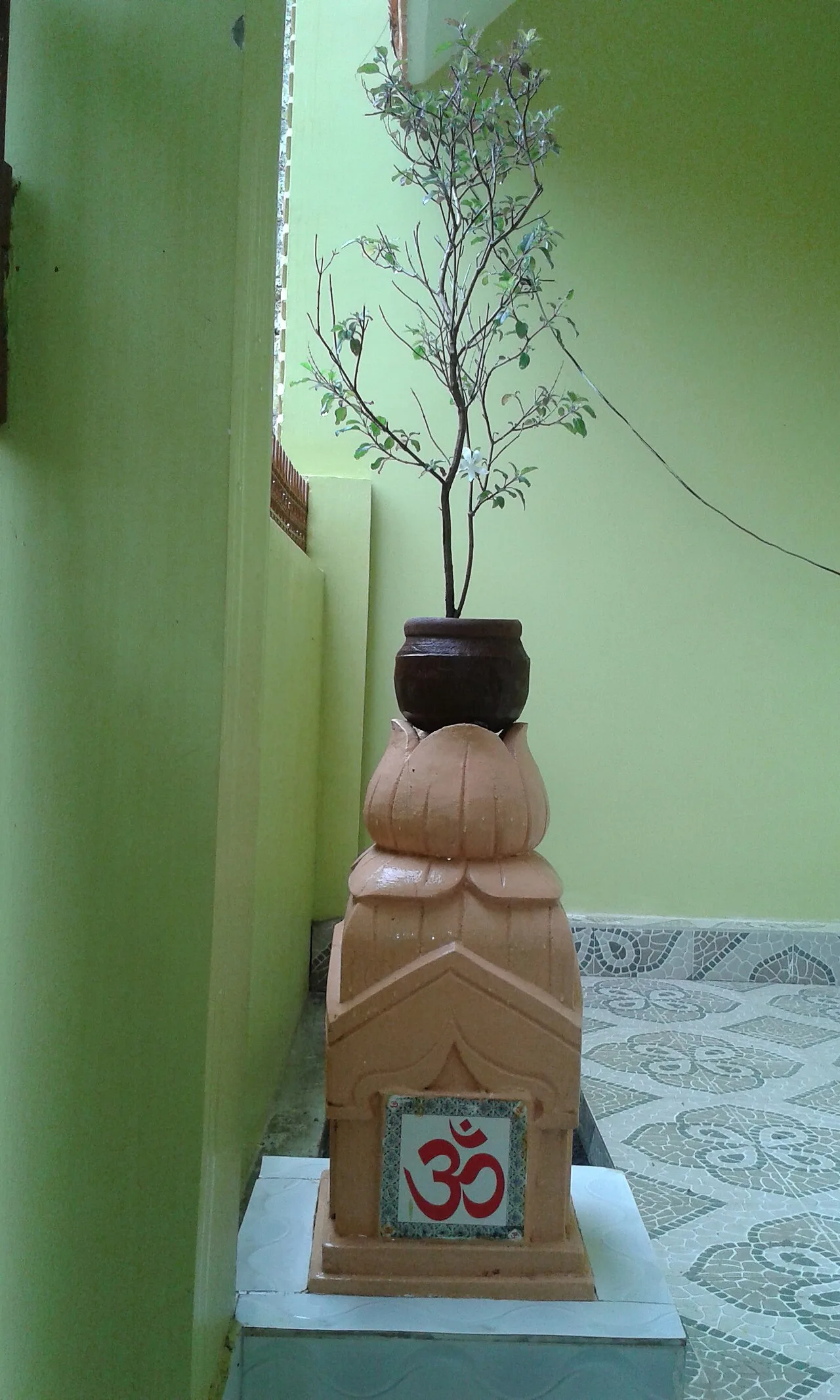
On the eleventh tithi of both fortnights, Shukla and Krishna, about twenty-four times a year. Because a tithi can cross two sunrises, the date can differ between traditions. Check a panchang (drikpanchang.com) for your city for the fasting day and the parana window.
Householders, elders and those who want a steady spiritual routine. Children, the unwell, pregnant women and people on medicines should keep a lighter fast with fruit and milk, or none.
from Dashami evening to Dwadashi morning; the puja itself is about 30 minutes
सामग्री Samagri checklist
Puja thali
Offerings
Havan / other
तैयारी Before you begin
- On Dashami, eat one light sattvic meal in the afternoon and avoid onion, garlic, rice, wheat, pulses and legumes.
- Keep your mind calm: no anger, no gossip.
- Some families skip the Dashami dinner or take only fruit and milk.
- Clean the puja place on Ekadashi morning after an early bath.
- Decide your fasting level: nirjala, water only, a fruit diet, or one grain-free meal.
पूजा विधि Step by step
दशमी का सात्त्विक भोजन Dashami light meal
about evening before
Take a single simple meal, finished by the afternoon, without rice, wheat, pulses or the onion family. Rest early and keep the mind away from quarrels. This is the quiet start of the vrat.
संकल्प Morning vow
about 5 minutes
Rise early on Ekadashi, take a full bath, and promise the Lord that you will keep this fast. Name your chosen level plainly to yourself, so you do not drift.
आचमन Achaman, sipping water to purify
about 2 minutes
Sit on your asan facing east or north with a small cup (a copper or steel panchpatra if you have one) of clean water and a spoon. Pour a little water into your right palm and sip it three times, each time with one name of Vishnu, without a sound of slurping. Then wash the right palm, touch your lips, and touch water to the eyes, nose, ears and heart with the fingers, as your family does. Take only a small sip each time, not a mouthful. Do it before sankalp, and again whenever you leave the seat and return.
ॐ केशवाय नमः। ॐ नारायणाय नमः। ॐ माधवाय नमः।
Om Keshavaya namah. Om Narayanaya namah. Om Madhavaya namah.
Meaning: Salutations to Keshava, Narayana and Madhava, three names of Vishnu, one for each sip. Many Vedic households say 'svaha' in place of 'namah' for these three sips, and the Sandhya text does the same.
ॐ गोविन्दाय नमः
Om Govindaya namah
Meaning: A fourth name of Vishnu, said as the hand is washed after the three sips.
विष्णु पूजन Vishnu puja
about 15 minutes
Set the murti, picture or Shaligram on a clean cloth. Offer water, sandalwood, yellow flowers and a lamp. Tulsi leaves go to Vishnu.
ॐ नमो भगवते वासुदेवाय
Om Namo Bhagavate Vasudevaya
Meaning: I bow to the Lord Vasudeva.
भोग Naivedya
about 5 minutes
Offer fruit, milk and a grainless sweet. Leave out grain from the bhog today.
कथा और पाठ Katha and reading
about 30 minutes
Read or listen to the Ekadashi katha of the month. Many seekers chant the Vishnu Sahasranama or read the Bhagavad Gita through the day.
दिनभर का नियम Rules through the day
about all day
Skip grains at every meal. Families turn instead to roots, water-chestnut and buckwheat flour, barnyard millet and fruit. Whether chickpea counts as a grain is disputed, so skip it. Limit worldly talk and let the mind rest in bhajan.
रात्रि जागरण Night vigil
about evening
If you can, stay awake at night with kirtan or japa. It is not compulsory; if you cannot, sleep after your evening aarti.
आरती विधि How to do aarti
about 5 minutes
Aarti comes near the end of the puja, after the offerings. Stand in front of the deity with a thali holding a ghee lamp (or camphor), a small bell, a flower and a little water. Ring the bell with the left hand and wave the thali with the right, always clockwise: in front of the deity, the thali goes from your left to your right in a full circle. Many households do about four circles at the feet, two at the navel or belly, one at the face and then seven or so around the whole form, going from feet upward. Sources do not agree on these counts, so follow your family; the clockwise circle is the part all agree on. Camphor is lit last and waved the same way, and one verse (karpur-gauram or the nirajan verse) is said while it burns. Sing the aarti of the deity with everyone, clapping softly in time. Then take the aarti: hold your hands over the flame and touch them lightly to your eyes and forehead, and pass the thali to others. Walk once round the deity clockwise and bow. Afterwards set the lamp back in the shrine; whether it burns on or is put out gently depends on your family custom, and a lamp that goes out in the middle can simply be relit.
कदलीगर्भसम्भूतं कर्पूरं तु प्रदीपितम्। आरार्तिकमहं कुर्वे पश्य मे वरदो भव॥
Kadali-garbha-sambhutam karpuram tu pradipitam. Aratikam aham kurve pashya me varado bhava.
Meaning: Camphor born from the heart of the plantain, now lit, I wave in aarti: look on me and be a giver of boons. Two drikpanchang pages give the first line as 'kadali-garbha-sambhutam karpuram tu pradipitam'; the second line is as it is commonly printed.
Vishnu aarti, such as Om Jai Jagdish Hare, in the evening.
द्वादशी की सेवा Dwadashi seva
about 30 minutes
Next morning, bathe, do a short puja and offer prasad. Feed a cow or a guest where you can, and give daan of food or a gift before you eat.
पारण Parana, breaking the fast
about 20 minutes
Break the fast next day once the sun is up, within the parana window your panchang prints. Hari Vasara, the opening quarter of that tithi, is never used. Start with a little fruit or cow's milk, then take a light sattvic meal.
क्षमा प्रार्थना / पूजा समापन Kshama prarthana, asking forgiveness and closing
about 3 minutes
At the very end, after aarti and pradakshina, stand or sit with folded hands and ask pardon for every lack in the puja: wrong words, missed steps, thin devotion. This is not a formality; it is said that even a puja done with errors becomes complete by this prayer. Then offer a little water and flowers, say 'sarvam shri bhagavat arpanam' (all this is offered to the Lord), and take the water on the kalash as prasad. Do not rush away; sit a minute in silence. Close by saying the deity may go where he or she pleases (utthapan or visarjan) only if you called the deity into a fresh murti. A home murti or picture that lives on your altar is not sent away: you only bow and cover the offerings.
आवाहनं न जानामि न जानामि विसर्जनम्। पूजां चैव न जानामि क्षमस्व परमेश्वर॥ मन्त्रहीनं क्रियाहीनं भक्तिहीनं सुरेश्वर। यत्पूजितं मया देव परिपूर्णं तदस्तु मे॥
Avahanam na janami na janami visarjanam. Pujam chaiva na janami kshamasva Parameshvara. Mantra-hinam kriya-hinam bhakti-hinam Sureshvara. Yat pujitam maya deva paripurnam tad astu me.
Meaning: I do not know how to invite you, how to send you off, or how to worship; forgive me, O Supreme Lord. Whatever I have worshipped with lack of mantra, lack of action and lack of devotion, O Lord of the gods, let it be made complete. Two sources agree on this pair of verses; one prints 'tava archanam' (your worship) in the first line in place of 'pujam'.
आरती और विसर्जन Aarti and closing
Wave the ghee lamp and camphor before Vishnu in the evening, singing Om Jai Jagdish Hare or the Vishnu aarti your family prefers.
Share the prasad with the family and neighbours. Tulsi leaves and flowers go to the plant's roots or into clean water.
क्या करें · Do
- Wake early and bathe before the puja.
- Read scripture or chant the name of Vishnu through the day.
- Keep to the printed parana window.
- Offer tulsi leaves to Vishnu.
- Do daan on Dwadashi.
क्या न करें · Avoid
- Do not eat rice, wheat or pulses on the fasting day.
- Do not break the fast in Hari Vasara.
- Do not argue or gossip.
- Do not push a nirjala fast beyond your health.
परंपराएँ Variations and Braj
- Smarta and Vaishnava traditions share the same sky but differ on which day wins when Ekadashi spans two sunrises. Smarta families fast on the day Ekadashi is present at sunrise, even if a little Dashami lingers before it.
- Vaishnava families want a pure Ekadashi. If Dashami still touches sunrise, the Vaishnava fast moves to the next day. Their parana is also set earlier, before the first quarter of Dwadashi ends, while Smarta parana is before Dwadashi ends.
- The two dates differ about four to six times a year. Some Gaudiya Vaishnavas fast on Dwadashi for certain Ekadashis for reasons that are not explained here.
- Nirjala Ekadashi (in the Jyeshtha month) is the strictest, kept with no food or water. Devshayani Ekadashi in Ashadha marks the start of Chaturmas, when Vishnu sleeps, and Prabodhini Ekadashi in Kartik wakes him.
Spending Ekadashi in Braj is a lovely way to keep the vrat: many seekers pass the day in kirtan at the temples listed in our guide pages below.
Shri Krishna Janmabhoomi (Keshav Dev)Banke Bihari TempleISKCON Vrindavan (Krishna Balaram Mandir)
प्रश्न Questions, answered
What can I eat on Ekadashi?
Fruit, milk, root vegetables, water-chestnut flour, buckwheat and barnyard millet are the usual picks. Rice, wheat and pulses stay off the plate. Chickpea is disputed, so many families skip it.
When exactly do I break the Ekadashi fast?
The following morning, after sunrise, in the window your panchang shows, and never during Hari Vasara.
Why do Smarta and Vaishnava Ekadashi dates differ?
They apply the sunrise rule differently. Vaishnavas want Ekadashi pure at sunrise, with no Dashami touching it, so their fast often falls a day later.
What are Nirjala and Devshayani Ekadashi?
Nirjala Ekadashi is the strictest, kept without water. Devshayani Ekadashi marks the beginning of Chaturmas, the four months of Vishnu's sleep.
Can I keep a lighter fast?
Yes. Pick water alone, a fruit diet, or a single grain-free meal as your health allows. The Lord asks for sincerity, not suffering.
कुल की परंपरा सर्वोपरि है। Where your family custom differs, follow it, and ask your priest when in doubt.
Check locally
- The fasting day and the parana window for your city and tradition.
- Whether your family counts chickpea, sago or certain flours as allowed.
- Whether your family adds any special bhog for the month's Ekadashi.
- The Hari Vasara end time on Dwadashi.
Doing this in Braj? Seekers often bring a puja to Vrindavan, Govardhan or Mathura. A Laladham driver who knows the ghats and the timings is one message away.
Plan my trip