Vishnu · एकादशी
निर्जला एकादशी व्रत कथा (भीमसेनी एकादशी)
Nirjala Ekadashi Vrat Katha (Bhimseni Ekadashi)
Nirjala or Bhimseni Ekadashi katha: hungry Bhima asks Sage Vyasa for one fast that equals all. Read the story, the waterless rules, daan and paran.
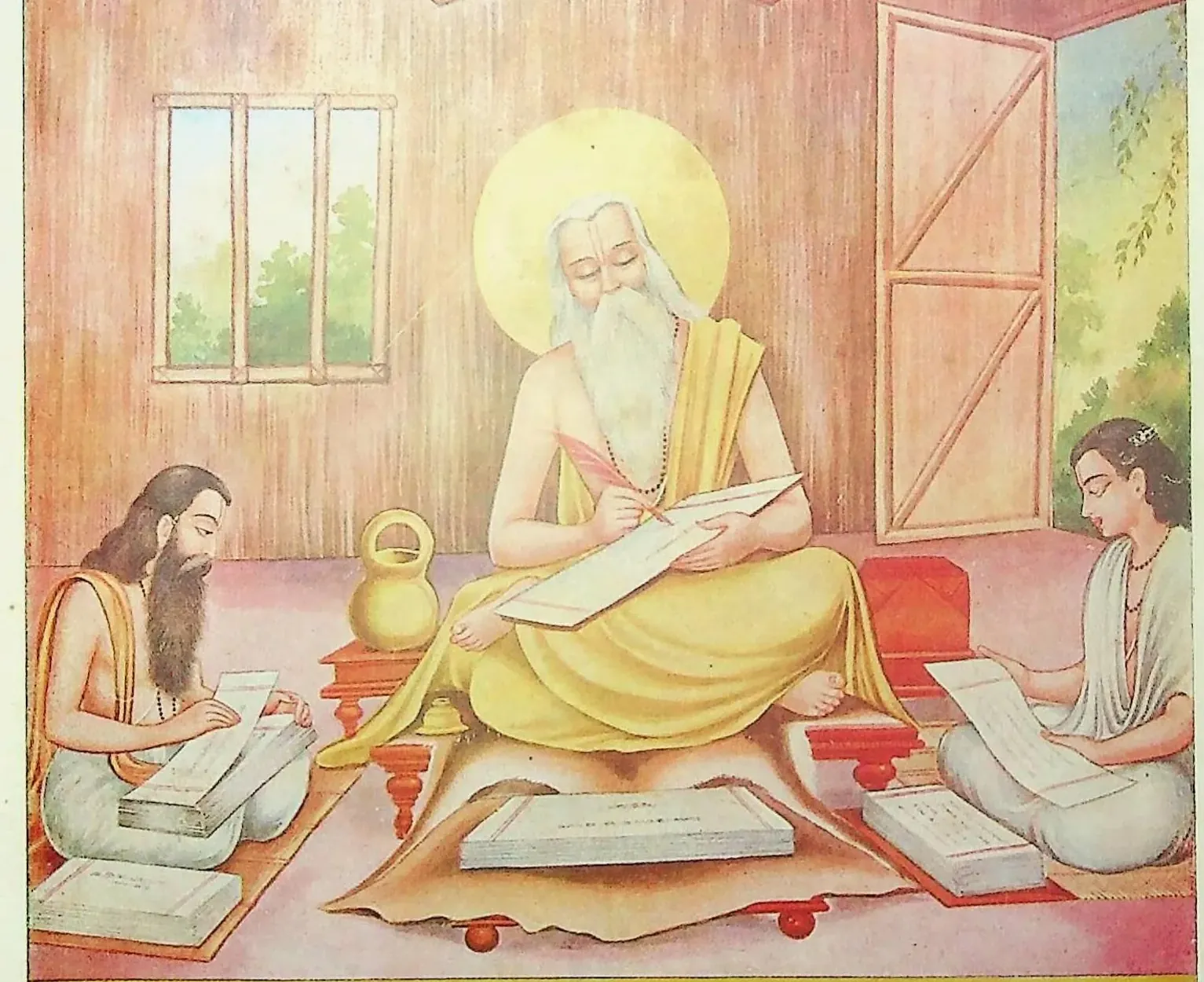
The eleventh tithi of the waxing moon (Shukla Paksha) in the month of Jyeshtha, in the hottest weeks of May or June. Check a panchang (drikpanchang.com) for your city for the fasting day and the paran time, which must come on Dwadashi after sunrise.
Vishnu · Shukla Paksha Ekadashi
ज्येष्ठ (Jyeshtha)
व्रत कथा The katha
All printed versions follow the dialogue of Vyasa and Bhima. Some call the next day Pandava Dwadashi, others call the Ekadashi itself Pandava Ekadashi; we mention both. Water-pot gifts and the list of daan vary a little between books.
कथा (हिंदी)
युधिष्ठिर ने श्रीकृष्ण से पूछा कि ज्येष्ठ मास के शुक्ल पक्ष की एकादशी कौन सी है, उसकी कथा सुनाइए। श्रीकृष्ण ने कहा कि इसका पूरा ज्ञान वेदों और शास्त्रों के ज्ञाता महर्षि वेदव्यास को है, वे ही इसे बताएँगे। तब पांडवों के पितामह तुल्य व्यास जी ने एकादशी व्रत का नियम समझाया।
व्यास जी ने कहा कि दोनों पक्षों की एकादशी को भोजन नहीं करना चाहिए। द्वादशी को सुबह स्नान करके फूलों से केशव भगवान की पूजा करे। फिर नित्य कर्म निपटाकर पहले ब्राह्मणों को भोजन कराए और उसके बाद स्वयं भोजन करे। जन्म या मृत्यु का सूतक भी हो, तब भी एकादशी को अन्न नहीं खाना चाहिए।
यह सुनकर भीमसेन बोले कि पितामह, मेरी बात सुनिए। मेरे बड़े भाई युधिष्ठिर, माता कुंती, द्रौपदी, अर्जुन, नकुल और सहदेव सब एकादशी का उपवास करते हैं और मुझसे भी कहते हैं कि भीम, तुम भी रखो। पर मैं उनसे कह देता हूँ कि मुझसे भूख सहन नहीं होती। मेरे पेट में वृक नाम की जठराग्नि जलती है। जब मैं बहुत भोजन करता हूँ तभी वह शांत होती है। इसलिए कृपा करके कोई एक ऐसा व्रत बताइए जो वर्ष में एक ही बार करना पड़े, और जिससे मेरा स्वर्ग का मार्ग भी खुल जाए।
व्यास जी ने कहा कि हे भीम, यदि तुम स्वर्ग चाहते हो और नरक से बचना चाहते हो तो दोनों पक्षों की एकादशी का उपवास करो। भीमसेन ने फिर हाथ जोड़े और कहा कि मुझसे दिन में एक बार भोजन छोड़ना भी कठिन है, तो पूरा उपवास कैसे करूँ। तब व्यास जी को उस पर दया आई और उन्होंने केवल एक व्रत बताया।
वे बोले कि ज्येष्ठ मास के शुक्ल पक्ष की एकादशी को, जब सूर्य वृषभ या मिथुन राशि में हो, निर्जला व्रत करो। इसमें सूर्योदय से लेकर अगले दिन के सूर्योदय तक अन्न और जल दोनों का त्याग करना है। केवल आचमन के लिए या मुँह धोने के लिए जल की थोड़ी सी मात्रा ली जा सकती है। इसके अतिरिक्त एक बूँद भी पी ली जाए तो व्रत टूट जाता है।
द्वादशी को प्रातः स्नान करो, ब्राह्मणों को जल और स्वर्ण का दान दो, फिर उन्हें भोजन कराओ और सबसे अंत में स्वयं भोजन करो। इस एक व्रत से वर्ष की सभी एकादशियों का फल मिल जाता है। जो श्रद्धा से इसे करता है, उसे यमदूत नहीं ले जाते, बल्कि विष्णु के दूत उसे विष्णुलोक ले जाते हैं। सुमेरु पर्वत जैसा बड़ा पाप भी जलकर राख हो जाता है।
व्यास जी ने यह भी कहा कि इस दिन किया हुआ स्नान, दान, जप और हवन अक्षय हो जाता है। जो रात में जागरण करके श्रीहरि की आराधना करता है, वह अपनी सौ पीढ़ियाँ पहले की और सौ पीढ़ियाँ आगे की तार देता है। जल पीने से बचना बड़ा तप है। इस दिन अन्न, वस्त्र, गाय, जल, शय्या, सुंदर आसन, कमंडलु, छाता और जूते का दान करना चाहिए। जल से भरा घड़ा शक्कर के साथ दान करने का भी विधान है।
भीमसेन ने व्यास जी की बात मान ली और उसी दिन से निर्जला एकादशी का व्रत करने लगे। इसी कारण यह एकादशी भीमसेनी एकादशी कहलाई और संसार में पांडव द्वादशी के नाम से भी प्रसिद्ध हुई। कथा सुनने मात्र से स्वर्ग का फल मिलता है, ऐसा कहा गया है।
साधक इस कथा में एक सीधी बात देखते हैं: भगवान की कृपा कठिन परिस्थिति में भी रास्ता निकाल देती है। जो हर एकादशी नहीं रख पाता, वह एक सच्चे और कठिन व्रत से भी बहुत कुछ पा सकता है। पर यह भी याद रखें कि बच्चे, बुजुर्ग और रोगी निर्जला व्रत अपनी शक्ति के अनुसार ही रखें।
The katha (English)
Yudhishthira asked Krishna which Ekadashi comes in the bright half of Jyeshtha and requested its story. Krishna answered that the sage Vyasa, who knows the Vedas and all the scriptures, was the right person to explain it. So Vyasa, elder to the Pandavas, began by laying out how an Ekadashi is kept.
Vyasa said that on both Ekadashis of the month one should eat no food. On Dwadashi, after bathing, one worships Keshava with flowers. After the day's duties, Brahmins are fed first and only then does the fasting person eat. Even when a family is under the impurity of a birth or a death, the Ekadashi fast is not to be skipped.
Hearing this, Bhima spoke up. He said that Yudhishthira, his mother Kunti, Draupadi, Arjuna, Nakula and Sahadeva all keep these fasts and keep urging him to join them. But he always tells them that he cannot bear hunger. A fierce fire called Vrika burns in his belly, and it calms only when he eats a great quantity. So he asked for one single vow in the year which would still open the way to heaven.
Vyasa replied that if Bhima wished for heaven and wanted to avoid hell, he should fast on both Ekadashis. Bhima folded his hands again and said that even giving up a single meal was hard, so how could he manage a whole day of fasting? Then Vyasa felt kindly toward him and named just one vow.
It was the Ekadashi of Jyeshtha's waxing moon, when the Sun stands in Taurus or Gemini, and it was to be kept without water. From sunrise on that day until sunrise on the next, he must give up both food and drink. A small sip for achaman, the ritual rinsing of the mouth, is permitted, but any other water breaks the vow.
On Dwadashi he should bathe at dawn, give water and gold to Brahmins, feed them, and eat last. Vyasa promised that this one fast brings the fruit of all the Ekadashis of the year. A person who keeps it with faith is not taken away by Yama's servants but led to Vishnu's abode by the Lord's own messengers. Even a sin as large as Mount Meru is burned away.
Vyasa added that bathing, charity, japa and havan done on this day never run out of merit. One who stays awake through the night, worshipping Hari, lifts a hundred earlier generations and a hundred to come. Going without water is the great austerity here. He recommended giving food, clothes, cows, water, beds, fine seats, a kamandalu, an umbrella and shoes, and also a water pot with sugar, offered with a prayer to Hrishikesha.
Bhima accepted Vyasa's word and from that day kept the Nirjala Ekadashi. For this reason the day came to be called Bhimseni Ekadashi, and in the world it is also known as Pandava Dwadashi. It is said that merely hearing the story gives the fruit of heaven.
Seekers see one simple truth in the tale: grace finds a way even for the person who finds it hardest to fast. Someone who cannot keep every Ekadashi may still gain a great deal from one sincere and difficult vow. All the same, children, elders and the unwell should fast only as far as their health allows, and may take fruit or water if needed.
Traditional source: Krishna to Yudhishthira, with Vyasa speaking to Bhima, as told in common vrat-katha books
क्या खाएँ · What to eat
- Nothing from sunrise on Ekadashi to sunrise on Dwadashi if you keep the strict fast
- A sip of water only for achaman
- If your health needs it: fruit, milk or coconut water, a softer form of the fast
- One light sattvic meal on Dashami
क्या छोड़ें · What to avoid
- All grains, rice, wheat and pulses
- Onion, garlic, meat and alcohol
- Any water beyond achaman if you hold the nirjala vow
- Anger, daytime sleep and idle talk
नियम How the day is kept
- Brush teeth, bathe and take the vow in the name of Keshava
- Worship Vishnu with a lamp, tulsi and yellow flowers
- Hear this katha and stay awake in the night with bhajan or Vishnu Sahasranama
- In the heat of Jyeshtha, give water: set out pots, offer chhaas or sharbat to others
- Give a water pot with sugar, food, clothes, an umbrella or shoes in daan
पारण और उद्यापन Breaking the fast
Wake before sunrise on Dwadashi, bathe, and worship Vishnu with flowers and tulsi. Give water and a gift to a Brahmin or someone in need and let them eat first. Then break the fast within the paran window listed for your city, not during Hari Vasara. Take water first in small sips, then a light homecooked meal, because the body needs time after a full day without drink.
आरती और पूजा Aarti and puja
Sing Om Jai Jagdish Hare at dusk before the Vishnu image, with a pot of water kept beside the lamp.
Vyasa is remembered at Kurukshetra and on the Ganga near Haridwar, and Laladham can collect you from Delhi and drive you there for the complete trip. Plan this trip
प्रश्न Questions, answered
Why is Nirjala Ekadashi called Bhimseni Ekadashi?
Because in the katha Bhima, the Pandava who could not bear hunger, asked Vyasa for a single fast, and Vyasa gave him this one.
Can I drink water on Nirjala Ekadashi?
In the strict vow, only a sip for achaman is allowed. Children, the elderly, pregnant women and the unwell should fast only as their health permits and may take fruit or water.
Does Nirjala Ekadashi equal all 24 Ekadashis?
The katha says so: one faithful fast gives the fruit of all the year's Ekadashis.
What is given in daan on Nirjala Ekadashi?
Water pots with sugar, food, clothes, a cow where possible, a bed, a seat, a kamandalu, an umbrella and shoes are named in the books.
When do I break the Nirjala fast?
On Dwadashi after sunrise, in the paran window of your city and outside Hari Vasara.
तिथि और पारण का समय हर शहर में अलग होता है; अपने शहर का पंचांग (drikpanchang.com) देखें। कुल की परंपरा सर्वोपरि है। Dates change every year, so check a panchang for your city. If you are unwell, pregnant or on medicine, keep the fast in a lighter way.
Hear it in Braj. Laladham picks you up in Delhi and runs the complete trip, so you can keep your vrat where the stories happened.
Plan my trip