Vishnu · एकादशी
देवशयनी एकादशी व्रत कथा
Devshayani Ekadashi Vrat Katha
Devshayani (Ashadhi, Padma) Ekadashi: King Mandhata's three dry years, sage Angira's advice, the rain that returned, and the start of Chaturmas and the Pandharpur wari.
On the eleventh tithi of the bright fortnight (Shukla paksha) of Ashadha, usually in June or July, the Ekadashi that opens the four-month Chaturmas. Because a tithi can touch two sunrises, check a panchang (drikpanchang.com) for your city for the fasting day and the parana window.
Vishnu · Ashadha Shukla Ekadashi
आषाढ़ (Ashadha)
व्रत कथा The katha
The Mandhata and Angira story is the same in all printed versions we read. Some give Brahma Vaivarta Purana and some Bhavishyottara Purana as the source. The Shudra tapasvi episode is part of the traditional text and the king's refusal to harm him is the turning point. The wari is a regional custom and is not part of the Puranic katha itself.
कथा (हिंदी)
कहते हैं कि एक बार धर्मराज युधिष्ठिर ने भगवान श्रीकृष्ण से पूछा कि आषाढ़ मास के शुक्ल पक्ष की एकादशी का नाम क्या है, उसके देवता कौन हैं और उसका व्रत किस विधि से किया जाता है। श्रीकृष्ण बोले कि यही प्रश्न एक दिन देवर्षि नारद ने अपने पिता ब्रह्मा जी से किया था, और जो उत्तर ब्रह्मा जी ने दिया, वही मैं तुम्हें सुनाता हूँ। इस एकादशी को देवशयनी कहते हैं, इसे पद्मा एकादशी भी कहा जाता है, और इसके देवता भगवान हृषीकेश हैं।
ब्रह्मा जी ने कथा आरंभ की। सतयुग की बात है। उस समय सूर्यवंश में मान्धाता नाम के एक चक्रवर्ती राजा हुए, जो सत्य के पक्के, बलवान और अपनी प्रजा को संतान की तरह पालने वाले थे। उनके राज्य में न बाढ़ आती थी, न अकाल पड़ता था, न रोग फैलते थे। खेत हरे रहते थे, घर अन्न से भरे रहते थे और लोग अपने अपने धर्म में लगे रहते थे। राजा को कभी यह आभास भी नहीं हुआ कि इतने सुख के बीच कोई संकट छिपा बैठा है।
फिर अचानक ऐसा हुआ कि आकाश से पानी बरसना बंद हो गया। एक वर्ष बीता, दो वर्ष बीते, और तीसरे वर्ष तक एक बूँद नहीं गिरी। धरती फट गई, तालाब सूख गए, अन्न का दाना दुर्लभ हो गया। यज्ञ, हवन, पितरों के पिंडदान और कथा व्रत जैसे शुभ कर्म भी ढीले पड़ने लगे, क्योंकि भूखे पेट किसी का मन पूजा में नहीं लगता। दुखी प्रजा झुंड बनाकर राजा के पास पहुँची और हाथ जोड़कर बोली कि महाराज, आप ही हमारे रक्षक हैं, हमें इस विपत्ति से बचाइए।
राजा स्वयं भीतर से व्याकुल थे। वे सोचते रहे कि शास्त्र कहते हैं राजा के पाप से राज्य में विपत्ति आती है, पर मैंने तो जान बूझकर किसी का बुरा किया ही नहीं। फिर यह दंड किस बात का है। उन्होंने प्रजा को वचन दिया कि मैं इसका कारण खोजकर रहूँगा। वे अपने मंत्रियों और सैनिकों को साथ लेकर वन की ओर निकल पड़े और एक के बाद एक कई ऋषियों के आश्रम में गए।
चलते चलते वे ब्रह्मा जी के पुत्र अंगिरा ऋषि के आश्रम में पहुँचे। तेजस्वी ऋषि को देखकर राजा घोड़े से उतरे और झुककर प्रणाम किया। ऋषि ने आशीर्वाद दिया और आने का कारण पूछा। राजा ने हाथ जोड़कर कहा कि भगवन, मैं धर्म से राज्य चलाता हूँ, फिर भी तीन वर्ष से मेरे देश में वर्षा नहीं हुई। इसका कारण क्या है, यही जानने आपके पास आया हूँ।
अंगिरा ऋषि ने कहा कि हे राजन, यह सतयुग है, जिसमें धर्म अपने चारों चरणों पर खड़ा रहता है और छोटी सी भूल का भी बड़ा फल मिलता है। कथा के अनुसार तुम्हारे राज्य में एक शूद्र तप कर रहा है, जबकि इस युग में तप का अधिकार ब्राह्मणों को बताया गया है। इसी कारण वर्षा रुकी है। जब तक वह जीवित है, यह अकाल दूर नहीं होगा, इसलिए उसे मार देना ही उपाय है।
यह सुनकर राजा का हृदय काँप उठा। उन्होंने विनम्रता से कहा कि मुनिवर, जो व्यक्ति निर्दोष है और तपस्या में लगा है, उसकी हत्या मुझसे कभी नहीं होगी। कृपा करके कोई और मार्ग बताइए। यही राजा की करुणा थी, और इसी करुणा से ऋषि प्रसन्न हुए। उन्होंने कहा कि यदि ऐसा है तो आषाढ़ मास के शुक्ल पक्ष की देवशयनी एकादशी का व्रत करो। इससे निश्चित ही वर्षा होगी।
राजा अपनी राजधानी लौट आए। उन्होंने चारों वर्णों की प्रजा के साथ मिलकर विधिपूर्वक एकादशी का व्रत किया, भगवान विष्णु का पूजन किया और रात जागकर हरिनाम लिया। बताया गया है कि व्रत के प्रभाव से कुछ ही समय में आकाश में घने बादल घिर आए, बिजली चमकी और चारों ओर झमाझम वर्षा हुई। नदियाँ भर गईं, खेत लहलहा उठे और राज्य फिर से धन धान्य से भर गया।
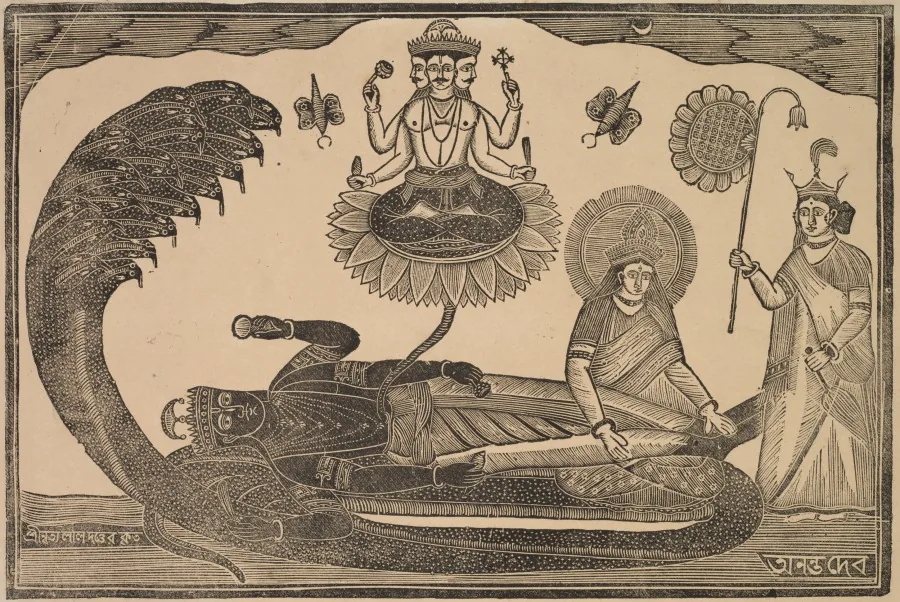
कथा का फल यह कहा गया है कि इस व्रत से भगवान हृषीकेश प्रसन्न होते हैं और करने वाले के सब पाप नष्ट हो जाते हैं। मान्यता है कि इसी दिन भगवान विष्णु क्षीरसागर में शेषनाग की शय्या पर योगनिद्रा में चले जाते हैं और चार महीने बाद कार्तिक शुक्ल एकादशी को जागते हैं। यही चार महीने चातुर्मास कहलाते हैं, जिनमें लोग संयम, जप और दान का नियम लेते हैं।
महाराष्ट्र में इसी तिथि को आषाढ़ी एकादशी कहा जाता है। कहा जाता है कि आलंदी से संत ज्ञानेश्वर और देहू से संत तुकाराम की पालकियाँ लेकर लाखों वारकरी कई दिन पैदल चलते हुए पंढरपुर पहुँचते हैं, जहाँ चंद्रभागा के तट पर विट्ठल और रुक्मिणी के दर्शन के साथ यह वारी पूरी होती है। इस प्रकार एक ही दिन कथा, चातुर्मास का आरंभ और भक्ति की यह लंबी पदयात्रा एक साथ आ मिलती है।
The katha (English)
It is said that Yudhishthira once asked Lord Krishna to name the Ekadashi of the bright half of Ashadha, to tell him who presides over it, and to explain how it is kept. Krishna replied that the same question had once been put by the sage Narada to his father Brahma, and that he would simply repeat Brahma's answer. This Ekadashi, he said, is called Devshayani, and also Padma Ekadashi. Its deity is Lord Hrishikesha, a name of Vishnu.
Brahma began the account in the Satya age. In the solar line there lived an emperor named Mandhata, truthful and strong, who looked after his people as a father looks after children. In his realm there were no floods, no famines and no epidemics. Fields stayed green, granaries stayed full, and everyone went about their own duties. The king never suspected that trouble was waiting behind all this comfort.
Then, without any warning, the rain stopped. One year passed dry, then a second, and by the third not a single drop had fallen. The earth cracked, ponds shrank to mud, and grain became rare. Even sacred acts such as fire offerings, rites for the ancestors and the telling of katha slipped, because an empty stomach has little room for ritual. The suffering people gathered and came to the palace, begging their ruler to save them.
The king himself was deeply troubled. He knew that the scriptures trace a kingdom's misfortune to the faults of its king, yet he could recall no deliberate wrong. He promised his subjects that he would find the cause. Taking ministers and soldiers along, he rode into the forest and called at one hermitage after another.
At last he reached the ashram of Angira, a sage who was the son of Brahma. Seeing the radiant rishi, the king got down from his horse and bowed low. Angira blessed him and asked what had brought him there. Mandhata folded his hands and said that he ruled by dharma, yet for three years his land had seen no rain, and he had come to learn why.
Angira answered that this was the Satya age, when dharma stands on all four legs and even a small slip carries a heavy result. In the version told in common vrat books, he said that someone of the Shudra varna was practising austerities in the kingdom, something that this age reserved for brahmins, and that this was why the clouds held back. As long as the man lived, the sage said, the drought would not lift, so he advised the king to put him to death.
The king shuddered at the thought. Gently but firmly he said that he could never kill a person who had done no harm and was engaged in penance, and he asked the rishi for another way. It was exactly this tenderness that pleased the sage. He told Mandhata to keep the Devshayani Ekadashi of Ashadha, and promised that rain would surely follow.
The king returned to his capital. Together with people of all four varnas he fasted by the rule, worshipped Vishnu and stayed up through the night chanting the Lord's name. Soon thick clouds are said to have gathered, lightning flashed, and rain poured over the whole country. Rivers filled, crops stood tall again, and the kingdom was rich once more.
The result of the vrat, as the account puts it, is that Hrishikesha is pleased with the one who fasts, and the sins committed by that person are destroyed. Tradition holds that on this very day Vishnu lies down on the serpent Shesha in the ocean of milk for his yoga nidra, and wakes four months later on the bright Ekadashi of Kartik. Those four months are Chaturmas, when many families take up vows of restraint, japa and giving.
In Maharashtra the same day is Ashadhi Ekadashi. Lakhs of Warkaris walk for days behind the palanquins of Sant Dnyaneshwar from Alandi and Sant Tukaram from Dehu, singing abhangas, and reach Pandharpur on the bank of the Chandrabhaga to see Vitthal and Rukmini. In this way a drought story, the beginning of Chaturmas and a great walk of devotion all meet on one morning.
Traditional source: Bhavishyottara Purana (Krishna to Yudhishthira), as told in common Ekadashi vrat-katha books; the Pandharpur wari link is a living tradition
क्या खाएँ · What to eat
- Fruit, milk, curd and makhana
- Sabudana, singhara or kuttu flour, and potato if your family allows it
- Rock salt (sendha namak) only, in small quantity
- Water, coconut water and tulsi-water through the day
क्या छोड़ें · What to avoid
- Rice, wheat, other grains and all pulses
- Onion, garlic and ordinary salt
- Bed-sleep in the day and quarrels
नियम How the day is kept
- Rise early, bathe, and place Vishnu or Krishna with a ghee lamp
- Read or hear this katha and chant Vishnu names
- Jagran through the night with bhajans if you can
- Take a Chaturmas vow, such as giving up one food for four months
- Daan of food or grain on Dwadashi
पारण और उद्यापन Breaking the fast
Break the fast on Dwadashi morning, after sunrise and inside the parana window your panchang gives for your city, and not during Hari Vasara (the first quarter of Dwadashi). First offer a little water and tulsi-leaf prasad to Vishnu, then eat a simple homecooked meal with rice or grain, and feed a brahmin or someone in need before you sit down yourself if possible.
Some families who vow to keep every Ekadashi of the year complete it with a feeding and a gift of a lamp, a vessel and fruit, but this is optional.
आरती और पूजा Aarti and puja
Close the puja by singing Om Jai Jagdish Hare with a ghee lamp before Vishnu, then share the prasad of fruit and tulsi water.
If the Pandharpur wari calls you, Laladham can collect you from Delhi and arrange the full trip to Pandharpur, with a day set aside to see Vitthal and Rukmini and the Chandrabhaga ghats. Plan this trip
प्रश्न Questions, answered
Why is Devshayani Ekadashi called Padma Ekadashi?
Brahma tells Narada in the katha that it is known by three names, Devshayani, Sayana and Padma Ekadashi, and that Hrishikesha is its deity. The text does not give one single reason for the name Padma.
What happens on Devshayani Ekadashi in tradition?
It is believed that Vishnu begins his four-month yoga nidra on the ocean of milk on this day. Chaturmas starts, and weddings and other major auspicious events are traditionally paused until Devutthani Ekadashi in Kartik.
Can I keep the fast with fruit and milk?
Yes. Most households keep a phalahar fast of fruit, milk and sendha-namak dishes. Those who are elderly, unwell, pregnant or on medicine should keep it lighter and need not go without water or food.
What is the connection with Pandharpur?
In Maharashtra the day is Ashadhi Ekadashi, when the Warkari wari of palanquins from Alandi and Dehu reaches the Vitthal-Rukmini temple at Pandharpur on the Chandrabhaga.
When do I break the fast?
On Dwadashi morning within the parana time for your city, and not in Hari Vasara. Check drikpanchang.com for exact timings.
तिथि और पारण का समय हर शहर में अलग होता है; अपने शहर का पंचांग (drikpanchang.com) देखें। कुल की परंपरा सर्वोपरि है। Dates change every year, so check a panchang for your city. If you are unwell, pregnant or on medicine, keep the fast in a lighter way.
Hear it in Braj. Laladham picks you up in Delhi and runs the complete trip, so you can keep your vrat where the stories happened.
Plan my trip