Vishnu · एकादशी
कामिका एकादशी व्रत कथा
Kamika Ekadashi Vrat Katha
Kamika Ekadashi katha: the warrior who killed a brahmin by mistake, the Shridhar fast that freed him, plus the glory of tulsi and night lamps on this Ekadashi.
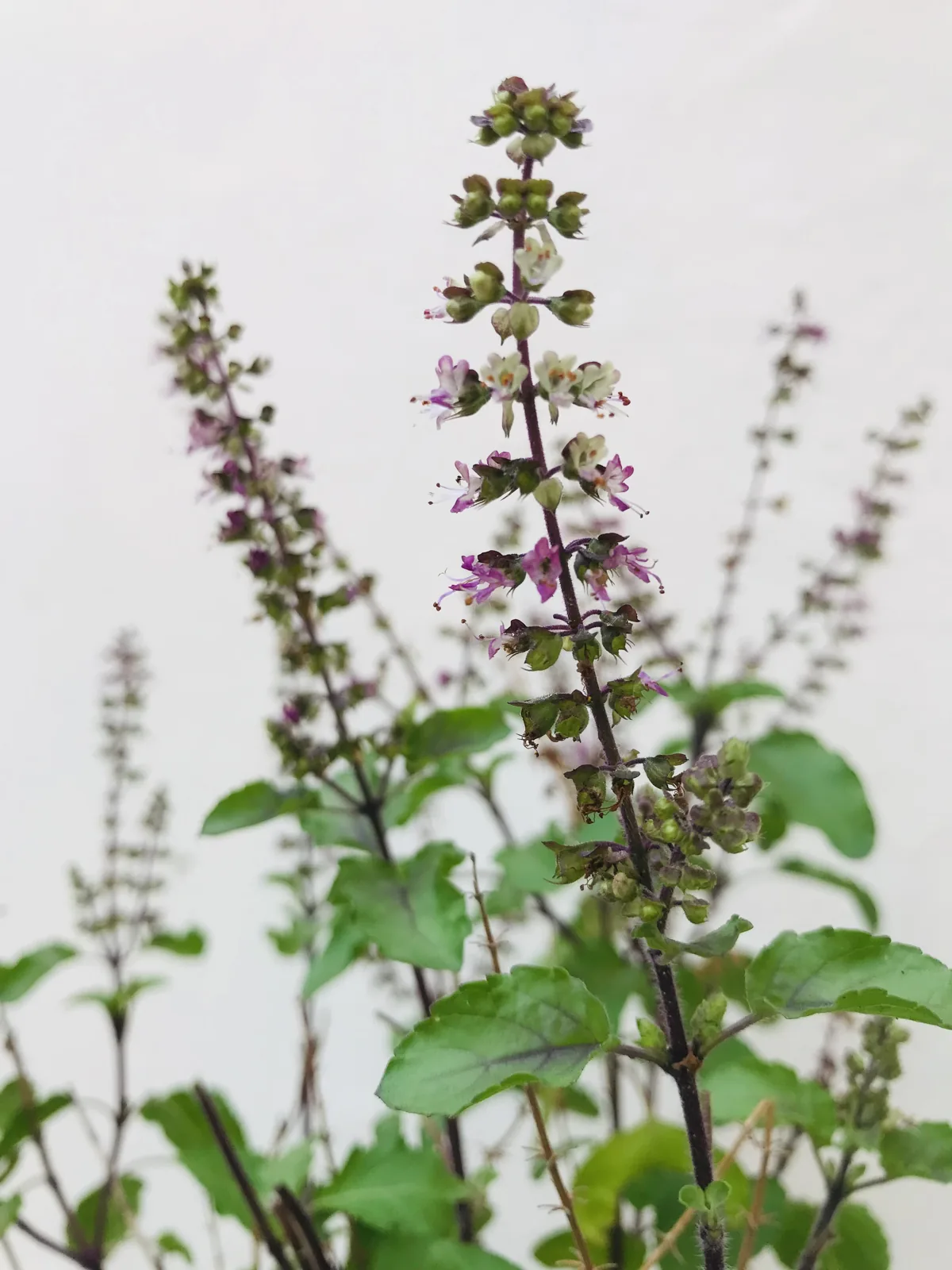
On the eleventh tithi of the dark fortnight (Krishna paksha) that follows Devshayani Ekadashi, called Shravana in the purnimanta calendar. Check a panchang (drikpanchang.com) for your city for the fasting day and the parana window.
Vishnu · Shravana Krishna Ekadashi (Ashadha Krishna in amanta calendars)
आषाढ़ (Ashadha)
व्रत कथा The katha
Printed versions differ on small points. Some have Yudhishthira ask Krishna and some have Arjuna ask; some place the speaker chain as Brahma to Narada and others as Bhishma to Narada. We followed the BhaktiBharat text, whose only story is the kshatriya who kills a brahmin by accident. If your family book differs, follow it. Because of the amanta calendar, the same tithi is called Ashadha Krishna Ekadashi in south and west India.
कथा (हिंदी)
कथा आरंभ होती है एक प्रश्न से। अर्जुन ने श्रीकृष्ण से कहा कि हे प्रभु, आपने देवशयनी एकादशी की महिमा सुना दी, अब कृपा करके श्रावण मास के कृष्ण पक्ष की एकादशी के बारे में बताइए। उसका नाम क्या है, उसकी विधि क्या है, देवता कौन हैं और उसका फल क्या मिलता है। श्रीकृष्ण ने कहा कि यह वही कथा है जो पितामह भीष्म ने एक बार नारद जी को सुनाई थी, और लोगों के भले के लिए मैं उसे दोहराता हूँ। इस एकादशी का नाम कामिका है।
नारद जी ने जब इसकी विधि पूछी तो बताया गया कि इस दिन शंख, चक्र और गदा धारण करने वाले भगवान विष्णु की पूजा धूप, दीप और नैवेद्य से की जाती है। भगवान को इस दिन श्रीधर, हरि, माधव और मधुसूदन जैसे नामों से भी याद किया जाता है। कहा गया है कि इस दिन की पूजा का पुण्य गंगा जी में स्नान करने से भी बढ़कर माना गया है, और ग्रहण के समय केदार या कुरुक्षेत्र में स्नान करने का फल भी भक्ति से की गई इसी पूजा से मिल जाता है।
अब वह कथा सुनिए जो इस व्रत के साथ जुड़ी है। एक गाँव में एक वीर क्षत्रिय रहता था। वह साहसी था। एक दिन किसी बात पर एक ब्राह्मण से उसका झगड़ा हो गया। बात बढ़ी और झगड़े में अनजाने ही उसके हाथ से ब्राह्मण की मृत्यु हो गई। वह स्तब्ध रह गया। उसने मारने की नीयत से कुछ नहीं किया था, पर जो होना था वह हो चुका था।
पश्चात्ताप में डूबा क्षत्रिय चाहता था कि वह मृतक का अंतिम संस्कार स्वयं करे और उसके परिवार के काम आए। पर गाँव के पंडितों ने उसे क्रिया में सम्मिलित होने नहीं दिया। उन्होंने कहा कि तुम्हें ब्रह्महत्या का दोष लगा है। जब तक तुम इसका प्रायश्चित नहीं कर लेते, हम तुम्हारे घर भोजन भी नहीं करेंगे। यह सुनकर क्षत्रिय का मन और भारी हो गया, पर उसने क्रोध नहीं किया। उसने विनय से पूछा कि मैं इस पाप से कैसे छूटूँ।
पंडितों ने उपाय बताया। उन्होंने कहा कि श्रावण के कृष्ण पक्ष की एकादशी आने पर विधि से उपवास करो, भगवान श्रीधर का भक्ति के साथ पूजन करो, फिर ब्राह्मणों को भोजन कराओ और दक्षिणा देकर उनका आशीर्वाद लो। इसी से तुम्हारा दोष धुलेगा। क्षत्रिय ने ठान लिया कि जैसा कहा गया है ठीक वैसा ही करेगा।
एकादशी का दिन आया। उसने स्नान करके व्रत लिया, भगवान को तुलसी दल अर्पित किया, दीपक जलाया और रात भर जागकर प्रभु का नाम लेता रहा। कहा गया है कि उसी रात, जब वह जागरण में बैठा था, भगवान श्रीधर उसके सामने प्रकट हुए। उन्होंने कहा कि तुम्हारा ब्रह्महत्या का दोष इस व्रत के प्रभाव से दूर हो गया है। उस क्षण वह भार जो उसके मन पर इतने दिनों से था, उतर गया।
व्रत का फल बताते हुए कहा गया है कि कामिका एकादशी ब्रह्महत्या जैसे बड़े पापों को भी नष्ट करने वाली है। जो इसे श्रद्धा से करता है वह इस लोक में सुख पाता है और अंत में विष्णुलोक को जाता है। जो केवल इसकी महिमा पढ़ता या सुनता है, उसे भी स्वर्ग का मार्ग मिलने की बात कही गई है। इसे सुनने मात्र का फल वाजपेय यज्ञ के बराबर माना गया है।
इसी कथा में तुलसी का भी विशेष स्थान है। कहा गया है कि भगवान विष्णु को मोती, मणि, माणिक और मूँगे से उतनी प्रसन्नता नहीं होती जितनी तुलसी दल से। भक्ति से चढ़ाया गया एक तुलसी पत्र चार भार चाँदी और एक भार स्वर्ण के दान के बराबर बताया गया है। तुलसी के दर्शन से पाप दूर होते हैं, स्पर्श से शरीर पवित्र होता है और जल चढ़ाने से कष्ट मिटते हैं। जो इसे आँगन में लगाता है उसके घर में कल्याण रहता है।
इस रात दीप जलाने का भी बड़ा महत्त्व बताया गया है। मंदिर में या भगवान के सामने घी या तिल के तेल का दीप जलाने वाले का पुण्य इतना कहा गया है कि चित्रगुप्त भी उसे गिन नहीं पाते। मान्यता है कि ऐसे दीप से सूर्यलोक में भी उजाला होता है और पितर स्वर्ग में अमृत पाते हैं। इसीलिए कामिका एकादशी पर जागरण, दीपदान और तुलसी पूजन का नियम चलता आया है।
The katha (English)
The telling begins with a question. Arjuna asked Krishna to speak of the Ekadashi in the dark half of Shravana, having already heard the glory of Devshayani. What is its name, how is it kept, who is its deity, and what does it give? Krishna said that Bhishma, the grandfather of the Kurus, had once narrated it to Narada, and that he would repeat it for the good of everyone. The name of this day is Kamika.
When Narada asked how to keep it, the answer was that Vishnu, the holder of conch, discus and mace, is worshipped with incense, a lamp and food offered with love. On this day he is remembered by names such as Shridhar, Hari, Madhava and Madhusudana. The reward of such worship is said to exceed even a bath in the Ganga, while the reward of an eclipse-day bath at Kedar or Kurukshetra is said to come simply from sincere devotion on this Ekadashi.
Now comes the story tied to the vrat. In a certain village lived a brave warrior of the kshatriya class. He was known for his courage. One day an argument with a brahmin flared up, the quarrel grew, and in the struggle the brahmin died at his hand without any plan to kill. The warrior stood frozen. He had never meant it, yet it had happened.
Heavy with remorse, he wished to perform the dead man's final rites himself and to be of use to the family. But the learned men of the village would not let him take part. They told him that blame for a brahmin's death now clung to him, and that until he atoned they would not even eat at his house. The warrior did not answer with anger. He asked quietly how he could be freed from such a stain.
The pandits gave him a remedy. When the Krishna Ekadashi of Shravana arrived, he was to fast by the rule and worship Lord Shridhar with devotion. After that he should feed brahmins, give them dakshina, and take their blessings. By this alone, they said, his fault would be washed away. The warrior resolved to do exactly as told.
When the day came, he bathed, took the vow, laid tulsi leaves before the Lord, lit a lamp and stayed awake all night repeating the divine name. It is said that in the very night of that vigil Lord Shridhar himself stood before him and declared that the stain had been removed. The weight that had sat on the man's heart for so long lifted in that instant.
The account then states the fruit of the vow. This Ekadashi, it says, destroys even the gravest sins such as the killing of a brahmin. One who keeps it with faith finds happiness in this life and goes to Vishnu's world in the end. Even reading or listening to the glory is said to open the way to heaven, and the merit of hearing it is counted as equal to a Vajapeya sacrifice, the great Vedic rite.
Tulsi has a special place in this same account. Vishnu, it says, is not as pleased by pearls, gems, rubies or coral as he is by one tulsi leaf. A single leaf offered with devotion is reckoned the same as giving four loads of silver and one of gold. To see tulsi is to be cleansed, to touch it is to be purified, and to water it is to end sorrow. A home that plants it is said to know welfare.
Lamps too are praised. Whoever lights a ghee or sesame-oil lamp before the Lord on this night earns merit so large that even Chitragupta, the keeper of accounts, is said to fail at counting it. That flame brightens the sun's own realm, and the ancestors of the giver are said to drink nectar in heaven. That is why the people have always kept the vigil, the lamp and the tulsi worship together on Kamika Ekadashi.
Traditional source: Bhavishyottara Purana (Brahma to Narada, retold by Krishna), as told in common vrat-katha books such as the BhaktiBharat text
क्या खाएँ · What to eat
- Fruit and milk, taken once or twice in the day
- Makhana, sabudana, kuttu or singhara flour dishes
- Rock salt only, or none, as the family follows
- Tulsi leaves in water and in the bhog
क्या छोड़ें · What to avoid
- Rice and all rice dishes on the fasting day
- Wheat, other grains and pulses
- Onion, garlic and ordinary salt
- Anger, harsh words and untidiness
नियम How the day is kept
- Bathe early and bathe the Vishnu image with Ganga water and panchamrit
- Offer sandal, flowers, tulsi and a bhog of butter and mishri to Shridhar
- Recite Vishnu Sahasranama or chant Vishnu names
- Light a ghee or sesame-oil lamp and keep the night vigil
- Daan on Dwadashi
पारण और उद्यापन Breaking the fast
Break the fast on Dwadashi morning after sunrise and within the parana window of your panchang, avoiding Hari Vasara. Rice dishes may be eaten that day once they have been offered to the deity. Feed a brahmin or a person in need and give dakshina as the katha says, then eat your own meal.
The katha itself asks for feeding brahmins and giving dakshina after the fast. Families may add a gift of a lamp and a tulsi sapling.
आरती और पूजा Aarti and puja
End the night with Om Jai Jagdish Hare before a ghee lamp, then pass the aarti flame around and share tulsi prasad.
प्रश्न Questions, answered
Who is worshipped on Kamika Ekadashi?
Lord Vishnu, remembered in this katha as Shridhar, Hari, Madhava and Madhusudana. He is shown as the holder of conch, discus and mace.
Why is tulsi so important on Kamika Ekadashi?
The text says Vishnu is pleased more by tulsi leaves than by gems and pearls, and that one offered leaf is equal to a large gift of silver and gold. Seeing, touching and watering tulsi are each praised.
Can rice be eaten on this Ekadashi?
No, rice and rice dishes are avoided on the fasting day. On the next day rice may be eaten after it is first offered to the deity.
What is the story behind Kamika Ekadashi?
A warrior accidentally kills a brahmin in a quarrel, is refused by the village pandits, keeps this Ekadashi on their advice, and on the vigil night Lord Shridhar appears and tells him that the sin is gone.
Which month is Kamika Ekadashi?
It is the Krishna paksha Ekadashi of Shravana in the purnimanta calendar, which many south and west Indian calendars call Ashadha. Check drikpanchang.com for the exact date for your city.
तिथि और पारण का समय हर शहर में अलग होता है; अपने शहर का पंचांग (drikpanchang.com) देखें। कुल की परंपरा सर्वोपरि है। Dates change every year, so check a panchang for your city. If you are unwell, pregnant or on medicine, keep the fast in a lighter way.
Hear it in Braj. Laladham picks you up in Delhi and runs the complete trip, so you can keep your vrat where the stories happened.
Plan my trip