Vishnu · एकादशी
परिवर्तिनी (पार्श्व) एकादशी व्रत कथा
Parivartini (Parsva) Ekadashi Vrat Katha
Parivartini or Parsva Ekadashi katha: generous King Bali, Vishnu as Vamana asking three steps, the head offered for the third, and Vishnu turning in his Chaturmas sleep.
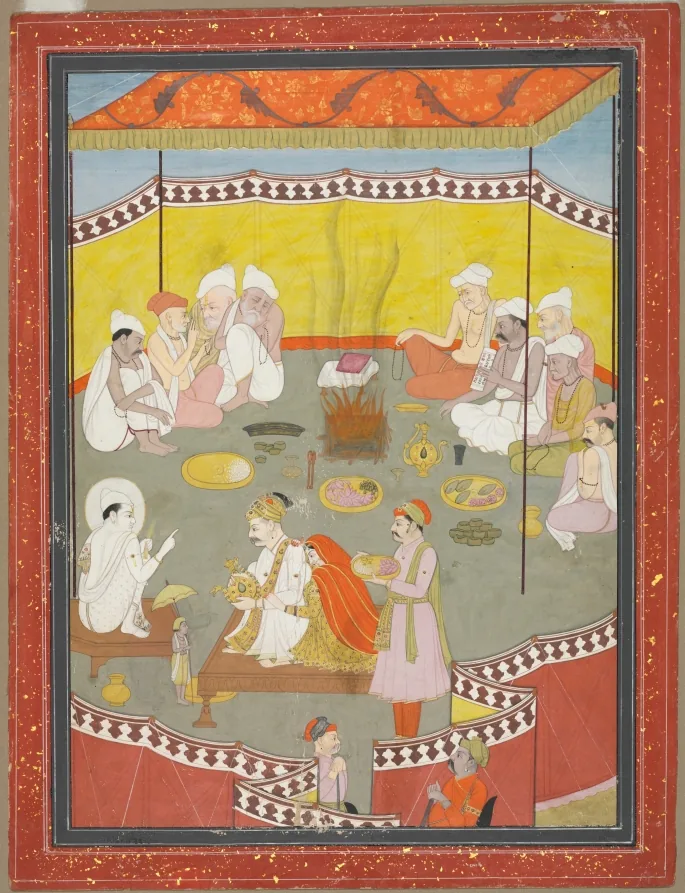
On the eleventh tithi of the bright fortnight (Shukla paksha) of Bhadrapada, usually in September, in the middle of Chaturmas. Check a panchang (drikpanchang.com) for your city for the fasting day and the parana window.
Vishnu · Bhadrapada Shukla Ekadashi
भाद्रपद (Bhadrapada)
व्रत कथा The katha
Printed texts agree on the Bali and Vamana story and on the turning of Vishnu in sleep, but differ on how much of the Bali episode they include. Some sites tell only Bali's conquest and the three paces, and the boon is told slightly differently: one says Vishnu stays with Bali in Patala, another says a form stays there during Chaturmas. We followed the version that has both. This Ekadashi is also linked to Vamana Dwadashi; regional names and customs vary, and we have not included any that we could not source.
कथा (हिंदी)
युधिष्ठिर ने श्रीकृष्ण से पूछा कि भाद्रपद मास के शुक्ल पक्ष की एकादशी का क्या नाम है, उसकी विधि क्या है और उसकी महिमा क्या है। श्रीकृष्ण ने कहा कि इसे परिवर्तिनी एकादशी कहते हैं, और पार्श्व, वामन तथा जयंती एकादशी भी इसके नाम हैं। उन्होंने कहा कि इसका व्रत पापों को धोता है और वाजपेय यज्ञ से भी अधिक फल देता है। फिर उन्होंने त्रेता युग की एक कथा आरंभ की।
उस समय बलि नाम का एक दैत्यराज था। वह दैत्य कुल में जन्मा था, पर उसके स्वभाव में बड़ी बातें थीं। वह भगवान का भक्त था, सत्य बोलता था, दान देने में उदार था और ब्राह्मणों की सेवा करता था। उसने अनेक यज्ञ किए और उनके पुण्य से उसकी शक्ति बहुत बढ़ गई। इंद्र से उसका वैर था। उसने इंद्र और देवताओं को हराकर इंद्रलोक का राज्य भी अपने अधीन कर लिया।
देवता और ऋषि यह देख नहीं पाए। वे सब भगवान विष्णु की शरण में गए और रक्षा की प्रार्थना की। भगवान ने उनकी बात सुनकर वामन रूप धारण किया। वे एक छोटे ब्रह्मचारी बालक के रूप में उस जगह पहुँचे जहाँ बलि यज्ञ कर रहे थे।
वामन ने बलि से भिक्षा माँगी। उन्होंने कहा कि मुझे केवल तीन पग भूमि चाहिए। बलि ने उदारता से कहा कि आप जितना चाहें माँग लीजिए, इससे बहुत अधिक भी दे सकता हूँ। पर वामन अपनी बात पर रहे। उन्होंने कहा कि तीन पग ही दे दीजिए, इससे तीनों लोकों के दान का पुण्य तुम्हें मिलेगा। बलि ने बिना झिझके हामी भर दी।
तब भगवान ने विराट रूप धारण किया, जिसे त्रिविक्रम कहा गया। पहले पग में उन्होंने पूरी पृथ्वी और सब लोकों को नाप लिया। दूसरे पग में स्वर्ग और आकाश को ढक लिया। अब तीसरे पग के लिए कोई स्थान नहीं बचा। भगवान ने बलि से पूछा कि मैं तीसरा पग कहाँ रखूँ।
बलि ने पहचान लिया कि जो उसके सामने खड़े हैं वे स्वयं नारायण हैं। उसने अपना शीश झुकाकर कहा कि प्रभु, तीसरा पग मेरे सिर पर रख दीजिए। भगवान ने उसके सिर पर चरण रखा और उसे पाताल लोक भेज दिया।
पर कथा यहीं नहीं रुकती। बलि की भक्ति और वचन निभाने की दृढ़ता से भगवान प्रसन्न हुए और उन्होंने वर दिया। कहा गया है कि भगवान ने वचन दिया कि मैं सदा तुम्हारे साथ रहूँगा। जिस दिन यह वर मिला उस दिन बलि के निवास पर वामन देव की मूर्ति स्थापित हुई। एक रूप से भगवान चातुर्मास में क्षीरसागर में शेषनाग पर योगनिद्रा में रहते हैं और एक रूप पाताल में बलि के राज्य की रक्षा करता है।
इसी एकादशी का नाम परिवर्तिनी या पार्श्व इसलिए है कि मान्यता के अनुसार इस दिन योगनिद्रा में लेटे हुए भगवान करवट बदलते हैं। वे बाईं करवट से दाहिनी ओर मुड़ते हैं। इसीलिए इसे करवट बदलने वाली एकादशी भी कहा जाता है।
इस व्रत का फल बताते हुए कहा गया है कि भक्ति से यह एकादशी करने और वामन भगवान की पूजा करने से पाप कटते हैं। भगवान के चरणों में कमल का फूल चढ़ाने से उनकी निकटता मिलती है। इस दिन तांबा, चाँदी, चावल या दही का दान बहुत शुभ माना गया है। जो इसकी कथा सुनता है वह तीनों लोकों में आदर पाता है।
The katha (English)
Yudhishthira asked Krishna about the Ekadashi of the bright half of Bhadrapada: its name, how it is kept and what its glory is. Krishna said that it is called Parivartini, and also Parsva, Vamana and Jayanti Ekadashi. Its fast washes away sins, he said, and gives more than a Vajapeya sacrifice. Then he began a story from the Treta age.
In those days there was a daitya king called Bali. He was born in the line of the daityas, yet his nature held real greatness. He was devoted to the Lord, truthful, generous in giving and respectful to brahmins. He performed many sacrifices, and what those rites earned made him very powerful. He held a grudge against Indra, defeated him and the other gods, and brought Indra's own realm under his rule.
The gods and sages could not bear to watch this. They went to Lord Vishnu for refuge and prayed for his protection. Hearing them, the Lord took the form of Vamana, a small student of the Vedas, and walked to the place where Bali was performing a sacrifice.
Vamana asked Bali for alms. All he wanted, he said, was land that could be covered in three paces. Bali answered with a big heart that he could ask for much more and receive it. Vamana would not change his request. Three paces, he repeated, and the merit of giving all three worlds would come to Bali. Without a flicker of doubt, Bali agreed.
Then the Lord grew into his towering shape, called Trivikrama. With the first step he measured the whole earth and all the worlds below heaven. With the second he covered heaven and the sky above. Nothing was left on which to set a third. He turned to Bali and asked where his last pace should fall.
Bali recognised that the one standing before him was Narayana himself. He bowed his head and said: Lord, place the third step on me. The Lord set his foot on that head and sent Bali to the nether world of Patala.
The tale does not stop there, for Vishnu was pleased by Bali's devotion and by his faithfulness to his word, and he gave him a boon. The Lord promised to remain with him always. On the day the boon was given, a deity of Vamana was installed at Bali's own residence. During Chaturmas one form of the Lord sleeps on Shesha in the ocean of milk, while another form stays in Patala to watch over Bali's realm.
The Ekadashi is named Parivartini, or Parsva, because on this day the sleeping Lord is believed to turn over, moving from his left side to his right. The word parsva means side, and parivartan means turning.
As for the fruit of the vrat, tradition holds that keeping this Ekadashi with devotion and worshipping Vamana cuts away sins. A lotus placed at the Lord's feet draws one close to him. Giving copper, silver, rice or curd on this day is considered especially auspicious. Anyone who hears the story is honoured in all three worlds.
Laladham storytellers like to point out the gentle turn in this tale. The Lord comes as the smallest of guests, takes the whole universe in two steps, and then lets the giver keep his dignity. Bali loses his throne but gains the Lord's own company, which is why he is remembered with honour and not as a defeated enemy. When you keep this Ekadashi in the quiet middle of Chaturmas, you remember both things: the Lord's rest, and a devotee whose generosity was greater than his kingdom.
Traditional source: Brahma Vaivarta Purana (Krishna to Yudhishthira) and the Vamana avatar story, as told in common vrat-katha books
क्या खाएँ · What to eat
- Fruit and milk
- Makhana, sabudana, singhara or kuttu flour dishes
- Rock salt only, if any
- Water through the day
क्या छोड़ें · What to avoid
- Rice, wheat, other grains and pulses
- Onion, garlic and ordinary salt
- Harsh speech and anger
नियम How the day is kept
- Bathe the Vishnu image with pure water and then panchamrit, then with water again
- Offer sandal, flowers (a lotus if you can find one), incense, lamp and naivedya
- Recite Vishnu Sahasranama and hear the Vamana katha
- Sing aarti and distribute prasad
- Give copper, silver, rice or curd in daan
पारण और उद्यापन Breaking the fast
Break the fast on Dwadashi morning after sunrise and inside the parana window your panchang gives, avoiding Hari Vasara. Offer fruit and a little water to Vishnu, eat a simple homecooked meal, and give rice or curd to someone who needs it.
आरती और पूजा Aarti and puja
End the puja with Om Jai Jagdish Hare and a ghee lamp, then share the prasad.
प्रश्न Questions, answered
Why is it called Parivartini or Parsva Ekadashi?
Parivartan means turning and parsva means side. It is believed that on this day Vishnu in his yoga nidra turns from his left side to his right.
Which avatar is worshipped on this Ekadashi?
Vamana, the fifth of the ten best-known avatars, who asked King Bali for three paces of land. Hence the names Vamana Ekadashi and Jayanti Ekadashi.
What should be offered to Vishnu on Parivartini Ekadashi?
Sandal, flowers, incense, a lamp and naivedya, with a lotus flower if available. The text says a lotus offered at the Lord's feet brings special closeness.
What can be given in daan?
Copper, silver, rice or curd are mentioned as especially auspicious gifts to the poor.
Does this Ekadashi fall during Chaturmas?
Yes. It falls in the middle of the four months between Devshayani and Devutthani Ekadashi, when Vishnu is believed to be asleep.
तिथि और पारण का समय हर शहर में अलग होता है; अपने शहर का पंचांग (drikpanchang.com) देखें। कुल की परंपरा सर्वोपरि है। Dates change every year, so check a panchang for your city. If you are unwell, pregnant or on medicine, keep the fast in a lighter way.
Hear it in Braj. Laladham picks you up in Delhi and runs the complete trip, so you can keep your vrat where the stories happened.
Plan my trip