Vishnu · एकादशी
अपरा एकादशी व्रत कथा (अचला एकादशी)
Apara Ekadashi Vrat Katha (Achala Ekadashi)
Apara or Achala Ekadashi katha: King Mahidhwaj, his cruel brother, the ghost on the peepal tree and Sage Dhaumya's gift of merit. Story, rules and paran.
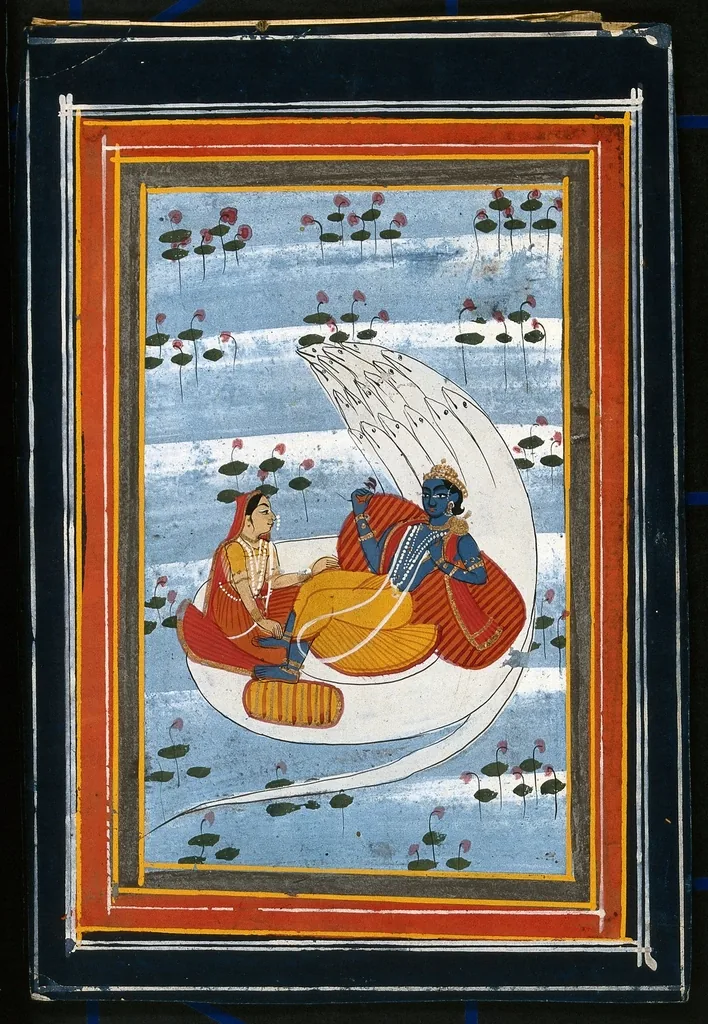
The eleventh tithi of the waning moon (Krishna Paksha) in the month of Jyeshtha, usually in May or June. In amanta calendars the same day is named for Vaishakha. Check a panchang (drikpanchang.com) for your city for the date and paran time.
Vishnu · Krishna Paksha Ekadashi
ज्येष्ठ (Jyeshtha)
व्रत कथा The katha
Sources disagree on the Purana (Padma or Brahmavaivarta). The king is also written Mahidhwaj or Mahadhwaj. In one popular printed version Dhaumya advises the brother to keep the fast; we follow the commoner telling in which the sage keeps it himself and gives the merit to the ghost-king.
कथा (हिंदी)
युधिष्ठिर ने जब श्रीकृष्ण से ज्येष्ठ मास के कृष्ण पक्ष की एकादशी के बारे में पूछा, तो भगवान ने कहा कि इसका नाम अपरा है। कुछ लोग इसे अचला एकादशी भी कहते हैं। श्रीकृष्ण ने कहा कि मैं यह कथा जगत के कल्याण के लिए सुनाता हूँ। इस दिन त्रिविक्रम रूप में भगवान विष्णु का पूजन किया जाता है।
बहुत पुरानी बात है। एक राज्य में महीध्वज नाम के राजा थे। वे धर्मात्मा थे और प्रजा को पुत्र की तरह रखते थे। उनके छोटे भाई का नाम वज्रध्वज था। वह क्रूर, अन्यायी और अधर्मी था। बड़े भाई का सुयश और सुख देखकर उसके मन में ईर्ष्या की आग जलती रहती थी।
एक दिन उसने मौका पाकर राजा की हत्या कर दी। फिर उसने शव को छिपाने के लिए जंगल में एक पीपल के पेड़ के नीचे गाड़ दिया और लौट आया। किसी को पता नहीं चला कि राजा के साथ क्या हुआ। परंतु अकाल मृत्यु के कारण धर्मात्मा राजा को सद्गति नहीं मिली। वे प्रेत बनकर उसी पीपल पर रहने लगे।
वह प्रेत उस रास्ते से गुजरने वालों को डराता और परेशान करता था। लोग उस वन के पास जाने से कतराने लगे। पीपल की डालों पर वह दुखी आत्मा रात-दिन भटकती रहती थी, न आगे जा पाती थी और न शांत हो पाती थी।
एक दिन धौम्य ऋषि उसी वन से निकले। उन्होंने पेड़ पर उस प्रेत को देखा। अपनी तपस्या की शक्ति से उन्होंने पूरा हाल जान लिया कि यह कोई साधारण प्रेत नहीं, बल्कि अन्याय से मारा गया राजा महीध्वज है। ऋषि को करुणा आई। उन्होंने उसे पीपल से नीचे उतारा और परलोक की विद्या का उपदेश दिया ताकि उसके मन का भय और बेचैनी शांत हो।
इसके बाद ऋषि ने राजा को प्रेत योनि से मुक्त कराने का संकल्प किया। उन्होंने स्वयं ज्येष्ठ कृष्ण पक्ष की अपरा एकादशी का व्रत किया, रात भर विष्णु का स्मरण किया और अगले दिन अपने उस व्रत का सारा पुण्य उस प्रेत को अर्पित कर दिया।
पुण्य के प्रभाव से राजा प्रेत के शरीर से मुक्त हो गए। उन्हें दिव्य देह मिली। उन्होंने हाथ जोड़कर ऋषि को प्रणाम किया, उनका धन्यवाद किया और पुष्पक विमान पर बैठकर स्वर्ग लोक को चले गए।
श्रीकृष्ण ने युधिष्ठिर से कहा कि यह व्रत पाप रूपी वृक्ष को काटने वाली कुल्हाड़ी के समान है। इसके प्रभाव से प्रेत योनि, निंदा, झूठ बोलने और झूठी गवाही जैसे दोषों के बंधन कटते हैं। जो इस कथा को सुनता है या पढ़ता है, वह भी सब पापों से छूट जाता है। जो भगवान की श्रद्धा से इस व्रत को करता है, उसे विष्णु लोक की प्राप्ति होती है और इस जन्म में भी धन और सुयश बढ़ता है।
साधक इस कथा से एक भाव लेकर चलते हैं कि कोई भी पुण्य केवल अपने लिए नहीं होता। ऋषि ने जो कमाया था, उसे दूसरे की मुक्ति के लिए दे दिया। इसी भावना से अपरा एकादशी पर अन्न, जल और वस्त्र का दान करने की परंपरा चली आती है।
The katha (English)
When Yudhishthira asked Krishna about the Ekadashi of the dark half of Jyeshtha, the Lord told him that its name is Apara. Some people also call it Achala Ekadashi. Krishna said he was telling the story for the good of all beings. On this day, Vishnu is worshipped in his Trivikrama form, the Lord who crossed the worlds in three steps.
Long ago, in a certain kingdom, there lived a king called Mahidhwaj. He was righteous, and he treated his subjects the way a father treats his children. His younger brother Vajradhwaj was a different man: cruel, unjust and without any sense of dharma. Seeing his elder brother's good name and peace, he burned with envy day and night.
One day he found his chance and killed the king. To hide what he had done, he buried the body in a forest beneath a peepal tree and went home. Nobody learned what had happened. But because the king had died such a violent and untimely death, he did not reach a good rebirth. He became a restless spirit and began living on that same peepal tree.
The ghost frightened and troubled anyone who passed that way, and people began to avoid the forest. Up in the branches the unhappy soul wandered through every night and day, unable to move on, unable to find peace. The tradition lingers on this sorrow: a righteous ruler, killed unjustly and left without rites, caught between two worlds.
Then the sage Dhaumya happened to walk through that forest. He noticed the spirit in the tree. By the power of his austerities he saw the whole matter at once: this was no ordinary ghost but King Mahidhwaj, killed by injustice. Compassion rose in the sage. He brought the spirit down from the peepal and taught him the wisdom of the world beyond, so that his fear and agitation might settle.
Dhaumya then resolved to set the king free from the ghost's state. He himself kept the Apara fast of that waning moon, remembered Vishnu through the night, and on the following day gave the whole merit of his fast to the suffering spirit.
Through that gift the king was released from his ghostly body and given a shining divine one. With folded hands he bowed to the sage and thanked him, then sat in the Pushpak aerial chariot and rose to heaven.
Krishna told Yudhishthira that this vow is like an axe that fells the tree of sin. It cuts the knots of a ghost's life, of slander, lying and false witness. Whoever hears or reads this story is also freed from all faults, so the books advise that the katha be listened to on the day of the fast itself, and whoever keeps the fast with faith reaches Vishnu's world while gaining wealth and good name in this life.
Seekers carry away one thought from the tale: no merit is meant to be kept only for oneself. The sage gave away what he had earned so that another could be freed. That same spirit is why people give grain, water and clothes in charity on Apara Ekadashi. You may like to use the evening to remember any relative who left before their time, with a lamp and a quiet prayer for their peace, since this katha is all about helping the departed.
Traditional source: As told by Krishna to Yudhishthira in common vrat-katha books; attributed in different books to the Padma Purana or the Brahmavaivarta Purana
क्या खाएँ · What to eat
- Fruit, milk, curd and dry fruit
- Kuttu, singhara, sabudana or sama rice with rock salt if you take phalahar
- Tulsi water and plain water, or none for a strict nirjala fast
- A sattvic meal on Dashami without onion or garlic
क्या छोड़ें · What to avoid
- Rice, wheat, other grains and pulses
- Onion, garlic, meat and alcohol
- Anger, backbiting and lying
- Sleeping in the day
नियम How the day is kept
- Wake before dawn, bathe and wear clean clothes
- Worship Vishnu in his Trivikrama form with a ghee lamp, yellow flowers and tulsi
- Chant Om Namo Bhagavate Vasudevaya and hear the katha
- Spend the day in bhajan, quiet reading or stillness
- Give grain, water pots and clothes in daan
पारण और उद्यापन Breaking the fast
Break the fast on Dwadashi morning after sunrise, during the paran time your panchang lists for your city and never in Hari Vasara. Offer tulsi water to Vishnu, feed a Brahmin or someone in need first, and begin your own meal with light homecooked food.
आरती और पूजा Aarti and puja
End the puja by singing Om Jai Jagdish Hare in front of Vishnu, with the lamp turning slowly in front of him.
प्रश्न Questions, answered
Why is Apara Ekadashi also called Achala Ekadashi?
Achala means unshaking. The tradition says the merit of the day stays firm. Apara is also read as boundless, for the endless fruit of the fast.
Which form of Vishnu is worshipped?
Vishnu as Trivikrama, the form that measured the worlds in three strides.
What is the story of the ghost on the peepal tree?
A murdered king, Mahidhwaj, became a ghost on the tree where his brother buried him. Sage Dhaumya fasted on Apara Ekadashi and gave the merit to him, and he went to heaven.
Which grains are avoided?
Rice, wheat and all pulses, along with onion and garlic. Fruit, milk and rock-salt phalahar are the usual food.
When does Apara Ekadashi come each year?
It always falls on Jyeshtha Krishna Ekadashi, around May or June. The day changes yearly, so check a panchang for your city.
तिथि और पारण का समय हर शहर में अलग होता है; अपने शहर का पंचांग (drikpanchang.com) देखें। कुल की परंपरा सर्वोपरि है। Dates change every year, so check a panchang for your city. If you are unwell, pregnant or on medicine, keep the fast in a lighter way.
Hear it in Braj. Laladham picks you up in Delhi and runs the complete trip, so you can keep your vrat where the stories happened.
Plan my trip