Vishnu · एकादशी
वरूथिनी एकादशी व्रत कथा
Varuthini Ekadashi Vrat Katha
Varuthini Ekadashi katha: King Mandhata, the bear in the Narmada forest and Vishnu's cure. Read the full story, fasting rules, paran and common questions.
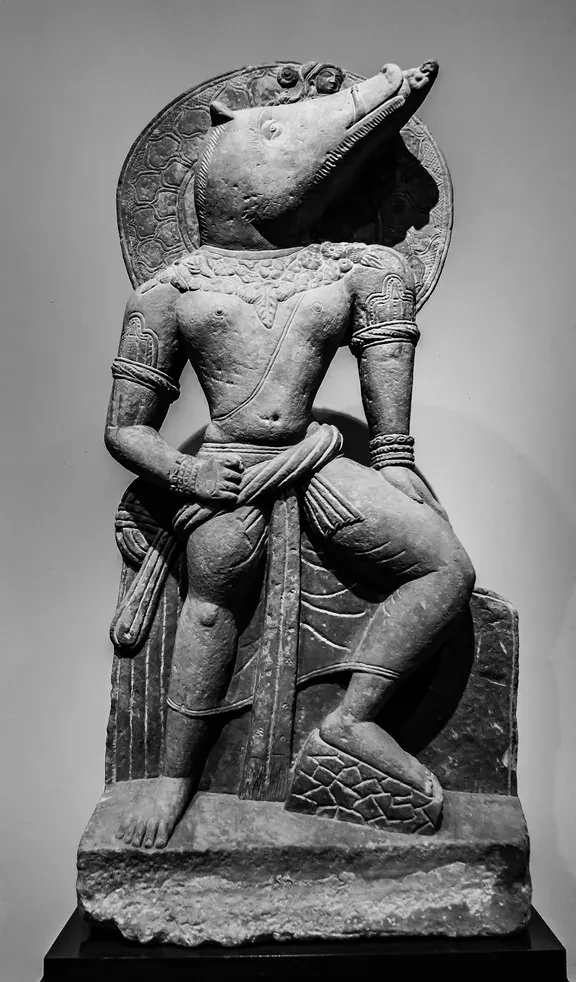
The eleventh tithi of the waning moon (Krishna Paksha) in the month of Vaishakha, which falls in April or May. In amanta calendars the same day is named for Chaitra. Check a panchang (drikpanchang.com) for your city for the exact day and the paran window.
Vishnu · Krishna Paksha Ekadashi
वैशाख (Vaishakha)
व्रत कथा The katha
Printed versions agree on King Mandhata, the bear, Vishnu's discus, Mathura and Varaha worship. Some say the bear only wounded him, most say it ate his foot; we follow the commoner telling. The previous-life fault is never named in the sources.
कथा (हिंदी)
कहते हैं कि युधिष्ठिर ने भगवान श्रीकृष्ण से पूछा कि वैशाख मास के कृष्ण पक्ष की एकादशी का क्या नाम है, उसकी विधि क्या है और उसका माहात्म्य क्या है। चैत्र शुक्ल की कामदा एकादशी सुन लेने के बाद उनकी जिज्ञासा और बढ़ गई थी। श्रीकृष्ण ने मुस्कुराकर कहा कि हे राजन्, इस एकादशी का नाम वरूथिनी है। यह सौभाग्य देने वाली है, पापों को जला देती है और अंत में मोक्ष तक पहुँचाती है। इसकी महिमा समझने के लिए मैं तुम्हें एक पुरानी कथा सुनाता हूँ।
प्राचीन काल में नर्मदा नदी के किनारे मान्धाता नाम के एक राजा राज्य करते थे। वे बड़े दानी थे और उतने ही बड़े तपस्वी भी। राजसी वैभव के बीच रहकर भी उनका मन तप में लगा रहता था। एक बार वे राजकाज से अलग होकर वन में तपस्या करने बैठ गए। आँखें बंद थीं, मन भगवान में टिका था और देह की सुध तक नहीं थी।
तभी वन का एक जंगली भालू वहाँ आ पहुँचा। उसने राजा का पैर पकड़कर चबाना शुरू कर दिया। फिर वह उन्हें घसीटता हुआ घने जंगल के और भीतर ले गया। पीड़ा असहनीय थी, फिर भी राजा न चीखे, न क्रोध किया और न भालू को मारने के लिए हाथ उठाया। तपस्वी का धर्म निभाते हुए उन्होंने मन ही मन करुणा भरी पुकार से भगवान विष्णु को याद किया और अपनी रक्षा की प्रार्थना की।
भक्त की पुकार सुनकर श्रीहरि वहाँ प्रकट हुए। उन्होंने अपने सुदर्शन चक्र से उस भालू का वध कर दिया। परंतु तब तक भालू राजा का पैर खा चुका था। अपना कटा हुआ अंग देखकर राजा बहुत दुखी हुए और शोक में डूब गए। उनकी आँखों से आँसू बहने लगे और उन्हें लगा कि अब तपस्या कैसे होगी।
भगवान ने उन्हें धीरज बँधाया। वे बोले कि हे राजन्, शोक मत करो। यह जो कुछ हुआ, वह तुम्हारे पूर्व जन्म के किसी अपराध का फल है। इसका उपाय भी मेरे पास है। तुम मथुरा जाओ, वहाँ वरूथिनी एकादशी का व्रत श्रद्धा से करो और मेरे वराह अवतार की प्रतिमा की पूजा करो। इस व्रत की शक्ति से तुम्हारे सब अंग फिर पूर्ण हो जाएँगे।
मान्धाता ने भगवान की आज्ञा को सिर पर रखा। वे मथुरा पहुँचे, वहाँ नियम से उपवास किया, वराह भगवान का पूजन किया और रात्रि में जागरण भी किया। कथा कहती है कि व्रत पूरा होते ही उनका शरीर फिर से सुंदर और संपूर्ण हो गया, मानो कुछ हुआ ही न था। जो अंग खो गया था, वह लौट आया।
आगे चलकर वही राजा इस व्रत के पुण्य से स्वर्ग को प्राप्त हुए। श्रीकृष्ण ने युधिष्ठिर से कहा कि जो भी मनुष्य भय से घिरा हो या किसी कष्ट में हो, वह श्रद्धापूर्वक वरूथिनी एकादशी का व्रत करे और भगवान विष्णु का स्मरण करे। उसके पाप कटते हैं और अंत में उसे मुक्ति का मार्ग मिलता है। जो इस कथा को सुनता या पढ़ता है, उसे हजार गौदान जितना पुण्य मिलता है, ऐसा कहा जाता है।
इस कथा से साधक यह सीखते हैं कि कठिन से कठिन घड़ी में भी मन को क्रोध से बचाकर प्रभु की ओर मोड़ना ही सबसे बड़ी तपस्या है। राजा ने बदला नहीं लिया, केवल पुकारा, और पुकार का उत्तर आया। इसलिए इस दिन के व्रती सादा भोजन, ब्रह्मचर्य, सच बोलना और दूसरों के प्रति दया का नियम रखते हैं।
The katha (English)
It is said that Yudhishthira once asked Lord Krishna about the Ekadashi that comes in the dark half of Vaishakha. He wanted to know its name, how it is kept, and what it gives. He had just heard about Kamada Ekadashi of Chaitra and his curiosity had only grown. Krishna replied that this day is called Varuthini Ekadashi. It brings good fortune, burns away sins, and in the end leads the soul toward liberation. To show its power, he told an old story.
Long ago, on the banks of the Narmada river, there ruled a king named Mandhata. He was generous with his gifts and equally devoted to austerity. Even among royal comforts his heart stayed fixed on tapasya. One day he stepped away from the affairs of state and sat down to meditate in a forest, eyes closed, mind resting on God, with no thought left for his own body.
A wild bear wandered up to him at that moment. It seized his leg and began to chew it, and then it dragged him deeper into the thick woods. The pain must have been terrible, yet the king did not cry out, did not rage, and did not lift a hand to strike the animal. As a true ascetic should, he turned inward and called to Vishnu with a sorrowful heart, asking only for protection.
Hearing the cry of his devotee, Shri Hari appeared. He struck down the bear with his Sudarshan discus. But the damage had already been done, for the beast had devoured the king's foot. Seeing the missing limb, Mandhata was overcome with grief, and tears ran down his face as he wondered how he could ever sit in worship again.
The Lord comforted him gently. He told the king not to mourn, explaining that this suffering came from some fault committed in a former birth. Then he gave the remedy. Mandhata was to go to Mathura, keep the Varuthini Ekadashi fast with faith, and worship the image of Vishnu in his Varaha, or boar, form. By the strength of that vow, said the Lord, every limb would be made whole again.
The king bowed and obeyed. He travelled to Mathura, fasted according to the rule, offered worship to Varaha, and stayed awake through the night. The tradition says that when the vow was complete, his body became beautiful and entire once more, as though nothing had ever befallen him. What he had lost came back to him.
Later, through the merit of this very fast, Mandhata reached heaven. Krishna told Yudhishthira that anyone gripped by fear or hardship should keep Varuthini Ekadashi with faith and remember Vishnu. Their sins are cut away and a path to freedom opens in the end. Those who read or hear this account are said to receive the merit of giving a thousand cows in charity.
Seekers draw a quiet lesson from the story. In the worst hour, the highest austerity is to keep anger away and turn the mind toward God. The king took no revenge and simply called out, and the call was answered. There is comfort here for anyone who has lost something they cannot replace: the story says that faith, patience and a single honest fast can restore what seemed gone for good. So those who keep this fast hold to plain food, self-control, truthful speech and kindness toward others for the day.
Traditional source: Bhavishyottara Purana, as told in common vrat-katha books (Krishna to Yudhishthira)
क्या खाएँ · What to eat
- Fruit, milk, curd and dry fruit through the day
- Sendha (rock) salt dishes made from kuttu, singhara or sama rice if you take a light phalahar
- One simple sattvic meal on Dashami before the fast
- Tulsi water at paran
क्या छोड़ें · What to avoid
- Rice, wheat, other grains and all pulses
- Onion, garlic, meat and alcohol
- Anger, quarrels and harsh speech
- Daytime sleep and idle gossip
- Oil massage and shaving on the fasting day
नियम How the day is kept
- Wake before sunrise, bathe and wear clean yellow clothes
- Make a sankalp and worship Vishnu or Varaha with a ghee lamp, yellow flowers and tulsi
- Read or hear this katha during the day
- Keep a night jagran with bhajan or Vishnu Sahasranama
- Give food, a pot of water or clothes in daan on Dwadashi
पारण और उद्यापन Breaking the fast
Break the fast on Dwadashi morning, after sunrise and inside the paran window your panchang gives for your city. Do not break it during Hari Vasara, the first quarter of Dwadashi. Bathe, offer water and tulsi to Vishnu, feed a Brahmin or a hungry person if you can, then eat a light first meal of homecooked food such as khichdi or fruit before returning to normal meals.
Families who vow to complete the cycle of a year of Ekadashis may close with a Vishnu puja and feeding of Brahmins, but a single Varuthini fast needs no separate udyapan.
आरती और पूजा Aarti and puja
Close the evening puja by singing Om Jai Jagdish Hare before Vishnu or Varaha, with the lamp circled slowly and everyone at home joining.
Mathura is where the king went to be healed, and Laladham can pick you up in Delhi and drive you there for a complete trip with Vrindavan and Govardhan alongside. Plan this trip
प्रश्न Questions, answered
When is Varuthini Ekadashi?
It falls on the Ekadashi of the waning moon in Vaishakha, usually April or May. The exact date shifts each year, so check a panchang for your city.
Which god is worshipped on Varuthini Ekadashi?
Lord Vishnu, and in this katha especially his Varaha avatar, whose image King Mandhata worshipped in Mathura.
Can I eat fruit on Varuthini Ekadashi?
Yes. Most families take fruit, milk and sendha-salt dishes. A stricter fast without food or water is also kept, but is not required.
What is the benefit of this vrat?
The katha says it gives good fortune, removes sins and fear, and leads to liberation. Hearing the story is said to equal giving a thousand cows.
Should the fast be broken at any time on Dwadashi?
No. Break it in the paran window after sunrise and outside Hari Vasara, as given in your local panchang.
तिथि और पारण का समय हर शहर में अलग होता है; अपने शहर का पंचांग (drikpanchang.com) देखें। कुल की परंपरा सर्वोपरि है। Dates change every year, so check a panchang for your city. If you are unwell, pregnant or on medicine, keep the fast in a lighter way.
Hear it in Braj. Laladham picks you up in Delhi and runs the complete trip, so you can keep your vrat where the stories happened.
Plan my trip