Vishnu · एकादशी
मोहिनी एकादशी व्रत कथा
Mohini Ekadashi Vrat Katha
Mohini Ekadashi katha: Vashishtha tells Rama of Dhrishtabuddhi, the merchant's wayward son who found freedom through one fast. Full story, rules and paran.
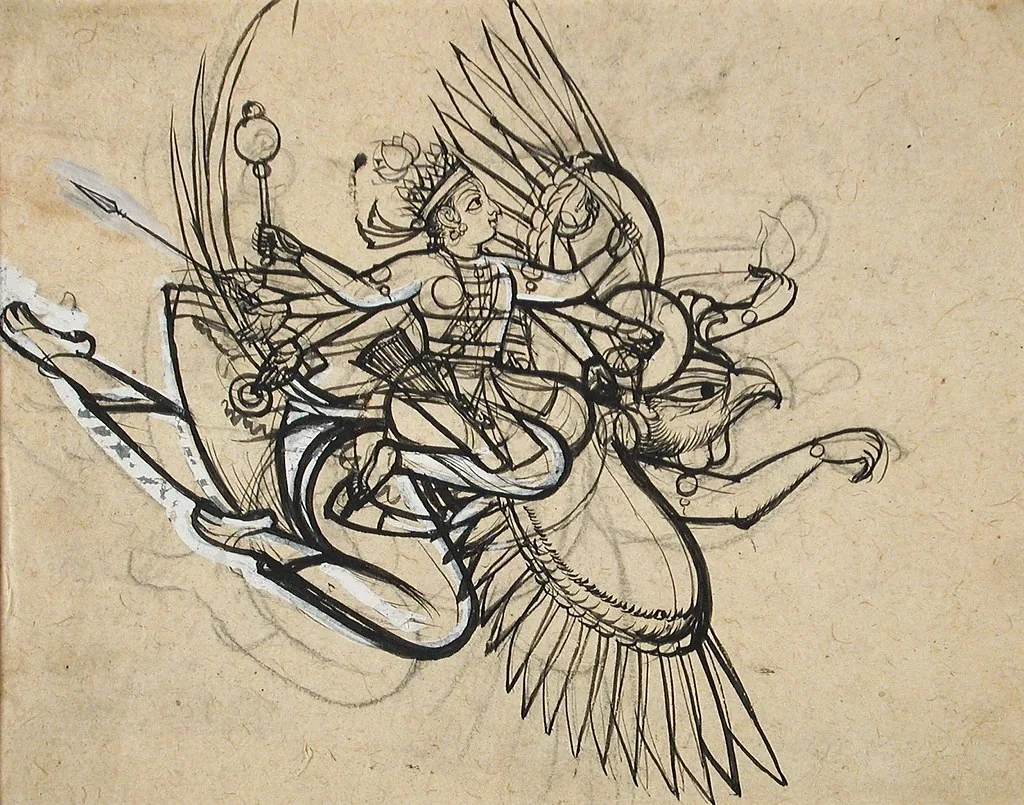
The eleventh tithi of the waxing moon (Shukla Paksha) in the month of Vaishakha, usually in May. Check a panchang (drikpanchang.com) for your city for the fasting day and the paran time on Dwadashi.
Vishnu · Shukla Paksha Ekadashi
वैशाख (Vaishakha)
व्रत कथा The katha
Most printed books give the merchant Dhanpal and the sage Kaundinya, as here. Some modern retellings leave out King Dyutiman or call Dhrishtabuddhi the youngest son; we follow the telling with five sons and Dhrishtabuddhi as the fifth. Do not confuse this with the Mohini avatar story of the churning of the ocean, which is a separate tradition for which the day is also named.
कथा (हिंदी)
कथा आरंभ होती है युधिष्ठिर के प्रश्न से। उन्होंने श्रीकृष्ण से पूछा कि वैशाख मास के शुक्ल पक्ष की एकादशी का क्या नाम है और उसकी कथा क्या है। श्रीकृष्ण बोले कि इसे मोहिनी एकादशी कहते हैं, और यही कथा कभी महर्षि वशिष्ठ ने श्रीरामचंद्र जी को सुनाई थी। उस समय राम सीता के वियोग के दुख में डूबे थे। उन्होंने अपने गुरु से कहा कि कोई ऐसा व्रत बताइए जो सारे पाप और सारे शोक का नाश कर दे।
वशिष्ठ जी ने कहा कि हे राम, तुमने जगत के भले का प्रश्न पूछा है। वैशाख शुक्ल की एकादशी मोहिनी कहलाती है। इसका उपवास करने वाला मनुष्य पापों, दुखों और मोह के जाल से छूट जाता है। इसे समझाने के लिए वे एक पुरानी कथा कहने लगे।
सरस्वती नदी के तट पर भद्रावती नाम की एक सुंदर नगरी थी। वहाँ चंद्रवंश में जन्मे राजा द्युतिमान राज्य करते थे। उसी नगर में धनपाल नाम का एक धनी वैश्य रहता था। वह विष्णु का भक्त था और परोपकार में आगे रहता था। उसने यात्रियों के लिए प्याऊ, कुएँ, तालाब और धर्मशालाएँ बनवाईं और सड़कों के किनारे आम, जामुन और नीम के पेड़ लगवाए।
धनपाल के पाँच पुत्र थे: सुमना, सद्बुद्धि, मेधावी, सुकृति और धृष्टबुद्धि। पाँचवाँ पुत्र धृष्टबुद्धि बड़ा पापी निकला। वह पितरों और देवताओं को कुछ नहीं मानता था। बुरे लोगों और वेश्याओं की संगति में रहता, जुआ खेलता, मदिरा पीता और मांस खाता था। पिता की कमाई वह इसी तरह उड़ाता रहा।
आखिर पिता का धैर्य टूट गया और उन्होंने उसे घर से निकाल दिया। उसने अपने गहने और कपड़े बेचकर कुछ दिन काटे। जब पैसे और साथी दोनों छूट गए तो भूख से व्याकुल होकर वह चोरी करने लगा। एक बार पकड़ा गया, पर वैश्य का पुत्र जानकर चेतावनी देकर छोड़ दिया गया। दूसरी बार पकड़े जाने पर राजा की आज्ञा से कैद हुआ और कड़ी सजा मिली। अंत में राजा ने उसे नगर से बाहर निकाल दिया।
वन में पहुँचकर उसने पशु-पक्षियों को मारकर खाना शुरू किया और धीरे-धीरे धनुष-बाण लिए शिकारी बन गया। एक दिन भूख और प्यास से बेहाल घूमते हुए वह कौंडिन्य ऋषि के आश्रम में जा पहुँचा। वैशाख का महीना था और ऋषि गंगा स्नान करके लौटे थे। उनके भीगे वस्त्रों की कुछ बूँदें धृष्टबुद्धि पर पड़ गईं। उन बूँदों के स्पर्श से उसके भीतर थोड़ी सद्बुद्धि जागी।
उसने हाथ जोड़कर ऋषि से कहा कि मैंने बहुत पाप किए हैं, कोई ऐसा सरल उपाय बताइए जिसमें धन भी न लगे और मैं पापों से छूट जाऊँ। ऋषि को दया आई। उन्होंने कहा कि तुम वैशाख शुक्ल पक्ष की मोहिनी एकादशी का व्रत करो। यह अनेक जन्मों के पाप, यहाँ तक कि सुमेरु पर्वत जैसे बड़े पाप भी नष्ट कर देती है।
धृष्टबुद्धि ने ऋषि के बताए नियम से व्रत किया। उसके सब पाप धुल गए और अंत में वह गरुड़ पर सवार होकर विष्णुलोक को गया। वशिष्ठ जी ने राम से कहा कि यह व्रत मोह और भ्रम को दूर करता है, और संसार में इससे श्रेष्ठ कोई व्रत नहीं है। जो इसकी महिमा सुनता या पढ़ता है, उसे हजार गौदान का फल मिलता है, ऐसी मान्यता है।
The katha (English)
The story begins with a question from Yudhishthira. He asked Krishna for the name and the tale of the Ekadashi that falls in the bright half of Vaishakha. Krishna answered that it is called Mohini Ekadashi, and that Sage Vashishtha once told its story to Shri Ramachandra. Rama was then weighed down by grief at being parted from Sita. He asked his teacher for a vow that would wipe away all sin and all sorrow.
Vashishtha praised the question as one that serves the whole world. He said the Ekadashi of Vaishakha's bright fortnight is known as Mohini, and a person who fasts on it is freed from sins, from suffering and from the web of attachment. To show how, he began an old tale.
On the bank of the Saraswati stood a lovely city named Bhadravati, ruled by King Dyutiman of the lunar line. In that city lived a wealthy merchant called Dhanpal, a devotee of Vishnu who loved to do good. He built water stalls, wells, ponds and rest houses for travellers, and planted mango, jamun and neem trees along the roads so that walkers might find shade.
Dhanpal had five sons: Sumana, Sadbuddhi, Medhavi, Sukriti and Dhrishtabuddhi. The fifth turned out to be a great sinner. He had no respect for his ancestors or the gods, kept the company of bad men and dancing women, gambled, drank wine and ate meat. All of his father's earnings went the same way.
At last the father's patience broke, and he drove the boy out of the house. For a while the young man lived by selling his jewels and clothes. When the money was gone and his friends had gone with it, hunger pushed him to steal. Caught once, he was let go with a warning because he was a merchant's son. Caught again, he was jailed by the king's order and punished hard. In the end he was banished from the city.
In the forest he began killing and eating birds and beasts, and slowly became a hunter with bow and arrows. One day, faint with hunger and thirst, he wandered into the ashram of Sage Kaundinya. It was the month of Vaishakha and the sage had just come back from bathing in the Ganga. A few drops from his wet clothes fell on the hunter, and as they touched him, a little good sense woke in his mind.
Folding his hands, he told the sage that he had sinned greatly and begged for an easy remedy that would cost no money. Kaundinya felt pity. He told him to keep this Mohini fast of the waxing moon, saying that it burns up the faults of many births, even ones as heavy as Mount Meru.
Dhrishtabuddhi followed the sage's instructions and kept the fast. Every sin was washed away, and at the end of his life he rode Garuda to the realm of Vishnu. Vashishtha closed by telling Rama that this vow removes delusion and that no other vow in the world is greater. Hearing or reading its glory is said to bring the merit of giving a thousand cows. Seekers often note how gently the story treats a person who had fallen so low: no lecture, no scolding, only a simple path back, offered the moment he asked for it with folded hands.
Traditional source: As told by Vashishtha to Rama (Krishna to Yudhishthira) in common vrat-katha books
क्या खाएँ · What to eat
- Fruit, milk, curd and dry fruit
- Light phalahar made with kuttu, singhara or sama rice and rock salt
- Tulsi water and coconut water
- One sattvic meal on Dashami with no grains in the evening
क्या छोड़ें · What to avoid
- Rice, wheat, pulses and all grains
- Onion, garlic, meat and alcohol
- Gambling, quarrels and harsh words
- Sleeping in the daytime
नियम How the day is kept
- Bathe early and take the vow to fast
- Worship Vishnu with a ghee lamp, yellow flowers and tulsi leaves
- Read or hear the katha and chant a Vishnu mantra
- Sing the aarti and share prasad with the family
- Stay awake with bhajan at night if you can
- Give food or clothes in charity
पारण और उद्यापन Breaking the fast
Break the fast on Dwadashi after sunrise, within the paran window for your city and not during Hari Vasara. Bathe, offer tulsi and water to Vishnu, give something to a Brahmin or a hungry person, then take a plain, light meal of homecooked food before the normal diet returns.
आरती और पूजा Aarti and puja
Sing Om Jai Jagdish Hare as the evening aarti to Vishnu, and offer the lamp together with the whole family.
प्रश्न Questions, answered
When is Mohini Ekadashi?
On the Shukla Paksha Ekadashi of Vaishakha, usually in May. Look up the exact day and paran time for your city on a panchang.
Who told the Mohini Ekadashi katha?
In the printed books, Krishna tells it to Yudhishthira, and inside it Sage Vashishtha tells it to Rama.
Is Mohini Ekadashi connected to the Mohini avatar?
The day is named Mohini, and many families remember Vishnu's Mohini form too, but the katha itself is about the merchant's son Dhrishtabuddhi and Sage Kaundinya.
What can I eat on Mohini Ekadashi?
Fruit, milk, nuts and grain-free phalahar with rock salt. Avoid rice, wheat, pulses, onion and garlic.
What does the katha promise?
Freedom from sins of many births, release from delusion and attachment, and a place in Vishnu's world.
तिथि और पारण का समय हर शहर में अलग होता है; अपने शहर का पंचांग (drikpanchang.com) देखें। कुल की परंपरा सर्वोपरि है। Dates change every year, so check a panchang for your city. If you are unwell, pregnant or on medicine, keep the fast in a lighter way.
Hear it in Braj. Laladham picks you up in Delhi and runs the complete trip, so you can keep your vrat where the stories happened.
Plan my trip