Vishnu · एकादशी
मोक्षदा एकादशी व्रत कथा
Mokshada Ekadashi Vrat Katha
Mokshada Ekadashi katha: King Vaikhanasa dreams of his father in hell and frees him through Sage Parvata's advice. Also Gita Jayanti, rules, parana and FAQs.
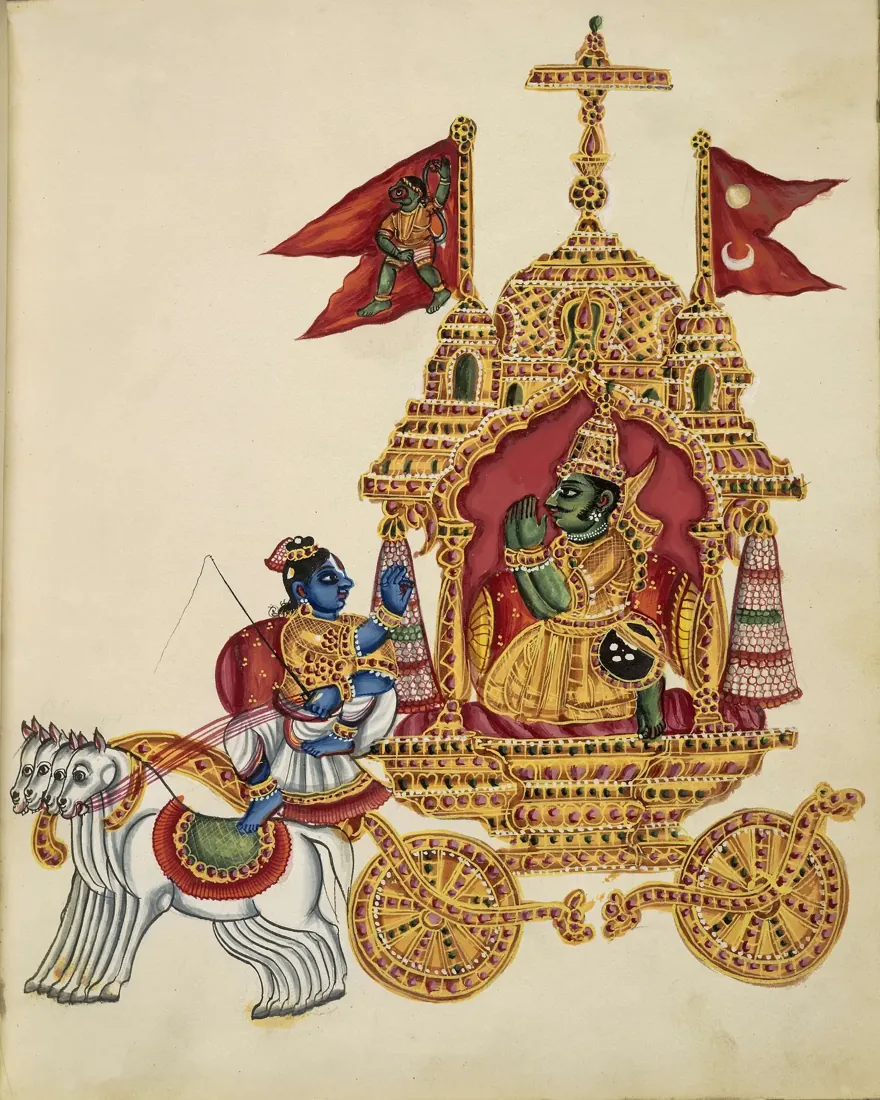
On the eleventh tithi of the bright fortnight (Shukla Paksha) of Margashirsha, in the purnimanta reckoning, usually in late November or December. The same tithi is remembered as Gita Jayanti. Check a panchang (drikpanchang.com) for your city for the exact day and the parana window.
Vishnu · Shukla Paksha Ekadashi
मार्गशीर्ष (Margashirsha)
व्रत कथा The katha
Printed versions disagree on the king's city: Champaka in the commoner telling, Gokul in BhaktiBharat's, and an unnamed ancient city on Drik Panchang. We left the city open. The Gita Jayanti link is the traditional belief that Krishna spoke the Gita on this tithi.
कथा (हिंदी)
मार्गशीर्ष मास के शुक्ल पक्ष की एकादशी को मोक्षदा कहते हैं। कथा है कि अर्जुन ने श्रीकृष्ण से इसका नाम और महिमा पूछी, तब भगवान ने कहा कि हे पार्थ, इस तिथि का व्रत पापों को काटता है और यह मोक्ष देने वाली है, इसीलिए इसका नाम मोक्षदा पड़ा। इस दिन दामोदर रूप में श्रीहरि का पूजन धूप, दीप और नैवेद्य से करना चाहिए। इस व्रत की विशेषता यह बताई गई है कि यह नरक में पड़े पितरों को भी मुक्ति दिला सकता है। फिर भगवान ने एक पुराना प्रसंग सुनाया।
बहुत पहले एक नगर में वैखानस नाम का राजा राज करता था। उसके राज्य में चारों वेदों के जानने वाले ब्राह्मण बसते थे, और राजा अपनी प्रजा को अपनी संतान की तरह पालता था। न्याय में वह कठोर नहीं था, दया में कम नहीं था। कुछ पुस्तकों में उस नगर का नाम चंपक कहा गया है, और कुछ में गोकुल, इसलिए सच यह है कि नाम पर सब एकमत नहीं हैं, पर कथा सबमें एक ही है।
एक रात राजा ने सपना देखा कि उसके पिता नरक की यातना भोग रहे हैं। वे बेटे को पुकार कर कह रहे थे कि पुत्र, मुझे यहाँ से निकालो। राजा की नींद टूट गई और उसका मन व्याकुल हो उठा। सुबह होने पर उसे राज्य, धन, परिवार और सुख की चीज़ों में कोई रस नहीं रहा। जिस पिता ने उसे पाला, वही कष्ट में है, यह सोचकर वह चैन से बैठ नहीं पाता था।
उसने विद्वान ब्राह्मणों को बुलाया और अपना सपना सुनाया। ब्राह्मणों ने सोचा और कहा कि हे राजन, पास ही पर्वत मुनि का आश्रम है। वे भूत, वर्तमान और भविष्य सब जानते हैं। आप उन्हीं के पास जाइए, वे ही आपका संशय मिटाएँगे। राजा उसी समय आश्रम की ओर चल पड़ा और पर्वत मुनि के चरणों में प्रणाम करके अपने मन की बेचैनी बताई।
मुनि ने आँखें बंद कीं और अपने योग की दृष्टि से राजा के पिता का पिछला जन्म देखा। फिर बोले कि हे राजन, तुम्हारे पिता ने पिछले जन्म में एक भूल की थी। वे अपनी रानियों में से एक के पास ऋतुकाल में गए, पर जब दूसरी रानी ने भी वही माँगा तो सौत के कहने पर उन्होंने उसे मना कर दिया। उस अन्याय का फल यह हुआ कि वे नरक में पड़े हैं।
राजा ने हाथ जोड़कर पूछा कि भगवन, अब मैं क्या करूँ जिससे पिताजी इस पीड़ा से छूटें। मुनि ने शांत स्वर में कहा कि मार्गशीर्ष शुक्ल पक्ष की एकादशी का व्रत करो, जिसे मोक्षदा कहते हैं, और उसका पुण्य संकल्प करके अपने पिता को दे दो। उसी से उनकी मुक्ति होगी।
राजा महल लौटा और मुनि के कहे अनुसार रानी, पुत्रों और सब परिवार के साथ विधिपूर्वक मोक्षदा एकादशी का व्रत किया। रात को जागरण हुआ, श्रीहरि का नाम लिया गया और अगले दिन द्वादशी पर व्रत खोला गया। फिर राजा ने व्रत का सारा पुण्य अपने पिता के नाम संकल्प कर दिया।
कहते हैं कि उसी क्षण राजा के पिता नरक से छूट गए। वे स्वर्ग की ओर चले और जाते हुए अपने पुत्र को आशीर्वाद दिया कि बेटा, तेरा कल्याण हो। इस प्रकार राजा के एक व्रत से पिता की मुक्ति हुई, और पुत्र का कर्तव्य भी पूरा हुआ।
श्रीकृष्ण ने अर्जुन से कहा कि मोक्ष चाहने वालों के लिए इस व्रत से बड़ा कोई व्रत नहीं है। यह चिंतामणि के समान है, जो मन की इच्छा पूरी करता है। इस कथा को पढ़ने या सुनने वाले को बड़ा पुण्य मिलता है। परंपरा में यह भी माना जाता है कि इसी तिथि पर कुरुक्षेत्र के युद्धक्षेत्र में भगवान ने अर्जुन को गीता का उपदेश दिया था, इसीलिए इस दिन गीता जयंती भी मनाई जाती है। बहुत से लोग आज के दिन गीता का पाठ आरंभ करते हैं और रोज़ कुछ श्लोक पढ़ने का नियम लेते हैं।
The katha (English)
The Ekadashi of the bright fortnight of Margashirsha is called Mokshada, the giver of liberation. In the katha, Arjuna asks Krishna about its name and glory, and the Lord replies that this vow cuts sins at the root and that is why it is named so. On this day Shri Hari should be worshipped in his Damodara form with incense, lamps and offerings. Its special mark, he says, is that it can reach even those ancestors who have fallen into hell. Then he tells an old account.
Long ago a king named Vaikhanasa ruled a city whose Brahmins knew all four Vedas. He treated his subjects as his own children, and he was neither harsh in justice nor thin in mercy. Some printed versions call his capital Champaka and others call it Gokul. The books are not agreed on the name, but they all tell the same tale.
One night the king dreamed that his father was suffering in naraka. The old man cried out to his son and begged to be pulled out of that place. The king woke with a heavy heart. In the morning his kingdom, his wealth and his family gave him no joy at all, because the man who had raised him was in pain and he could do nothing.
He summoned the learned Brahmins and told them what he had seen. After thinking it over they said that the hermitage of Sage Parvata lay close by, and that the sage knew the past, the present and the future. They urged the king to go to him. He went at once, bowed low at the sage's feet and laid out his restlessness.
The sage closed his eyes and looked back through the king's father's earlier life by the power of yoga. He then spoke. In that earlier birth, he said, your father had made a mistake. One of his queens came to him at her proper time and he went to her, but when the other queen asked for the same, he turned her away on the urging of her rival. For that wrong he now lies in hell.
The king folded his hands and asked what he could do to free his father. The sage answered calmly: keep the Ekadashi of Margashirsha Shukla Paksha, which is Mokshada, and give its merit to your father with a solemn vow. By that his release will come.
Back at the palace, the king kept the fast with the queen, his sons and the whole household, exactly as the sage had said. They stayed awake through the night, spoke the name of Hari, and broke the fast the next day on Dwadashi. Then the king pledged all the merit of the vrat to his father.
It is said that in that very moment his father was loosed from hell. He rose towards heaven, blessing his son as he went, wishing him well. So a single fast set the father free and also completed the duty of a son.
Krishna told Arjuna that for seekers of liberation no vow stands higher than this one. It is like the wish-granting Chintamani jewel. Whoever hears or reads the story gains great merit. Tradition also holds that on this very tithi, on the battlefield of Kurukshetra, the Lord taught the Gita to Arjuna, and so the day is also kept as Gita Jayanti. Many devotees begin reading the Gita now and promise themselves a few verses every day.
Traditional source: Krishna to Arjuna, as told in common vrat-katha books and on Drik Panchang and BhaktiBharat
क्या खाएँ · What to eat
- Fruit, milk and curd
- Makhana, sabudana, kuttu or singhare flour
- Potato, sweet potato and arbi
- Rock salt (sendha namak) in small amounts
क्या छोड़ें · What to avoid
- Rice, wheat, other grains and pulses
- Onion, garlic, meat and alcohol
- Ordinary salt and fried street food
- Quarrels and harsh speech
नियम How the day is kept
- Take a light Dashami meal before sunset
- Bathe early and take the vow, naming your ancestors if you wish to give the merit to them
- Worship Vishnu or Damodara with a lamp, incense and tulsi
- Read or listen to the katha and, if you can, a chapter of the Gita
- Stay up chanting the name of Hari
- Give food, clothes or money in daan on Dwadashi
पारण और उद्यापन Breaking the fast
Break the fast on Dwadashi after sunrise, inside the parana time listed for your city and never in Hari Vasara. Start with water and a tulsi leaf, bow before the Vishnu picture, offer a meal to a Brahmin or someone in need, and then take a simple grain meal at home.
Families who keep the vow for ancestors often end the day by feeding a few Brahmins or poor guests and giving a Gita to a seeker. This is a custom, not a rule from the katha.
आरती और पूजा Aarti and puja
End the puja by singing Om Jai Jagdish Hare before the Vishnu or Krishna picture, then share the prasad with the family.
Kurukshetra, where Krishna is remembered to have spoken the Gita, is a short drive from Delhi, and Laladham can collect you from your door and take you there and back as one calm day trip. Plan this trip
प्रश्न Questions, answered
Why is Mokshada Ekadashi linked with Gita Jayanti?
Tradition holds that Krishna taught the Gita to Arjuna at Kurukshetra on the Margashirsha Shukla Ekadashi, so the same tithi is kept as Gita Jayanti.
Can the merit of Mokshada Ekadashi be given to ancestors?
The katha says so. The king gave the merit of his fast to his father with a vow, and the father was freed. Families repeat this by naming their ancestors at the sankalp.
Who is worshipped on Mokshada Ekadashi?
Shri Hari Vishnu, in the Damodara form as the katha names him, with incense, lamps, tulsi and naivedya.
Which sage guided King Vaikhanasa?
Sage Parvata, whose hermitage was near the city. He saw the earlier life of the king's father and prescribed this vrat.
What is the difference between Mokshada and other Margashirsha Ekadashis?
Margashirsha has two: Utpanna in the dark fortnight and Mokshada in the bright. Utpanna tells how Ekadashi was born, Mokshada is about liberation and the Gita.
तिथि और पारण का समय हर शहर में अलग होता है; अपने शहर का पंचांग (drikpanchang.com) देखें। कुल की परंपरा सर्वोपरि है। Dates change every year, so check a panchang for your city. If you are unwell, pregnant or on medicine, keep the fast in a lighter way.
Hear it in Braj. Laladham picks you up in Delhi and runs the complete trip, so you can keep your vrat where the stories happened.
Plan my trip