Vishnu · एकादशी
सफला एकादशी व्रत कथा
Saphala Ekadashi Vrat Katha
Saphala Ekadashi katha: banished prince Lumpaka keeps the fast without knowing it under a peepal tree and is made whole. Rules, parana and common questions.
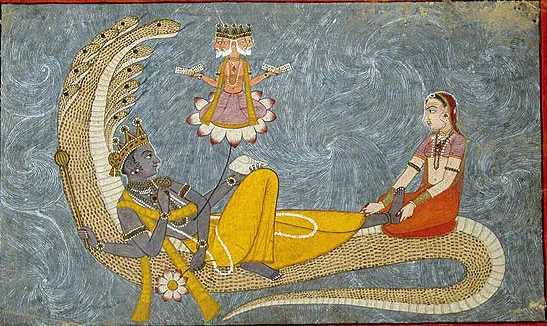
On the eleventh tithi of the dark fortnight (Krishna Paksha) of Pausha, in the purnimanta reckoning, in the cold weeks of December or January. Check a panchang (drikpanchang.com) for your city for the exact day and the parana window.
Vishnu · Krishna Paksha Ekadashi
पौष (Pausha)
व्रत कथा The katha
The king's name is Mahishmat in most books and Mahishmana in one. After the night vigil a celestial chariot arrives in one telling and a decorated horse in another; we mention both. The books do not explain the name Saphala within the story, so the closing line gives the commonly understood meaning, 'fruitful'. Some regional calendars (amanta) call this a Margashirsha Ekadashi.
कथा (हिंदी)
पौष मास के कृष्ण पक्ष की एकादशी को सफला कहते हैं। कथा के अनुसार युधिष्ठिर ने श्रीकृष्ण से पूछा कि इस महीने की एकादशी का क्या नाम है, इसके देवता कौन हैं और इसे कैसे किया जाता है। भगवान ने कहा कि हे राजन, इसका नाम सफला है और इसके देवता नारायण हैं। जैसे नागों में शेष, पक्षियों में गरुड़ और यज्ञों में अश्वमेध श्रेष्ठ है, वैसे ही सब व्रतों में एकादशी श्रेष्ठ है। फिर उन्होंने इसकी महिमा एक प्राचीन कथा से समझाई।
चंपावती नाम की नगरी में महिष्मत नाम का राजा राज करता था। उसके चार पुत्र थे। उनमें सबसे बड़ा पुत्र लुम्पक बहुत दुराचारी था। वह पिता का धन पराई स्त्रियों और बुरे कामों में उड़ाता था। देवताओं, ब्राह्मणों और वैष्णवों का अपमान करने में उसे संकोच नहीं होता था। वह राजकुमार था, इसलिए लोग मन मसोस कर सब सह लेते थे।
जब राजा को पुत्र की करतूतें मालूम हुईं तो उसने दुखी होकर उसे अपने राज्य से निकाल दिया। लुम्पक के पास अब कोई सहारा नहीं रहा, सब उससे दूर हो गए। तब उसने सोचा कि नगर में रात के समय चुपके से जाकर चोरी की जाए। वह दिन भर जंगल में रहता और रात को पिता की ही नगरी में घुसकर चोरी करता और लोगों को सताता। जंगल में वह निर्दोष पशु-पक्षियों को मारकर खा जाता था। कई बार वह पकड़ा गया, पर राजा के डर से पहरेदार उसे छोड़ देते थे।
जिस वन में वह रहता था, वह भगवान को बहुत प्रिय माना जाता था और उसे देवताओं की क्रीड़ास्थली कहा जाता था। उसी वन में एक बहुत पुराना विशाल पीपल का पेड़ खड़ा था, जिसकी लोग देवता की तरह पूजा करते थे। लुम्पक उसी पीपल के नीचे ठिकाना बनाकर रहने लगा।
पौष कृष्ण दशमी की रात आई। लुम्पक के पास पहनने को कपड़े नहीं थे। सर्दी ऐसी पड़ी कि वह सारी रात सो न सका, उसके अंग जकड़ गए और सूर्योदय होते-होते वह बेहोश हो गया। एकादशी का दिन चढ़ा, फिर भी वह वैसा ही पड़ा रहा। दोपहर बाद सूरज की गर्मी से उसे होश आया।
वह उठा तो भूख से बेहाल था, पर शिकार करने की ताकत उसमें नहीं थी। इसलिए उसने पेड़ों के नीचे गिरे हुए फल बटोरे और सूर्यास्त के बाद वापस पीपल के पास आया। उसने सोचा कि अब क्या खाऊँ, पर उसका मन खाने को नहीं माना। उसने फल पेड़ की जड़ पर रख दिए और कहा कि प्रभु, ये आप ही को अर्पित हैं, आप ही इन्हें स्वीकार करें। भूख और दुख में वह रोता रहा और उस रात भी उसे नींद नहीं आई।
इस तरह अनजाने में उससे एकादशी का उपवास और रात्रि जागरण हो गया। भगवान उसके इस व्रत से प्रसन्न हुए और उसके सारे पाप नष्ट हो गए। सुबह एक दिव्य रथ वहाँ आया, और कुछ पुस्तकों में सुंदर सजा हुआ घोड़ा कहा गया है। आकाशवाणी हुई कि हे राजकुमार, नारायण की कृपा से तुम्हारे सब पाप धुल गए। अब पिता के पास लौटो और अपना राज्य संभालो।
लुम्पक का मन आनंद से भर गया। उसने सुंदर वस्त्र पहने और पिता के पास जाकर सारा हाल सुनाया। राजा ने पुत्र को क्षमा करके पूरा राज्य उसे सौंप दिया और स्वयं वन को चला गया। लुम्पक शास्त्र के अनुसार राज करने लगा। उसकी पत्नी, पुत्र और सारा परिवार विष्णु का भक्त बन गया। बुढ़ापे में उसने भी राज्य अपने पुत्र को देकर वन में भगवान का भजन किया और अंत में परमधाम को पाया।
श्रीकृष्ण ने युधिष्ठिर से कहा कि जो मनुष्य श्रद्धा से सफला एकादशी का व्रत करता है, उसके पाप कटते हैं और अंत में उसे मुक्ति मिलती है। जो इसका महत्व नहीं जानते, वे बिना पूँछ और सींग के पशु जैसे हैं। इस कथा को पढ़ने या सुनने वाले को अश्वमेध यज्ञ के बराबर पुण्य मिलता है। कहते हैं कि जैसे लुम्पक का अनजाने में किया हुआ व्रत भी फल गया, वैसे ही जान-बूझकर श्रद्धा से किया गया व्रत निष्फल नहीं जाता, और यही इसके नाम सफला का भाव है।
The katha (English)
The Ekadashi of the dark fortnight of Pausha is called Saphala, 'the one that bears fruit'. In the katha, Yudhishthira asks Krishna what this Ekadashi is named, who its deity is and how it is kept. The Lord replies that its name is Saphala and its deity is Narayana. Just as Shesha is first among serpents, Garuda among birds and the Ashwamedha among sacrifices, so is Ekadashi first among all vows. Then he makes the point with a very old story.
In the city of Champavati ruled King Mahishmat, who had four sons. The eldest, Lumpaka, was a thoroughly bad man. He wasted his father's wealth on other men's wives and low company, and he did not mind insulting gods, Brahmins and Vaishnavas. Because he was the crown prince, the townsfolk put up with him in silence.
When the king learned what his son had been doing, he was heartbroken and sent him out of the kingdom. Lumpaka now had nobody. Everyone turned away from him, so he decided to creep back at night and steal. By day he stayed in the forest. After dark he slipped into his own father's city, robbed the houses and frightened the people. In the woods he killed innocent animals and birds and ate them. More than once the guards caught him, but out of fear of the king they let him go.
The forest where he lived was dear to the Lord and was said to be a playground of the gods. In it stood a huge, very ancient peepal tree which people worshipped as divine. Lumpaka made his camp beneath it.
Then came the night of Dashami in the dark half of Pausha. Lumpaka had no clothes, and the cold was cruel. He lay awake the whole night, his limbs went stiff, and by sunrise he had fainted. The morning of Ekadashi passed and he still lay there. Only in the afternoon did the sun's warmth bring him round.
He got up faint with hunger but too weak to hunt. So he picked up fruit that had fallen under the trees and came back to the peepal after sunset. What shall I eat, he thought, yet he had no heart for it. He laid the fruit at the root of the tree and said, Lord, these are yours, accept them. He wept through the night from hunger and sorrow and did not sleep.
Without knowing it, he had kept the Ekadashi fast and the night vigil. The Lord was pleased with that vow and all of the prince's sins were destroyed. When morning came a heavenly chariot arrived. Some books say instead a splendid decorated horse. A voice from the sky spoke: O prince, by the grace of Narayana your sins are washed away; return to your father and take up your kingdom.
Joy filled Lumpaka. He put on fine clothes, went to his father and told him everything. The king forgave him, gave him the whole realm and himself retired to the forest. Lumpaka ruled by the scriptures, and his wife, his sons and the whole family became devotees of Vishnu. In his old age he too handed the throne to his son, spent his last years worshipping the Lord in the forest, and reached the supreme abode.
Krishna told Yudhishthira that whoever keeps Saphala Ekadashi with faith has sins cut away and finds liberation at the end, while those who do not know its worth are like animals without tail or horns. Hearing or reading the story equals an Ashwamedha in merit. If even a vow kept unknowingly bore fruit for Lumpaka, tradition says, then one kept knowingly and with love can never be wasted, and that is the heart of the name Saphala.
Traditional source: Krishna to Yudhishthira, as told in common vrat-katha books and on Drik Panchang and BhaktiBharat
क्या खाएँ · What to eat
- Seasonal fruit, especially what is offered as bhog: lemon, coconut, banana
- Milk and curd
- Sabudana, singhare or kuttu flour
- Potato, sweet potato and rock salt
क्या छोड़ें · What to avoid
- Rice, wheat, other grains and pulses
- Onion, garlic, meat and alcohol
- Ordinary salt and fried street food
- Daytime sleep and idle talk
नियम How the day is kept
- Take one light meal on Dashami before sunset
- Bathe early and take the vow
- Worship Narayana with lemon, coconut, tulsi and a lamp
- Read the Lumpaka katha
- Keep the night vigil with Hari's name and, if you can, a lamp under a peepal tree
- Give food or warm clothes in daan on Dwadashi
पारण और उद्यापन Breaking the fast
Break the fast on Dwadashi after sunrise, within the parana time your panchang gives for your city, and not in Hari Vasara. Take tulsi water first, offer a thali to Vishnu, give a meal or a blanket to someone in need if you can, and then eat a plain grain meal.
आरती और पूजा Aarti and puja
Finish the evening puja with Om Jai Jagdish Hare in front of the Narayana picture, a ghee lamp and a tulsi leaf offered.
प्रश्न Questions, answered
What does Saphala mean?
Saphala means bearing fruit. The katha shows a fast kept even by chance giving a full result, so the name points to the vow never going to waste.
Who is worshipped on Saphala Ekadashi?
Lord Narayana. Krishna names him as the deity of this Ekadashi and asks for lemon, coconut and other naivedya.
Which offerings are special on Saphala Ekadashi?
The katha mentions lemon and coconut with other naivedya. Tulsi, a lamp and seasonal fruit are also offered.
Why is a peepal tree in the story?
Lumpaka sheltered beneath an ancient peepal in the forest, and he left his fruit offering at its base. The peepal is worshipped as sacred in many places.
Is the fast kept if I cannot do a night vigil?
Sit up as far as your health allows, and chant at least in the evening. The Lord asks for sincerity, as Lumpaka's weeping offering shows.
तिथि और पारण का समय हर शहर में अलग होता है; अपने शहर का पंचांग (drikpanchang.com) देखें। कुल की परंपरा सर्वोपरि है। Dates change every year, so check a panchang for your city. If you are unwell, pregnant or on medicine, keep the fast in a lighter way.
Hear it in Braj. Laladham picks you up in Delhi and runs the complete trip, so you can keep your vrat where the stories happened.
Plan my trip