Vishnu · एकादशी
षटतिला एकादशी व्रत कथा
Shattila Ekadashi Vrat Katha
Shattila Ekadashi katha: the Brahmani who gave only a lump of clay, her bare heavenly house, and the six uses of sesame that filled it. Rules, parana and FAQs.
On the eleventh tithi of the dark fortnight (Krishna Paksha) of Magha, in the purnimanta reckoning, in the winter weeks of January or February. Check a panchang (drikpanchang.com) for your city for the exact day and the parana window.
Vishnu · Krishna Paksha Ekadashi
माघ (Magha)
व्रत कथा The katha
The books agree on the Brahmani, the clay lump, the empty house and the celestial women. Some give the Pulastya-Dalbhya frame first and some begin directly with Narada. We follow the Drik Panchang order. The sesame uses are listed as bath, paste, fire offering, water offering, food and charity in the BhaktiBharat text.
कथा (हिंदी)
माघ मास के कृष्ण पक्ष की एकादशी को षटतिला कहते हैं, क्योंकि इस दिन तिल के छह प्रयोग बताए गए हैं। कथा के अनुसार एक बार दालभ्य ऋषि ने पुलस्त्य ऋषि से पूछा कि जो लोग क्रोध, ईर्ष्या या अज्ञान में बड़े पाप कर बैठते हैं, वे नरक से कैसे बचें, और कौन सा दान या पुण्य उनके काम आता है। तब पुलस्त्य जी ने कहा कि मैं तुम्हें एक गुप्त उपाय बताता हूँ।
उन्होंने कहा कि माघ में स्नान करके इंद्रियों को वश में रखो और काम, क्रोध, लोभ, मोह, ईर्ष्या और अहंकार को छोड़ दो। पुष्य नक्षत्र में गोबर, कपास और तिल मिलाकर उपले बनाओ और उनसे एक सौ आठ बार हवन करो। जिस दिन मूल नक्षत्र और एकादशी एक साथ पड़ें, उस दिन उपवास करो, रात को जागरण करो और हवन करो। अगले दिन धूप, दीप और नैवेद्य से विष्णु की पूजा करो और खिचड़ी का भोग लगाओ। कुम्हड़ा, नारियल, बिजौरा नींबू या सुपारी से अर्घ्य दो। फिर किसी ब्राह्मण को तिल सहित जल का घड़ा दान करो, और कपिला या काली गाय का दान तिल सहित विशेष फल देता है। कहा जाता है कि जितने तिल दान किए जाएँ, उतने हज़ार वर्ष स्वर्ग में रहने को मिलता है।
पुलस्त्य जी ने आगे बताया कि एक बार नारद मुनि ने भी श्रीहरि से यही प्रश्न पूछा था, और भगवान ने उन्हें यह कथा सुनाई थी। भगवान ने कहा कि हे नारद, मृत्युलोक में एक ब्राह्मणी रहती थी। वह बड़ी भक्त थी और बहुत व्रत-उपवास करती थी। एक बार उसने पूरे महीने का उपवास किया, जिससे उसका शरीर बहुत दुर्बल हो गया। पर उसने जीवन भर कभी देवताओं या ब्राह्मणों को अन्न या धन का दान नहीं दिया था।
भगवान ने सोचा कि यह ब्राह्मणी व्रत से बैकुंठ तक पहुँच जाएगी, पर बिना दान के इसे तृप्ति नहीं मिलेगी। इसलिए एक दिन वे भिखारी का रूप धरकर उसके द्वार पर पहुँचे और भिक्षा माँगी। ब्राह्मणी ने उठकर मिट्टी का एक ढेला उठाया और उनके पात्र में डाल दिया। भगवान उसे लेकर अपने धाम लौट गए।
कुछ समय बाद ब्राह्मणी की मृत्यु हुई और वह स्वर्ग पहुँची। व्रत के प्रभाव से और उस मिट्टी के दान के कारण उसे एक सुंदर घर मिला, जिसमें आम का पेड़ भी था, पर घर के भीतर अन्न या किसी और सामग्री का नाम तक नहीं था। वह घबराकर भगवान के पास गई और बोली कि प्रभु, मैंने इतने व्रत किए, फिर मेरा घर खाली क्यों है।
भगवान ने कहा कि तू अपने घर लौट जा। वहाँ देवस्त्रियाँ तुझसे मिलने आएँगी। तू द्वार तब तक मत खोलना जब तक वे तुझे षटतिला एकादशी का माहात्म्य और विधि न सुना दें। ब्राह्मणी घर लौटी। कुछ दिन बाद देवस्त्रियाँ आईं और बोलीं कि द्वार खोलो, हम तुम्हें देखने आई हैं। ब्राह्मणी ने कहा कि पहले मुझे षटतिला एकादशी की महिमा सुनाओ।
उनमें से एक देवस्त्री ने उसे षटतिला एकादशी का पूरा माहात्म्य और विधि बताई। सुनकर ब्राह्मणी ने द्वार खोल दिया। देवस्त्रियों ने देखा कि वह न गांधर्वी है, न आसुरी, वह तो एक मनुष्य ही है। फिर ब्राह्मणी ने उनके बताए अनुसार षटतिला एकादशी का व्रत किया। उसी व्रत के पुण्य से वह सुंदर और तेजस्वी हो गई और उसका घर अन्न और सब सामग्रियों से भर गया।
तिल के छह प्रयोग इस प्रकार बताए गए हैं: तिल से स्नान, तिल का उबटन, तिल का हवन, तिल का तर्पण, तिल का भोजन और तिल का दान। इन छह कारणों से इसे षटतिला कहा गया। भगवान ने कहा कि मनुष्य को मूर्खता और लोभ छोड़कर यह व्रत करना चाहिए और तिल का दान देना चाहिए। इससे दुर्भाग्य, दरिद्रता और कष्ट दूर होते हैं और अंत में मोक्ष मिलता है। कथा का सार यही माना जाता है कि अकेला उपवास पूरा फल नहीं देता, जब तक उसके साथ अन्न और तिल का दान न हो।
The katha (English)
The Ekadashi of the dark fortnight of Magha is called Shattila, because the day names a sixfold use of sesame (til). The katha opens with Sage Dalbhya asking Sage Pulastya how people who commit heavy sins out of anger, envy or ignorance can escape hell, and what gift or good deed can help them. Pulastya answered that he would share a secret remedy.
In Magha, he said, bathe, rein in the senses and let go of lust, anger, greed, delusion, envy and pride. Under the Pushya nakshatra, make fuel cakes of cow dung, cotton and sesame and offer a hundred and eight oblations in a fire. On the day when the Mula nakshatra and Ekadashi fall together, fast, keep vigil through the night and make a fire offering. The next day worship Vishnu with incense, a lamp and food, offer khichdi, and give arghya with a pumpkin, a coconut, a citron or a betel nut. Then present a water jar with sesame to a Brahmin. A cow given with sesame is especially fruitful, and it is said that every seed given earns a thousand years in heaven.
Pulastya went on to say that Narada once asked Shri Hari the same question, and the Lord answered with this story. In the mortal world, he told Narada, there lived a devout Brahmani who fasted and practised austerities. Once she kept a fast for a whole month and grew very frail. Yet in all her life she had never given grain or money to the gods or to Brahmins.
The Lord thought that her vows would take her to Vaikuntha, but without giving she would remain unsatisfied. So one day he came to her door as a beggar and asked for alms. She stood up, picked up a lump of clay and dropped it into his bowl. He took it and returned to his abode.
In time the Brahmani died and reached heaven. Because of her fasting and that lump of clay she was given a lovely house with a mango tree, but inside there was no grain and nothing else at all. Frightened, she went to the Lord and asked why her house was empty after so many vows.
Go home, he said, and wait. Celestial women will visit you. Do not open your door until they have told you the glory and the method of Shattila Ekadashi. She went home. Some days later the heavenly women arrived and called, open the door, we have come to meet you. The Brahmani answered, first tell me about Shattila Ekadashi.
One of them explained the whole greatness of the fast and its rules. After hearing it, the Brahmani opened the door. The visitors saw that she was neither a gandharva woman nor a demoness, only a human. She then kept Shattila Ekadashi as taught, and by that merit she became radiant and her house filled with grain and every necessity.
The sixfold use is this: a bath with it, a paste of it on the body, a fire offering with it, water offerings with it, food made of it, and sesame given in charity. For these six the day is named Shattila. The Lord said that people should drop folly and greed, keep this vow and give sesame. Misfortune, poverty and sorrow leave, and in the end comes liberation. The lesson commonly drawn is that fasting alone does not bear its full fruit unless it is joined with giving of food and sesame.
Traditional source: Pulastya to Dalbhya, with Vishnu's story to Narada, as told in common vrat-katha books and on Drik Panchang and BhaktiBharat
क्या खाएँ · What to eat
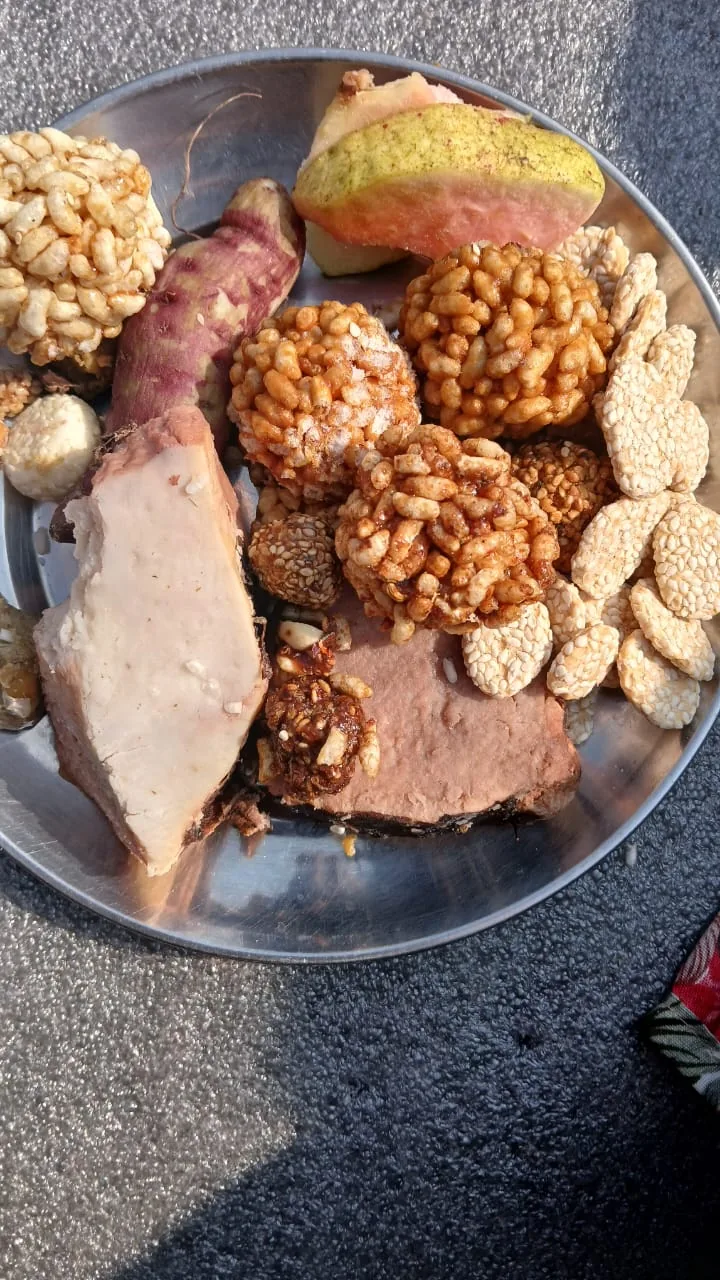
- Food made with sesame, such as til laddu or til-jaggery sweets
- Fruit and milk
- Potato, sweet potato and sabudana
- Khichdi as bhog is offered on Dwadashi in the katha
क्या छोड़ें · What to avoid
- Rice, wheat, other grains and pulses on Ekadashi day
- Onion, garlic, meat and alcohol
- Ordinary salt and fried street food
- Anger, greed and idle talk
नियम How the day is kept
- Bathe with sesame in the water and apply a sesame paste
- Offer sesame in the lamp or havan and sesame water as tarpan
- Worship Vishnu and Lakshmi with a lamp and incense
- Read the Brahmani katha
- Keep the night vigil with Hari's name
- Give sesame, food, blankets or a water pot in daan
पारण और उद्यापन Breaking the fast
Break the fast on Dwadashi after sunrise, within the parana time your panchang shows for your city and never in Hari Vasara. Offer khichdi and a sesame sweet to Vishnu, hand a sesame water jar or a meal to a Brahmin or someone in need, and then eat a plain meal.
Families that give a pot of water with sesame, and where possible a cow or its price, close the vow with that gift on Dwadashi as the katha describes.
आरती और पूजा Aarti and puja
Sing Om Jai Jagdish Hare at the end of the puja with a ghee lamp and some sesame sweets as prasad.
प्रश्न Questions, answered
Why is it called Shattila Ekadashi?
Shat means six and til means sesame. The vow uses sesame in six ways: bathing, paste, fire offering, water offering, eating and giving.
What does the clay lump in the story mean?
The Brahmani fasted for months but gave no food in charity. The only gift she made was a clump of earth, so her heavenly house was empty. Giving sesame and food fills it.
Which month does Shattila Ekadashi fall in?
Magha Krishna Paksha in the purnimanta calendar. Some amanta calendars call it a Pausha Ekadashi.
Is sesame eaten on Shattila Ekadashi?
Yes. Sesame food is one of the six uses. Til-jaggery sweets are common, and sesame is also given as daan.
Who is worshipped on Shattila Ekadashi?
Lord Vishnu, with Lakshmi in the arghya prayer, as the katha describes. Offer a lamp, incense, tulsi and naivedya.
तिथि और पारण का समय हर शहर में अलग होता है; अपने शहर का पंचांग (drikpanchang.com) देखें। कुल की परंपरा सर्वोपरि है। Dates change every year, so check a panchang for your city. If you are unwell, pregnant or on medicine, keep the fast in a lighter way.
Hear it in Braj. Laladham picks you up in Delhi and runs the complete trip, so you can keep your vrat where the stories happened.
Plan my trip