Vishnu · एकादशी
जया एकादशी व्रत कथा
Jaya Ekadashi Vrat Katha
Jaya Ekadashi katha: how the gandharvas Malyavan and Pushpavati, cursed by Indra to live as ghosts, were freed by an unknowing fast. Story, rules and paran.
On the eleventh tithi of the bright fortnight (Shukla paksha) of Magha, usually in late January or February. Because the tithi can touch two sunrises, the fasting day may differ between families, so check a panchang (drikpanchang.com) for your city for the fasting date and the paran window.
Vishnu · Magha Shukla Ekadashi
माघ (Magha)
व्रत कथा The katha
Printed versions differ in small spellings: the dancer is Pushpavati or Pushyavati. Some versions place the pair in the Himalayas under a peepal tree, others only on a mountain. We follow the commonly printed version. Months are given in the purnimanta system.
कथा (हिंदी)
अर्जुन ने भगवान श्रीकृष्ण से पूछा कि माघ मास के शुक्ल पक्ष की एकादशी का क्या नाम है, उस दिन किस देवता की पूजा होती है और उसकी कथा क्या है। श्रीकृष्ण बोले कि इस एकादशी का नाम जया है। जो इसका व्रत करता है, उसे भूत, प्रेत और पिशाच की योनि में जाने का भय नहीं रहता। फिर उन्होंने पुराने समय की यह कथा सुनाई।
कहा जाता है कि एक बार देवराज इंद्र नंदन वन में विराजमान थे। वहाँ उत्सव का वातावरण था। गंधर्व मधुर गीत गा रहे थे और गंधर्वों की कन्याएँ नृत्य कर रही थीं। उसी सभा में पुष्यवती नाम की एक गंधर्व कन्या और माल्यवान नाम का गंधर्व भी था। नाचते समय पुष्यवती की दृष्टि माल्यवान पर पड़ी और वह उस पर मोहित हो गई। वह अपने हाव भाव से उसे अपनी ओर खींचने लगी।
माल्यवान भी उसके रूप पर रीझ गया। उसका ध्यान गान से हट गया। सुर बिगड़ गया, ताल टूट गया और सभा का सारा रस भंग हो गया। देवता और ऋषि आपस में देखने लगे कि यह क्या हो रहा है। इंद्र को यह बात बहुत बुरी लगी, क्योंकि संगीत देवी सरस्वती की देन है और भरी सभा में उसका ऐसा अनादर उन्हें सहन नहीं हुआ।
क्रोधित इंद्र ने दोनों को शाप दिया कि तुमने गुरुजनों और बड़ों के सामने मर्यादा तोड़ी है, इसलिए अब स्वर्ग में तुम्हारा स्थान नहीं। जाओ, मृत्युलोक में पिशाच बनकर अपने कर्म का फल भोगो। शाप लगते ही दोनों का दिव्य रूप चला गया और वे हिमालय के एक पर्वत पर आ गिरे।
पिशाच योनि में उनका जीवन बड़ा कष्टमय हो गया। उन्हें गंध, रस और स्पर्श का अनुभव भी नहीं रहता था। न दिन में चैन था, न रात में नींद। ठंड ऐसी थी कि रोंगटे खड़े हो जाते, अंग सुन्न पड़ जाते और दाँत बजने लगते। माल्यवान ने अपनी पत्नी से दुखी होकर कहा कि हमने न जाने कौन से पाप किए हैं, यह यातना तो नरक से भी भारी लगती है।
संयोग से उन्हीं दिनों माघ शुक्ल पक्ष की एकादशी आई। उन दोनों को इसका पता तक न था। उस दिन उन्होंने पका हुआ अन्न नहीं खाया और कोई पाप भी नहीं किया। केवल फल खाए और दुख में डूबे हुए एक पीपल के वृक्ष के नीचे बैठे रहे। रात आई तो भयानक ठंड में वे एक दूसरे से सटकर बैठे रहे और पल भर भी सो नहीं सके। इस प्रकार बिना जाने ही उनका जया एकादशी का व्रत और जागरण पूरा हो गया।
सुबह होते होते भगवान की कृपा से उनका पिशाच रूप छूट गया। माल्यवान और पुष्यवती फिर से सुंदर देह, सुंदर वस्त्र और आभूषणों से सज गए। आकाश में देवता और गंधर्व उनकी जय जयकार करने लगे। दोनों स्वर्ग पहुँचे और देवराज इंद्र के चरणों में प्रणाम किया।
इंद्र उन्हें पहले जैसा देखकर चकित रह गए। उन्होंने पूछा कि तुम्हें इस शाप से किसने मुक्त किया, पूरा हाल बताओ। माल्यवान ने हाथ जोड़कर कहा कि हे देवराज, यह भगवान श्रीहरि की कृपा और जया एकादशी के व्रत का फल है। हमें इसका ज्ञान नहीं था, फिर भी उस दिन का उपवास और जागरण हमारे काम आ गया।
इंद्र ने प्रसन्न होकर कहा कि तुमने हरि की कृपा पाई है, इसलिए अब तुम पवित्र हो गए। जो लोग भगवान शिव और भगवान विष्णु के भक्त हैं, वे मेरे लिए भी आदर के योग्य हैं। जाओ और देवलोक में सुखपूर्वक रहो। उन्होंने दोनों को आशीर्वाद दिया।
श्रीकृष्ण ने अर्जुन से कहा कि हे पार्थ, जया एकादशी का व्रत करने वाला नीच योनियों से सहज ही छूट जाता है। जो इसे नियम से करता है, उसने मानो सब यज्ञ, तप और दान कर लिए। कहा गया है कि ऐसा व्रती हजार वर्ष तक स्वर्ग में निवास करता है। इस कथा का सार यह भी है कि संगीत और कला पवित्र वरदान हैं, और बड़ों की सभा में संयम और मर्यादा रखना आवश्यक है।
The katha (English)
Arjuna once asked Lord Krishna about the Ekadashi that falls in the bright half of Magha. Which god is worshipped on it, he wanted to know, and what story belongs to it? Krishna answered that this Ekadashi is called Jaya, and that whoever keeps it is spared the fate of being born as a ghost, a spirit or a pishacha. Then he told the old tale of two heavenly singers.
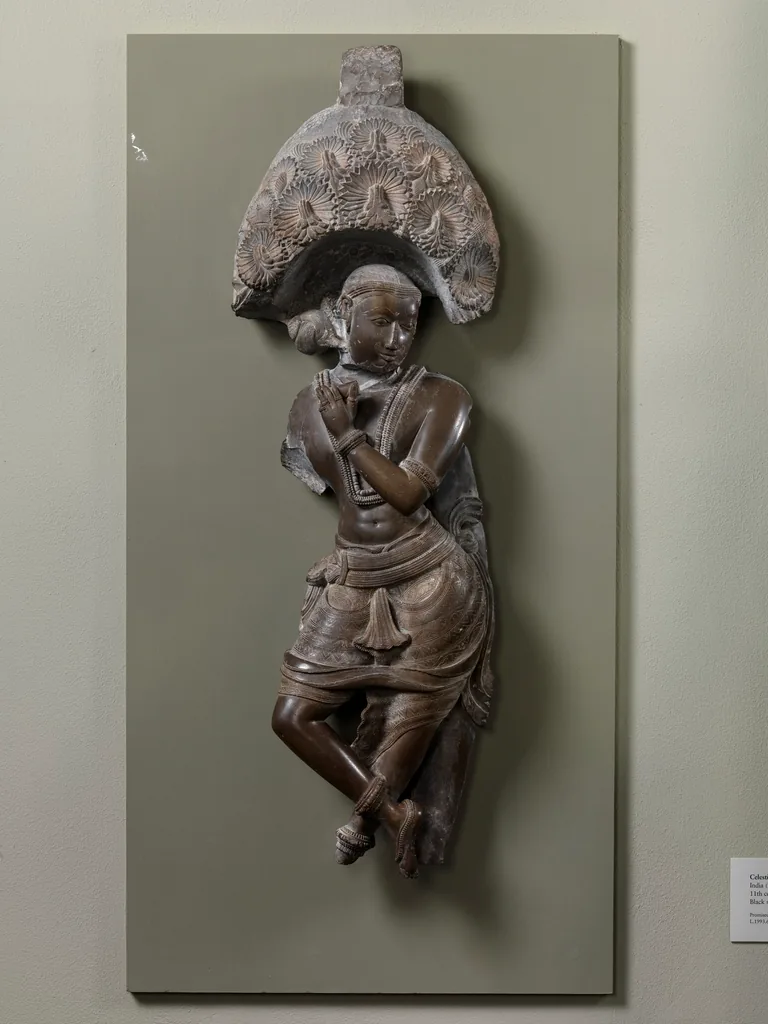
It is said that Indra, king of the gods, was seated one day in the garden of Nandanvana, where a festival was in full swing. Gandharvas were singing and young gandharva women were dancing for the gods and the sages. Among them were a dancer named Pushpavati and a singer named Malyavan. As she danced, Pushpavati's eyes fell on Malyavan and she was struck by love. She began to tempt him with glances and graceful gestures meant only for him.
Malyavan was won over just as quickly. His mind slipped from the music he was supposed to be offering. His tune wavered, his rhythm fell apart, and the harmony of the whole gathering broke. The gods exchanged looks of displeasure. Music, in this tradition, is the gift of Saraswati, and spoiling it in front of elders was no small matter. Indra grew angry.
Indra spoke a curse. You have shamed this assembly and insulted the goddess of music, he said, so there is no place for you in my realm. Go down to the mortal world and live as pishachas. The moment the words ended, their bright forms were gone, and the two fell upon a snowy mountain of the Himalayas.
Life as spirits was hard. They could no longer smell, taste or feel as they once had, and neither day nor night brought sleep. The cold made their hair stand on end, their limbs went stiff and their teeth chattered without stop. Malyavan sighed to his wife that their sins must be terrible, because even hell could hardly be worse than this suffering.
By chance, the eleventh day of Magha's bright fortnight arrived while they were in that state. They knew nothing about it. Yet on that day they ate no cooked grain and committed no sin, taking only a little fruit. Sad and shivering, they stayed beneath a peepal tree. When night fell, the freezing air kept them awake, and they held close to one another until morning. Without meaning to, they had kept the fast and the night vigil of Jaya Ekadashi.
At dawn, through the grace of the Lord, the ghostly shapes left them. Malyavan and Pushpavati stood again in radiant bodies, dressed in fine silks and jewels, while gods and gandharvas in the sky sang their praise. They rose to the heavenly world and bowed at the feet of Indra.
Indra could hardly believe his eyes. How had they been freed, he asked, and he wanted the whole account. Malyavan folded his hands. It was the mercy of Sri Hari, he said, and the power of Jaya Ekadashi. They had not even known what day it was, yet the hunger and the sleepless night had done their work.
Pleased, Indra said that anyone touched by Hari's grace is purified. Even he and the other gods, he added, must honour those who love Vishnu and Shiva. He blessed the pair and told them to go and live happily in the world of the devas.
Krishna ended by telling Arjuna that the fast of Jaya Ekadashi lifts a person out of lowly births without difficulty. One who keeps it faithfully is counted as having performed every austerity, sacrifice and gift, and is said to dwell in heaven for a thousand years. Seekers also take a quiet lesson from the story: art is a sacred gift, and one must hold to dignity in the presence of elders.
Traditional source: Told by Krishna to Arjuna, as in common Ekadashi vrat-katha books; the Purana is not named on the pages consulted.
क्या खाएँ · What to eat
- Fruit, milk, curd, dry fruit and makhana
- Sabudana, kuttu or singhara flour, sendha namak (rock salt) if your family allows it
- Potato, sweet potato, raw banana and other roots cooked in ghee or peanut oil
- Only water or only fruit if you are keeping a strict fast
क्या छोड़ें · What to avoid
- Rice, wheat, pulses, beans and all grains, on Ekadashi day and on the night of Dashami
- Onion, garlic, meat, eggs and alcohol
- Anger, gossip, lying and speaking harshly to elders
- Sleeping by day and, as far as you can, at night
नियम How the day is kept
- Bathe early, take a sankalp and sit before an image of Vishnu or Shaligram
- Offer tulsi, a lamp, incense and fruit, and read or hear this katha
- Chant Om Namo Bhagavate Vasudevaya or Vishnu Sahasranama through the day
- Keep a jagran at night with bhajan, as Malyavan and Pushpavati did, and give food or a gift on Dwadashi
पारण और उद्यापन Breaking the fast
Break the fast on Dwadashi morning, after your bath and a short Vishnu puja, within the paran time your panchang gives for your city. Do not break it during Hari Vasara, the first quarter of Dwadashi. Begin with a little tulsi water or prasad and then take a simple meal with grain. If you can, feed a Brahmin or someone in need first, and give dakshina.
आरती और पूजा Aarti and puja
At the close of the puja, stand and sing Om Jai Jagdish Hare with the family, then offer the lamp to Vishnu and pass it round.
प्रश्न Questions, answered
Which month and paksha is Jaya Ekadashi?
It is the Ekadashi of the Shukla (bright) fortnight of Magha, which usually falls in late January or February. Look up the exact date in a panchang for your city.
Which god is worshipped on Jaya Ekadashi?
Lord Vishnu, also called Hari. Devotees worship him with tulsi, a lamp, incense and fruit, and the story itself praises devotees of both Vishnu and Shiva.
What is the benefit of Jaya Ekadashi according to the katha?
The katha says it frees a person from birth as a ghost or spirit and from lowly births, and that the one who keeps it is counted as having done all austerities, sacrifices and gifts.
Can I eat fruit on Jaya Ekadashi?
Yes. In the story the pair lived on fruit alone. Most families take fruit, milk and grain-free foods, and keep rice, wheat and pulses out of the day.
When should I break the Jaya Ekadashi fast?
On Dwadashi morning, inside the paran window given for your city, and not during Hari Vasara. A panchang such as drikpanchang.com shows both.
तिथि और पारण का समय हर शहर में अलग होता है; अपने शहर का पंचांग (drikpanchang.com) देखें। कुल की परंपरा सर्वोपरि है। Dates change every year, so check a panchang for your city. If you are unwell, pregnant or on medicine, keep the fast in a lighter way.
Hear it in Braj. Laladham picks you up in Delhi and runs the complete trip, so you can keep your vrat where the stories happened.
Plan my trip