Vishnu · एकादशी
आमलकी एकादशी व्रत कथा
Amalaki Ekadashi Vrat Katha
Amalaki Ekadashi katha: King Chaitraratha, the amla tree, the hunter who kept the vigil and was reborn as Vasuratha. Story, amla puja, rules, paran and Holi season.
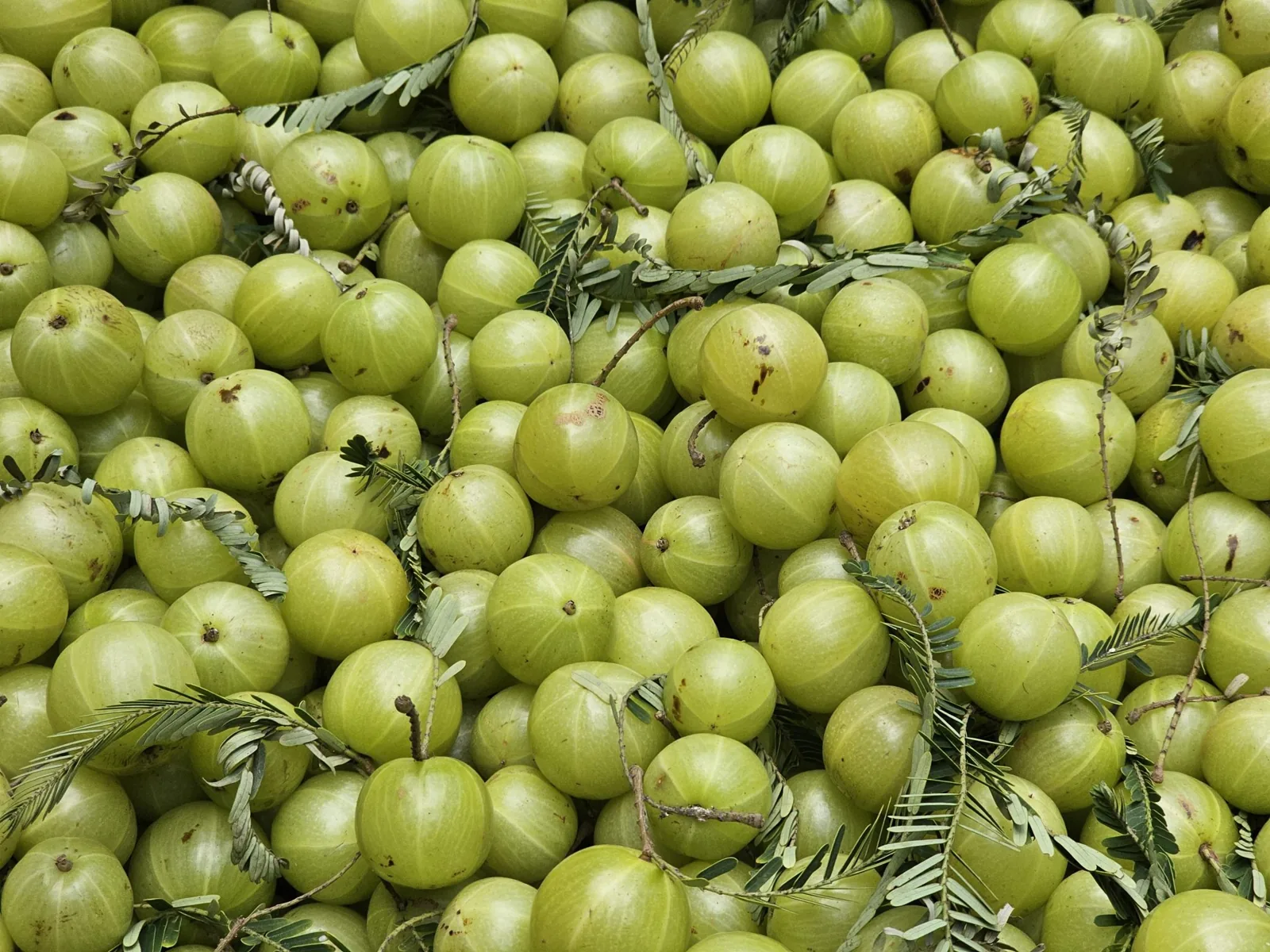
On the eleventh tithi of the bright fortnight (Shukla paksha) of Phalguna, usually in late February or March, a few days before Holi. The date can differ with the tithi at sunrise, so check a panchang (drikpanchang.com) for your city for the fasting day and the paran window.
Vishnu · Phalguna Shukla Ekadashi
फाल्गुन (Phalguna)
व्रत कथा The katha
Versions differ in names and details. Drik Panchang calls the city Vaidisha, names the king Chaitraratha and has the hunter listen to stories. ISKCON gives the king a second name and has the hunter watch the worship in hiding, and says the rescuing woman killed the attackers with a discus. Wikipedia also records a separate legend of a king Chitrasena. We follow the commonly printed Chaitraratha-Vasuratha version. Months are given in the purnimanta system.
कथा (हिंदी)
सूत जी ने अट्ठासी हज़ार ऋषियों को यह कथा सुनाई। उन्होंने कहा कि एक बार राजा मांधाता ने महर्षि वशिष्ठ से पूछा कि हे गुरुदेव, ऐसा कौन सा व्रत है जो मेरे लिए सबसे हितकारी हो। वशिष्ठ जी बोले कि राजन, सब व्रतों में उत्तम और मोक्ष देने वाला व्रत आमलकी एकादशी है। यह फाल्गुन मास के शुक्ल पक्ष में आती है, सब पापों को नष्ट करती है और इसका फल एक हज़ार गौदान के बराबर कहा गया है।
वशिष्ठ जी ने बताया कि आँवले का वृक्ष इसलिए पवित्र है कि वह भगवान विष्णु के मुख से प्रकट हुआ माना जाता है। फिर उन्होंने इस व्रत का एक पुराना प्रसंग सुनाया। प्राचीन काल में वैदिश नाम का एक नगर था। उसमें चारों वर्णों के लोग सुख से रहते थे। वहाँ वेदों की ध्वनि कभी नहीं रुकती थी और कोई पापी या नास्तिक वहाँ नहीं था।
इस नगर पर चंद्रवंशी राजा चैत्ररथ राज्य करते थे। वे विद्वान और धार्मिक थे। उनकी प्रजा भी भगवान विष्णु की भक्त थी और हर एकादशी का व्रत रखती थी। एक बार फाल्गुन शुक्ल पक्ष की आमलकी एकादशी आई। राजा और सारी प्रजा, बूढ़े और बच्चे सब ने उपवास रखा और मंदिर में गए।
वहाँ उन्होंने कलश स्थापित किया और धात्री अर्थात आँवले के वृक्ष की पूजा की। धूप, दीप, पंचरत्न और स्वर्ण छत्र चढ़ाए। उन्होंने आँवले को ब्रह्माजी से उत्पन्न, पापों को हरने वाला कहकर प्रणाम किया और प्रार्थना की कि हमारे पाप दूर कर दो। फिर सब ने रात को जागरण किया और भगवान की कथाएँ गाईं और सुनीं।
उसी रात एक बहेलिया वहाँ आ पहुँचा। वह बड़ा निर्दयी था और जीव हिंसा करके अपने परिवार का पेट पालता था। भूख और प्यास से वह बेहाल था। वह मंदिर के एक कोने में बैठ गया और रात भर भगवान विष्णु की कथा और एकादशी का माहात्म्य सुनता रहा। सुबह वह घर गया, भोजन किया और कुछ समय बाद उसकी मृत्यु हो गई।
अपने कर्मों के कारण उसे नरक मिलना था। परंतु आमलकी एकादशी की रात का जागरण अनजाने में उसके खाते में पुण्य बनकर जमा हो गया। इसलिए अगले जन्म में वह राजा विदूरथ के पुत्र वसुरथ के रूप में उत्पन्न हुआ। बड़ा होकर उसने दस हज़ार गाँवों पर राज्य किया। उसके पास चतुरंगिणी सेना और धन की कमी न थी। वह सूर्य के समान तेजस्वी, चंद्रमा के समान शीतल, विष्णु के समान वीर और पृथ्वी के समान सहनशील था। वह सत्यवादी, दानी और विष्णु का भक्त था।
एक दिन राजा वसुरथ शिकार खेलते हुए जंगल में रास्ता भटक गए और थककर एक पेड़ के नीचे सो गए। तभी कुछ पहाड़ी डाकू वहाँ आ पहुँचे। वे राजा से पुरानी शत्रुता मानते थे, क्योंकि उनके अनुसार राजा ने उनके संबंधियों को मारा या देश से निकाला था। उन्हें अकेला देखकर वे हथियार लेकर टूट पड़े। परंतु जो भी शस्त्र राजा के शरीर को छूता, वह फूल बन जाता। फिर दैव योग से उनके अपने ही हथियार उन पर पलट गए और वे बेहोश होकर गिर पड़े।
तब राजा के शरीर से एक दिव्य स्त्री प्रकट हुई। वह आभूषणों से सजी थी, पर क्रोध में काल के समान भयानक लग रही थी। उसने पल भर में सब डाकुओं को मार डाला। जब वसुरथ जागे तो उन्होंने देखा कि चारों ओर शत्रु मरे पड़े हैं। वे सोचने लगे कि मेरी रक्षा किसने की। तभी आकाशवाणी हुई कि भगवान विष्णु को छोड़कर और कौन तुम्हारी रक्षा कर सकता है।
राजा ने श्रीहरि को प्रणाम किया, अपने नगर लौटे और बिना किसी बाधा के सुख से राज्य किया। वशिष्ठ जी ने राजा मांधाता से कहा कि यह सब आमलकी एकादशी के पुण्य का प्रभाव था। जो मनुष्य केवल एक बार भी इस एकादशी का व्रत कर लेता है, उसे सब कार्यों में सफलता मिलती है और अंत में वह विष्णु के वैकुंठ धाम को पाता है।
The katha (English)
Sage Suta told this tale to eighty-eight thousand rishis. King Mandhata, he said, once asked the great sage Vasishtha which fast would be most beneficial for him. Vasishtha answered that among all vows, Amalaki Ekadashi is the best and gives liberation. It falls in Phalguna's waxing fortnight, destroys every sin, and its fruit is said to equal the gift of a thousand cows.
The amla, Vasishtha explained, is holy because it is believed to have sprung from the mouth of Lord Vishnu. Then he told an ancient account of the vow. There was once a city named Vaidisha, where people of all four classes lived in contentment. The chanting of the Vedas never ceased there, and no sinner or unbeliever could be found in its streets.
The city was ruled by Chaitraratha, a king of the lunar line, who was learned and devout. His people loved Vishnu and kept every Ekadashi. When Amalaki Ekadashi came round that Phalguna, the king and his subjects, from the old to the young, all fasted and went to the temple.
There they set up a sacred pot and worshipped Dhatri, the amla tree, offering incense, lamps, five kinds of gems and a golden umbrella. They honoured the tree as born of Brahma and as a remover of sin, and they begged it to take their faults away. Through the night they stayed awake, singing and hearing stories of the Lord.
That night a bird-catcher wandered in. He was a cruel man who supported his household by taking life. Hunger and thirst tormented him, so he sat down in a corner of the temple and, all night long, listened to tales of Vishnu and the glory of Ekadashi. At dawn he went home, ate, and not long after he died.
By his deeds he was headed for hell. But without knowing it, he had gained merit from that sleepless night of Amalaki Ekadashi. In his next birth he was born as Vasuratha, son of King Viduratha, and grew up to govern ten thousand villages. A four-part army and great wealth were his. He shone like the sun, was gentle like the moon, brave like Vishnu and patient like the earth, and he was truthful, generous and devoted to the Lord.
One day, while hunting, Vasuratha lost his way and lay down to rest under a tree. A band of hill tribesmen found him alone. They bore him an old grudge, believing he had killed or driven out their kin. They rushed upon him with weapons, but every blade that touched his body turned into flowers. Then, by divine will, their own weapons turned on them and they dropped senseless.
From the king's body there came forth a radiant woman, covered with jewels, yet so furious that she looked like Time itself. She struck down the whole gang in an instant. When Vasuratha woke and saw his enemies lying dead, he wondered who had saved him. A voice from the sky answered that no one but Lord Vishnu could have done so.
The king bowed to Hari, went back to his capital and ruled without trouble. Vasishtha told Mandhata that all this was the power of Amalaki Ekadashi. Whoever keeps even a single one, he said, is successful in every undertaking and finally reaches Vaikuntha, the home of Vishnu.
Traditional source: Told by Vasishtha to King Mandhata, with Suta as narrator; ISKCON material names the Brahmanda Purana. As in common Ekadashi vrat-katha books.
क्या खाएँ · What to eat
- Fruit, milk, curd and dry fruit
- Sabudana, kuttu or singhara flour and sendha namak if your family allows it
- Potato, sweet potato and raw banana cooked in ghee
- Amla fruit itself, raw or as a murabba, is welcome on this day
क्या छोड़ें · What to avoid
- Rice, wheat, pulses and all grains until Dwadashi paran
- Onion, garlic, meat, eggs and alcohol
- Harming the amla tree, plucking leaves needlessly or any harsh act
- Anger, idle talk and sleeping through the night vigil
नियम How the day is kept
- Bathe early, take a sankalp and worship Vishnu with tulsi, a lamp and incense
- Water the amla tree, clean its base and worship it with a kalash, as the king and his subjects did
- Hear the katha and sing bhajans through the night
- On Dwadashi, feed a Brahmin or someone in need and give dakshina before you eat
पारण और उद्यापन Breaking the fast
Break the fast on Dwadashi morning after your bath and a short Vishnu puja, inside the paran time your panchang gives for your city, and not during Hari Vasara, the first quarter of Dwadashi. Begin with tulsi water or prasad, then take a simple meal with grain after feeding a guest or giving dakshina.
आरती और पूजा Aarti and puja
Sing Om Jai Jagdish Hare at the foot of the amla tree or before the Vishnu image, then offer the lamp and pass it round.
If the Holi season in Braj calls you, Laladham can pick you up in Delhi and take you through Mathura and Vrindavan for a complete, unhurried trip. Plan this trip
प्रश्न Questions, answered
When is Amalaki Ekadashi?
It falls on the Ekadashi of the bright fortnight of Phalguna, usually in late February or March, shortly before Holi. Check a panchang for your city for the exact date.
Why is the amla tree worshipped on this Ekadashi?
The tradition says the amla tree sprang from the mouth of Lord Vishnu, and the katha shows King Chaitraratha and his subjects worshipping it as Dhatri. Devotees water the tree, clean its base and offer a lamp and incense.
Who is the hunter in the Amalaki Ekadashi katha?
He was a cruel bird-catcher who sat in the temple and stayed awake all night listening to Vishnu's stories. That merit made him take birth as King Vasuratha.
Is there a Holi link to Amalaki Ekadashi?
Yes, the day is popularly taken as the start of the main Holi celebrations, which reach their peak four lunar days later on the full moon.
What can I eat on Amalaki Ekadashi?
Fruit, milk, nuts, sabudana, kuttu and singhara flour and roots, with no grains. Amla fruit is also taken.
तिथि और पारण का समय हर शहर में अलग होता है; अपने शहर का पंचांग (drikpanchang.com) देखें। कुल की परंपरा सर्वोपरि है। Dates change every year, so check a panchang for your city. If you are unwell, pregnant or on medicine, keep the fast in a lighter way.
Hear it in Braj. Laladham picks you up in Delhi and runs the complete trip, so you can keep your vrat where the stories happened.
Plan my trip