Vishnu · एकादशी
विजया एकादशी व्रत कथा
Vijaya Ekadashi Vrat Katha
Vijaya Ekadashi katha: how Lord Rama, stopped by the ocean before Lanka, kept this fast on the sage Vakdalbhya's advice and won. Story, kalash vidhi, rules and paran.
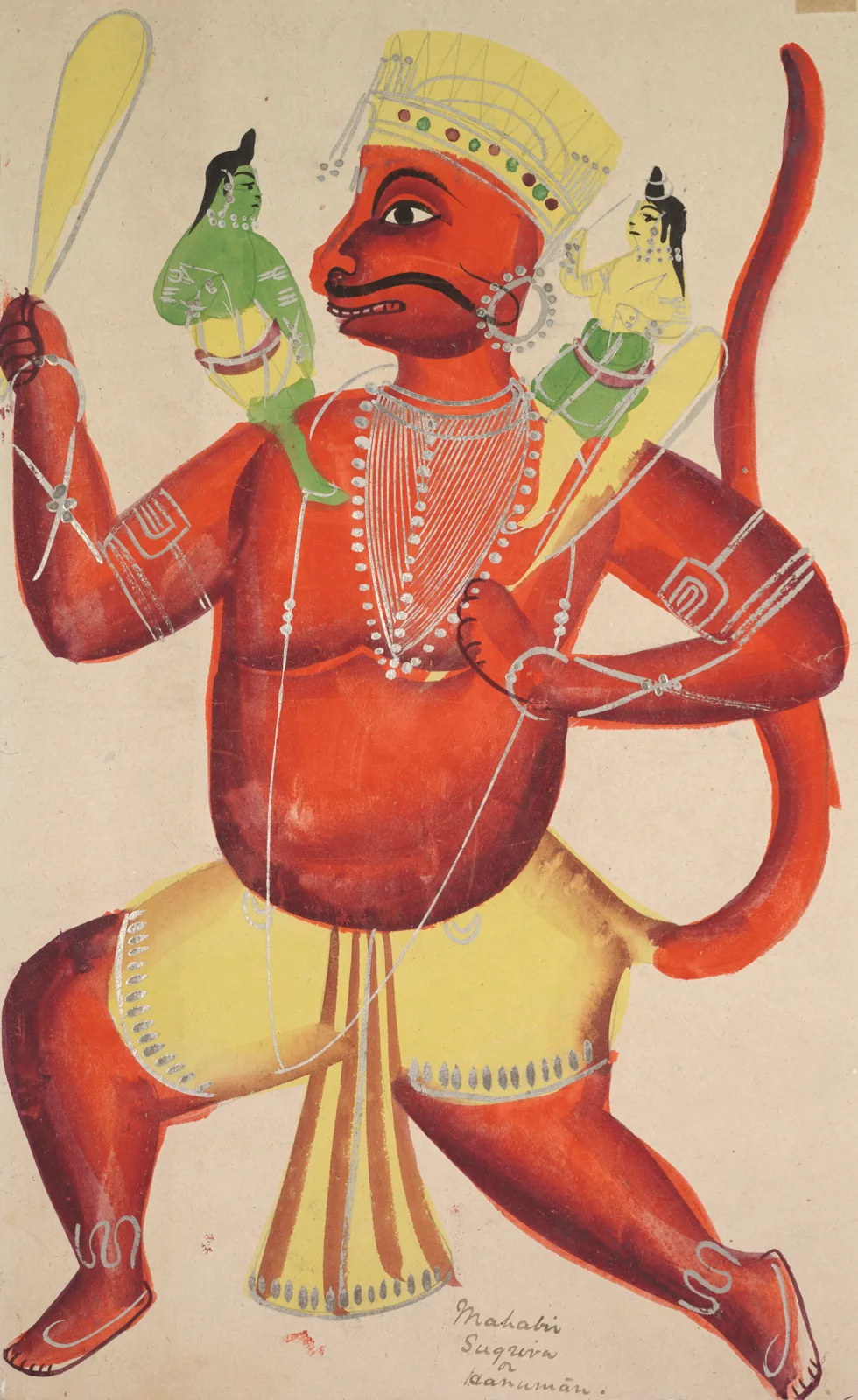
On the eleventh tithi of the dark fortnight (Krishna paksha) of Phalguna in the purnimanta count, which usually falls in February or March. Because a tithi can cross two sunrises, check a panchang (drikpanchang.com) for your city for the fasting date and the paran window.
Vishnu · Phalguna Krishna Ekadashi
फाल्गुन (Phalguna)
व्रत कथा The katha
Sources differ on where Vakdalbhya lived: Drik Panchang and ISKCON say on an island nearby (Kumari island), the Hindi Wikipedia page says only nearby. We follow the island version. Months are given in the purnimanta system; in the amanta count this same tithi is called Magha Krishna Ekadashi.
कथा (हिंदी)
अर्जुन ने श्रीकृष्ण से कहा कि हे केशव, एकादशी की महिमा सुनकर मैं बहुत प्रसन्न हूँ। अब कृपा करके फाल्गुन मास के कृष्ण पक्ष की एकादशी का नाम और उसका व्रत विधान बताइए। श्रीकृष्ण बोले कि इसका नाम विजया एकादशी है। इसे करने वाले को सदा विजय मिलती है और इसकी महिमा सुनने या पढ़ने से पाप नष्ट हो जाते हैं।
उन्होंने कहा कि एक बार देवर्षि नारद ने ब्रह्माजी से यही प्रश्न पूछा था। ब्रह्माजी ने उत्तर दिया कि हे नारद, यह व्रत अत्यंत पुराना और पवित्र है। यह वर्तमान और पुराने पापों को नष्ट करता है और विजय देता है। इसकी विधि मैंने आज तक किसी को नहीं बताई, अब तुम्हें सुनाता हूँ। इसके बाद ब्रह्माजी ने रामचंद्रजी की कथा कही।
त्रेता युग में श्रीराम चौदह वर्ष के वनवास में अपनी पत्नी सीता और भाई लक्ष्मण के साथ पंचवटी में रहते थे। वहाँ से रावण छल करके सीताजी को हर ले गया। राम और लक्ष्मण व्याकुल होकर वन में उन्हें खोजने निकले। रास्ते में उन्हें घायल जटायु मिले। जटायु ने रावण के हाथों सीताहरण का समाचार सुनाया और राम की गोद में प्राण त्याग दिए।
आगे चलकर श्रीराम की मित्रता सुग्रीव से हुई और उन्होंने बाली का वध किया। हनुमान जी लंका गए, अशोक वाटिका में सीताजी के दर्शन किए और लौटकर रामचंद्रजी को सारा समाचार दिया। तब राम ने वानरों और भालुओं की सेना के साथ लंका की ओर प्रस्थान किया और चलते चलते समुद्र के किनारे जा पहुँचे।
सामने अथाह समुद्र लहरा रहा था, जिसमें मगर और घड़ियाल भरे थे। राम ने लक्ष्मण से पूछा कि इतनी बड़ी सेना के साथ इस सागर को कैसे पार किया जाए। लक्ष्मण बोले कि यहाँ से आधे योजन की दूरी पर कुमारी द्वीप में वकदाल्भ्य मुनि का आश्रम है। वे वृद्ध और ज्ञानी मुनि हैं। ऐसे प्रश्न का उपाय वे ही बता सकते हैं।
श्रीराम मुनि के आश्रम में गए, उन्हें प्रणाम किया और मुनि ने उनके आने का कारण पूछा। रामचंद्रजी ने कहा कि मैं अपनी सेना सहित लंका जाकर राक्षसों को जीतना चाहता हूँ, कृपया बताइए कि यह सागर कैसे पार हो। वकदाल्भ्य मुनि ने कहा कि हे राम, मैं आपको एक ऐसा व्रत बताता हूँ जिससे आपकी विजय निश्चित है। वह फाल्गुन कृष्ण पक्ष की विजया एकादशी है।
मुनि ने विधि बताई। दशमी के दिन सोने, चाँदी, तांबे या मिट्टी का एक घड़ा बनाएँ, उसमें जल भरें और उस पर पाँच पल्लव रखें। उसे वेदी पर स्थापित करें। घड़े के नीचे सात अनाज और ऊपर जौ रखें। उसके ऊपर भगवान नारायण की स्वर्ण प्रतिमा स्थापित करें। एकादशी को सुबह स्नान करके धूप, दीप, नैवेद्य और नारियल से श्रीहरि की पूजा करें। पूरा दिन उस घड़े के सामने बैठकर भक्ति में बिताएँ और रात को वहीं जागरण करें।
द्वादशी के दिन नदी या तालाब के किनारे स्नान करके घड़े की पूजा करें और उसे सब वस्तुओं सहित किसी ब्राह्मण को दान कर दें। मुनि ने कहा कि हे राम, अपने सेनापतियों सहित इस विधि से व्रत कीजिए, आप अवश्य विजयी होंगे।
श्रीरामचंद्रजी ने मुनि के बताए अनुसार विजया एकादशी का व्रत किया। उस व्रत के प्रभाव से वे समुद्र को पार कर सके और राक्षसों की सेना को जीतकर युद्ध में रावण पर विजय पाई। सीताजी को वापस पाकर वे प्रसन्न हुए।
ब्रह्माजी ने नारद से कहा कि जो मनुष्य इस व्रत को विधि पूर्वक करता है, उसे इस लोक में भी जय मिलती है और परलोक में भी स्थान मिलता है। श्रीकृष्ण ने अर्जुन से कहा कि इस माहात्म्य को पढ़ने या सुनने से वाजपेय यज्ञ का फल मिलता है। भगवान राम स्वयं विष्णु के अवतार थे, फिर भी उन्होंने यह व्रत करके मनुष्यों को सही मार्ग दिखाया।
The katha (English)
Arjuna told Krishna that he was delighted by everything he had heard about Ekadashi, and he asked for the name of the Ekadashi in the dark half of Phalguna, along with the rules for keeping it. Krishna said that it is called Vijaya, the Ekadashi of victory. Anyone who keeps it is granted success, and even hearing or reading its glory wears away sin.
Krishna then recalled how the sage Narada had once put the same question to Brahma, the creator. Brahma replied that this vow is ancient and pure, that it burns away old and recent wrongdoing, and that it gives triumph. He confessed that he had never told its method to anyone before, but he would tell Narada now. What followed was the story of Lord Rama.
In the Treta Yuga, Rama spent fourteen years in exile at Panchavati with his wife Sita and his brother Lakshmana. From there Ravana carried Sita away by trickery. Rama and Lakshmana went searching the forest in great distress and found the wounded vulture Jatayu, who told them of the abduction and died in Rama's lap.
Rama then made friends with Sugriva and ended the life of Bali. Hanuman crossed to Lanka, saw Sita in the Ashoka grove and returned with news. With that, Rama set out at the head of an army of monkeys and bears, and marching on, he arrived at the edge of the sea.
Before him lay an endless ocean, thick with crocodiles. Rama asked his brother how so large a force could ever cross it. Lakshmana answered that an elder sage, Vakdalbhya, lived half a yojana away, on an island called Kumari. A question like this, he said, was one that sage could answer.
Rama went to the hermitage and bowed down. The sage asked what brought him there, and Rama told him that he meant to reach Lanka with his army and defeat the rakshasas, and he begged to know how to get across the water. Vakdalbhya replied that there was a vow which would make victory certain, the Vijaya Ekadashi of the Phalguna dark fortnight.
He explained the procedure. On Dashami, fashion a pot of gold, silver, copper or clay, fill it with water, and lay five kinds of leaves over its mouth. Set it on a raised altar, with seven grains spread below and barley above. On the lid goes a golden image of Narayana. On Ekadashi morning, bathe and worship Hari with incense, a lamp, food and a coconut. Spend the whole day seated before the pot in devotion, and stay awake there through the night.
On Dwadashi, bathe at a river or pond, worship the pot once more, and then give it away, with all that was placed in it, to a Brahmin. Keep this vow with your commanders, the sage told Rama, and you will win.
Rama did as he was told. By the strength of the vow he was able to cross the ocean, overcame the demon host, and brought down Ravana in battle. Sita was restored to him.
Brahma told Narada that whoever keeps this fast properly gains victory in this world and a good place in the next. Krishna added for Arjuna that merely reading or hearing the account earns the reward of a Vajapeya sacrifice. Rama himself was Vishnu in human form, and yet he kept the fast to show people the way.
Traditional source: Told by Brahma to Narada and by Krishna to Arjuna; ISKCON material attributes it to the Skanda Purana, as in common Ekadashi vrat-katha books.
क्या खाएँ · What to eat
- Fruit, milk, curd and dry fruit
- Sabudana, kuttu or singhara flour and sendha namak if your family allows it
- Potato, sweet potato and raw banana cooked in ghee
- Coconut and pomegranate, which also go to the kalash as offering
क्या छोड़ें · What to avoid
- Rice, wheat, pulses and every grain, from Dashami night until Dwadashi paran
- Onion, garlic, meat, eggs and alcohol
- Anger, quarrels, lying and idle talk
- Day sleep, and sleep during the night vigil
नियम How the day is kept
- On Dashami, set up a kalash with five leaves, seven grains below and barley above, and a Narayana image on top
- On Ekadashi, bathe, take a sankalp and worship Hari with incense, a lamp, food and a coconut
- Sit by the kalash through the day, hear the katha and keep a jagran at night
- On Dwadashi, bathe at a river or pond if you can, worship the kalash and give it away with its contents to a Brahmin
पारण और उद्यापन Breaking the fast
Break the fast on Dwadashi morning after your bath and a short Hari puja, inside the paran time given by your panchang for your city, and never during Hari Vasara, the first quarter of Dwadashi. After donating the kalash, take tulsi water or prasad, then a simple meal with grain.
आरती और पूजा Aarti and puja
End the puja with Om Jai Jagdish Hare, offering the lamp to Vishnu seated on the kalash.
प्रश्न Questions, answered
Which Ekadashi is Vijaya Ekadashi?
It is the Ekadashi of the dark fortnight of Phalguna in the purnimanta calendar, usually in February or March. Check a panchang for your city for the date.
Why is Vijaya Ekadashi linked to Lord Rama?
In the katha the sage Vakdalbhya told Rama to keep this fast at the seashore before the march on Lanka. Rama kept it with his commanders, crossed the sea and defeated Ravana.
What is the kalash vidhi of Vijaya Ekadashi?
On Dashami a pot of gold, silver, copper or clay is filled with water and topped with five leaves. Seven grains go below and barley above, with a Vishnu image on top. It is worshipped on Ekadashi and given to a Brahmin on Dwadashi.
Who is worshipped on Vijaya Ekadashi?
Lord Vishnu, called Narayana or Hari in the story. He is worshipped with incense, a lamp, food and a coconut.
What does the katha promise?
Victory in this life and a good place in the next. Hearing or reading the story is said to give the merit of a Vajapeya sacrifice.
तिथि और पारण का समय हर शहर में अलग होता है; अपने शहर का पंचांग (drikpanchang.com) देखें। कुल की परंपरा सर्वोपरि है। Dates change every year, so check a panchang for your city. If you are unwell, pregnant or on medicine, keep the fast in a lighter way.
Hear it in Braj. Laladham picks you up in Delhi and runs the complete trip, so you can keep your vrat where the stories happened.
Plan my trip