Vishnu · एकादशी
पापमोचनी एकादशी व्रत कथा
Papmochani Ekadashi Vrat Katha
Papmochani Ekadashi katha: the young sage Medhavi, the apsara Manjughosha and the fast that lifted a curse and a sin. Story, rules, paran and what to eat on the day.
On the eleventh tithi of the dark fortnight (Krishna paksha) of Chaitra in the purnimanta count, usually in March or early April. The date can change with the tithi at sunrise, so check a panchang (drikpanchang.com) for your city for the fasting day and the paran window.
Vishnu · Chaitra Krishna Ekadashi
चैत्र (Chaitra)
व्रत कथा The katha
The pages consulted do not name a Purana for this story; ISKCON presents it as Krishna speaking to Yudhishthira, others as Arjuna. Most printed versions give the years together as fifty-seven; ISKCON says only decades. We follow the commonly printed version. Months are given in the purnimanta system; the same tithi is Phalguna Krishna Ekadashi in the amanta count.
कथा (हिंदी)
अर्जुन ने श्रीकृष्ण से चैत्र मास के कृष्ण पक्ष की एकादशी का नाम, उसके देवता और उसकी विधि पूछी। श्रीकृष्ण ने कहा कि एक बार राजा मांधाता ने लोमश ऋषि से यही बात पूछी थी। राजा जानना चाहते थे कि मनुष्य अपने पापों से कैसे छूटे और इसका कोई सरल उपाय क्या है। लोमश ऋषि बोले कि चैत्र कृष्ण पक्ष की एकादशी पापमोचनी कहलाती है, यह अनेक पापों को नष्ट कर देती है। फिर उन्होंने एक कथा कही।
प्राचीन काल में चैत्ररथ नाम का एक वन था। वहाँ सदा वसंत रहता था और फूल खिले रहते थे। अप्सराएँ और किन्नर वहाँ घूमते थे और कभी कभी गंधर्वों की कन्याओं के साथ देवराज इंद्र भी आ जाते थे। उसी वन में मेधावी नाम के ऋषि तपस्या करते थे। वे भगवान शिव के भक्त थे। वे नौजवान थे, स्वस्थ थे और जनेऊ और दंड धारण किए हुए ऐसे दिखते थे मानो दूसरे कामदेव हों।
एक दिन मंजुघोषा नाम की अप्सरा उनके पास आकर बैठ गई और वीणा बजाकर मधुर स्वर में गाने लगी। कहा जाता है कि कामदेव ने उसकी सहायता की। उसकी भौंहें कामदेव का धनुष बनीं, उसकी चितवन बाण बनी और उसका रूप उनका सेनापति। मेधावी मुनि उस पर मोहित हो गए। वे शिव की साधना भूल गए और भोग में लग गए।
दोनों बहुत समय तक साथ रहे। मुनि को दिन रात का भान न रहा। मंजुघोषा ने दो बार स्वर्ग जाने की अनुमति माँगी, पर हर बार मेधावी ने कहा कि कुछ दिन और ठहरो। आखिर जब उसने कहा कि मुझे आए बहुत समय हो गया, तब मुनि ने हिसाब लगाया तो पता चला कि सत्तावन वर्ष बीत चुके हैं।
मेधावी का तप टूट चुका था। वे बहुत क्रोधित हुए। उन्होंने उस अप्सरा को अपनी तपस्या के नाश का कारण यानी साक्षात काल समझा और शाप दे दिया कि तू पिशाचिनी बन जा। शाप सुनकर मंजुघोषा घबरा गई और उनके चरणों में गिरकर विनती की कि मुझे इस शाप से छुड़ाइए। उसने यह भी कहा कि लोग आपके सत्संग को भी दोषी कहेंगे।
मुनि का क्रोध कुछ शांत हुआ और उन्हें पछतावा हुआ। उन्होंने कहा कि चैत्र कृष्ण पक्ष की पापमोचनी एकादशी का व्रत विधि से करो, तुम इस योनि से छूट जाओगी। उन्होंने उसे व्रत की विधि भी समझा दी। इसके बाद मंजुघोषा प्रणाम करके चली गई।
मेधावी अपने पिता च्यवन ऋषि के आश्रम में पहुँचे। च्यवन ने बेटे का फीका चेहरा देखा और पूछा कि तुम्हारा तेज कहाँ चला गया, तुम्हारा तप क्यों नष्ट हुआ। मेधावी ने रोते हुए अप्सरा के साथ बिताए वर्षों और अपने पाप की बात बताई और उपाय पूछा। च्यवन ने कहा कि तुम भी चैत्र कृष्ण पापमोचनी एकादशी का व्रत विधि पूर्वक करो।
मेधावी ने भक्ति से यह व्रत किया। उनके सब पाप नष्ट हो गए और उनका तेज लौट आया। उधर मंजुघोषा ने भी व्रत रखा। वह पिशाचिनी की योनि से मुक्त हो गई, उसका सुंदर रूप वापस आ गया और वह स्वर्गलोक को चली गई।
लोमश ऋषि ने राजा मांधाता से कहा कि इस कथा को सुनने या पढ़ने से एक हज़ार गौदान का फल मिलता है। यह व्रत ब्रह्महत्या, सोने की चोरी और शराब पीने जैसे बड़े पापों का नाश करता है और व्रती को अंत में स्वर्ग मिलता है। कथा का सार यह है कि रूप का आकर्षण क्षणभर का होता है, पर भगवान हरि की कृपा से उस भूल से भी उबरा जा सकता है।
The katha (English)
Arjuna asked Krishna for the name of the Ekadashi in the dark half of Chaitra, the deity to be worshipped on it, and the way to keep it. Krishna replied that King Mandhata had once asked the very same question of the sage Lomasha. The king wanted to know how a person can be cleared of sin, and whether there was a simple remedy. Lomasha said the day is called Papmochani, the remover of sins, and then he told a story.
Long ago there was a forest called Chaitraratha, where spring never ended and flowers were always in bloom. Apsaras and kinnaras wandered there, and now and then the gandharva maidens came, with Indra himself. In that forest the sage Medhavi was practising austerities. He was a devotee of Shiva, young and healthy, and with his sacred thread and staff he looked like a second Kamadeva. The air was always scented with blossom, and it was exactly the sort of place where a mind might lose its guard.
One day an apsara named Manjughosha sat down near him and sang to the music of her veena. It is said that Kamadeva helped her: her eyebrows became his bow, her sidelong look his arrow, and her beauty his general. The sage was taken captive by her charm. He forgot Shiva and gave himself up to pleasure. Medhavi, who had been so firm in his meditation, found his thoughts turning away from the lord of the mountains.
The two stayed together for a long time. Medhavi lost count of day and night. Twice Manjughosha asked leave to return to heaven, and twice he asked her to remain a little longer. When at last she pointed out how long she had been there, the sage did the sum and learned that fifty-seven years had slipped away.
His penance was in ruins, and fury seized him. He saw the apsara as the very spirit of Time that had eaten up his austerities, and he cursed her to become a pishachini, a spirit. Frightened, she fell at his feet and begged for release, adding that people would blame even his own good company. She had stayed only because he had asked her to, yet she did not argue the point.
Regret softened the sage's anger. He told her that if she kept the Papmochani Ekadashi of Chaitra's dark fortnight according to the rules, she would be freed. He taught her the method, and she bowed and went away.
Medhavi himself walked to the hermitage of his father, the rishi Chyavan. The old sage saw his son's dull face and asked what had become of his glow and why his tapas had failed. Medhavi wept and confessed the whole affair, then begged for a remedy. Chyavan told him to observe the very same Papmochani Ekadashi, with all the proper rites.
Medhavi fasted with devotion. His sins were burned away and his radiance returned. Manjughosha kept the fast too, and she slipped out of the ghostly body, regained her lovely form and went up to heaven. The father and son had walked a hard road, but the same simple vow had carried them both to the other side.
Lomasha told Mandhata that hearing or reading this story earns the merit of giving a thousand cows. The fast removes even grave sins, such as killing a Brahmin, stealing gold and drinking liquor, and leads the faster at last to heaven. Seekers also take a lesson from the tale: beauty's pull is fleeting, yet Hari's grace can lift a person out of even that mistake.
Traditional source: Told by Lomasha to King Mandhata and by Krishna to Arjuna; Hindi Wikipedia credits a fuller account to the Bhavishyottara Purana, as in common Ekadashi vrat-katha books.
क्या खाएँ · What to eat
- Fruit, milk, curd and dry fruit
- Sabudana, kuttu or singhara flour and sendha namak if your family allows it
- Potato, sweet potato and raw banana cooked in ghee
- Only water or only fruit if you hold a strict fast
क्या छोड़ें · What to avoid
- Rice, wheat, pulses and every grain until the Dwadashi paran
- Onion, garlic, meat, eggs and alcohol
- Lust, anger, harsh speech and idle gossip
- Sleeping by day, and sleep during the night vigil
नियम How the day is kept
- On Dashami eat one light sattvic meal and turn the mind to Hari
- On Ekadashi bathe at sunrise, take a sankalp and worship the four-armed Vishnu with sixteen offerings
- Sit before the image, read or hear this Bhagavat katha, and keep a night jagran with bhajan and kirtan
- On Dwadashi bathe, worship again, feed Brahmins, give dakshina and then eat
पारण और उद्यापन Breaking the fast
Break the fast on Dwadashi morning after your bath and a short Vishnu puja, inside the paran time your panchang gives for your city, and not during Hari Vasara, the first quarter of Dwadashi. First feed Brahmins or a guest and offer dakshina, then take tulsi water or prasad and a simple meal with grain.
आरती और पूजा Aarti and puja
Close the puja with Om Jai Jagdish Hare and offer the lamp to Vishnu, asking quietly to be forgiven for the year's mistakes.
प्रश्न Questions, answered
When is Papmochani Ekadashi?
It is the Ekadashi of the dark fortnight of Chaitra, usually in March or early April. It comes between Holi and Ram Navami. Check a panchang for your city for the exact date.
Which god is worshipped on Papmochani Ekadashi?
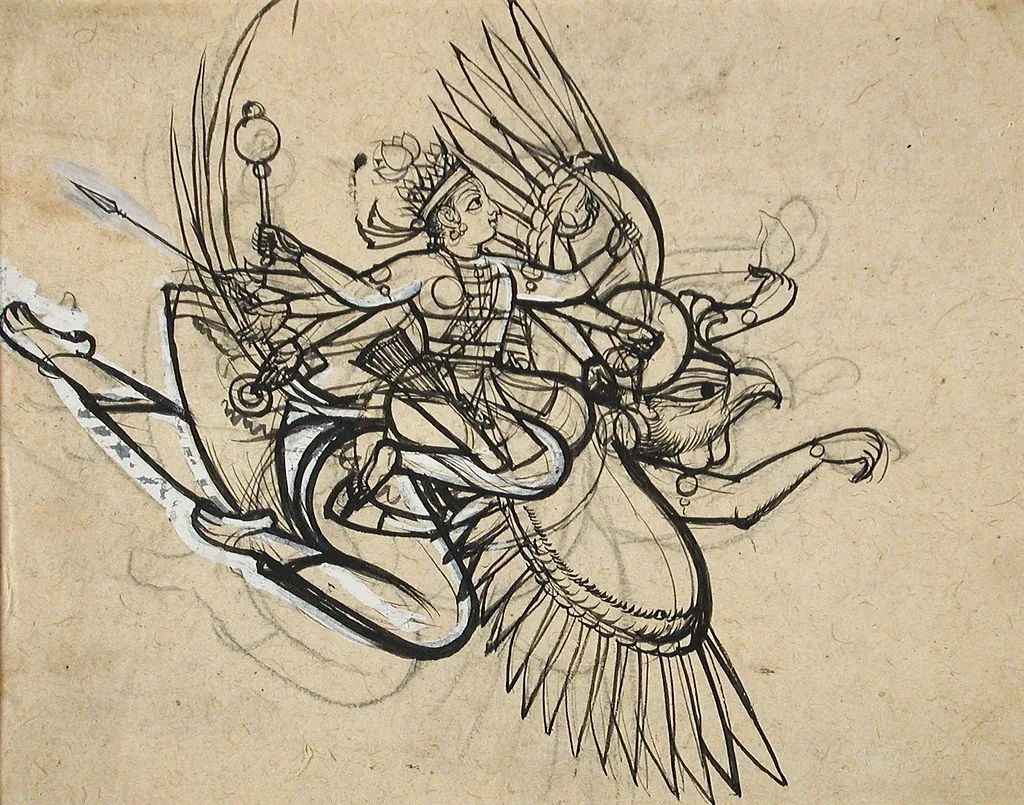
Lord Vishnu, in his four-armed form, called Hari or Govinda. He is worshipped with sixteen offerings, and the night is spent in bhajan.
Who were Medhavi and Manjughosha?
Medhavi was a young sage, a Shiva devotee and the son of the rishi Chyavan. Manjughosha was an apsara sent into his forest. Both were freed from the results of their mistake by keeping this fast.
What does the katha promise?
It says the fast destroys many sins, including grave ones, and that hearing or reading the story gives the merit of giving a thousand cows.
How should I spend Dashami before Papmochani Ekadashi?
Eat a single light sattvic meal, leave grain-based heavy food aside and keep the mind calm and turned to Vishnu, as the usual instructions say.
तिथि और पारण का समय हर शहर में अलग होता है; अपने शहर का पंचांग (drikpanchang.com) देखें। कुल की परंपरा सर्वोपरि है। Dates change every year, so check a panchang for your city. If you are unwell, pregnant or on medicine, keep the fast in a lighter way.
Hear it in Braj. Laladham picks you up in Delhi and runs the complete trip, so you can keep your vrat where the stories happened.
Plan my trip