Parvati · पर्व के व्रत
हरतालिका तीज व्रत कथा
Hartalika Teej Vrat Katha (Parvati's Tapasya)
Hartalika Teej katha in Hindi and English: Parvati's tapasya, Himalaya's promise to Vishnu, her friend's help, the sand Shivling and Shiva's boon, with the fast explained.
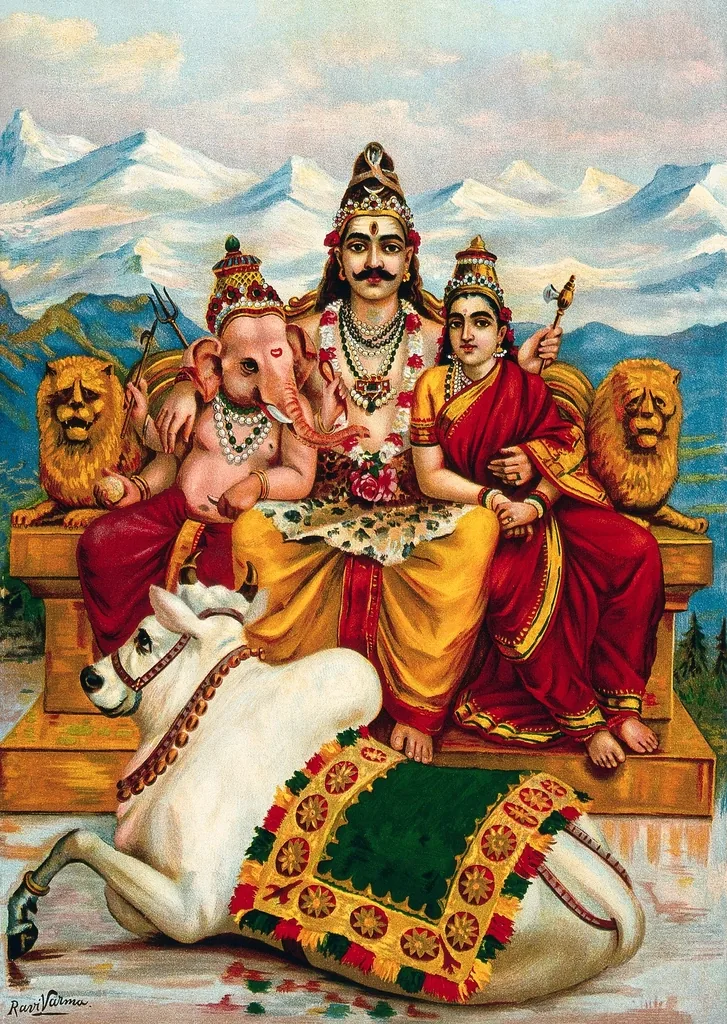
Tritiya of Bhadrapada Shukla Paksha, usually in August or September, a day before Ganesh Chaturthi, with Hasta nakshatra spoken of in the katha. Puja is best in the morning, or at Pradosh kaal if that is not possible. Check a panchang (drikpanchang.com) for your city's muhurat.
Parvati · Shukla Tritiya
भाद्रपद (Bhadrapada)
व्रत कथा The katha
This follows the commonest printed telling: Shiva narrates to Parvati, Narad brings Vishnu's proposal, Himalaya agrees, and a friend carries Parvati to the forest. Sources disagree on the length of her penance: twelve years of leaves in many books, 17 years on roots in one web article, 64 years in another headline. Some tellings also have Himalaya give his word to Vishnu on his own, and not all mention the cave or the sand Shivling. The Shiva Purana attribution is the general tradition; the exact verse is not cited here.
कथा (हिंदी)
कहा जाता है कि एक बार कैलाश पर्वत पर भगवान शिव ने देवी पार्वती को वह कथा सुनाई जिससे इस व्रत का आरंभ हुआ। शिव बोले, हे गौरी, पिछले जन्म में तुम सती थीं। उस शरीर को छोड़ने के बाद तुमने हिमालय के घर पुत्री बनकर जन्म लिया। इस जन्म में भी तुम्हारे मन में केवल एक ही संकल्प था कि मुझे ही अपना पति बनाना है। मैं वह सारी तपस्या तुम्हें याद दिलाता हूँ, जो तुमने इसके लिए की।
बालपन से ही गौरी ने शिव का ध्यान किया। जब बड़ी हुईं तो हिमालय की गोद में, गंगा के किनारे, उन्होंने कठोर तप आरंभ किया। सर्दियों में वे ठंडे जल में खड़ी रहीं, गर्मियों में चारों ओर अग्नि जलाकर बैठीं और वर्षा में खुले आकाश के नीचे बिना आश्रय के तप करती रहीं। लोक में कहा जाता है कि बारह वर्ष तक उन्होंने केवल सूखे पत्ते खाए, फिर पत्ते भी छोड़ दिए। पिता हिमालय अपनी बेटी की यह दशा देखकर बहुत दुखी रहने लगे।
एक दिन देवर्षि नारद हिमालय के पास आए। उन्होंने कहा कि भगवान विष्णु आपकी कन्या से विवाह करना चाहते हैं और मुझे इसी प्रस्ताव के साथ भेजा है। हिमालय को यह सुनकर बड़ा आनंद हुआ। उन्हें लगा कि विष्णु जैसे वर के साथ बेटी का जीवन सुखी रहेगा। उन्होंने तुरंत हाँ कर दी और नारद से कहा कि विष्णुजी को बता दीजिए, हमें यह संबंध स्वीकार है।
हिमालय ने जब गौरी को यह समाचार दिया तो वे सुनकर जैसे टूट गईं। उनके मन में तो शिव के सिवा कोई था ही नहीं। वे रोते हुए अपनी एक सखी के पास पहुँचीं और कहा कि मैंने जीवन भर शिव को पाने का व्रत लिया है, यदि पिता ने मेरा विवाह दूसरे से कर दिया तो मैं प्राण दे दूँगी। सखी ने उन्हें समझाया कि यह प्राण त्यागने का समय नहीं है। बोली कि तुम चिंता मत करो, मैं तुम्हें ऐसी जगह ले चलती हूँ जहाँ तुम्हारे पिता भी तुम्हें नहीं ढूँढ पाएँगे।
सखी पार्वती को चुपके से घने वन में ले गई, जहाँ एक गुफा थी। इसी हरण यानी हर लिए जाने और आलि यानी सखी के कारण इस व्रत का नाम हरतालिका पड़ा। वन में पार्वती ने भाद्रपद शुक्ल तृतीया को, हस्त नक्षत्र में, नदी की रेत से शिवलिंग बनाया। उन्होंने उसकी पूजा की, अन्न-जल का त्याग रखा और पूरी रात जागकर शिवजी का भजन करती रहीं।
उनकी इस दृढ़ भक्ति से शिवजी का आसन डोल उठा। वे प्रसन्न होकर प्रकट हुए और बोले, गौरी, तुमने मुझे सचमुच पा लिया, माँगो क्या चाहिए। पार्वती ने हाथ जोड़कर कहा कि प्रभु, आप मेरे पति बनें। शिवजी ने तथास्तु कहकर उन्हें पत्नी रूप में स्वीकार कर लिया और कैलाश लौट गए। सवेरे पार्वती ने पूजन की सामग्री नदी में प्रवाहित की और अपना व्रत पूरा किया।
उधर हिमालय बेटी को ढूँढते हुए चारों ओर भटक रहे थे। अंत में खोजते हुए वे उसी वन में पहुँचे और बेटी को पाया। उन्होंने पूछा कि तू यहाँ क्यों आ गई। पार्वती ने पिता को अपने मन की सारी बात बताई कि मैंने शिवजी को पति रूप में वरण कर लिया है और वे मुझे स्वीकार कर चुके हैं। बेटी का आग्रह देखकर और उसकी तपस्या जानकर हिमालय मान गए। वे बेटी को घर ले आए और विधिपूर्वक पार्वती का विवाह शिवजी से कर दिया।
शिवजी ने पार्वती से कहा कि जो स्त्री भाद्रपद शुक्ल तृतीया को इस व्रत को श्रद्धा से करेगी और कथा सुनेगी, उसे मनचाहा वर मिलेगा और जिसका विवाह हो चुका है, उसका सुहाग अखंड रहेगा। तभी से अविवाहित कन्याएँ अच्छे वर के लिए और सुहागिन स्त्रियाँ पति की लंबी आयु के लिए हरतालिका तीज का निर्जला व्रत रखती हैं, रेत या मिट्टी से शिव-पार्वती बनाकर पूजती हैं और रात भर जागरण करती हैं।
The katha (English)
It is told that one day on Mount Kailash, Lord Shiva narrated to Goddess Parvati the story that gave birth to this vrat. 'Gauri,' he said, 'in your earlier life you were Sati. After you left that body you were born as the daughter of Himalaya, and even in this birth you carried a single wish in your heart: to have me as your husband. Let me remind you of all the austerity you did for it.'
From childhood Gauri meditated on Shiva. When she grew up she began a hard tapasya in the lap of the Himalayas, on the bank of the Ganga. In winter she stood in cold water; in summer she sat amid fires burning all round her; in the rains she stayed in the open sky with no shelter. The old accounts say that for twelve years she ate only dry leaves, and then gave up even those. Her father Himalaya was filled with sorrow at seeing her in such a state.
One day the divine sage Narad came to Himalaya. He said that Lord Vishnu wished to marry his daughter and had sent him with the proposal. Himalaya was overjoyed. He felt that a bridegroom like Vishnu would give his child a happy life, and he gave his word at once, asking Narad to tell Vishnu that the match was accepted.
When Himalaya told Gauri the news, she felt as if she had been struck. Her heart held nobody but Shiva. Weeping, she went to a close friend and said that she had taken a vow to win Shiva all her life, and if her father gave her to another she would give up her breath. Her friend answered that this was no time to think of dying. 'Do not worry,' she said, 'I will take you where even your father cannot find you.'
Quietly the friend led Parvati away into a deep forest, to a cave. This carrying off, harat in Sanskrit, by a woman friend, alika, is how the vrat got its name, Hartalika. In that forest, on the Shukla Tritiya of Bhadrapada under the Hasta nakshatra, Parvati shaped a Shivling from river sand and worshipped it. She took neither food nor water, and sat awake all night in song and prayer to Shiva.
Such steadfast devotion shook Shiva's seat. Pleased, he appeared before her and said, 'Gauri, you have truly won me. Ask what you wish.' Parvati folded her hands: 'Lord, be my husband.' Shiva said 'so it shall be', accepted her as his bride, and returned to Kailash. At daybreak Parvati released her offerings into the river and completed her vow.
Meanwhile Himalaya was roaming everywhere to find his daughter. At last his search led him to that very forest, and there she was. 'Why did you come here?' he asked. Parvati told him all: that she had chosen Shiva as her husband and Shiva had accepted her. Seeing her resolve and learning of her tapasya, Himalaya agreed. He brought her home, and in due rites gave her hand to Shiva.
Shiva told Parvati that any woman who observes this vrat on Bhadrapada Shukla Tritiya with faith and hears this katha will receive a husband of her heart, and a married woman will keep her marriage unbroken. For this reason unmarried girls fast for a good match, and married women for the long life of their husbands. They keep the waterless fast, worship Shiva and Parvati made of sand or clay, and stay awake through the night.
Traditional source: Shiva Purana tradition as told in common Hindi vrat-katha books, where Shiva narrates the story to Parvati
क्या खाएँ · What to eat
- Sargi before dawn where your family does so: a light meal of fruit, milk or dry fruit
- Nothing at all, not even water, through the day in the traditional nirjala fast
- Next morning after puja, the first water and then fruit or a satvik meal
क्या छोड़ें · What to avoid
- Food and water through the day and night of the vrat, in the strict fast
- Sleeping during the night jagran
- Anger and harsh speech, and any shortcut in puja
- Dropping the vrat after taking it up, as tradition says it should be kept every year
नियम How the day is kept
- Bathe early, wear a new or clean saree with shringar, and take a sankalp for the fast
- Make Shiva, Parvati and Ganesh from clean sand or black clay, set them on a chowki with banana leaves and decorate with flowers
- Offer Parvati the suhag items: sindoor, bindi, bangles, chunari and mehendi, and offer Shiva a dhoti and angochha
- Do the puja in the morning or at Pradosh kaal, sixteen offerings in turn, with belpatra and flowers
- Hear the katha, sing the aarti and stay awake all night with bhajans and jagran
- Give the offered suhag items to a Brahmin woman and the dhoti to a Brahmin the next morning
पारण और उद्यापन Breaking the fast
The fast is broken the next morning, Chaturthi, after a short morning puja and aarti. Offer the clay idols and flowers to a river or pond as your family does, drink water first, then take fruit or a light satvik meal. Give the gifts to a Brahmin woman and then eat a normal meal.
Women who have kept the vrat for many years may do an udyapan with a final puja, a meal for suhagin women and a gift of suhag items. Follow your family priest's advice on when to do it.
आरती और पूजा Aarti and puja
Sing the Gauri aarti, Om Jai Ambe Gauri, and Om Jai Shiv Omkara in turn, with the lamp circled before the sand idols.
प्रश्न Questions, answered
Why is it called Hartalika?
Harat means carrying off and alika means a woman friend. Parvati's friend carried her away into the forest so that her father could not marry her to Vishnu, and the name has stayed with the vrat since.
Is Hartalika Teej fast nirjala?
Traditionally yes, no food and no water from sunrise to the next morning. Pregnant women, the unwell and elders may take fruit or water on a doctor's advice.
Can unmarried girls keep Hartalika Teej?
Yes, for a good husband. Married women keep it for the long life of the husband. In some families widows also keep it.
Why are the idols made of sand?
In the katha Parvati made a Shivling of river sand in the forest. Women today make Shiva, Parvati and Ganesh from clean sand or black clay and release them in water after the puja.
Is Hartalika Teej the same as Hariyali Teej?
No. Hariyali Teej is in Shravana and Kajari Teej comes after it. Hartalika Teej falls in Bhadrapada, usually the day before Ganesh Chaturthi.
तिथि और पारण का समय हर शहर में अलग होता है; अपने शहर का पंचांग (drikpanchang.com) देखें। कुल की परंपरा सर्वोपरि है। Dates change every year, so check a panchang for your city. If you are unwell, pregnant or on medicine, keep the fast in a lighter way.
Hear it in Braj. Laladham picks you up in Delhi and runs the complete trip, so you can keep your vrat where the stories happened.
Plan my trip