Parvati · पर्व के व्रत
अहोई अष्टमी व्रत कथा
Ahoi Ashtami Vrat Katha (Syahu Mata and the Seven Sons)
Ahoi Ashtami katha in Hindi and English: the sahukar's daughter-in-law, the Syahu cub, the Surahi cow, plus the fast for children and the Radha Kund bathing tradition.
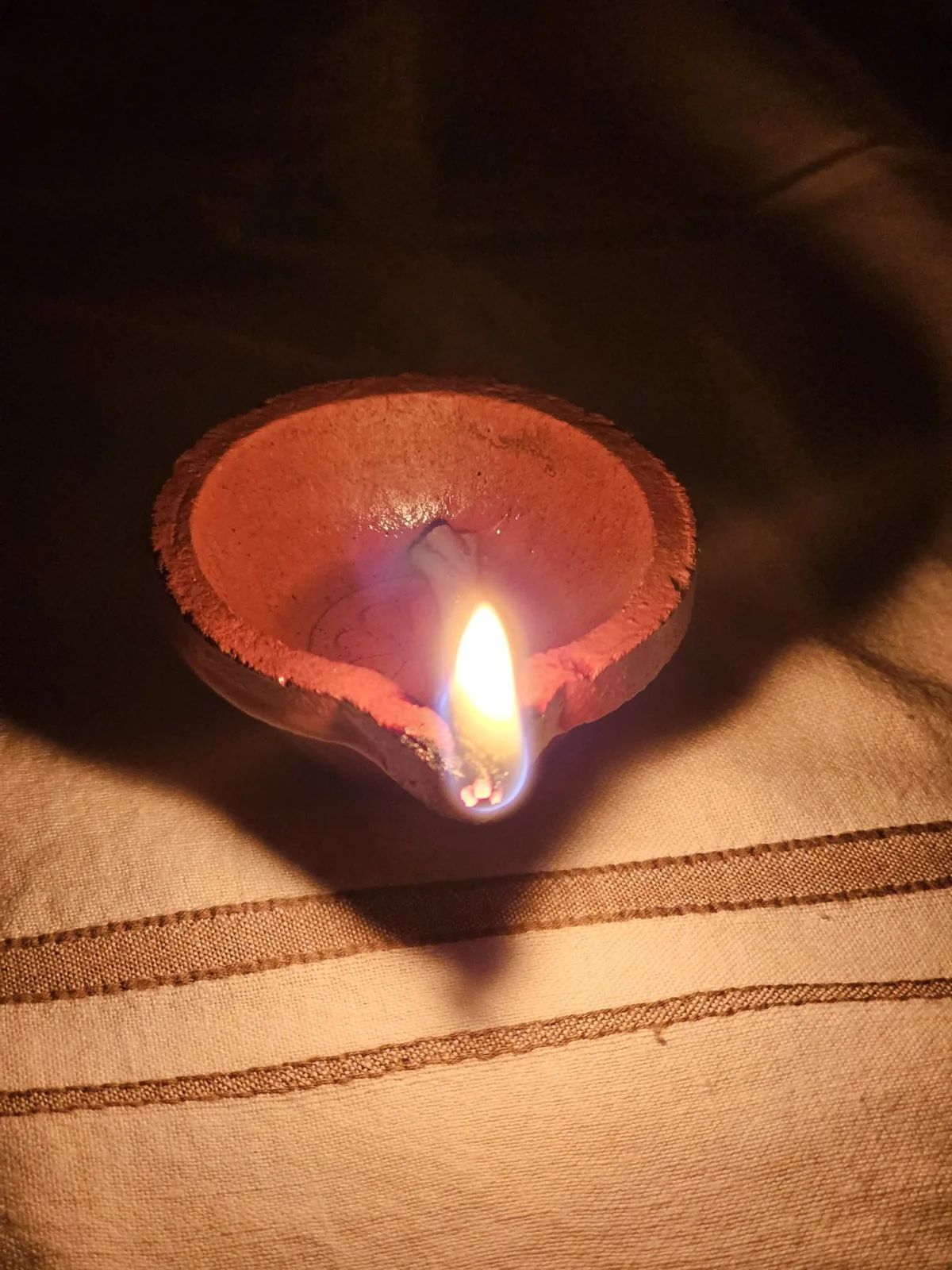
Ashtami of Kartik Krishna Paksha (north Indian purnimanta count), about four days after Karwa Chauth and about a week before Diwali. The fast runs from dawn to the sighting of the stars at dusk. Some families break it at moonrise. Check a panchang (drikpanchang.com) for the star and puja time in your city.
Parvati · Krishna Ashtami
कार्तिक (Kartik)
व्रत कथा The katha
This follows the longer Ahoi story where the youngest daughter-in-law takes the curse and is helped by the Surahi cow and the Garuda. A shorter printed version has the sahukar's daughter herself kill the cub and the youngest sister-in-law serve Syahu directly. Syahu is described as a porcupine or hedgehog-like creature in some tellings and as a wild animal of the forest den in others (some sources say hyena); the sources used here agree only on a Syahu cub in a forest den, so no species is fixed on this page. The Radha Kund bathing custom is a Braj tradition and was not found in the katha sources I could open, so it is given only as local custom (the midnight bath at Radha Kund itself is confirmed by Wikipedia). Details such as the seven kadhai and the seven Ahoi figures vary by family.
कथा (हिंदी)
कहते हैं कि एक नगर में एक साहूकार रहता था। उसके सात बेटे थे, सातों के विवाह हो चुके थे, और एक बेटी भी थी जो ब्याहकर अपनी ससुराल जा चुकी थी। दीवाली से कुछ दिन पहले की बात है। साहूकार की बेटी मायके आई हुई थी। कार्तिक कृष्ण अष्टमी का दिन था। घर लीपना-पोतना था, इसलिए सातों बहुएँ मिट्टी लेने जंगल की ओर चलीं। ननद भी उनके साथ हो ली।
जंगल में जिस जगह से वे मिट्टी खोद रही थीं, वहीं स्याहू माता की माँद थी। ननद खुरपी चला रही थी कि अनजाने में उसकी चोट से स्याहू का एक बच्चा मर गया। स्याहू माता को पता चला तो वह क्रोध से भर उठी और बोली कि जिसने मेरे बच्चे को मारा, मैं उसकी कोख बाँध दूँगी। ननद घबराकर काँपने लगी। उसने भाभियों से कहा कि तुममें से कोई मेरे बदले अपनी कोख बँधवा ले।
छह भाभियाँ टाल गईं, किसी ने हामी नहीं भरी। सबसे छोटी भाभी ने सोचा कि अगर मैं भी मना कर दूँ तो सास नाराज़ होंगी, ननद पर संकट आएगा। उसने ननद के बदले अपनी कोख बँधवा ली। इसके बाद जो भी संतान उसके हुई, सातवें दिन चली जाती। इस तरह उसके सात पुत्र हुए और सातों सातवें दिन मर गए। वह टूट गई और पंडित के पास जाकर पूछा कि यह क्यों हो रहा है।
पंडित ने ध्यान लगाकर कहा कि तुम सुरही गाय की सेवा करो। सुरही गाय स्याहू माता की सहेली है। वही तुम्हारी कोख खुलवा सकती है। वह बहू रोज़ भोर में अँधेरे में उठती, चुपके से गाय के नीचे की सफ़ाई कर देती और लौट आती। एक दिन गाय भोर में जल्दी उठ गई और उसने बहू को सफ़ाई करते देखा। उसने पूछा कि तू किसलिए मेरी इतनी सेवा करती है। बहू ने अपनी सारी कथा सुनाई। सुरही गाय को दया आई और उसने कहा कि चल, मैं तुझे सात समुद्र पार स्याहू माता के पास ले चलती हूँ।
दोनों चल पड़ीं। धूप तेज़ थी, रास्ते में एक पेड़ के नीचे बैठकर सुस्ताने लगीं। उसी पेड़ पर गरुड़ पंखनी का घोंसला था, और एक साँप गरुड़ के बच्चे को डसने जा रहा था। बहू ने देखा तो साँप को मारकर अपनी ढाल के नीचे छिपा दिया। थोड़ी देर बाद गरुड़ पंखनी लौटी। साँप का खून देख उसे लगा कि बहू ने उसके बच्चे को मारा है और वह चोंच मारने को झपटी। बहू ने कहा कि रुक जाओ, मैंने तो तुम्हारे बच्चे को बचाया है। गरुड़ पंखनी सच जानकर बहुत प्रसन्न हुई और बोली कि माँग, क्या चाहिए। बहू ने कहा कि मुझे स्याहू माता के पास पहुँचा दो। गरुड़ पंखनी ने उसे और सुरही गाय को अपनी पीठ पर बैठाकर सात समुद्र पार पहुँचा दिया।
स्याहू माता ने सुरही गाय को आदर से बिठाया और पूछा कि बहन, बहुत दिनों में आई हो। गाय ने कहा कि मेरी सेवा करने वाली इस बहू को तुम आशीर्वाद दो। उसी समय स्याहू माता के सिर में जूँएँ पड़ गई थीं। गाय के कहने पर बहू ने बड़े प्रेम से उनका सिर साफ़ किया। स्याहू माता प्रसन्न हुईं और बोलीं कि जा, तेरे सात बेटे और सात बहुएँ होंगी। बहू बोली, माता, मेरी तो कोख ही बँधी है, बेटे कहाँ से आएँगे। स्याहू माता ने कहा कि यह तो मैं बिना सोचे आशीर्वाद दे बैठी। अब मैं मना नहीं कर सकती। जा, घर पहुँचकर अहोई माता का उजमन करना, सात अहोई बनाना और सात कड़ाही चढ़ाना।
बहू घर लौटी तो घर में सात बेटे और सात बहुएँ देखकर आँखों से आँसू बह निकले। उसने स्याहू माता की बात के अनुसार सात अहोई बनाईं, सात उजमन किए और सात कड़ाही चढ़ाईं। शाम को जेठानियों ने अपने बच्चे भेजकर देखा कि छोटी देवरानी रो क्यों नहीं रही, तब बच्चों ने लौटकर बताया कि चाची तो पूजा-पाठ में लगी हैं। जेठानियाँ दौड़ी आईं और पूछा कि तूने अपनी कोख कैसे खुलवाई। उसने कहा कि तुमने तो अपनी कोख बँधवाई ही नहीं थी, मैंने बँधवाई, इसलिए स्याहू माता ने खोल दी। उसने प्रार्थना की कि माता, जैसा मुझ पर उपकार किया, वैसा सब पर करना।
तब से कार्तिक कृष्ण अष्टमी के दिन स्याहू या अहोई माता का चित्र बनाकर माताएँ अपने बच्चों के लिए व्रत रखती हैं। अहोई माता को पार्वती का रूप माना जाता है, जो बच्चों की रक्षा करती हैं। कथा सुनते समय हाथ में गेहूँ के सात दाने रखे जाते हैं। कहा जाता है कि जो माँ श्रद्धा से यह व्रत और कथा करती है, अहोई माता उसकी संतान की रक्षा करती हैं और घर में सुख बना रहता है।
The katha (English)
It is told that in a certain town lived a moneylender, a sahukar, with seven sons, all married, and one daughter who had been given in marriage elsewhere. A few days before Diwali that daughter came home on a visit. It was the Ashtami of Kartik Krishna Paksha. The house had to be plastered and freshened for the festival, so the seven daughters-in-law went out to the forest to dig clay, and the sister-in-law walked along with them.
The spot where they dug happened to be the den of Syahu Mata. As the nanad swung the digging tool, a stroke struck a Syahu cub by accident, and it died. When Syahu Mata learned of it, she was filled with grief and anger. She declared that she would bind the womb of whoever had killed her child. The young woman trembled and begged her brothers' wives to take the curse in her place.
Six of them found excuses. The youngest thought that if she too refused, her mother-in-law would be displeased and her husband's sister would suffer, so she agreed and had her own womb bound. After that, every child she bore died on the seventh day. Seven sons came one by one and left, and she was crushed. At last she went to a learned pandit and asked why this was happening to her.
The pandit meditated and told her to serve the Surahi cow, a close friend of Syahu Mata, who alone could get her womb opened. So every morning in the dark, the woman rose quietly, cleaned beneath the cow and slipped away. One day the cow woke earlier than usual and saw her at work. 'Why do you serve me so?' she asked. The woman told her whole sorrow. Moved, the cow said, 'Come, I will take you across the seven seas to Syahu Mata.'
They set out together. The sun was fierce and they stopped to rest under a tree, where a Garuda bird had her nest. A snake was creeping up to bite the chick. The woman saw it and killed the snake, hiding the body under her shield. When the mother Garuda returned and saw blood, she thought the woman had harmed her baby and swooped to strike. 'Wait,' cried the woman, 'I saved your child.' The mother learned the truth and was grateful, and asked what she could give. The woman asked only to be taken to Syahu Mata. So the bird carried both her and the cow over the seven seas.
Syahu Mata welcomed the cow warmly and asked why she had been away so long. The cow replied that this woman had served her with love and deserved a blessing. Just then Syahu Mata's head was full of lice, and at the cow's word the woman combed and cleaned her hair so tenderly that Syahu Mata was pleased. 'May seven sons be born to you, each with a bride,' she said. The woman answered, 'Mother, my womb is bound. How can I have sons?' Syahu Mata sighed that she had spoken too quickly, but could not take her word back. She told the woman to go home and perform the Ahoi udyapan, drawing seven Ahoi figures and offering seven kadhai.
Back at home the woman found a full household of sons and their wives waiting, and tears ran down her face. She did exactly as she was told: seven Ahoi, seven udyapan rites and seven kadhai offerings. In the evening her elder sisters-in-law sent their children to see why the youngest was not crying over her loss, and the children came back saying she was busy in puja. They rushed over and asked how she had opened her womb. 'You never had yours bound,' she answered, 'I had mine bound, so Syahu Mata released it.' And she prayed, 'Mother, as you were kind to me, be kind to all.'
From that day, on Kartik Krishna Ashtami mothers draw the image of Syahu or Ahoi Mata and fast for their children. Ahoi Mata is regarded as a form of Parvati, the protector of children. During the katha, seven grains of wheat are held in the hand. Believers say that the mother who keeps this fast with faith finds her children guarded by Ahoi Mata and her house filled with peace.
Traditional source: Folk and printed Ahoi Ashtami katha tradition, as told in common Hindi vrat-katha books and sites
क्या खाएँ · What to eat
- Nothing from dawn until the stars are seen, in the strict fast; some families allow water or fruit
- At the end: milk and cooked rice (doodh-chawal), halwa, puri and a home meal
- Satvik food only on the day, without onion or garlic
क्या छोड़ें · What to avoid
- Cutting the earth with a digging tool or spade on the day, which many families follow in memory of the katha
- Using sharp tools like a knife for vegetables during the vrat in some homes
- Anger, quarrel and harsh words with children
नियम How the day is kept
- Wake at dawn, bathe, and take a sankalp for your children's health and long life
- Draw Ahoi Mata on the wall with geru, or place a printed picture; draw the Syahu cub and seven sons with it
- Place a kalash of water, with a karwa, in front of the picture for the star arghya
- In the evening, hear the katha with seven grains of wheat in your hand, and offer doodh-chawal, halwa and puri
- Wear a silver Ahoi locket (syahu mala) on a thread, where your family does so, and add a bead every year
- Give arghya to the stars, or to the moon in some homes, then touch an elder's feet
- Braj tradition: couples without children and devotees go to Radha Kund near Govardhan at midnight on this night to bathe, for the blessing of a child. Ask a local guide for the correct custom and time
पारण और उद्यापन Breaking the fast
Break the fast at dusk when the stars appear: give arghya of water from the karwa to the stars, circle the lamp before Ahoi Mata and sing the aarti. Take prasad first, then doodh-chawal or a sweet, and a simple meal. Where your family opens the fast at moonrise, follow that custom and the time given in your city's panchang.
The katha mentions the Ahoi udyapan of the woman who got a child: seven Ahoi figures, seven rites and seven kadhai offerings. Families who vowed it do it as their elders direct, usually with a meal and gifts to children.
आरती और पूजा Aarti and puja
Sing the Ahoi Mata aarti at dusk, after the katha, with the lamp circled slowly before the wall picture and the kalash.
If you wish to be at Radha Kund on this Ashtami night, Laladham can pick you up in Delhi and take you to Govardhan and Radha Kund as part of a complete trip, with homecooked food on the way. Plan this trip
प्रश्न Questions, answered
Who keeps the Ahoi Ashtami fast?
Mothers keep it for their children's long life and health. Traditionally it was for sons, but many families now keep it for every child. Women without a child may keep it with a wish for one.
When is the fast broken?
At dusk when the stars are seen, after the arghya and aarti. Some families open it at moonrise. Check the star or moon time for your city in a panchang.
What is the Syahu locket?
A small silver Ahoi, called syahu or seh, worn on a thread. Many families add a bead or a silver grain each year and wear it until Diwali, then put it away for the next year.
Why is Radha Kund visited on Ahoi Ashtami?
Among Braj devotees it is held that couples wishing for a child bathe at Radha Kund at midnight on this Ashtami. It is a local tradition and not a part of the katha, so ask a local guide for the correct time.
What does a pandit or priest do at Ahoi puja?
Nothing is compulsory. Most homes do the puja themselves with the wall picture, the katha and the aarti, and call a priest only for a special udyapan.
तिथि और पारण का समय हर शहर में अलग होता है; अपने शहर का पंचांग (drikpanchang.com) देखें। कुल की परंपरा सर्वोपरि है। Dates change every year, so check a panchang for your city. If you are unwell, pregnant or on medicine, keep the fast in a lighter way.
Hear it in Braj. Laladham picks you up in Delhi and runs the complete trip, so you can keep your vrat where the stories happened.
Plan my trip