Ganesh · पर्व के व्रत
सकट चौथ व्रत कथा
Sakat Chauth Vrat Katha
Sakat Chauth katha in full: the potter and the widow's son in the kiln, then the two sisters-in-law and Ganesh. With moonrise puja, til offerings and how to open the fast.
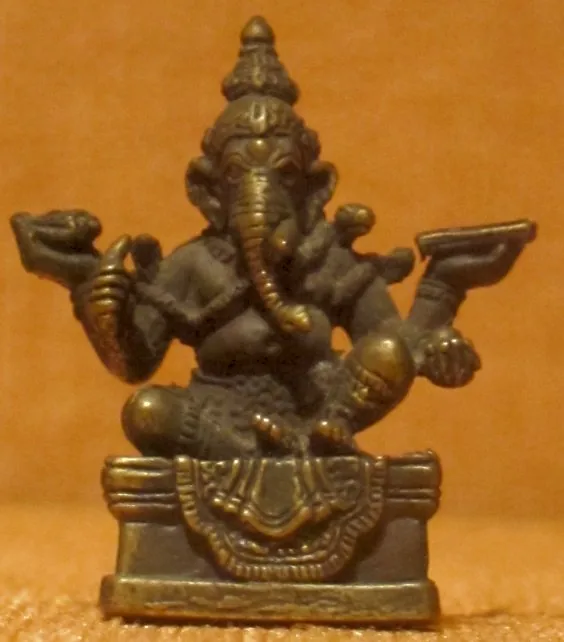
Krishna Paksha Chaturthi of Magha in the purnimanta count, usually in January or February. The vrat is kept all day and ends with the moon's arghya at night. The day is also called Til Chauth or Sankashti Chaturthi of Magha. Check a panchang (drikpanchang.com) for your city for the moonrise time, which changes with the place.
Ganesh · Magha Krishna Chaturthi
माघ (Magha)
व्रत कथा The katha
Printed books differ. The potter and widow's son version is the most widely told in north India, and some editions place it in the reign of King Harishchandra and let the mother tell the king about the vrat. The devrani and jethani story is the second commonly printed tale. A third tradition mentions Shiva, Parvati and Ganesh. Both stories above are folk kathas rather than a single Purana chapter, and details such as the exact offering vary by family.
कथा (हिंदी)
सकट चौथ की दो कथाएँ प्रचलित हैं, और माताएँ अक्सर दोनों सुनती हैं। पहली कथा एक कुम्हार और एक बूढ़ी विधवा के इकलौते बेटे की है, जो सकट माता और गणेश जी की कृपा का प्रमाण मानी जाती है।
बहुत पुरानी बात है। एक नगर में कुम्हार रहता था जो मिट्टी के सुंदर बर्तन बनाता था। एक बार उसने आँवे में बर्तन पकाने रखे, पर कई दिन आग जलाने पर भी वे कच्चे ही रह गए। उसकी रोज़ी रुकने लगी तो वह परेशान होकर राजा के पास गया। राजा ने राजपुरोहित से पूछा तो पुरोहित बोला कि जब भी आँवा लगे तो किसी बालक की बलि देने से वह पक जाएगा। राजा ने आज्ञा दे दी कि नगर के हर घर से बारी बारी से एक बालक आँवे के लिए भेजा जाए।
कई घरों के बालक भेजे गए। फिर वह दिन आया जब एक बूढ़ी माँ की बारी थी, जिसका एक ही बेटा था और वही उसके बुढ़ापे का सहारा था। वह दिन सकट चौथ का था। वह माँ सकट माता की भक्त थी। उसने रोते हुए भी हिम्मत रखी। बेटे को सुपारी और दूब का बीड़ा देकर बोली कि बेटा, आँवे में बैठकर सकट माता का नाम लेते रहना, वे तेरी रक्षा करेंगी। बालक आँवे में बैठ गया और माँ वहीं बाहर बैठकर रात भर माता से प्रार्थना करती रही।
आँवे में आग लगाई गई। जिस आँवे को पकने में कई दिन लगते थे, वह उसी रात में पककर तैयार हो गया। सबेरे कुम्हार ने आँवा खोला तो बर्तन पक चुके थे और बूढ़ी माँ का बालक सुरक्षित बैठा मुस्कुरा रहा था। इतना ही नहीं, पहले जिन बालकों को आँवे में भेजा गया था, वे भी जीवित मिले। पूरे नगर में जयकार हो गई। लोगों ने सकट माता की महिमा जानी और माँ बेटे का आदर किया। तब से स्त्रियाँ संतान की रक्षा के लिए सकट चौथ का व्रत रखने लगीं।
दूसरी कथा देवरानी और जेठानी की है, जो गणेश जी की कृपा और लोभ के फल को दिखाती है। दो भाई थे, बड़ा धनी और छोटा गरीब। छोटा भाई लकड़ी बेचकर घर चलाता था। उसकी पत्नी गणेश जी की भक्त थी और संकष्टी का व्रत रखती थी। गुज़ारे के लिए वह बड़े भाई के घर काम करती थी।
सकट चौथ के दिन जेठानी ने मज़दूरी देने से यह कहकर टाल दिया कि कल ले लेना। देवरानी खाली हाथ घर लौटी। उस दिन लकड़ी भी नहीं बिकी, घर में चूल्हा नहीं जला, पति ने गुस्से में उसे मारा और वह भूखी ही सो गई। रात को गणेश जी स्वयं उसके पास आए। उसे लगा कि सपना है, तो वह बोली कि द्वार खुला है, आ जाओ। गणेश जी ने कहा कि मुझे भूख लगी है। उसने सुबह की बनी हुई बथुए की भाजी उनके सामने रख दी। फिर गणेश जी ने कहा कि मुझे शौच जाना है, कहाँ जाऊँ और कैसे साफ करूँ। भूख और दुख में डूबी देवरानी ने कहा कि घर का कोई भी कोना ले लो, और पोंछने के लिए मेरा सिर है।
सबेरे उसने देखा कि उसके सिर पर, घर के कोनों में और द्वार पर हीरे, सोना और जवाहरात बिखरे हैं। वह तौलने के लिए जेठानी के घर तराजू माँगने गई। जेठानी ने चालाकी से तराजू के नीचे गोंद लगा रखी थी, उसमें गहने चिपक गए। तब उसे सच का पता चला और बार बार पूछने पर देवरानी ने पूरी बात बता दी।
अगले साल जेठानी ने भी वही सब दोहराया, यहाँ तक कि पति से मार भी खाई। गणेश जी आए तो उसने भी वैसा ही कहा, पर सुबह उसका घर गंदगी और दुर्गंध से भर गया। पंडितों ने सलाह दी कि सारा धन देवरानी के साथ बाँट लो। उसने बाँटा, फिर भी बदबू नहीं गई। तब पता चला कि उसने एक हार छिपा रखा था। हार भी लौटाते ही गणेश जी का शाप उतर गया। कहते हैं कि इस कथा को सुनकर जो गणेश जी का स्मरण करता है, उसके घर संकट नहीं ठहरता।
The katha (English)
Two stories are told on Sakat Chauth, and many mothers hear both. The first is about a potter and the only son of an old widow, and it is the one that shows the power of Sakat Mata and Ganesh. The second is about two sisters-in-law, one honest and poor, the other greedy and rich.
Long ago a potter in a town made beautiful clay pots. One season he stacked them in his kiln and lit the fire, but day after day they stayed raw. His livelihood was at risk, and he went to the king for help. The king asked the royal priest, who answered that if a child were offered whenever a kiln was set, the pots would bake. The king gave an order: each household in the town should send one child in turn.
Many families gave up their boys. Then the turn came to an old widow, who had one son and no one else to lean on in her old age. It was the day of Sakat Chauth, and she was a devotee of Sakat Mata. Weeping inside but steady outside, she gave her boy a betel nut and a blade of dub grass for protection. She told him to keep repeating the goddess's name once he sat in the kiln. The boy went in. The mother sat outside all night, praying.
The fire was lit. A kiln that normally took many days to bake was ready by morning. When the potter opened it, the pots were perfectly done, and the widow's son sat unharmed, smiling. The boys sent earlier were alive too. The town rang with shouts of praise. People understood the goddess's power and honoured the mother and her son. From then on, women began to keep the Sakat Chauth fast for the safety of their children.
Now the second story. There were two brothers, the elder rich and the younger poor. The younger one sold firewood to feed his family, and his wife, a devotee of Ganesh, kept the Sankashti fast. To help at home she worked in the elder brother's house.
On Sakat Chauth the elder brother's wife put off her wages, saying she would pay tomorrow. The younger wife went home empty handed. No wood sold that day, the hearth stayed cold, her husband lost his temper and beat her, and she lay down hungry. In the night Ganesh himself came to her door. Half asleep, she told him the door was open and to come in. He said he was hungry. She set before him the bathua greens she had cooked that morning. Then he asked where he could relieve himself and with what he could clean up. Worn out by hunger and hurt, she said he could use any corner of the house and offered her own head for the cleaning.
At dawn she woke to find her head, the corners of her house and her doorway covered in diamonds, gold and jewels. She went to borrow a weighing scale from her sister-in-law. The elder wife, who was cunning, had smeared gum under the pan, and bits of gold stuck to it. She understood at once that something had happened and kept asking until the poor woman told her everything.
The following year the rich sister-in-law copied it all, even getting herself beaten, and waited for Ganesh. He came, and she said the same words. By morning her house was full of filth and a terrible smell. Learned men told her to divide all her wealth with the poor woman. She did so, yet the stench stayed. Then it came out that she had hidden a necklace. She handed that over as well, and Ganesh's curse lifted. It is said that anyone who hears this tale and remembers Ganesh with a true heart sees troubles leave their house.
Traditional source: Folk Sankashti and Sakat Chauth katha as printed in Hindi vrat-katha books; the kiln story is also attributed to the reign of King Harishchandra in some editions
क्या खाएँ · What to eat
- Fruit, milk, sabudana and water through the day if you take a light fast
- Tilkut, til laddu, shakarkandi, singhara and jaggery as the offering and for opening the fast
- Sattvik food after moonrise
क्या छोड़ें · What to avoid
- Rice, wheat and pulses on the day
- Onion, garlic and non-vegetarian food
- Eating before the moon has been offered water
नियम How the day is kept
- Wake early, bathe and take the sankalp for the child's safety
- Set up Ganesh with durva, til, modak or laddu and a lamp
- Hear the katha in the evening and sing the Ganesh aarti
- Go outside at moonrise and offer arghya to the moon
पारण और उद्यापन Breaking the fast
Open the fast at night after moonrise, once the moon has been shown water mixed with milk and til and the Ganesh puja is complete. Take first a spoon of the til and jaggery prasad, then a sattvik meal. Do not eat before the moon is seen, and if it is cloudy follow the panchang moonrise time, and many families wait a little longer.
आरती और पूजा Aarti and puja
Sing the Jai Ganesh Jai Ganesh Deva aarti after the katha, and the Sankat Nashan Ganesh stotra if your family reads it.
प्रश्न Questions, answered
Is Sakat Chauth the same as Sankashti Chaturthi?
Sankashti Chaturthi falls every month on Krishna Paksha Chaturthi. The Magha one is the biggest and is called Sakat Chauth or Til Chauth.
Why are sesame seeds used?
Til marks the winter month of Magha and the tilkut made of sesame and jaggery is the common offering for Ganesh on this day.
Who keeps the Sakat Chauth fast?
Mostly mothers, for the long life and safety of their children, especially in Uttar Pradesh, Bihar and Rajasthan. Others may also keep it for Ganesh.
Can I drink water during the fast?
Many women take only water or fruit, and some do a nirjala fast. Follow your family custom and your health.
What time do I break the fast?
After moonrise on Magha Krishna Chaturthi. The time is different in each city, so check drikpanchang.com.
तिथि और पारण का समय हर शहर में अलग होता है; अपने शहर का पंचांग (drikpanchang.com) देखें। कुल की परंपरा सर्वोपरि है। Dates change every year, so check a panchang for your city. If you are unwell, pregnant or on medicine, keep the fast in a lighter way.
Hear it in Braj. Laladham picks you up in Delhi and runs the complete trip, so you can keep your vrat where the stories happened.
Plan my trip