Aarti · Ganesh
Jai Ganesh Jai Ganesh Deva जय गणेश जय गणेश देवा
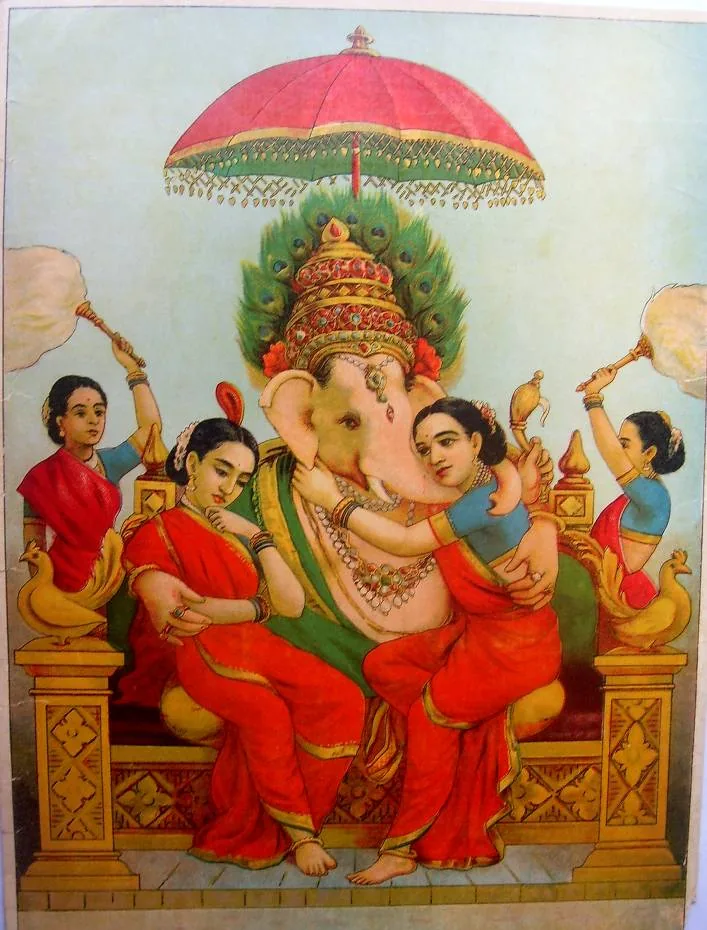
A short picture-aarti of Ganesh.
जय गणेश जय गणेश जय गणेश देवा।
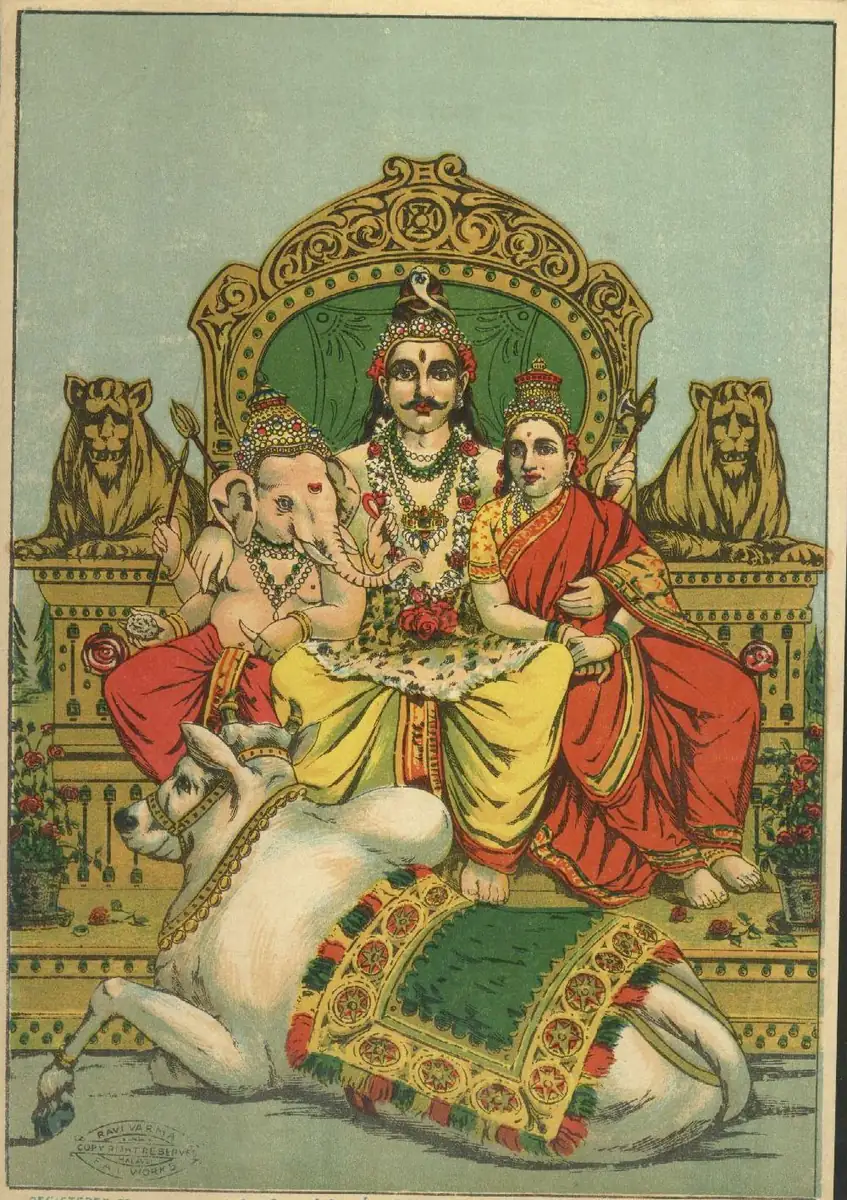
माता जाकी पार्वती पिता महादेवा॥
एकदन्त दयावन्त चार भुजाधारी।
माथे पर तिलक सोहे मूसे की सवारी॥
पान चढ़े फल चढ़े और चढ़े मेवा।
लड्डुअन का भोग लगे सन्त करें सेवा॥
अंधन को आँख देत कोढ़िन को काया।
बाँझन को पुत्र देत निर्धन को माया॥
सूर श्याम शरण आए सफल कीजे सेवा।
जय गणेश जय गणेश जय गणेश देवा॥
What it means
A short picture-aarti of Ganesh. He is the son of Parvati and Mahadev, one tusk, four arms, a mark on his forehead, riding a mouse. Offerings are laid in front of him: betel leaf, fruit, dry fruit and above all laddoos. The fourth verse lists what his grace does for the needy, giving eyes to the blind, a healthy body to the sick, a child to the childless and wealth to the poor. The last verse names a devotee who has come for shelter and asks that his service bear fruit.
How it is sung
Sung at the start of every puja, because Ganesh is called first, and loudest on Ganesh Chaturthi in homes and pandals. The tune is bright and quick with clapping. The first couplet is the refrain and comes back between the verses. Some temples add a closing couplet asking him to keep the honour of the poor, which is not in the core text.
Questions, answered
Why is the aarti said to be by Surdas?
The last verse names Soor Shyam, so many people read it as the signature of Surdas. Hearing it that way is a long-standing belief in aarti books, but nobody can prove the poet, so we call the text traditional.
Do all temples sing the same number of verses?
Most sing five. Some add a final couplet about protecting the honour of the poor and fulfilling wishes. That line is a later addition found on some sites, not in every book.
When should it be sung?
Before starting any new work or puja, and on Ganesh Chaturthi in the morning and evening.