Shiva · पर्व के व्रत
महाशिवरात्रि व्रत कथा
Mahashivratri Vrat Katha
The Mahashivratri katha of the hunter Gurudruh from the Shiva Purana, with the Chitrabhanu tale from the Mahabharata. Fast rules, four prahars and how to open the fast.
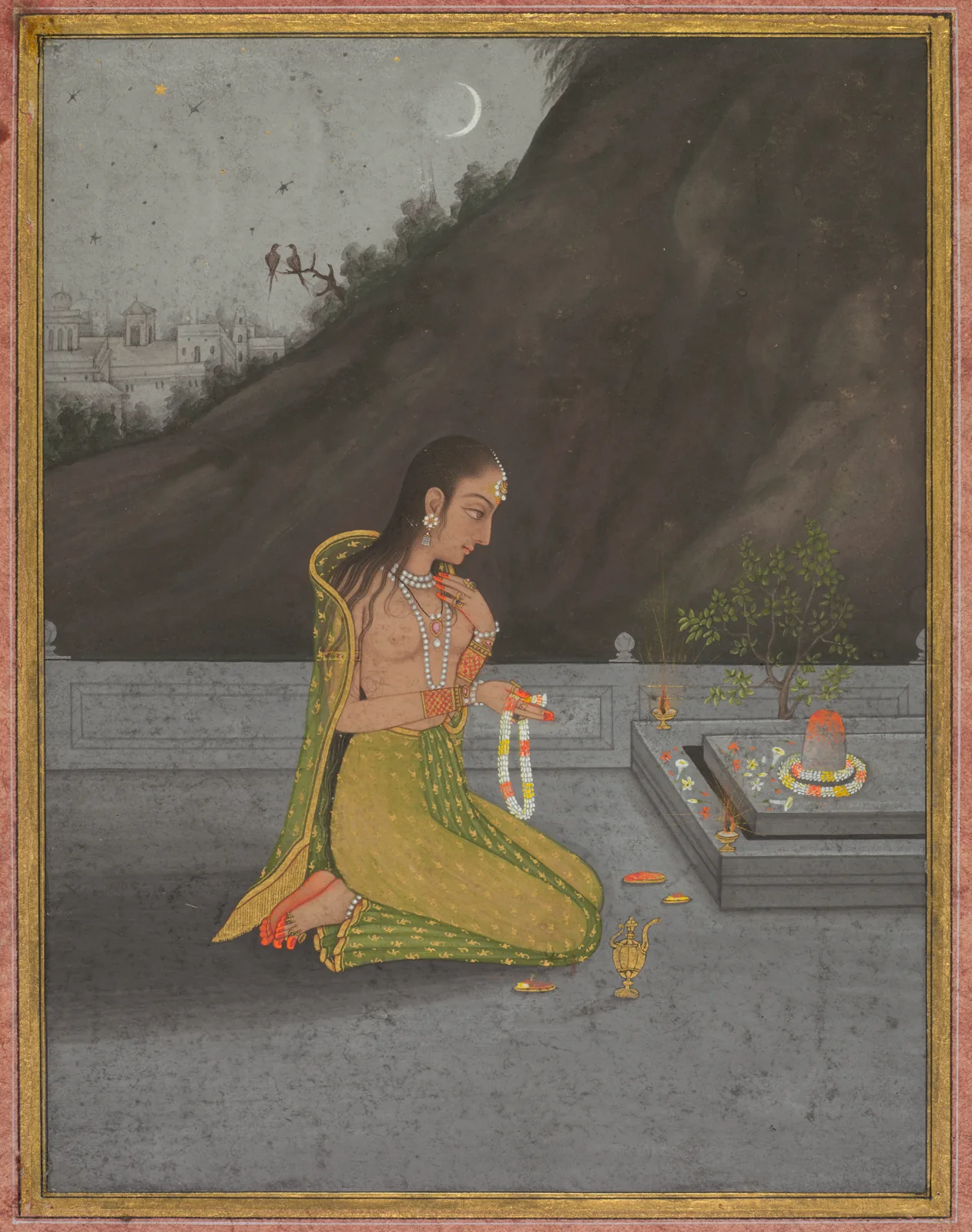
The night of Krishna Paksha Chaturdashi in Magha by the purnimanta count, which is Phalguna in the amanta calendar, usually in February or March. The four prahars run from sunset to sunrise and the midnight window called Nishita is the most prized. Check a panchang (drikpanchang.com) for your city for the timings, since the tithi can start on the day before.
Shiva · Krishna Chaturdashi night
माघ (Magha), फाल्गुन (Phalguna)
व्रत कथा The katha
The commonest printed Shiva Purana version names the hunter Gurudruh, and the deer pairs are a doe, her sister and a stag. The names Chitrabhanu and Suswara belong to a separate tale told by Bhishma in the Mahabharata and retold on many websites, where Suswara kills a deer, spends the night on a bilva tree and later becomes King Chitrabhanu. Some web versions merge the two stories. This page tells Gurudruh in full and mentions Chitrabhanu at the end, since the sources do not agree on a single hunter story.
कथा (हिंदी)
शिव पुराण में सूत जी नैमिषारण्य के ऋषियों को शिवरात्रि की जो कथा सुनाते हैं, वह एक शिकारी की है। कहा जाता है कि पार्वती जी ने भगवान शंकर से पूछा था कि प्रभु, ऐसा कौन सा व्रत है जिसे हर वर्ण, हर आयु का मनुष्य कर सके और जिससे आपकी कृपा मिले। तब शिव जी ने शिवरात्रि का माहात्म्य बताया और सूत जी ने उसी के प्रमाण में यह कथा कही।
बहुत समय पहले एक वन में गुरुद्रुह नाम का बलवान शिकारी रहता था। वह निषाद था, दिन रात पशु पक्षियों का शिकार करता और उसका स्वभाव कठोर हो गया था। उसने जीवन में कभी कोई पुण्य का काम नहीं किया था। एक बार कई दिन तक उसके हाथ कुछ नहीं लगा। घर में पत्नी, बच्चे और बूढ़े माता पिता भूखे बैठे थे। वह दिन संयोग से माघ या फाल्गुन कृष्ण चतुर्दशी की शिवरात्रि का था, और भूख के कारण उस परिवार ने भी उस दिन अनजाने में उपवास कर लिया।
शाम होने पर गुरुद्रुह धनुष बाण और जल का पात्र लेकर वन में पहुँचा। एक तालाब के पास बिल्व का वृक्ष था। वह उसी पर चढ़कर बैठ गया कि कोई जानवर पानी पीने आएगा तो शिकार कर लूँगा। उसे पता नहीं था कि उस वृक्ष की जड़ में एक स्वयंभू शिवलिंग विराजमान है। डालियों पर चढ़ते और बैठते समय उसके हाथ से बेलपत्र टूटकर नीचे गिरते गए और पात्र का जल भी छलका। रात का पहला पहर बीता तो एक हिरनी पानी पीने आई। शिकारी ने बाण चढ़ाया, और उसी हलचल में बेलपत्र और जल शिवलिंग पर गिर पड़े। यही उसके अनजाने में हुई पहले पहर की पूजा बन गई।
हिरनी ने उसे देखा और काँपकर पूछा कि तुम मुझे क्यों मारना चाहते हो। शिकारी ने बताया कि मेरा परिवार भूखा है। हिरनी बोली कि मेरे दो छोटे बच्चे घर पर हैं, मुझे बहन के पास उन्हें सौंप आने दो, मैं तुम्हारे पास लौट आऊँगी। शिकारी ने पहले मना किया, पर हिरनी ने सौगंध खाई। उसका मन पसीज गया और उसने उसे जाने दिया।
दूसरा पहर आया तो हिरनी की बहन उसे ढूँढती हुई उसी तालाब पर आई। शिकारी ने फिर धनुष खींचा और फिर बेलपत्र और जल शिवलिंग पर गिरे। यह दूसरे पहर की पूजा हो गई। उस हिरनी ने भी वही प्रार्थना की कि मुझे बच्चों से मिलकर आने दो। उसने भी शपथ ली और गुरुद्रुह ने उसे भी छोड़ दिया।
तीसरे पहर में एक हिरन आया। शिकारी ने तीर साधा तो एक बार फिर पत्ते और जल शिवलिंग पर गिरे और तीसरे पहर की पूजा भी हो गई। हिरन ने पूछा कि तुम क्या चाहते हो। शिकारी ने वही उत्तर दिया। हिरन बोला कि तुम्हारा परिवार भूखा है तो मैं अपना शरीर देने को तैयार हूँ, पर पहले मुझे अपनी पत्नी और बच्चों से मिल आने दो। शिकारी को आश्चर्य हुआ, क्योंकि पहले जिन्होंने वचन दिया था वे लौटे नहीं थे। फिर भी हिरन ने शपथ ली और उसे भी जाने दिया।
उधर वे दोनों हिरनियाँ और हिरन एक जगह मिले। तीनों ने एक दूसरे को अपनी शपथ बताई और तय किया कि वचन तोड़ना पाप है, इसलिए शिकारी के पास लौटना ही होगा। बड़ी हिरनी ने कहा कि सबसे पहले मैं अपना शरीर दूँगी। पर किसी ने पीछे हटना नहीं चाहा। सब अपने बच्चों के साथ तालाब की ओर चल पड़े।
चौथा पहर शुरू हो चुका था। सभी हिरनों को लौटते देखकर शिकारी ने धनुष उठाया और फिर बेलपत्र तथा जल शिवलिंग पर गिर पड़े। चौथे पहर की पूजा पूरी हुई और रात भर का जागरण भी हो चुका था। उसके मन के पाप धुल गए। हिरन बोले कि शिकारी, जल्दी करो और हमें मार दो। गुरुद्रुह उनकी सत्यनिष्ठा और त्याग देखकर रो पड़ा। उसे अपनी निर्दयता पर ग्लानि हुई। उसने धनुष नीचे रख दिया और कहा कि तुम धन्य हो, जाओ।
इसी क्षण भगवान शिव उस शिवलिंग से प्रसन्न होकर प्रकट हुए। उन्होंने शिकारी को स्पर्श किया और वर माँगने को कहा। गुरुद्रुह उनके चरणों में गिर पड़ा और बोला कि प्रभु, मुझे सब कुछ मिल गया। शिव जी ने उसका नाम गुह रखा और कहा कि तुम शृंगवेरपुर में निवास करोगे, दिव्य सुख भोगोगे, तुम्हारे कुल की वृद्धि होगी, और त्रेता में श्रीराम तुम्हारे घर आएँगे और तुम्हारे मित्र बनेंगे। अंत में तुम्हें मुक्ति मिलेगी। हिरन भी शिव के दर्शन पाकर पशु देह से छूट गए और दिव्य लोक चले गए। समय आने पर श्रीराम की कृपा से गुह ने मोक्ष पाया।
सूत जी ने कहा कि जब अनजाने में किया हुआ शिवरात्रि का व्रत निषादराज को तार सकता है तो श्रद्धा से करने वाले को क्या अप्राप्य होगा। इस व्रत के समान कोई तीर्थ, दान या तप नहीं, इसीलिए इसे व्रतराज कहते हैं। महाभारत के शांति पर्व में भीष्म ने भी इक्ष्वाकु वंश के राजा चित्रभानु की कथा कही है जो पूर्वजन्म में सुस्वर नाम के शिकारी थे। उन्होंने वन में बेल के वृक्ष पर रात बिताई और अनजाने में शिवलिंग पर पत्ते गिरे। उसी पुण्य से वे शिवलोक गए और फिर राजा चित्रभानु के रूप में जन्मे, तब उन्होंने अष्टावक्र मुनि को अपना पूर्वजन्म बताया।
The katha (English)
In the Shiva Purana, the sage Suta tells the sages of Naimisha forest the Shivaratri story, and it is about a hunter. It is said that Parvati asked Shiva which vow could be kept by people of every class and age and would bring his grace. Shiva described the greatness of Shivaratri, and Suta gave this tale as the proof.
Long ago, in a forest lived a strong hunter of the Nishada people named Gurudruh. He killed animals and birds every day, and his heart had grown hard. He had never done one good deed. For several days nothing had come into his net. At home his wife, children and aged parents sat hungry. That day happened to be Shivaratri, the dark fourteenth of Magha or Phalguna, and the whole family, simply because they had no food, fasted without knowing.
At dusk Gurudruh went into the forest with his bow, arrows and a pot of water. Near a pond stood a bilva tree. He climbed into it to wait for an animal to come and drink. Unseen by him, beneath the tree stood a self manifested Shiva lingam. As he shifted among the branches, bilva leaves broke off and fell, and water splashed from his pot. In the first watch of the night a doe came to drink. He drew his bow, and in that movement the leaves and water fell on the lingam. That was his first prahar of worship, though he had no idea.
The doe saw him and trembled, and asked why he wished to kill her. He told her his family was starving. She begged him to let her go first and leave her two little ones with her sister, promising to return. He refused at first. She took an oath, and something in him softened, so he allowed her to leave.
In the second watch, the doe's sister came looking for her and arrived at the same pond. Again he aimed, and again the bilva leaves and a splash of water landed on the Shiva stone. That was the second prahar. This doe too asked for time to see her young ones, swore to return, and the hunter let her go.
In the third watch a stag arrived. The hunter set an arrow, and the third offering of leaves and drops arrived without his intent. The stag asked what he wanted and the hunter gave the same answer. The stag said he would gladly give his body for the hungry family, but first he wished to meet his wife and fawns. The hunter was amazed, because the earlier ones had not come back yet. The stag swore and he let him go as well.
Meanwhile the two does and the stag met and told each other their promises. They agreed that breaking a vow is sin and that they must return. The elder doe said she would go first. None wished to stay behind. They set out together for the pond, followed by their young.
The fourth watch had begun. Seeing the whole herd return, the hunter raised his bow, and one more fall of bilva and water covered the symbol of Shiva. His fourth prahar was done, and the whole night had passed in wakefulness. His sins had been washed away. The deer urged him to be quick and kill them. Gurudruh began to weep at their truthfulness and sacrifice, ashamed of his own cruelty. He laid down the bow and said: you are blessed, go in peace.
At that moment Shiva appeared from the lingam, pleased. He touched the hunter and asked him to choose a boon. Gurudruh fell at his feet and said he had already received everything. Shiva named him Guha and told him that he would live at Shringaverapura, enjoy divine comforts, see his family flourish, and that in the Treta age Shri Ram would visit his home and become his friend. At the end he would reach liberation. The deer, having seen Shiva, left their animal bodies and went to a divine realm. In due time, through Ram's grace, Guha attained moksha.
Suta said: if a fast kept unknowingly could free a hunter, what cannot be won by one who keeps it with faith? No holy bath, gift or austerity equals it, and so the vrat is called the king of vows. The Mahabharata, in the Shanti Parva, has a related tale told by Bhishma about King Chitrabhanu of the Ikshvaku line. In his past birth he was a hunter named Suswara. He spent a night on a bilva tree in the forest, a few leaves slipped down onto a lingam below without his meaning it, and that merit took him to Shiva's world. Later he was born as Chitrabhanu and told the sage Ashtavakra of it.
Traditional source: Shiva Purana, Vidyeshvara Samhita, the hunter Gurudruh as told by Suta, in common vrat-katha books; the short Chitrabhanu tale from the Shanti Parva of the Mahabharata
क्या खाएँ · What to eat
- Water, milk, fruit, makhana and sabudana through the day
- Sendha namak items, kuttu or singhara atta in the morning after puja
- Thandai and fruit prasad for families that keep a light fast
क्या छोड़ें · What to avoid
- Grain, rice and pulses on the fast day
- Onion, garlic, meat and alcohol
- Sleeping through the night if you keep the jagran, and harsh words
नियम How the day is kept
- Bathe in the morning, take the vrat sankalp and keep fast through the day
- In the evening do Shiva puja with water, milk and bilva leaves in four prahars
- Chant Om Namah Shivaya and keep jagran through the night
- Visit a Shiva temple, hear the katha and give daan
पारण और उद्यापन Breaking the fast
Open the fast next morning after sunrise, once you have bathed and done the morning Shiva puja. Wait for the Chaturdashi tithi to end if your panchang says so, and take the first food as prasad, usually a light sattvik meal. Do not break the fast at midnight, and check drikpanchang.com for the paran window in your city.
आरती और पूजा Aarti and puja
Close each prahar with the Om Jai Shiv Omkara aarti.
Om Jai Shiv Omkara aartiMahashivratri puja vidhiShivling abhishek
Laladham can pick you up in Delhi and take you to Kashi Vishwanath or the Mahakal temple in Ujjain for a complete Shivaratri trip. Plan this trip
प्रश्न Questions, answered
Is the Mahashivratri katha about Chitrabhanu or Gurudruh?
The Shiva Purana tells of the hunter Gurudruh. Chitrabhanu is a king in the Mahabharata whose past life was a hunter. Many books mix them.
How many prahars are there on Mahashivratri?
Four, between sunset and sunrise, each about three hours. Shiva is worshipped with abhishek in every prahar.
Why are bilva leaves offered to Shiva?
Bilva is dear to Shiva, and in the katha leaves falling on the lingam freed the hunter. Offer three leaved leaves with the smooth side down.
Can I keep the fast without staying awake?
The jagran is the heart of the vrat for those who can. If you cannot, do at least one proper puja and rest.
When is Mahashivratri in 2027?
It falls on the Krishna Chaturdashi night of Magha or Phalguna in February or March. Check drikpanchang.com for the exact day.
तिथि और पारण का समय हर शहर में अलग होता है; अपने शहर का पंचांग (drikpanchang.com) देखें। कुल की परंपरा सर्वोपरि है। Dates change every year, so check a panchang for your city. If you are unwell, pregnant or on medicine, keep the fast in a lighter way.
Hear it in Braj. Laladham picks you up in Delhi and runs the complete trip, so you can keep your vrat where the stories happened.
Plan my trip