Shiva · मासिक व्रत
प्रदोष व्रत कथा
Pradosh Vrat Katha (Shiva's Twilight Fast)
Pradosh vrat katha: the widowed Brahmani, the Vidarbha prince and the Gandharva girl Anshumati, with the weekday-wise Pradosh phala and how to keep the fast.
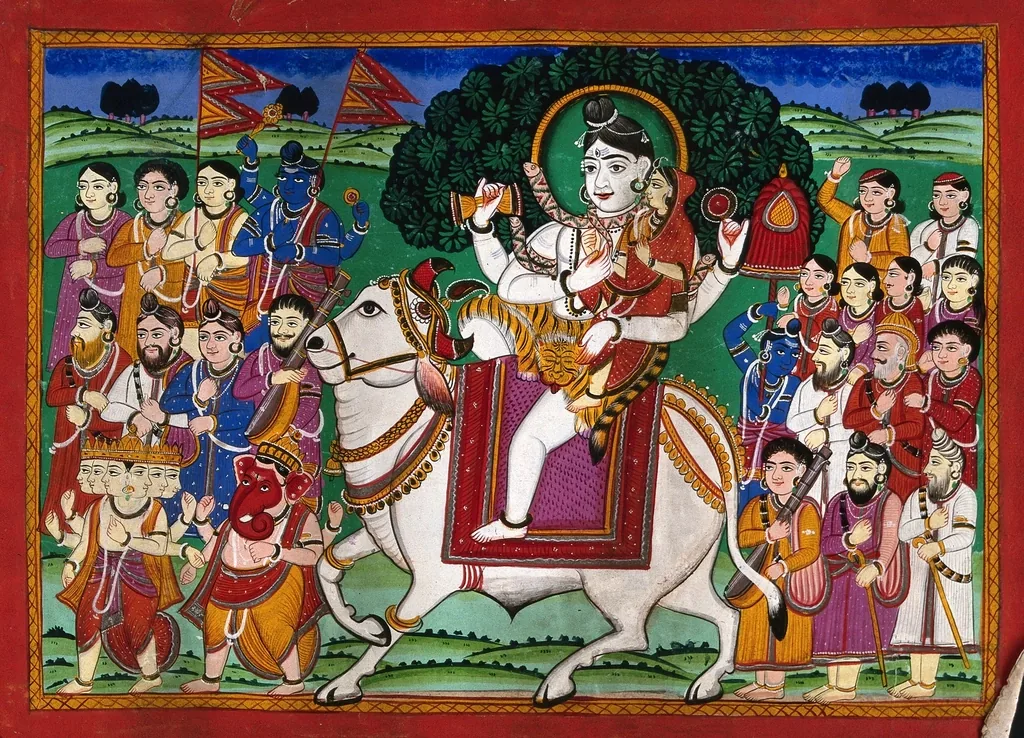
Twice a month, on Trayodashi of Shukla and Krishna Paksha, when the tithi is present in the Pradosh hours just after sunset. The weekday names the vrat: Som Pradosh on Monday, Shani Pradosh on Saturday and so on. Pradosh timing differs by city, so check a panchang (drikpanchang.com) for your place.
Shiva · Trayodashi (13th), both pakshas
व्रत कथा The katha
Printed books split the Pradosh stories by weekday. The widowed Brahmani and the Vidarbha prince appear in the Som (Monday) Pradosh telling; the prince is named Dharmagupt and his marriage to Anshumati is told in the Shani (Saturday) Pradosh telling on Drik Panchang. Some web tellings do not name the prince at all. This page follows the combined telling most books use. The mention of Skanda Purana for the vrat is the general tradition and the exact verse is not cited here.
कथा (हिंदी)
कहते हैं कि प्राचीन समय में एक नगर में एक विधवा ब्राह्मणी अपने छोटे पुत्र के साथ रहती थी। पति के जाने के बाद घर में कोई सहारा नहीं बचा था। हर सुबह वह बेटे को साथ लेकर निकलती और भिक्षा माँगकर जो कुछ मिलता, उसी से दोनों का पेट पलता। दुख बहुत था, पर ब्राह्मणी ने कभी भगवान शिव से मुँह नहीं मोड़ा और बेटे को भी सिखाया कि कठिन दिनों में महादेव का नाम ही सहारा है।
एक दिन भिक्षा लेकर लौटते समय ब्राह्मणी को रास्ते में एक युवक घायल पड़ा मिला। वह दर्द से कराह रहा था। ब्राह्मणी का मन पसीज गया। वह उसे अपने घर ले आई, उसके घाव धोए और अपने बेटे की तरह सेवा की। बाद में पता चला कि वह विदर्भ देश का राजकुमार है। शत्रु सेना ने उसके राज्य पर हमला करके उसके पिता को बंदी बना लिया था और राज्य पर कब्ज़ा कर लिया था। जान बचाने को वह इधर-उधर भटकता हुआ यहाँ आ पहुँचा था। कई ग्रंथों में उसका नाम धर्मगुप्त बताया जाता है। वह राजकुमार ब्राह्मणी और उसके पुत्र के साथ ही रहने लगा।
ब्राह्मणी नियम से प्रदोष का व्रत रखती थी। त्रयोदशी की संध्या को वह शिवजी की पूजा करती, कथा कहती और फिर भोजन करती। राजकुमार और ब्राह्मण का बेटा भी उसके साथ बैठकर पूजा देखते। इसी तरह कुछ समय बीत गया। एक दिन राजकुमार और ब्राह्मण का बेटा नगर के बाहर घूम रहे थे कि कुछ गंधर्व कन्याएँ वहाँ आईं। उनमें से एक का नाम अंशुमती था। अंशुमती ने राजकुमार को देखा तो पहली ही नज़र में उसका मन उनकी ओर खिंच गया।
घर लौटकर अंशुमती ने अपने माता-पिता को बताया। अगले दिन वह उन्हें साथ लेकर राजकुमार से मिलाने आई। माता-पिता ने उस युवक को देखा, उसकी विनम्रता और संस्कार परखे, और उन्हें वह पसंद आ गया। इसी बीच बताया जाता है कि भगवान शिव ने अंशुमती के माता-पिता को सपने में दर्शन दिए और आज्ञा दी कि अपनी कन्या का विवाह इस राजकुमार से कर दो। महादेव का आदेश पाकर उन्होंने ऐसा ही किया। राजकुमार और अंशुमती का विवाह हो गया।
विवाह के बाद राजकुमार ने गंधर्वराज की सेना की सहायता से विदर्भ पर चढ़ाई की। भयंकर युद्ध हुआ। शत्रु पराजित हुए, राजकुमार ने अपने पिता को छुड़ाया और अपना खोया हुआ राज्य फिर पाया। यह सब ब्राह्मणी के प्रदोष व्रत का फल माना गया, क्योंकि जिस दिन से उसने राजकुमार को आश्रय दिया था, उसी दिन से उसकी श्रद्धा उसके साथ-साथ चल रही थी।
राजकुमार कृतज्ञता भूला नहीं। राजा बनकर उसने ब्राह्मण के बेटे को अपना प्रधानमंत्री बनाया और ब्राह्मणी को सम्मान सहित अपने महल में स्थान दिया। जो माँ कभी द्वार-द्वार भिक्षा माँगती थी, वही अब राजसभा में आदर पाने लगी। उसका सारा कष्ट कट गया और उसके घर में सुख-संपत्ति आ गई।
कथा सुनाने वाले अंत में यही कहते हैं कि जैसे प्रदोष व्रत के प्रभाव से राजकुमार और ब्राह्मण के बेटे के दिन फिरे, वैसे ही शिवजी अपने हर भक्त के दिन फेर देते हैं। इसीलिए जो भी श्रद्धा के साथ प्रदोष का व्रत रखता है और संध्या को शिव-पार्वती का पूजन करता है, उसके घर में अन्न, धन और शांति बनी रहती है। हर हर महादेव।
The katha (English)
It is said that long ago, in a certain town, lived a widowed Brahmani with her young son. After her husband's death she had no one to lean on. Each morning she took the boy by the hand and went out to beg, and whatever the day gave them was all they had to eat. Their poverty was heavy, yet she never turned her face from Shiva, and she taught her child that in hard times the name of Mahadev is the only shelter. Those who tell this story pause here, because it shows where a Pradosh devotee begins: with very little in the hand and very much in the heart.
One afternoon, coming home with her alms, she found a young man lying wounded by the roadside, groaning in pain. Her heart melted. She brought him to her home, washed his wounds, and nursed him like her own son. In time she learned that he was a prince of Vidarbha. An enemy army had attacked his land, taken his father prisoner and seized the kingdom, and he had fled, wandering in hiding until he reached this town. Many books give his name as Dharmagupt. He stayed on with the Brahmani and her boy.
The Brahmani kept the Pradosh fast faithfully. On Trayodashi evening she worshipped Shiva, told the katha, and only then ate. The prince and the Brahmin boy sat beside her and watched the puja. Days went by like this. One day the two young men were walking outside the town when a group of Gandharva maidens came by. One of them, Anshumati, looked at the prince and, at first sight, her heart went out to him. Nothing grand was happening in that small house, only a lamp, a few flowers and a mother's steady voice, but Shiva, the elders believe, watches such evenings closely.
At home she told her parents. The next day she brought them to meet him. They watched how gently he spoke and how well he carried himself, and they liked him. Then, as the story goes, Lord Shiva himself appeared in a dream to the girl's parents and told them to give their daughter in marriage to this prince. Mahadev's word was enough, and the wedding was held.
Backed now by the army of the Gandharva king, the prince marched on Vidarbha. A fierce battle followed. The invaders were beaten, his father was set free, and the lost kingdom came back into his hands. Those who tell the katha say this was the fruit of the Brahmani's Pradosh vrat, for her faith had walked beside him from the very day she gave him shelter.
The prince did not forget his debt. Once on the throne, he made the Brahmin's son his chief minister, and gave the widow a home in the palace with full honour. The woman who once begged from door to door now sat among respected elders at court. Every sorrow of her old life melted away, and plenty entered her house. Nobody in that court ever heard her boast of it; she is remembered as a woman who simply went on keeping her fast.
Tellers of the story end by saying that Shiva turns the fortunes of every devotee in just this manner. So whoever keeps the Pradosh fast with trust, and worships Shiva and Parvati at dusk, is believed to find grain, wealth and a quiet mind staying in the home. Har Har Mahadev. The old people add that the story is not about a kingdom at all, but about kindness shown to a stranger and faith kept up when nothing seemed to answer.
Traditional source: Pradosh vrat katha as told in common vrat-katha books, in the Som Pradosh and Shani Pradosh tellings, tracing to the Skanda Purana tradition of Pradosh worship
क्या खाएँ · What to eat
- Fruit, milk and water through the day, if your family allows
- Sabudana, kuttu or singhara preparations, makhana and potatoes in many homes
- After the evening puja, a light satvik meal without onion or garlic
क्या छोड़ें · What to avoid
- Meat, alcohol, onion and garlic on the vrat day
- Sleeping through the day and idle quarrel
- Taking only tea and snacks and calling it a fast, as the heart of the vrat is a calm mind and Shiva's puja
नियम How the day is kept
- Bathe early, take a sankalp for the Pradosh vrat and think of Shiva through the day
- Rest a little in the afternoon, bathe again before sunset and wear clean clothes, white if you can
- Do Shiva-Parvati puja in Pradosh kaal, about one and a half hours around sunset: water, milk or Gangajal, belpatra, white flowers, a ghee lamp, dhatura and bhasma if it is your custom
- Hear or read the katha, circle the Shivling, then sing the aarti
- Weekday-wise phala as commonly told: Sunday Pradosh for health and a long life; Monday for peace of mind and wishes fulfilled; Tuesday for health and relief from debt; Wednesday for learning and the fulfilment of desires; Thursday for victory over enemies; Friday for harmony in marriage and fortune; Saturday for children, a lost position or rank, and relief from Shani's trouble
- Give food or a little money to a poor person before you eat
पारण और उद्यापन Breaking the fast
Break the fast in the evening after the Pradosh puja, katha and aarti. Take Shiva's prasad first, then a simple satvik meal. If you have fasted from grain through the day, start with fruit or milk and then eat khichdi, kuttu roti or plain chapati and vegetables. Next morning resume your normal food.
Many families do the udyapan after 11 or 26 Trayodashis, or on a Pradosh day chosen with the priest: Shiva puja with havan, a feeding of Brahmins or the poor, and a gift of cloth or a vessel.
आरती और पूजा Aarti and puja
Sing Om Jai Shiv Omkara at the end of the Pradosh puja, with a camphor flame circling slowly in front of the Shivling.
Om Jai Shiv OmkaraShivling abhishek at homeRudrabhishekMahashivratri puja
प्रश्न Questions, answered
What is Pradosh time?
Pradosh kaal is the stretch of about one and a half to two hours around sunset, starting a little before sunset. The Trayodashi tithi must be present then, so the day is picked by the tithi at dusk, not at sunrise.
Which Pradosh is the most important?
Shani Pradosh on Saturday and Som Pradosh on Monday are widely loved. Every Pradosh is held good, and the weekday only changes which blessing is stressed.
Can I drink water during Pradosh vrat?
Yes, in most homes. Some families keep it as a full nirjala day, but there is no need for that. Fruit and milk are fine for those who cannot go without food.
Who can keep Pradosh vrat?
Anyone, man or woman, married or single. Pregnant women, the sick and elders can follow a lighter fast on the advice of a doctor.
Should I visit a temple at Pradosh?
It is lovely to, especially for the evening abhishek and aarti, but home puja is fully fine.
तिथि और पारण का समय हर शहर में अलग होता है; अपने शहर का पंचांग (drikpanchang.com) देखें। कुल की परंपरा सर्वोपरि है। Dates change every year, so check a panchang for your city. If you are unwell, pregnant or on medicine, keep the fast in a lighter way.
Hear it in Braj. Laladham picks you up in Delhi and runs the complete trip, so you can keep your vrat where the stories happened.
Plan my trip