Shiva · वार के व्रत
सोमवार व्रत कथा
Somvar (Monday) Vrat Katha
The Monday vrat katha of Shiva and Parvati: the childless sahukar, the boon of a son, the borrowed groom and the boy brought back to life, with vrat rules and 16 Somvar.
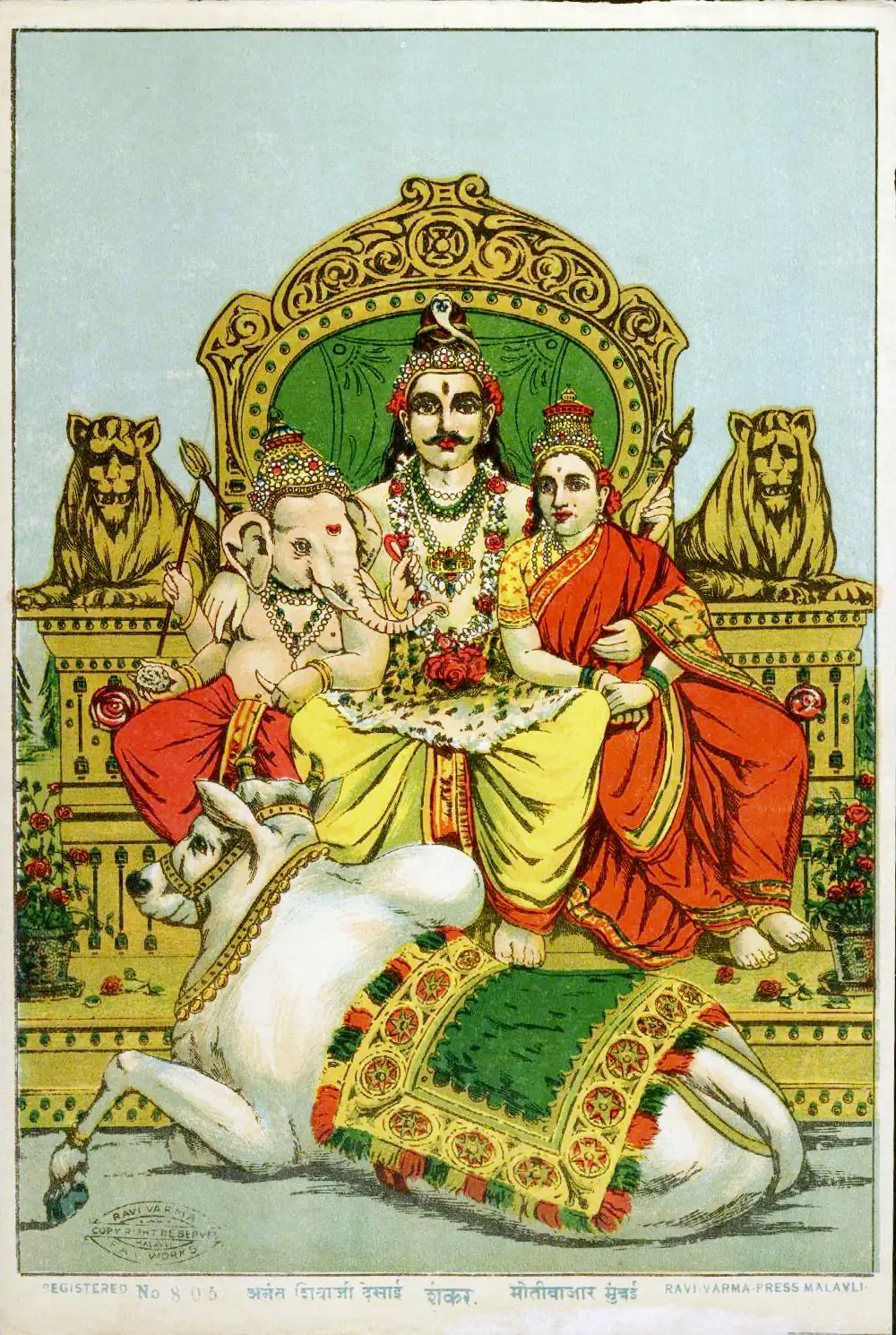
Every Monday, from sunrise until the evening puja. Many take a vow to keep 16 Mondays in a row (solah somvar), and the Mondays of the month of Shravana (Sawan) are held especially dear. Some also fast on Mondays of Kartik. Check a panchang (drikpanchang.com) for your city to see when Sawan begins and which Mondays fall in it.
Shiva · Every Monday; Sawan Mondays are the most loved
सोमवार (Monday)
व्रत कथा The katha
Printed and online versions differ in details. In the commonest telling the boon is a son who lives twelve years, and the boy goes to Kashi with his uncle at eleven; this page follows it. Some versions have the death at sixteen, after marriage, with the princess weeping as Shiva and Parvati pass by, and others have Shiva appear to the merchant in a dream after the birth. The Somvar katha is a folk vrat tradition, not a single named Purana chapter.
कथा (हिंदी)
बहुत पुरानी बात है, किसी नगर में एक साहूकार रहता था। उसके घर में धन-धान्य की कोई कमी नहीं थी, पर एक दुख उसे भीतर से खाए जाता था: उसके कोई संतान नहीं थी। वह हर सोमवार को व्रत रखता, शाम को शिव मंदिर जाकर शिव और पार्वती के आगे दीपक जलाता और मन ही मन पुत्र की प्रार्थना करता। कहते हैं कि उसकी निष्ठा इतनी सच्ची थी कि बिना कोई शिकायत किए वह बरसों यही करता रहा।
एक दिन माता पार्वती ने उसे ध्यान से देखा और शिव जी से कहा कि हे प्राणनाथ, यह साहूकार कितने नियम से आपकी भक्ति करता है। फिर भी इसकी झोली खाली है। आप इसकी इच्छा पूरी क्यों नहीं करते। शिव जी बोले कि हे पार्वती, यह संसार कर्मों का खेत है, जो जैसा बोता है वैसा काटता है, और इसके भाग्य में संतान नहीं लिखी है। पार्वती जी अपने आग्रह पर अड़ी रहीं और बोलीं कि भक्त की श्रद्धा भाग्य से बड़ी होती है, आप कृपा कीजिए। उनका हठ देख कर शिव जी ने वरदान दिया कि इसे पुत्र होगा, पर वह केवल बारह वर्ष जिएगा। साहूकार ने यह बातचीत सुन ली। न वह प्रसन्न हुआ, न उदास। वह वैसे ही सोमवार का व्रत करता रहा।
कुछ समय बाद उसके घर एक सुंदर पुत्र हुआ। घर में उत्सव हुआ, पर साहूकार के मन में हर्ष के साथ बारह वर्ष की गिनती भी चलती रही। जब बालक ग्यारह वर्ष का हुआ, तो माँ-बाप ने उसे पढ़ने के लिए काशी भेजने की ठानी। साहूकार ने साले, यानी बालक के मामा, को बुलाया, बहुत सा धन दिया और कहा कि इसे काशी ले जाओ, पढ़ाई कराओ और रास्ते में जहाँ ठहरो वहाँ यज्ञ करो, ब्राह्मणों को भोजन और दक्षिणा दो। मामा और भांजा दोनों चल पड़े। रास्ते में जहाँ रुकते, यज्ञ करते और ब्राह्मणों को दान देते।
चलते-चलते वे एक ऐसे नगर में पहुँचे जहाँ उसी दिन राजा की कन्या का विवाह था। पर जिस राजकुमार से विवाह तय हुआ था, वह एक आँख से काना था। उसके पिता को डर था कि वधू का पिता यह जानते ही रिश्ता तोड़ देगा। इसलिए उन्होंने सोचा कि सुंदर साहूकार के बेटे को देख कर क्यों न उसे थोड़ी देर के लिए दूल्हा बना दें। बालक को घोड़ी पर बिठा कर मंडप तक ले जाया गया और विवाह की रस्में उसी से करवा दी गईं। विवाह के बाद बालक का मन उसे धिक्कारने लगा कि यह छल है। वह राजकुमारी का साथ नहीं पा सकता था। उसने राजकुमारी की चुनरी के छोर पर लिख दिया कि तुम्हारा विवाह मुझसे हुआ है, पर जिसके साथ तुम्हें भेजा जाएगा वह राजकुमार एक आँख से काना है। मैं तो काशी पढ़ने जा रहा हूँ।
राजकुमारी ने चुनरी पर लिखी बात पढ़ी और माता-पिता को बता दी। राजा ने सच जान कर अपनी बेटी को काने राजकुमार के साथ नहीं भेजा, और बारात बिना वधू के लौट गई। उधर मामा और भांजा काशी पहुँच गए। वहाँ भी यज्ञ हुए और बालक विद्या पाने लगा। जिस दिन बालक बारह वर्ष का हुआ, उसने मामा से कहा कि मेरी तबीयत ठीक नहीं है, मैं अंदर जाकर लेटता हूँ। भीतर जाते ही शिव जी के वरदान का समय पूरा हुआ और उसके प्राण निकल गए। मामा ने देखा तो छाती पीट कर रोने लगा। संयोग से उसी समय शिव जी और पार्वती जी उसी रास्ते से निकल रहे थे। रोने की आवाज़ सुनी तो पार्वती जी ने पूछा कि नाथ, यह कौन रो रहा है। जाकर देखा तो वही साहूकार का पुत्र था।
पार्वती जी ने हाथ जोड़ कर कहा कि हे महादेव, यह उसी भक्त का बेटा है जिसे आपने बारह वर्ष का वरदान दिया था। इसकी आयु पूरी हो गई। पर इसके माता-पिता ने बारह बरस तक बिना कुछ और माँगे आपकी भक्ति की है। इस मामा का दुख देखा नहीं जाता। कृपा करके इसे जीवन दे दीजिए, नहीं तो इसके माँ-बाप भी बेटे के वियोग में प्राण दे देंगे। शिव जी ने कहा कि हे पार्वती, इसकी आयु तो पूरी हो चुकी थी, पर तुम कहती हो तो तुम्हारी इच्छा पूरी हो। इतना कहते ही शिव जी की कृपा से बालक उठ बैठा, मानो नींद से जागा हो, और उसे लंबी आयु मिली।
पढ़ाई पूरी होने पर मामा और भांजा अपने नगर के लिए चले। रास्ते में वही नगर आया जहाँ बालक का विवाह हुआ था। उन्होंने फिर यज्ञ का आयोजन किया। राजा ने बालक को पहचान लिया, उन्हें अपने महल में ले गया, उनका सत्कार किया और बड़े धूमधाम से अपनी बेटी को बालक के साथ विदा किया। उधर साहूकार और उसकी पत्नी ने प्रण कर रखा था कि बेटे के मरने की खबर आई तो हम भी प्राण त्याग देंगे। वे छत पर बैठे राह देख रहे थे। मामा और भांजा के आने का समाचार मिला तो उन्हें विश्वास ही नहीं हुआ। बेटे को बहू के साथ देख कर दोनों के आनंद का ठिकाना न रहा।
उसी रात शिव जी ने साहूकार को सपने में दर्शन दिए और कहा कि तेरे सोमवार के व्रत और कथा सुनने के फल से मैंने तेरे पुत्र को दीर्घायु दी है। जो मनुष्य सोमवार का व्रत करता है, या इस कथा को पढ़ता और सुनता है, उसके दुख मिटते हैं और उसकी मनोकामना पूरी होती है। इसीलिए बहुत से लोग सोलह सोमवार का संकल्प लेते हैं, और सावन के सोमवारों में विशेष रूप से यह व्रत करते हैं।
The katha (English)
It is told that in a certain town lived a sahukar, a wealthy moneylender and merchant. His house lacked nothing, yet one sorrow gnawed at him quietly: he had no child. Every Monday he kept a fast, went in the evening to a Shiva temple, lit a lamp before Shiva and Parvati, and asked in his heart for a son. His devotion was so steady that he did this for years without a word of complaint.
One day Mother Parvati noticed him and said to Shiva, my lord, this man is so regular in his worship, and still his lap is empty; why do you not grant his wish? Shiva replied that the world is a field of karma, each reaps what was sown, and no child was written in this man's fate. Parvati held her ground and said that a devotee's faith can be greater than fate, and begged him to be kind. Seeing her insistence, Shiva gave a boon: the merchant would have a son, but the boy would live only twelve years. The sahukar overheard every word. He felt neither joy nor grief, and simply went on keeping his Monday vow as before.
In due time a handsome son was born, and the house celebrated, yet the father counted twelve years behind every smile. When the boy turned eleven, his parents decided to send him to Kashi to study. The sahukar called the boy's maternal uncle, gave him plenty of money, and said, carry him to Kashi, see that he studies, and wherever you halt on the way, hold a yagya and feed Brahmins and give them gifts. The pair set out, and at each halt they did just as told.
Walking on, they came to a city where the king's daughter was to be wed that very day. But the prince she was promised to was blind in one eye. His father feared that the bride's father would call off the match the moment he saw it. So he thought: why not make this good-looking merchant's boy sit as the groom for a while? The boy was seated on the wedding mare, brought to the pavilion, and the rites were completed with him. Afterwards his conscience troubled him, for this was a trick, and he could not claim the princess. On the hem of her veil he wrote: you were married to me, but the prince you will be sent with is one-eyed. My road leads on to Kashi, for my schooling.
The princess read the writing on her veil and told her parents. The king learned the truth and refused to send his daughter off with the one-eyed prince, and the wedding party went home without a bride. Meanwhile the two travellers reached Kashi, held more yagyas, and the boy began his lessons. On the day he turned twelve, he told his uncle, I am not feeling well, I will go inside and lie down. The moment he entered, the span of Shiva's boon ended and his life left him. The uncle saw him and beat his chest in grief. By chance Shiva and Parvati were passing that same road. Hearing the wailing, Parvati asked, my lord, who is crying so? They went to look, and it was the merchant's son.
Parvati folded her hands and said, Mahadev, this is the child of the devotee to whom you gave twelve years. His time is over, but his parents kept up their worship for twelve years without asking for more, and this uncle's pain is hard to see. Give the boy life, or they too will give up their lives in grief. Shiva said, Parvati, his years were truly finished, but since you ask, let your wish be done. With these words, by Shiva's grace, the boy sat up as if waking from sleep and was granted a long life.
When his lessons were done, the two set off for home. On the way they reached the town where the boy had been married, and again arranged a yagya. The king recognised him, took them to his palace, honoured them, and with great pomp gave his daughter into the boy's company. Back home the sahukar and his wife had sworn that if news of their son's death came they too would end their lives. They sat on the roof, waiting. When word came that uncle and nephew were near, they could not believe it, and when they saw their son with his bride there was no limit to their joy.
That night Shiva appeared to the sahukar in a dream and said, because of your Monday fasts and your hearing of the katha, I gave your son a long life. Whoever keeps the Somvar vrat, or reads or hears this katha, finds his sorrows ended and his wishes fulfilled. That is why so many people take a vow of sixteen Mondays, and why the Mondays of Sawan are kept with special devotion.
Traditional source: Common Shiva Somvar vrat katha, as told in printed vrat-katha books and widely published Hindi sources
क्या खाएँ · What to eat
- Fruit, milk, curd, makhana, sabudana and potatoes (as in many homes) once the puja is done
- A single sattvik meal in the evening, or a one-time meal at noon, as your sankalp says
- Water and fruit juices through the day for those with health needs
क्या छोड़ें · What to avoid
- Grains, onion, garlic, meat and alcohol on the day
- Salt in many homes during the fast (some use rock salt)
- Anger, gossip and quarrels
- Breaking the fast before the evening puja and aarti
नियम How the day is kept
- Rise early, bathe and wear clean, preferably white or light clothes
- Offer water and milk on the Shivling, with bel leaves, dhatura flowers and white flowers
- Read or hear the Somvar katha, light a ghee lamp, and sing the Shiv aarti
- In Sawan, visit a Shiva temple in the morning or evening
- For solah somvar, keep sixteen Mondays one after the other and conclude on the sixteenth
पारण और उद्यापन Breaking the fast
The meal comes in the evening, after the Shiv puja, the katha and the aarti, with a light sattvik meal of the fruits and foods allowed. For the 16-Monday vow, the sixteenth Monday ends with an udyapan puja, and the meal is taken that same evening.
At the end of sixteen Mondays, perform a special puja with Shivling abhishek, a havan if you can, and a feast for Brahmins or the needy. The offering usually includes ghee, sugar and wheat flour kept as churma for the Shiva prasad.
आरती और पूजा Aarti and puja
Sing Om Jai Shiv Omkara at the end of the puja, with a ghee lamp, and ring the bell.
Om Jai Shiv OmkaraShivling abhishek at homeMahashivratri puja
Laladham can pick you up in Delhi and take you to Kashi Vishwanath, where the boy of this katha was sent to study, for a complete, unhurried trip with homecooked food. Plan this trip
प्रश्न Questions, answered
What is Solah Somvar vrat?
It is a vow to fast on sixteen Mondays one after another, usually for a wish such as marriage, children or health. It is concluded on the sixteenth Monday with an udyapan puja and a feast.
What is special about Sawan Somvar?
Shravana, called Sawan, is the month dear to Shiva, and its Mondays are kept with extra devotion. Temples are crowded, and Shivling abhishek with milk and water is done.
Can one drink water during the Somvar vrat?
Yes. The Somvar vrat is usually not nirjala. Water, milk and fruit are allowed, and one meal in the evening is taken after the puja.
What should be offered to Shiva on Monday?
Water, raw milk, bel leaves, white flowers and akshat rice. Bhang and dhatura are offered in some traditions. Sandal paste and a ghee lamp are also commonly used.
Which colour of clothes is worn on Monday?
White or light colours are most common, as Monday is linked with Chandra, the moon, and with Shiva who wears the crescent.
तिथि और पारण का समय हर शहर में अलग होता है; अपने शहर का पंचांग (drikpanchang.com) देखें। कुल की परंपरा सर्वोपरि है। Dates change every year, so check a panchang for your city. If you are unwell, pregnant or on medicine, keep the fast in a lighter way.
Hear it in Braj. Laladham picks you up in Delhi and runs the complete trip, so you can keep your vrat where the stories happened.
Plan my trip