Hanuman · वार के व्रत
मंगलवार व्रत कथा (हनुमान जी)
Mangalvar (Tuesday) Vrat Katha of Hanuman
The Tuesday vrat katha of Hanuman ji: the childless Brahmin couple, the wife's six-day fast, the boy Mangal, the husband's doubt and Hanuman's dream. With vrat rules.
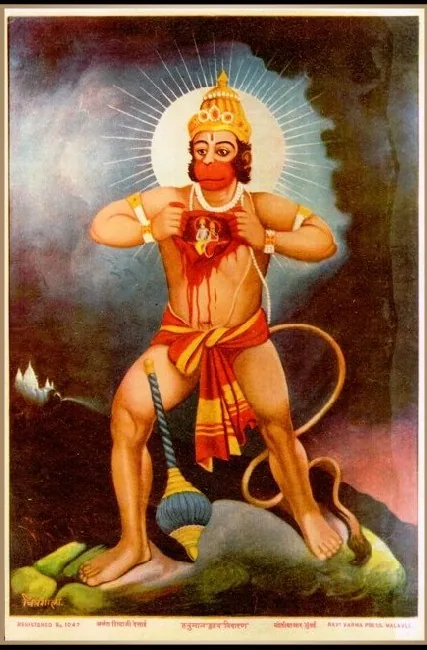
Every Tuesday, the day of Hanuman. Many begin on a Tuesday of Shukla paksha and vow to keep 21 or 45 Tuesdays, though the katha itself sets no number and asks only for steadiness. Some keep it only until a wish is granted. Check a panchang (drikpanchang.com) for your city if you also want to start on a particular tithi.
Hanuman · Every Tuesday
मंगलवार (Tuesday)
व्रत कथा The katha
Popular tellings agree on the main events: the childless Brahmin couple, the wife's six-day fast, the son Mangal given by Hanuman ji, the husband's doubt, the well and the dream. The names Keshavdutt, Anjali and the town of Rishinagar come from one widely shared version; another popular text leaves the couple unnamed. The Mangalvar katha is a folk vrat tradition and is not from a single named Purana.
कथा (हिंदी)
प्राचीन समय की बात है। ऋषिनगर नाम के नगर में केशवदत्त नाम का एक ब्राह्मण अपनी पत्नी अंजलि के साथ रहता था। घर में धन की कमी नहीं थी, लोग उसका आदर करते थे, पर आँगन सूना था। उनके कोई संतान नहीं थी, और यही चिंता दोनों को दिन-रात खाए जाती थी। कहा जाता है कि दोनों हर मंगलवार को हनुमान जी के मंदिर जाते, उपवास रखते और बजरंगबली से पुत्र की प्रार्थना करते थे। बरसों बीत गए, मन की मुराद नहीं पूरी हुई।
एक दिन केशवदत्त का मन टूट गया। उसने सोचा कि अब घर में रहकर प्रार्थना से काम नहीं चलेगा, वन में जाकर हनुमान जी की सेवा करूँगा। वह पत्नी से कह कर जंगल की ओर चला गया। अंजलि घर पर रही और उसने मंगलवार का व्रत वैसे ही जारी रखा। नियम यह था कि वह हनुमान जी को भोग लगाकर ही स्वयं अन्न ग्रहण करती थी।
एक मंगलवार को ऐसा हुआ कि अंजलि किसी कारण से भोजन बनाकर हनुमान जी को भोग न लगा सकी। उसे बहुत पीड़ा हुई। उसने मन में प्रण किया कि अब अगले मंगलवार को ही भोग लगाऊँगी, तभी अन्न-जल लूँगी, और वह भूखी-प्यासी लेट गई। एक दिन बीता, फिर दूसरा, फिर तीसरा। छह दिन तक उसने कुछ मुँह में नहीं डाला। सातवें दिन फिर मंगलवार आया। वह उठी, किसी तरह स्नान किया, पूजा की तैयारी की, पर भूख और दुर्बलता के कारण वहीं बेहोश होकर गिर पड़ी।
उसकी ऐसी भक्ति और दृढ़ता देख कर हनुमान जी प्रसन्न हुए। कहते हैं कि वे उसके सपने में आए और बोले कि अंजलि, मैं तेरी श्रद्धा से प्रसन्न हूँ, मैं तुझे ऐसा सुंदर और योग्य पुत्र देता हूँ जो तेरी बहुत सेवा करेगा। इतना कहकर वे अंतर्धान हो गए। अंजलि की आँख खुली तो उसने भोग बनाया, हनुमान जी को अर्पित किया और फिर स्वयं भोजन किया। कुछ महीनों बाद उसके घर एक सुंदर पुत्र का जन्म हुआ। मंगलवार को जन्म लेने के कारण माँ ने उसका नाम मंगलप्रसाद, यानी मंगल, रखा।
कुछ दिनों बाद केशवदत्त वन से लौटा। घर में एक नन्हे बालक को देखकर उसने चकित हो कर पूछा कि यह किसका बच्चा है। अंजलि ने प्रसन्न होकर बताया कि स्वामी, यह तो हमारा ही पुत्र है, मंगलवार के व्रत के फल से हनुमान जी ने इसे दिया है। पर केशवदत्त को यह बात सच न लगी। उसके मन में संदेह उठा कि पत्नी ने कोई अनुचित काम किया है और अब मुझसे छुपा रही है। संदेह में अंधा होकर उसने बच्चे को मार डालने की ठान ली।
एक दिन उसने मौका देखकर बच्चे को अपने साथ लिया और कहा कि चलो, कुएँ पर नहलाते हैं। कुएँ पर पहुँच कर उसने मंगल को उसमें धक्का दे दिया और घर लौट कर अंजलि से बोला कि मंगल तो मेरे साथ आया ही नहीं। अंजलि ने कुछ ही देर में पीछे से आवाज़ सुनी, और देखा कि वही मंगल हँसता हुआ घर के भीतर दौड़ा चला आ रहा है। केशवदत्त के पाँव तले से धरती खिसक गई। वह चुपचाप खड़ा रह गया, उसे समझ नहीं आया कि बच्चा कुएँ से कैसे बच गया।
उसी रात हनुमान जी केशवदत्त के सपने में आए और बोले कि तू अपनी पत्नी को चरित्रहीन क्यों समझता है। यह पुत्र मैंने तुम दोनों के मंगलवार के व्रत से प्रसन्न होकर दिया है। केशवदत्त की नींद खुली तो उसकी आँखों से पश्चाताप के आँसू बह रहे थे। उसने अंजलि को जगाया, पाँव पकड़ कर क्षमा माँगी और सपने की सारी बात बताई। फिर उसने बेटे को छाती से लगा लिया। उसके बाद दोनों हर मंगलवार नियम से हनुमान जी का व्रत करने लगे और जीवन भर सुख से रहे।
कथा का फल यह कहा गया है कि जो मनुष्य श्रद्धा से मंगलवार का व्रत करता है और यह कथा पढ़ता या सुनता है, उसके परिवार के कष्ट मिटते हैं, घर में सुख और धन आता है, और रक्त से जुड़े रोग दूर होते हैं। हनुमान जी की कृपा से संकट टल जाते हैं।
The katha (English)
This happened long ago. In a town called Rishinagar lived a Brahmin named Keshavdutt with his wife Anjali. He was well off and respected, but the courtyard of his house was empty. They had no child, and that worry ate at both of them day and night. It is said that every Tuesday the two went to a Hanuman temple, fasted, and asked Bajrangbali for a son. Years went by and their wish still did not come true.
One day Keshavdutt's heart broke. He thought that prayer at home was getting nowhere, and he would go into the forest to serve Hanuman ji directly. He told his wife and walked off into the woods. Anjali stayed at home and kept the Tuesday fast just as before. Her rule was that she would eat only after offering food to Hanuman ji.
On one Tuesday it happened that, for some reason, Anjali could not cook and make the offering. It hurt her badly. In her mind she made a vow: I will make the offering only on the next Tuesday, and only then will I take grain or water. She lay down hungry and thirsty. One day passed, then two, then three. For six days nothing went into her mouth. On the seventh day Tuesday came again. She rose, somehow bathed, prepared the puja, but from hunger and weakness she fainted where she stood.
Seeing such firmness and devotion, Hanuman ji was pleased. They say he came to her in a dream and said, Anjali, I am happy with your faith, I give you a fine and worthy son who will serve you well. Saying this, he vanished. When she woke she cooked the offering, placed it before Hanuman ji, and then ate. Some months later a beautiful boy was born in her house. Since he arrived on a Tuesday, his mother named him Mangalprasad, or Mangal.
Some days later Keshavdutt returned from the forest. Surprised to find a baby in the house, he asked whose child it was. Anjali happily told him, my lord, this is our own son, given by Hanuman ji as the fruit of my Tuesday vows. But Keshavdutt could not believe it. A doubt rose in his mind that his wife had done something wrong and was now hiding it from him. Blinded by suspicion, he made up his mind to kill the child.
One day he found his chance, took the boy along, and said, come, let us bathe at the well. Standing at the well, he pushed Mangal in, went home, and told Anjali that Mangal had not come with him at all. A little later Anjali heard a voice behind her, and there was Mangal running into the house, laughing. The ground slipped from under Keshavdutt's feet. He stood silent, unable to understand how the child had been saved from the well.
That night Hanuman ji came to Keshavdutt's sleep as well, and spoke: why do you think your wife is unchaste? I gave this son because I was pleased with the Tuesday devotion of you both. When Keshavdutt woke, tears of remorse were running down his face. He woke Anjali, held her feet, begged her pardon and told her everything of the dream. Then he pressed his son to his chest. After that both of them kept Hanuman's Tuesday vrat faithfully, and lived happily all their lives.
The fruit of the katha is said to be this: whoever keeps the Tuesday fast with faith and reads or hears this story finds family troubles ending, comfort and wealth entering the house, and ailments of the blood relieved. By Hanuman's grace, dangers pass.
Traditional source: Mangalvar vrat katha of Hanuman ji, as told in popular printed Hindi vrat-katha books
क्या खाएँ · What to eat
- Sattvik food once in the day, often after sunset, once Hanuman ji has been offered bhog
- Wheat flour or jaggery sweets, boondi or besan laddu offered and then eaten
- Fruit and milk if you need lighter food
- Salt-free meal in many homes, or rock salt only
क्या छोड़ें · What to avoid
- Salt in some families, and oily or fried food on the day
- Onion, garlic, meat, fish, eggs and alcohol
- Shaving and cutting hair or nails, as many families avoid on Tuesday
- Harsh words, anger and cruelty to others
नियम How the day is kept
- Rise early, bathe and wear red or orange clothes if you have them
- Offer sindoor mixed with oil, red flowers, a lamp and boondi to Hanuman ji
- Recite the Hanuman Chalisa, and read or hear this katha
- Sing the Hanuman aarti, then share the prasad
- Give food or clothes to the needy, and feed monkeys or cows if you can
पारण और उद्यापन Breaking the fast
Break the fast in the evening after the puja, the katha and the aarti. Offer food first to Hanuman ji, as Anjali did, then eat a sattvik meal. The katha itself says that eating before the bhog is not done.
After 21 or 45 Tuesdays, or once the wish is fulfilled, many families give a larger bhog, feed Brahmins or children, and read the Sundarkand or Chalisa in full. The katha itself sets no fixed udyapan.
आरती और पूजा Aarti and puja
Sing Aarti Kije Hanuman Lala Ki at the end of the puja with a ghee lamp, then offer the prasad.
प्रश्न Questions, answered
How many Tuesdays should one keep the Hanuman vrat?
The katha gives no fixed number. Many families keep 21 or 45 Tuesdays after a sankalp, and some continue for life, as the Brahmin couple did.
Can women keep the Tuesday vrat during periods?
Customs differ. Many families skip the physical puja and temple visit for those days and take Hanuman's name in the mind. Ask your family priest if you want a ruling for your tradition.
What do you offer to Hanuman ji on Tuesday?
Sindoor with jasmine or sesame oil, red flowers, a ghee lamp, betel leaf, boondi or besan laddu, jaggery and gram. Many also read the Chalisa.
Can I eat salt on Mangalvar vrat?
Many families avoid salt on Tuesday, and some use rock salt. Practice varies by home, so follow what your family does.
Which clothes should one wear for the Hanuman vrat?
Red or orange clothes are commonly worn, as these are Hanuman's colours, but clean clothes of any colour are accepted.
तिथि और पारण का समय हर शहर में अलग होता है; अपने शहर का पंचांग (drikpanchang.com) देखें। कुल की परंपरा सर्वोपरि है। Dates change every year, so check a panchang for your city. If you are unwell, pregnant or on medicine, keep the fast in a lighter way.
Hear it in Braj. Laladham picks you up in Delhi and runs the complete trip, so you can keep your vrat where the stories happened.
Plan my trip