Brihaspati · वार के व्रत
गुरुवार (बृहस्पतिवार) व्रत कथा
Guruvar (Brihaspativar) Vrat Katha
The Thursday vrat katha of Brihaspati and Vishnu: the proud queen and the sadhu, the banana tree and yellow food, the woodcutter king, and the Brahmin girl's golden winnowing basket.
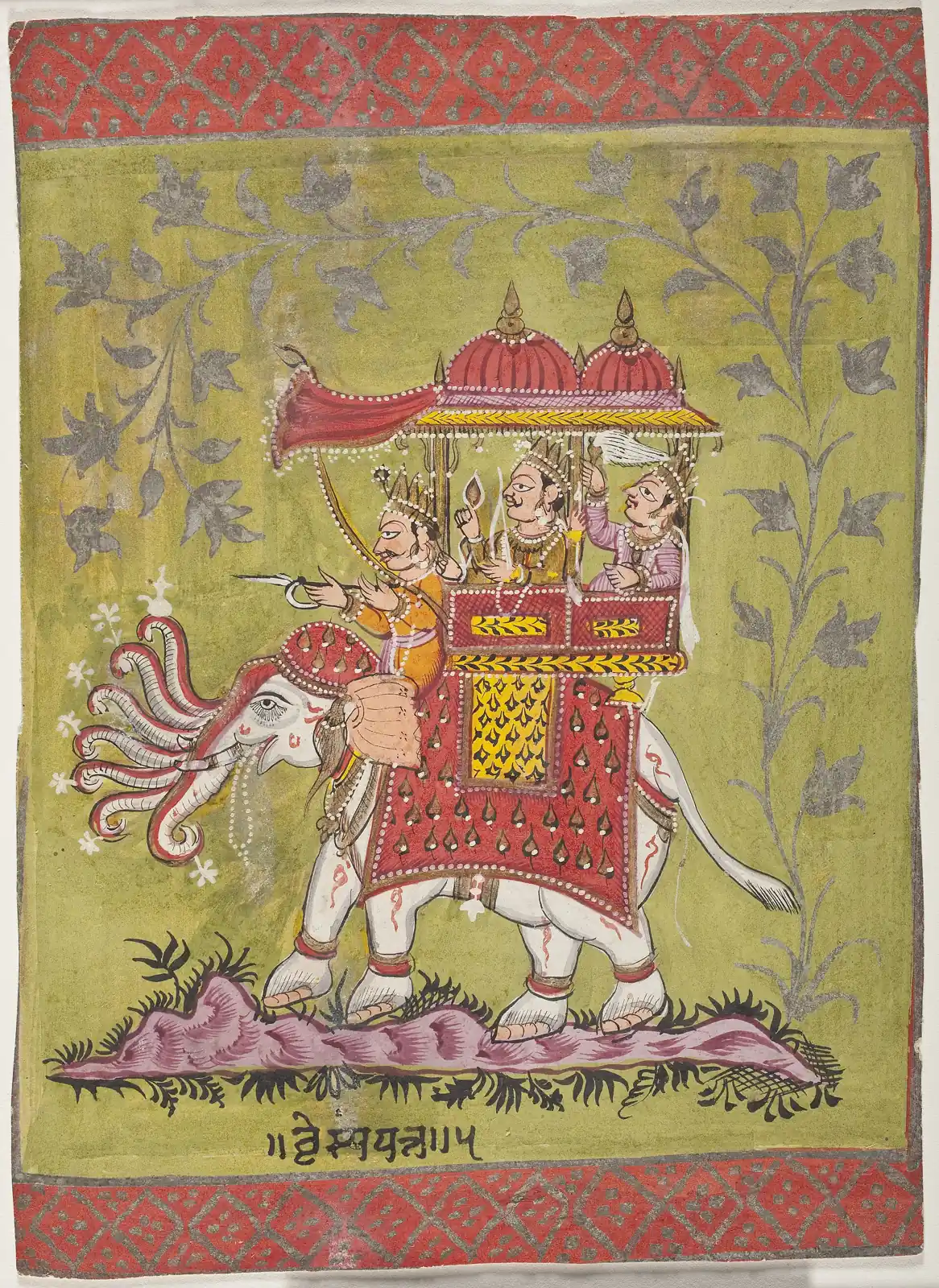
Every Thursday, the day of Brihaspati (Jupiter, the guru of the gods), worshipped with Vishnu. Many begin on a Shukla paksha Thursday and keep 16 Thursdays, though the katha only asks that the vrat not be forgotten once started. Check a panchang (drikpanchang.com) for your city for a good start date, and avoid starting in a period your family treats as inauspicious.
Brihaspati · Every Thursday
गुरुवार (Thursday)
व्रत कथा The katha
This katha has several parts that online and printed books join in different ways. This page follows the longest common version: the queen and the sadhu, the sister, the woodcutter king and the golden winnowing basket. Some books give only the first one or two parts. In the popular version the sadhu is Brihaspati (Jupiter, guru of the gods) in disguise, and the vrat is offered to Vishnu under a banana tree, so both names appear. The Thursday katha is a folk vrat tradition, not a chapter of a single Purana.
कथा (हिंदी)
बहुत पहले की बात है, एक प्रतापी राजा था जो निर्धनों और ब्राह्मणों की रोज़ सहायता करता था। पर उसकी रानी को यह दान-पुण्य बिल्कुल पसंद नहीं था। वह न स्वयं कुछ देती थी, न पूजा करती थी, और राजा को भी इसके लिए टोकती रहती थी। एक दिन राजा शिकार के लिए जंगल गए हुए थे। उसी समय देवगुरु बृहस्पति एक साधु का रूप धर कर महल के द्वार पर भिक्षा माँगने आए। रानी ने झिड़क दिया कि मैं इस दान से तंग आ गई हूँ, चाहती हूँ कि यह सारा धन ही नष्ट हो जाए।
साधु ने शांति से समझाया कि धन और संतान तो भगवान की कृपा से मिलते हैं, धन का सही उपयोग दान से होता है: भूखे को अन्न, प्यासे को जल, यात्रियों के लिए धर्मशाला, ग़रीब कन्याओं का विवाह। रानी अपनी बात पर अड़ी रही और बोली कि मुझे तो ऐसा धन चाहिए ही नहीं। तब साधु ने कहा कि अच्छा, जैसी तुम्हारी इच्छा। फिर उन्होंने रानी को कुछ उपाय बताए: बृहस्पतिवार को घर लीपो, पीली मिट्टी से सिर धोओ, कपड़े धोओ। यह कहकर साधु अंतर्धान हो गए।
रानी ने ऐसा ही किया। तीन बृहस्पतिवार बीतते-बीतते महल का सारा धन समाप्त हो गया और परिवार को भोजन के लाले पड़ गए। राजा सोचने लगे कि इस नगर में सब मुझे जानते हैं, यहाँ कोई छोटा काम करूँगा तो लोग हँसेंगे। इसलिए वे परदेस चले गए, जंगल से लकड़ी काटते और नगर में बेच कर पेट पालते। इधर रानी और उसकी दासी सात दिन तक बिना अन्न के रहीं। तब रानी ने दासी को अपनी धनी बहन के घर भेजा कि कुछ मदद माँग लाओ।
बहन उस दिन बृहस्पतिवार की कथा सुन रही थी। दासी ने कई बार पुकारा, पर वह कथा के बीच में नहीं बोली। दासी निराश लौट आई और रानी विलाप करने लगी कि दुर्भाग्य में अपने भी साथ छोड़ देते हैं। शाम को बहन स्वयं आई और बोली कि बहन, तुम्हारी दासी आई थी, पर मैं कथा सुन रही थी और बोल नहीं सकती थी, इसलिए क्षमा करो। रानी ने अपनी विपदा सुनाई। बहन ने कहा कि बृहस्पति देव सबकी मनोकामना पूरी करते हैं, जरा घर में देखो, शायद अन्न कहीं बचा हो। दासी ने भीतर जाकर देखा तो एक घड़े में अनाज निकल आया। यह देख कर सबको आश्चर्य हुआ।
बहन ने तब रानी को व्रत की विधि बताई। बृहस्पतिवार को चने की दाल और मुनक्के से केले के पेड़ की जड़ में विष्णु भगवान का पूजन करो, घी का दीपक जलाओ, कथा सुनो और पीला भोजन करो। इससे बृहस्पति देव प्रसन्न होते हैं। अगले बृहस्पतिवार को रानी और दासी ने व्रत किया और केले के तले पूजा की। पर घर में पीला भोजन था ही नहीं, इसलिए दोनों दुखी बैठी रहीं। तभी बृहस्पति देव एक साधारण मनुष्य के रूप में दो थाल पीले भोजन के रख कर चले गए। दोनों ने वही खाया। उसके बाद उनके दिन फिरने लगे।
पर कुछ समय बाद रानी फिर आलसी हो गई। दासी ने उसे याद दिलाया कि यह सारा धन बृहस्पति देव की कृपा से मिला है, इसे दान और पुण्य में लगाओ। रानी ने बात मानी, कुएँ बनवाए, अन्नदान करवाया और उसका यश दूर तक फैल गया।
उधर जंगल में राजा उदास बैठे थे। एक बृहस्पतिवार को बृहस्पति देव साधु के रूप में आए और पूछा कि तुम इतने दुखी क्यों हो। राजा ने अपनी कथा सुनाई। साधु बोले कि तुम्हारी रानी ने बृहस्पति का अपमान किया था। अब तुम बृहस्पतिवार को कथा कहो, चने और मुनक्के का प्रसाद चढ़ाओ, शक्कर और जल का अमृत बनाओ और परिवार तथा सुनने वालों में बाँटो। राजा बोला कि मेरे पास तो प्रसाद का भी धन नहीं है। साधु ने कहा कि आज तुम्हें रोज़ से दुगुनी कमाई होगी। वैसा ही हुआ। राजा ने एक बार व्रत किया, पर अगले बृहस्पतिवार को भूल गया। बृहस्पति देव रुष्ट हो गए।
उसी नगर के राजा ने आज्ञा निकाली कि आज सब लोग राजमहल में भोजन करेंगे, किसी के घर चूल्हा न जले, नहीं तो प्राणदंड मिलेगा। लकड़हारा देर से पहुँचा, उसे महल में ले जाया गया। भोजन के बाद रानी ने देखा कि खूँटी पर टँगा उसका हार गायब है और लकड़हारा वहीं खड़ा था। उस पर चोरी का आरोप लगा और वह कारागार में डाल दिया गया। जेल में उसे साधु की याद आई। साधु प्रकट हुए और बोले कि तू कथा भूल गया, इसीलिए यह दुख है। अगले बृहस्पतिवार जेल के द्वार पर चार पैसे मिलेंगे, उनसे कथा कर।
उसी रात बृहस्पति देव ने नगर के राजा को सपने में कहा कि जिसे तूने बंदी बनाया है वह निर्दोष है, हार खूँटी पर ही टँगा है, नहीं तो तेरा राज्य नष्ट हो जाएगा। सुबह राजा ने हार वहीं पाया, लकड़हारे से क्षमा माँगी और उसे सुंदर वस्त्र और रत्न देकर विदा किया।
लकड़हारा राजा अपने नगर पहुँचा तो देखा कि चारों ओर नए बाग़, तालाब, कुएँ, धर्मशालाएँ और मंदिर हैं। पूछने पर पता चला कि यह सब रानी और दासी ने बनवाए हैं। राजा को आश्चर्य हुआ और क्रोध भी आया कि इतना धन कहाँ से आया। रानी ने राजा को आते देखा तो दासी को द्वार पर भेज दिया कि कहीं लज्जा से लौट न जाएँ। राजा ने धन का स्रोत पूछा तो रानी ने बृहस्पतिवार के व्रत का नाम लिया। राजा ने ठाना कि अब दिन में तीन बार कथा कहूँगा, और वह अपने दुपट्टे में चने की दाल बाँध कर चलने लगा।
एक बार राजा बहन के घर जा रहे थे। रास्ते में शव यात्रा मिली, राजा ने कथा सुनाई और मृतक जी उठा। आगे एक किसान मिला, जिसने कथा सुनने से मना कर दिया, तो उसके बैल गिर पड़े और उसके पेट में दर्द उठा। किसान की माँ ने राजा से खेत में आकर कथा कहने को कहा, कथा हुई तो बैल उठे और दर्द मिट गया। बहन के घर जाकर देखा कि कोई भूखा है। बहन ने एक कुम्हार के घर कथा की, जिसके बेटे को तीन दिन से बुखार था, बेटा ठीक हो गया और राजा की प्रशंसा हुई।
बहन के साथ राजा अपने घर लौटा। बहन की सास ने उसे सावधान किया कि राजा के संतान नहीं है, अपने बच्चे वहाँ मत ले जाना। राजा दुखी हुआ, तभी बृहस्पति देव ने रानी को सपने में दर्शन दिए और रानी गर्भवती हुई, फिर पुत्र हुआ। बधाई देने बहन गधे पर बैठ कर आई, तो रानी ने हँस कर कहा कि घोड़े पर नहीं आई। बहन ने बताया कि मैंने जानबूझ कर कठोर बातें की थीं ताकि संतान का वरदान मिले। कथा का सार यह है कि बृहस्पति देव सच्चे भक्त की हर इच्छा पूरी करते हैं।
कथा का एक अंतिम अंश एक निर्धन ब्राह्मण की कन्या का है, जो विष्णु की भक्त थी और बृहस्पतिवार का व्रत करती थी। वह स्कूल जाते समय जौ बिखेरती चलती, लौटती तो वही जौ सोने के हो जाते। पिता ने देखा कि बेटी सोने के जौ साधारण सूप से फटक रही है, तो कहा कि इसके लिए सोने का सूप चाहिए। कन्या ने बृहस्पतिवार को प्रार्थना की, और उसे सोने का सूप मिला। एक राजकुमार ने उसे देखा, मोहित हुआ और अन्न-जल छोड़ दिया। राजा ने कारण पूछा तो उसने कहा कि मैं इसी कन्या से विवाह करूँगा। ब्राह्मण मान गया और विवाह हुआ। बाद में ब्राह्मण के माता-पिता फिर निर्धन हुए, कन्या धन भेजती रही पर माँ पूजा नहीं करती थी। कन्या ने एक रात माँ को कमरे में बंद कर दिया। सुबह माँ ने स्नान किया, पूजा की और भक्ति करने लगी। तब परिवार सुखी रहा और अंत में स्वर्ग गया।
The katha (English)
Long ago there lived a mighty king who gave daily help to the poor and to Brahmins. His queen, however, could not bear this charity. She gave nothing herself, did no worship, and kept nagging the king about it. One day, while the king was away hunting in the forest, Brihaspati, the guru of the gods, came to the palace gate in the form of a sadhu begging for alms. The queen snapped that she was tired of giving and wished all this wealth would simply be destroyed.
The sadhu calmly told her that wealth and children are blessings from God and that wealth is rightly used in giving: grain to the hungry, water to the thirsty, rest houses for travellers, and marriages for poor girls. The queen stood firm and said she did not want such riches in the first place. The sadhu then said, as you wish. He gave her certain things to do: on Thursday plaster the house, wash your hair with yellow clay, wash your clothes. Then he disappeared.
The queen did exactly this. Within three Thursdays the whole treasure was gone and the family faced starvation. The king reasoned that everyone in the city knew him and would laugh at him doing humble work there. So he went abroad, cutting wood in the forest and selling it in a town to feed himself. Meanwhile mistress and maid went without grain for seven days. At last the queen sent the maid to her wealthy sister to ask for help.
That day the sister was listening to the Thursday katha. The maid called several times, but the sister would not speak in the middle of it. The maid went back disheartened, and the queen wept that when bad times come, even one's own turn away. In the evening the sister came herself and said, your maid came, but I was hearing the katha and could not speak, so please forgive me. The queen told her troubles. The sister said, Brihaspati Dev grants the wishes of all, look around the house, perhaps some grain remains. The maid went inside and found a jar of grain. They were all amazed.
The sister then taught the queen the vow. On Thursday, worship Vishnu at the foot of a banana tree with gram dal and raisins, light a ghee lamp, hear the katha and eat yellow food. This pleases Brihaspati Dev. The following Thursday, the queen and the servant fasted and worshipped beneath the banana tree. But there was no yellow food in the house, and the two sat sorrowful. Just then Brihaspati Dev arrived in the guise of a plain traveller, set down two plates of yellow food, and left. They ate it, and their days began to turn.
After a while, though, the queen grew lazy again. The maid reminded her that all this wealth was by Brihaspati's grace and should be used for charity and good works. The queen listened. She built wells, had grain given out, and her good name spread far.
Back in the forest the king sat dejected. One Thursday Brihaspati Dev came as a sadhu and asked why he was so sad. The king told his story. The sadhu said, your queen insulted Brihaspati. Now, on Thursday tell the katha, offer gram and raisins, make an amrit of sugar and water, and share it with your family and listeners. The king said he did not even have money for the offering. The sadhu said, today you will earn double your usual. So it happened. The king kept the vrat once, but a week later he forgot. Brihaspati Dev was displeased.
The king of that city announced that everyone must eat at the palace that day, no hearth was to be lit in any home, or the penalty would be death. The woodcutter arrived late and was taken in. After the meal the queen saw her necklace missing from the peg, where the woodcutter had been standing. He was accused of theft and thrown into prison. There he remembered the sadhu, who appeared and said, you forgot the katha, that is why you suffer. Next Thursday you will find four coins at the prison door; do the puja with them.
That same night Brihaspati Dev told the city's king in a dream that the prisoner was innocent, the necklace was hanging on the peg, and otherwise his kingdom would be lost. In the morning the king found the necklace in its place, begged the woodcutter's pardon, gave him fine clothes and jewels, and sent him on his way.
When the woodcutter-king reached his own city, he found new gardens, ponds, wells, rest houses and temples everywhere. He learned that the queen and her helper had raised them all. He was amazed and also angry, wondering where such money had come from. The queen saw him coming and posted the servant at the door so he would not turn back in shame. When he demanded to know where the wealth came from, she named the Thursday vrat. The king resolved to tell the katha three times a day, and he walked about with gram dal tied in his shawl.
Once the king set out to visit his sister. On the road he met a funeral procession, recited the story, and the dead man rose. Further on he met a farmer who refused to hear it, and the farmer's oxen collapsed and his stomach began to ache. The farmer's mother asked the king to come to the field and tell the katha, where he did so, and the oxen stood up and the pain went. At his sister's house he found that no one had eaten. She took him to a potter's home, where a son had been ill with fever for three days. The king recited it and the boy recovered, and the king was praised.
The king returned home with his sister. Her mother-in-law had warned her not to bring her children there, since the king had no child. The king grieved, but then Brihaspati Dev appeared to the queen in a dream, she conceived, and a son was born. The sister came on a donkey to give congratulations, and the queen laughed, saying she had not come on a horse. The sister explained she had spoken harshly on purpose, so that the child's blessing would come. The lesson is that Brihaspati Dev grants every wish of a sincere devotee.
A last part of the katha tells of the daughter of a poor Brahmin, a devotee of Vishnu who kept the Thursday vow. On her way to school she scattered barley, and on the way back the barley had turned to gold. Her father saw her sifting golden barley with an ordinary winnowing basket and said she needed a golden one. The girl prayed on Thursday and was given a golden basket. A prince saw her, fell in love, and stopped eating and drinking. His father asked why, and he said he would marry that girl. The Brahmin agreed and the wedding took place. Later the girl's parents fell into poverty again; she kept sending money, but her mother would not worship. One night the daughter locked her mother in a room. By morning the mother bathed, prayed and became devout. The family then prospered and in the end reached heaven.
Traditional source: Brihaspativar vrat katha, as told in popular printed Hindi vrat-katha books
क्या खाएँ · What to eat
- Yellow food: chana dal, besan, kesari rice or khichdi, turmeric-flavoured dishes, banana, boondi
- A single meal after the puja, with no salt in many homes
- Amrit made of sugar and water, shared with the family
- Chana dal and raisins (munakka) as the offering
क्या छोड़ें · What to avoid
- Washing hair or clothes on Thursday, as the katha's cautionary episode implies, and many families avoid cutting hair or nails
- Salt in many homes during the fast
- Onion, garlic, meat and alcohol
- Forgetting the vrat once begun, as the king did
नियम How the day is kept
- Rise early, bathe and wear yellow clothes
- Worship Vishnu or Brihaspati with a lamp at the foot of a banana tree, or at home before a picture
- Offer gram dal, jaggery, turmeric, yellow flowers and raisins
- Hear or tell the katha, then do the aarti and share the prasad and amrit with everyone
- Do charity: feed the hungry, give water, and help someone in need
पारण और उद्यापन Breaking the fast
Take the evening meal after the puja, the katha and the aarti: yellow food, once, with the prasad first. Brihaspati's vow is kept in the daytime and eaten in the evening, never broken before the offering and amrit have been shared.
Many families keep 16 Thursdays and conclude with a puja, a yellow-food meal for seven Brahmins or children, and charity. The katha itself does not name a number.
आरती और पूजा Aarti and puja
Sing Om Jai Jagdish Hare at the end of the puja, as the Thursday vrat is offered to Vishnu, and share the prasad.
Om Jai Jagdish HarePurnima vratSatyanarayan puja vidhi at home
प्रश्न Questions, answered
Why is yellow so important on Thursday?
Yellow belongs to Brihaspati, the guru of the gods, and to Vishnu. In the katha, he leaves two plates of yellow food for the queen. So people wear yellow, offer yellow flowers and eat yellow food.
Why is the banana tree worshipped on Thursday?
In the katha, the queen is told to worship Vishnu at the root of the banana tree with gram dal and raisins. The tree is held to be dear to Brihaspati, so many people pour water at its foot.
How many Thursdays should the vrat be kept?
The katha gives no number. Many keep 16 Thursdays, and others keep it for life, saying only that it must not be dropped once begun.
Can one wash hair or cut nails on Thursday?
Many families avoid washing hair or clothes and cutting hair or nails on Thursday, following the katha's warning. Practice varies from home to home.
What does one eat on Guruvar vrat?
A single yellow-food meal after the puja: dal, kesari rice, besan, banana or sweet boondi. Many leave out salt.
तिथि और पारण का समय हर शहर में अलग होता है; अपने शहर का पंचांग (drikpanchang.com) देखें। कुल की परंपरा सर्वोपरि है। Dates change every year, so check a panchang for your city. If you are unwell, pregnant or on medicine, keep the fast in a lighter way.
Hear it in Braj. Laladham picks you up in Delhi and runs the complete trip, so you can keep your vrat where the stories happened.
Plan my trip