Santoshi Mata · वार के व्रत
शुक्रवार संतोषी माता व्रत कथा
Shukravar Santoshi Mata Vrat Katha
The Friday vrat katha of Santoshi Mata: the old woman's seven sons, the youngest's wife, the jaggery and gram, the mistake with sour food and the second udyapan. With rules.
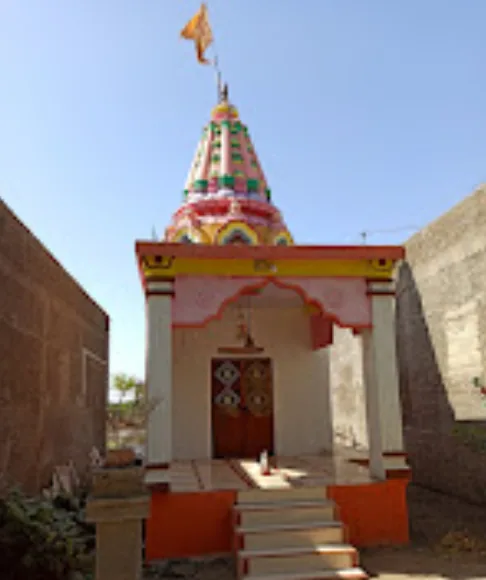
Every Friday, often sixteen Fridays in a row for a wish, with the udyapan on the last. Begin on a Shukla paksha Friday if your family follows that. There is no special month. Check a panchang (drikpanchang.com) for your city for a good start date.
Santoshi Mata · Every Friday, usually sixteen in a row
शुक्रवार (Friday)
व्रत कथा The katha
Santoshi Mata worship is a twentieth century folk devotion, not found in the older Puranas. It spread in north India in the 1960s and 70s, and grew especially after the 1975 film Jai Santoshi Maa. In her devotees' tradition she is a daughter of Ganesh. The katha above is the commonly printed booklet version, passed down in print and by women's retelling, and details such as the 'quarter-rupee' offering vary between booklets.
कथा (हिंदी)
एक बुढ़िया के सात बेटे थे। छह कमाने वाले थे और सातवाँ कुछ नहीं करता था। बुढ़िया छहों बेटों की रसोई बड़े प्रेम से बनाती, उन्हें भरपेट खिलाती और जो कुछ उनकी थालियों में बच जाता, वह जूठन सातवें के आगे रख देती। भोला बेटा कभी कुछ नहीं कहता था, पर एक दिन उसने अपनी पत्नी से कहा कि देखो, मेरी माँ मुझसे कितना प्रेम करती है। पत्नी बोली कि हाँ, तभी तो बाकी सब का बचा-खुचा तुम्हें खिलाती है। पति को यह बात चुभ गई, और वह बोला कि जब तक अपनी आँखों से न देख लूँ, मैं नहीं मानूँगा। पत्नी ने कहा कि अच्छा, देख लेना।
कुछ दिनों बाद एक त्योहार का दिन आया। घर में तरह-तरह के पकवान बने। सातवें बेटे ने सिर दर्द का बहाना किया, पतला कपड़ा ओढ़ कर रसोई के एक कोने में लेट गया और सब देखता रहा। उसने देखा कि छहों भाई आए, माँ ने उन्हें खूब प्रेम से परोसा, और जब वे खा चुके तो उनकी थालियों का जूठन उठा कर उसके लिए एक छोटा सा लड्डू बना दिया। फिर माँ ने पुकारा कि बेटा, उठो, तुम्हारे भाई खा चुके, अब तुम खा लो। बेटा उठा और बोला कि माँ, मैं आज ही परदेस जा रहा हूँ। माँ ने रोकना चाहा, पर वह नहीं माना।
जाने से पहले वह अपनी पत्नी से मिलने गया। वह गौशाला में उपले थाप रही थी। उसने कहा कि मैं परदेस जाता हूँ, कुछ समय बाद लौटूँगा। यह मेरी निशानी रख लो, और अपनी अंगूठी उतार कर उसे दे दी। पत्नी के पास देने को कुछ न था। उसने कहा कि मेरे पास तो कुछ नहीं, और अपने गोबर से सने हाथ की छाप उसकी पीठ पर लगा दी। पति चला गया।
चलते-चलते वह एक दूर के नगर में पहुँचा। वहाँ एक साहूकार की दुकान थी। उसने कहा कि मुझे काम पर रख लीजिए। साहूकार ने उसे रख लिया। वह इतनी लगन से काम करता कि तीन महीने में साहूकार ने उसे आधे का साझीदार बना लिया। कुछ बरसों में सारा कारोबार उसी के भरोसे छोड़ कर साहूकार निश्चिंत हो गया।
इधर घर में उसकी पत्नी पर सास-ससुर अत्याचार करने लगे। सारा काम उसी से कराया जाता, फिर जंगल से लकड़ी लाने भेज दिया जाता। भोजन में भूसी की रोटी और टूटे नारियल के खोपड़े में पानी मिलता। एक दिन वह लकड़ी लेने जा रही थी, तब रास्ते में उसने कई स्त्रियों को संतोषी माता का व्रत करते देखा। पूछा तो उन्होंने बताया कि यह संतोषी माता का व्रत है, इससे निर्धनता, दरिद्रता का नाश होता है और मन की इच्छा पूरी होती है। बहू ने विधि पूछी।
स्त्रियों ने बताया कि सवा आने का गुड़ और चना लेना है, या जितनी सामर्थ्य हो उतना। हर शुक्रवार को निराहार रह कर कथा सुनना है, कथा के बीच में उठना नहीं है। कोई सुनने वाला न मिले तो घी का दीपक जला कर जल के पात्र के सामने कथा कहना है। जब तक मनोकामना पूरी न हो, व्रत करते रहना है। माता तीन महीने में, या ग्रह खराब हों तो एक वर्ष में, फल देती हैं। फल पूरा होने पर उद्यापन करना है: ढाई सेर आटे का खाजा, खीर और चने का साग बनाना है, आठ लड़कों को खिलाना है, और उस दिन खटाई कोई न खाए।
बहू ने लकड़ी बेची, उन पैसों से गुड़ और चना लिया और माता के मंदिर पहुँची। उसने हाथ जोड़ कर कहा कि माँ, मैं नहीं जानती व्रत कैसे करते हैं, मैं बहुत दुखी हूँ, मेरा दुख दूर करो। पहले शुक्रवार के बाद उसके पति का पत्र आया। तीसरे शुक्रवार को पति का भेजा पैसा आया। जेठानियाँ ताने देने लगीं कि अब तो पैसा आने लगा, देखो इसके भाव बढ़ गए। बहू ने कहा कि मुझे पैसा नहीं, अपने पति चाहिए। माता ने उसे भरोसा दिया कि तेरा पति ज़रूर लौटेगा।
उधर माता ने पति को सपने में दर्शन दिए और उसे पत्नी के दुख याद दिलाए। उसने सोचा कि मैं तो यहाँ बैठा रह गया। उसका सारा कर्ज़ चुक गया, माल बिक गया और धन बढ़ने लगा। उसने घर के सब के लिए उपहार लिए और लौटने को निकला। माता ने बहू से कहा कि लकड़ी के तीन गट्ठर बना कर रख। पति जब रास्ते में आराम करने रुका तो उसे वे तीन गट्ठर दिखे और उसने वहीं भोजन किया। फिर वह माँ से मिलने घर गया। बहू आई, सास को आवाज़ दी, और पति ने उसकी अंगूठी देखी तो पहचान लिया। सारा परिवार प्रसन्न हुआ और दोनों को ऊपर का सुंदर कमरा मिला।
कुछ समय बाद बहू ने माता के व्रत का उद्यापन करना चाहा। जेठानी ने अपने लड़कों को सिखा दिया कि खाना खाने के बाद खटाई माँगना, जिससे व्रत भंग हो जाए। बहू ने उन्हें पैसे दे दिए, और लड़कों ने जाकर इमली खा ली। यह देख कर माता रुष्ट हो गईं। राजा के सिपाही आए और उसके पति को पकड़ ले गए कि इसके पास छुपा धन है। जेठानी हँसते हुए ताने मारने लगी।
बहू रोती हुई माता के मंदिर पहुँची और अपनी भूल मानी। उसने कहा कि माँ, मुझसे बड़ी चूक हुई, मैं फिर उद्यापन करूँगी। माता ने कहा कि जा, तेरा पति तुझे रास्ते में मिलेगा। रास्ते में पति मिला और उसने बताया कि उसने राजा को कर चुका दिया है, इसलिए उसे छोड़ दिया गया। दोनों घर लौटे। बहू ने फिर उद्यापन किया। जेठानी ने फिर लड़कों को खटाई माँगने की सीख दी, पर इस बार बहू ने साफ़ कह दिया कि खटाई नहीं मिलेगी। उसने ब्राह्मण के लड़कों को भोजन कराया और पैसे के बदले हर एक को फल दिया। माता प्रसन्न हुईं और नौवें महीने में बहू के पुत्र का जन्म हुआ।
एक दिन माता स्वयं उसके घर पधारीं। उनका रूप डरावना था: मुँह पर गुड़ और चना लिपटा था और मक्खियाँ भिनभिना रही थीं। सास ने उन्हें देख कर चिल्लाया कि यह डायन है, भगाओ। लड़के उन्हें खदेड़ने लगे और खिड़की बंद कर दी। बहू ने माता को पहचान लिया और आनंद से झूम उठी। सास ने बच्चे को गुस्से से एक ओर कर दिया। तब माता ने अपनी शक्ति दिखाई और चारों ओर लड़के ही लड़के दिखाई देने लगे। बहू बोली कि मैं तो संतोषी माता की पूजा करती हूँ। तब सारे घर वालों ने हाथ जोड़ कर क्षमा माँगी। माता ने सबको आशीर्वाद दिया।
The katha (English)
An old woman had seven sons. Six earned a living, and the seventh did nothing. She cooked for the six with great love, fed them well, and whatever was left on their plates she set before the seventh. The simple son never complained, but one day he said to his wife, see how much my mother loves me. His wife answered, yes, that is why she feeds you what the others leave. The remark stung him, and he said he would not believe it until he saw it with his own eyes. His wife said, then go and see.
A few days later came a festival, and the house was full of rich dishes. The seventh son pleaded a headache, covered himself with a thin cloth, and lay in a corner of the kitchen watching. He saw his six brothers come, saw his mother serve them lovingly, and when they had eaten, saw her gather the leavings from their plates and press them into a small laddu for him. Then she called, get up, son, your brothers have eaten, now you eat. He rose and said, mother, I am leaving for a foreign land today. She tried to stop him, but he would not stay.
Before leaving he sought out his wife, who was shaping dung cakes in the cowshed. He said, I am going abroad and will return after a while. Keep this as a token, and he took off his ring and gave it to her. She had nothing to give back. She said, I have nothing, and pressed the print of her dung-smeared hand onto his back. Then he went.
He walked on until he reached a town far away. A moneylender had a shop there, and he asked to be taken on. The moneylender agreed. He worked with such devotion that in three months he was made a half-partner, and after some years the owner left the entire business to him and relaxed.
Back home, the in-laws began to ill-treat his wife. She was made to do all the housework and then sent into the forest for firewood. Her food was a husk-roti, and her water came in a broken coconut shell. One day as she walked to the forest she saw many women keeping the fast of Santoshi Mata. She asked them, and they said, this is Santoshi Mata's vrat; it ends poverty and want, and a wish held in the heart is granted. She asked how it is done.
The women told her to take one and a quarter anna's worth of jaggery and gram, or more if she could. Every Friday, she must fast without food and hear the katha, without getting up in the middle. If no listener could be found, she should light a ghee lamp and tell the katha before a vessel of water. The fast continued until her heart's wish came true. The Mother gives her fruit in three months, or in a year if the planets are unfavourable. Once the wish came true, there was an udyapan: prepare flour khaja, kheer and a dish of gram greens, feed eight boys, and on that day no one in the house should taste anything sour.
The young wife sold her firewood, bought jaggery and gram, and reached the Mother's temple. She folded her hands: Mother, I know nothing of how a vrat is done, I am deeply sad, take away my sorrow. After the first Friday a letter came from her husband. At the third Friday, money arrived. Her elder sisters-in-law jeered, now that money is coming, see how she swells with pride. She answered, I do not want the money; I want my husband. The Mother assured her that her husband would surely return.
Meanwhile the Mother appeared in the husband's dream and reminded him of his wife's troubles. He thought, I have just been sitting here. His debts were cleared, his goods sold, and his money grew. He bought gifts for the whole family and set out for home. The Mother told the wife to prepare three bundles of firewood. When the husband stopped on his way to rest, he saw the three bundles and ate there. Then he went in to see his mother. The wife came, called to her mother-in-law, and her husband saw the ring and knew her. The whole family rejoiced and the couple were given a fine room upstairs.
After some time she wished to do the udyapan of the vrat. Her sister-in-law coached her own sons: after the meal, ask for something sour, so that the fast is broken. She gave them coins and they went and ate tamarind. The Mother was angry. The king's men came and took her husband away, saying he was hiding wealth. The aunt laughed and mocked.
The young wife ran weeping to the Mother's temple and admitted her mistake: forgive a grave slip, Mother, I will perform the udyapan once more. The Mother said, go, your husband will meet you on the road. On the road he met her, and he told her that he had paid the king his tax, and so been freed. They went home together. She performed the udyapan again. Once more the jealous aunt told her boys to ask for sour food, but this time the wife said plainly that there was none. She fed the Brahmin boys and gave each a piece of fruit instead of money. The Mother was pleased, and in the ninth month a son was born.
One day the Mother herself came to the house. Her appearance was frightening: her face was smeared with jaggery and roasted gram while flies buzzed around her. The mother-in-law shrieked that this was a witch, and the boys chased her out and shut the window. She recognised the Mother and was overjoyed. The old lady angrily pushed the baby aside. Then the Mother showed her power, and boys seemed to be everywhere. The wife said, I worship Santoshi Mata. The household folded their hands and begged forgiveness, and the Mother blessed them all.
Traditional source: Santoshi Mata Shukravar vrat katha, as told in popular printed Hindi vrat-katha booklets
क्या खाएँ · What to eat
- Roasted gram and jaggery as the offering and prasad, shared with others
- One meal in the evening after the puja, in many homes with khaja, kheer or sweet items prepared without sour ingredients
- Fruit, only sweet, if you must break the fast earlier
- Gram greens or plain dal and roti at the udyapan
क्या छोड़ें · What to avoid
- Anything sour: lemon, tamarind, curd, pickle, amchur, vinegar and citrus fruit, for the one who fasts and in many homes for the whole family
- Letting sour food enter the house on the udyapan day
- Anger, quarrelling and harsh words
- Getting up in the middle of the katha
नियम How the day is kept
- Bathe early and wear clean clothes
- Set Santoshi Mata's picture on a seat, with a kalash of water and a ghee lamp
- Offer jaggery and roasted gram, flowers and incense
- Hear the katha without a break, then sing the aarti and share the prasad
- Keep sixteen Fridays, then do the udyapan and feed eight boys
पारण और उद्यापन Breaking the fast
Take your meal in the evening, after the puja, the katha and the aarti, once the jaggery and gram have been offered and shared. The meal must have no sour ingredient. At the udyapan, feed eight boys first, with fruit or dakshina in place of anything sour.
At the end of the vow, prepare flour khaja, kheer and a gram-greens dish, feed eight boys (relatives first, otherwise neighbours), and give each a gift or dakshina according to your means. No one in the house eats sour food on that day, and the family keeps the same rule so that the vow is not broken.
आरती और पूजा Aarti and puja
Sing the Santoshi Mata aarti, Jai Santoshi Mata, at the end of the puja with a ghee lamp, then share the jaggery and gram prasad.
प्रश्न Questions, answered
Why is sour food avoided in the Santoshi Mata vrat?
The katha itself warns of it: the daughter-in-law's udyapan failed when the children ate tamarind, which broke the vow. So no one in the home should eat anything sour on the fast day or the udyapan day.
How many Fridays should Santoshi Mata's vrat be kept?
Usually sixteen Fridays one after another, until the wish is granted. The booklet version says the Mother gives results in about three months, or in a year if the planets are unfavourable.
What is offered to Santoshi Mata?
Roasted gram (chana) and jaggery, flowers, a lamp and incense. This is also the prasad that is shared.
Is Santoshi Mata in the Puranas?
Not in the older Puranas. Her worship is a twentieth century folk devotion, spread widely in the 1970s. This page says so openly.
Can men keep the Friday vrat of Santoshi Mata?
Yes. It is mostly kept by women, but men and children may fast and hear the katha too, following the same rules, including no sour food.
तिथि और पारण का समय हर शहर में अलग होता है; अपने शहर का पंचांग (drikpanchang.com) देखें। कुल की परंपरा सर्वोपरि है। Dates change every year, so check a panchang for your city. If you are unwell, pregnant or on medicine, keep the fast in a lighter way.
Hear it in Braj. Laladham picks you up in Delhi and runs the complete trip, so you can keep your vrat where the stories happened.
Plan my trip