Shiva · पर्व और त्योहार
महाशिवरात्रि पूजा
Mahashivratri Puja
Mahashivratri is Shiva's great night. Fast through the day, worship in four prahars, stay awake in jagran, and break the fast after sunrise with morning puja.
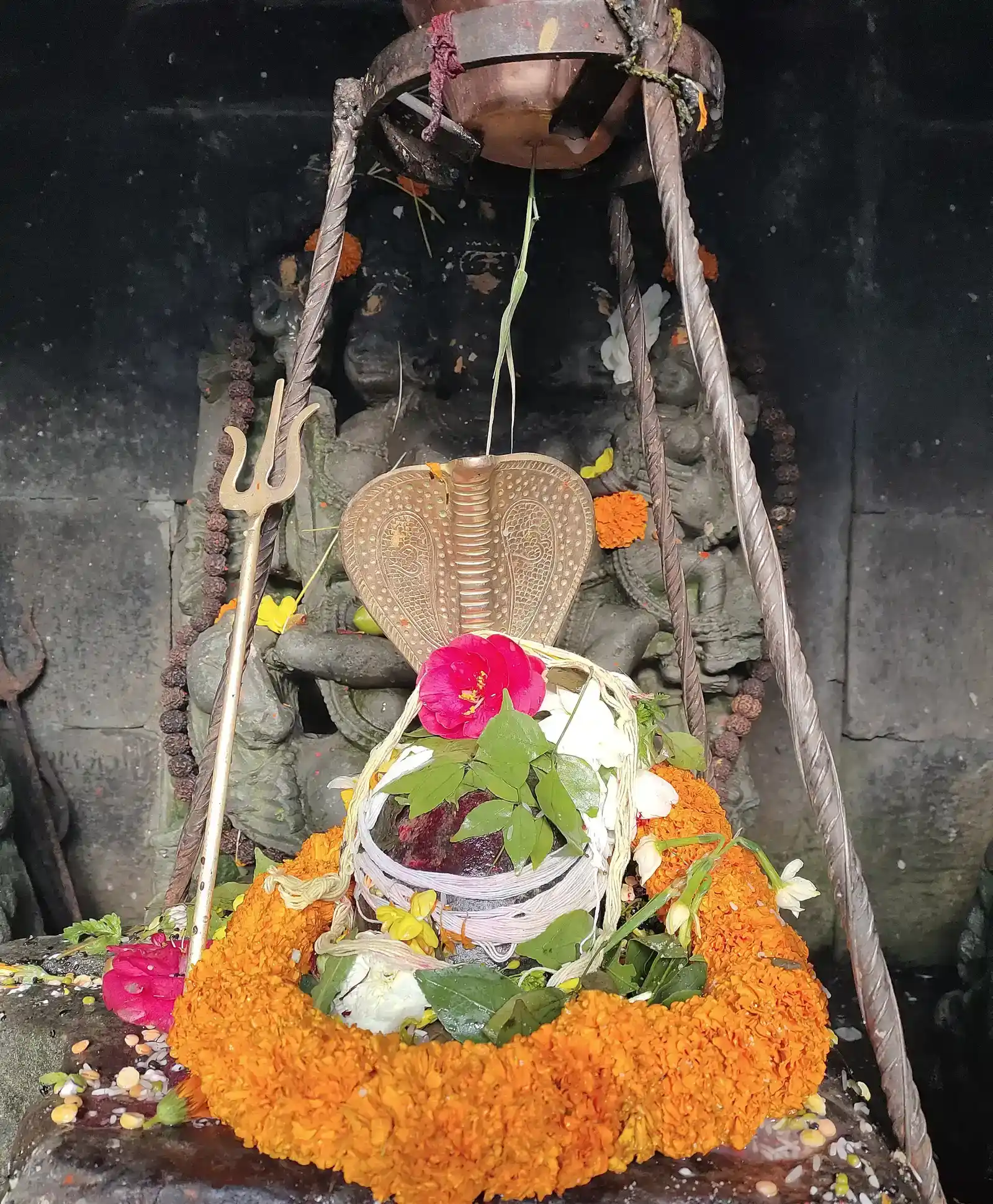
The night of Krishna Paksha Chaturdashi in the month of Phalguna (Magha by the Purnimanta count), usually in February or March. The four prahars run from sunset to sunrise, and the midnight window called Nishita Kaal is the most prized. Check a panchang (drikpanchang.com) for your city for the exact timings.
Anyone who is well enough to fast. Children under twelve, pregnant or nursing women, the elderly and people with diabetes or on medicines are advised to keep a lighter fast or none at all.
the whole night; each prahar puja takes about 30 to 45 minutes
सामग्री Samagri checklist
Puja thali
Offerings
Havan / other
तैयारी Before you begin
- Decide your level of fast before the day: fruit and milk, one sattvic meal, or nirjala for the strong and experienced.
- Avoid grains, salt and onion-garlic on the fasting day if you keep a fruit fast.
- Clean the puja corner on the morning of Chaturdashi, bathe and take the sankalp for the vrat.
- Rest a little in the afternoon so you can stay awake at night.
- Arrange the offerings for four rounds in advance, so each prahar starts calmly.
पूजा विधि Step by step
व्रत संकल्प Morning vrat vow
about 10 minutes
After bathing at sunrise, take water, rice and a flower in your hand and say that you keep the Mahashivratri fast for Shiva's grace. Then visit a Shiva temple if you can, or do a short water offering at home.
आचमन Achaman, sipping water to purify
about 2 minutes
Sit on your asan facing east or north with a small cup (a copper or steel panchpatra if you have one) of clean water and a spoon. Pour a little water into your right palm and sip it three times, each time with one name of Vishnu, without a sound of slurping. Then wash the right palm, touch your lips, and touch water to the eyes, nose, ears and heart with the fingers, as your family does. Take only a small sip each time, not a mouthful. Do it before sankalp, and again whenever you leave the seat and return.
ॐ केशवाय नमः। ॐ नारायणाय नमः। ॐ माधवाय नमः।
Om Keshavaya namah. Om Narayanaya namah. Om Madhavaya namah.
Meaning: Salutations to Keshava, Narayana and Madhava, three names of Vishnu, one for each sip. Many Vedic households say 'svaha' in place of 'namah' for these three sips, and the Sandhya text does the same.
ॐ गोविन्दाय नमः
Om Govindaya namah
Meaning: A fourth name of Vishnu, said as the hand is washed after the three sips.
गणेश स्मरण Ganesha first
about 5 minutes
Before the first prahar, remember Ganesha with the mantra your family uses. One home guide says to repeat Om Gam Ganapataye Namah eleven times.
प्रथम प्रहर First prahar, evening
about 45 minutes
After sunset, bathe the Shivling with water and milk. Offer bel patra, white flowers and fruit, and count 108 rounds of Om Namah Shivaya. End with a short camphor aarti.
ॐ नमः शिवाय
Om Namah Shivaya
Meaning: I bow to Shiva.
द्वितीय प्रहर Second prahar, late evening
about 40 minutes
Three hours later, offer curd and ghee, with fresh leaves and a different fruit. Recite Rudrashtakam or another Shiva stotra your home knows.
निशिता काल Nishita Kaal, midnight
about 45 minutes
The hours around midnight form the window prized above the rest. Ask your panchang for the minute. Many families make this the main puja, with the fullest abhishek and longest japa.
तृतीय प्रहर Third prahar, after midnight
about 40 minutes
Pour water mixed with honey and sugar over the stone, then offer sandalwood, akshat and leaves. Use this prahar for quiet japa, hymns and meditation. One guide calls it the most auspicious of the four, so give it priority if you must shorten the rest.
चतुर्थ प्रहर Fourth prahar, before dawn
about 40 minutes
Finish with pure water or Gangajal over the Shivling, offer fruit and naivedya, and wave camphor. Ask forgiveness for any known or unknown mistake of the night.
रात्रि जागरण Night jagran
about all night
Between the prahars, stay awake with bhajans, chanting, Shiva Purana stories, the Shiva Sahasranama or quiet meditation. Keep the lamp topped up. Sit upright, splash cold water on your face and walk a little if sleep comes. If you must sleep, do so only after at least one proper puja.
प्रातः पूजा Morning puja
about 20 minutes
After sunrise, bathe, offer water or milk to the Shivling and take the prasad. Many families go to a temple to complete the vigil.
पारण Parana, breaking the fast
about 20 minutes
Break the fast the next morning after the morning puja, starting with prasad and slow sips of water, then a light meal of fruit, khichdi or milk. Midnight worship is for puja, not for eating. A nirjala faster should start with water or coconut water and then soft food.
क्षमा प्रार्थना / पूजा समापन Kshama prarthana, asking forgiveness and closing
about 3 minutes
At the very end, after aarti and pradakshina, stand or sit with folded hands and ask pardon for every lack in the puja: wrong words, missed steps, thin devotion. This is not a formality; it is said that even a puja done with errors becomes complete by this prayer. Then offer a little water and flowers, say 'sarvam shri bhagavat arpanam' (all this is offered to the Lord), and take the water on the kalash as prasad. Do not rush away; sit a minute in silence. Close by saying the deity may go where he or she pleases (utthapan or visarjan) only if you called the deity into a fresh murti. A home murti or picture that lives on your altar is not sent away: you only bow and cover the offerings.
आवाहनं न जानामि न जानामि विसर्जनम्। पूजां चैव न जानामि क्षमस्व परमेश्वर॥ मन्त्रहीनं क्रियाहीनं भक्तिहीनं सुरेश्वर। यत्पूजितं मया देव परिपूर्णं तदस्तु मे॥
Avahanam na janami na janami visarjanam. Pujam chaiva na janami kshamasva Parameshvara. Mantra-hinam kriya-hinam bhakti-hinam Sureshvara. Yat pujitam maya deva paripurnam tad astu me.
Meaning: I do not know how to invite you, how to send you off, or how to worship; forgive me, O Supreme Lord. Whatever I have worshipped with lack of mantra, lack of action and lack of devotion, O Lord of the gods, let it be made complete. Two sources agree on this pair of verses; one prints 'tava archanam' (your worship) in the first line in place of 'pujam'.
आरती और विसर्जन Aarti and closing
Each prahar ends with a small camphor aarti, and the last one at dawn is the fullest, sung by the whole family with a bell. Pray for forgiveness and for peace at home.
Share the milk, fruit and panchamrit from the night as prasad. Flowers and leaves go to the roots of a tree. Keep the abhishek water as charanamrit and sprinkle it around the house.
क्या करें · Do
- Choose a fast that suits your health, and drink water if you feel faint.
- Use a fresh offering in each prahar.
- Keep a lamp burning through the night.
- Rest earlier in the day so you can stay awake.
- Share the prasad with neighbours.
क्या न करें · Avoid
- Do not offer tulsi, ketaki or turmeric on the Shivling.
- Do not eat grains or onion-garlic on a fruit fast.
- Do not treat the night as a festival of heavy food or loud entertainment.
- Do not push through dizziness; break the fast if your body needs it.
परंपराएँ Variations and Braj
- Some guides give a different substance for each prahar: water and milk, curd and ghee, honey and sugar water, then Gangajal. Others say any of milk, curd, honey or ghee will do, as long as the abhishek is fresh each time.
- In many South Indian homes the Rudram is chanted at each prahar and the night is kept in temples with continuous abhishek.
- Some regional customs allow a light prasad at night; most traditions do not.
- Many households combine the first two prahars and the last two if time is short.
In Braj, seekers who spend the night in jagran often do so at a Mahadev temple. Several are linked below, so you can plan a trip around the night.
If you would rather spend this night at a Mahadev temple in Braj, Laladham can pick you up in Delhi and look after the whole trip from there. Plan this trip
प्रश्न Questions, answered
What are the four prahars of Mahashivratri?
The night between sunset and sunrise is split into four parts of roughly three hours each. A puja is done in every one, and one guide ranks the third highest.
Which abhishek goes in which prahar?
One popular listing gives water and milk, then curd and ghee, then honey and sugar water, then Gangajal. Another guide says the choice is personal. Follow your family or temple.
Is it compulsory to stay awake all night?
Jagran is the heart of the vrat for those who keep all four prahars. If you cannot, do at least one thorough puja and rest after.
When do I break the Mahashivratri fast?
Next morning after sunrise, once you have done the morning puja and taken prasad. Eating at midnight is not recommended in most traditions.
Can I fast without giving up water?
Yes. Most people keep a fruit and milk fast with water. Nirjala is only for healthy, experienced people.
कुल की परंपरा सर्वोपरि है। Where your family custom differs, follow it, and ask your priest when in doubt.
Check locally
- The prahar and Nishita Kaal timings for your city.
- Whether your tradition sets a different abhishek for each prahar.
- The official parana time if the Chaturdashi tithi ends very early, as some panchangs state it separately.
- Whether bhang and dhatura are offered in your family.
व्रत कथा Read the katha
Doing this in Braj? Seekers often bring a puja to Vrindavan, Govardhan or Mathura. A Laladham driver who knows the ghats and the timings is one message away.
Plan my trip