Durga · पर्व के व्रत
नवरात्रि व्रत कथा
Navratri Vrat Katha
Navratri vrat katha from the Devi Mahatmya: King Suratha and the merchant Samadhi, Madhu and Kaitabha, Mahishasura and the goddess. Nine day rules and kanya pujan.
Nine nights from Shukla Pratipada to Navami in Chaitra (spring, usually March or April) and Ashwin (autumn, usually September or October). Kalash sthapana is done on Pratipada, kanya pujan on Ashtami or Navami, and the fast is opened on Dashami or after the Navami havan. Check a panchang (drikpanchang.com) for your city, because Ashtami and Navami can fall together.
Durga · Shukla Pratipada to Navami
चैत्र (Chaitra), आश्विन (Ashwin)
व्रत कथा The katha
Several Navratri legends are told: Rama worshipping Durga before crossing to Lanka, the Sudarshan and Manorama story from the Devi Bhagavata, and the Brahma legend. This page follows the Devi Mahatmya, where Navratri worship is rooted in the Suratha and Samadhi frame and the three deeds of the goddess. Printed vrat-katha booklets often shorten it to Mahishasura alone. Chapter counts and a few names vary between editions.
कथा (हिंदी)
नवरात्रि की जो कथा देवी माहात्म्य में आती है, वह मार्कण्डेय पुराण का अंश है और दुर्गा सप्तशती के नाम से घर घर पढ़ी जाती है। इसकी शुरुआत एक राजा और एक व्यापारी के दुख से होती है। चैत्रवंश में सुरथ नाम के राजा थे। वे प्रजा का पालन पुत्र की तरह करते थे, पर शत्रु राजाओं ने उन पर चढ़ाई कर दी। राजा हार गए, नगर छिन गया और उनके दुष्ट मंत्रियों ने खजाना भी हड़प लिया। घोड़े पर सवार होकर अकेले राजा शिकार के बहाने वन में निकल गए।
वन में उनकी भेंट मेधा ऋषि के आश्रम से हुई। वहाँ पशु पक्षी भी एक दूसरे के बैरी नहीं थे। राजा ने कुछ दिन वहाँ विश्राम किया, पर उनका मन बार बार छोड़े हुए नगर और हाथी घोड़ों की ओर जाता था। उसी आश्रम में उन्हें समाधि नाम का एक वैश्य मिला, जिसे उसके अपने पुत्रों और पत्नी ने धन के लोभ में घर से निकाल दिया था। फिर भी समाधि का मन घर वालों की चिंता में डूबा रहता था।
दोनों ऋषि के पास गए और पूछा कि भगवन, हमें जिन्होंने दुख दिया, उन्हीं के लिए हमारा मन क्यों रोता है। हम जानते हैं कि वे बुरे हैं, फिर भी यह ममता क्यों है। मेधा ऋषि बोले कि यह महामाया की शक्ति है। वही देवी ज्ञानियों के चित्त को भी खींचकर मोह में डाल देती हैं, और वही प्रसन्न होकर मुक्ति देती हैं। फिर उन्होंने देवी के तीन चरित सुनाए।
पहला चरित मधु और कैटभ का है। प्रलय के समय भगवान विष्णु शेषशय्या पर योगनिद्रा में थे। उनके कान के मैल से दो असुर, मधु और कैटभ निकले और कमल पर बैठे ब्रह्मा जी को खाने दौड़े। ब्रह्मा जी ने योगनिद्रा रूपी देवी की स्तुति की कि माता, विष्णु को जगाओ। देवी ने विष्णु की देह छोड़ी, वे जाग गए और उन्होंने पाँच हज़ार वर्ष तक असुरों से युद्ध किया। असुर अपने बल पर अभिमान से बोले कि हमसे वर माँग लो, तो विष्णु ने कहा कि तुम दोनों मेरे हाथों मारे जाओ। तब देवी की माया से मोहित असुरों ने वह वर दे दिया और मारे गए।
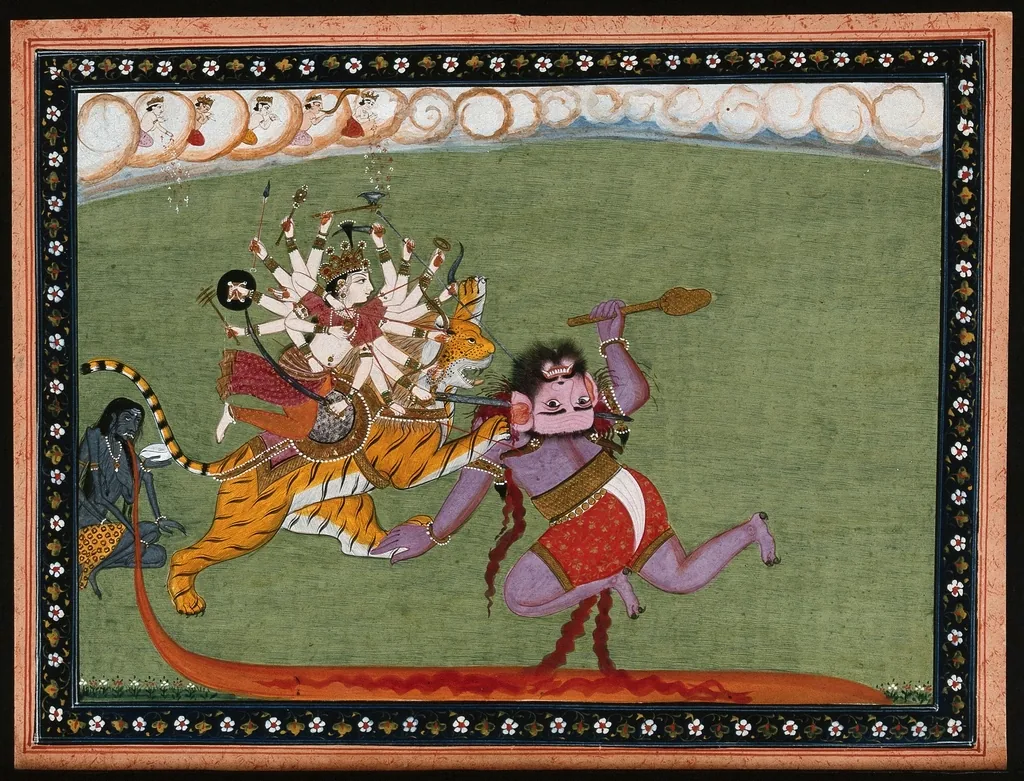
दूसरा चरित महिषासुर का है। महिषासुर बड़ा बलशाली दैत्य था जो भैंसे का रूप ले लेता था। उसने देवताओं को हराकर स्वर्ग छीन लिया। पराजित देवता ब्रह्मा जी को लेकर शिव और विष्णु के पास गए और अपना दुख बताया। सुनते ही विष्णु, शिव और सब देवताओं के मुख से क्रोध का तेज निकला और एक विशाल ज्योति बनकर एक देवी के रूप में प्रकट हुआ। शिव ने त्रिशूल दिया, विष्णु ने चक्र, इंद्र ने वज्र, वरुण ने शंख, हिमवान ने सिंह, और सब देवताओं ने अपने अपने शस्त्र और आभूषण दिए।
देवी ने ऐसा अट्टहास किया कि तीनों लोक काँप उठे। महिषासुर ने अपनी सेना भेजी, पर देवी ने चिक्षुर, चामर और बड़े बड़े सेनापतियों को मार गिराया। अंत में महिषासुर स्वयं भैंसे, सिंह और मनुष्य के रूप बदल बदलकर लड़ा। जब वह भैंसे की देह से निकलने लगा तब देवी ने त्रिशूल से उसका वध कर दिया। देवताओं ने फूल बरसाए और देवी से वचन माँगा कि जब भी संकट आए, आप प्रकट होना।
तीसरा चरित शुंभ और निशुंभ का है। इन दोनों दैत्यों ने देवताओं का राज्य छीन लिया तो देवताओं ने हिमालय पर जाकर देवी की स्तुति की। पार्वती की देह से अंबिका प्रकट हुईं। उन्होंने चंड, मुंड और रक्तबीज जैसे असुरों का वध किया, जिसके लिए काली और सप्तमातृकाओं ने उनकी सहायता की। अंत में देवी ने अकेले शुंभ और निशुंभ को मारा और देवताओं का अधिकार लौटाया।
यह कथा सुनकर राजा सुरथ और समाधि वैश्य ने नदी के किनारे देवी की मिट्टी की मूर्ति बनाई। उन्होंने तीन वर्ष तक संयम, उपवास और पूजा की। एक समय उन्होंने अपना रक्त भी चढ़ाने का संकल्प किया। तब जगदंबा प्रकट हुईं और वर माँगने को कहा। राजा ने कहा कि इस जन्म में मुझे अपना राज्य वापस मिल जाए और अगले जन्म में भी स्थिर राज्य मिले। वैश्य ने माँगा कि मेरा यह मैं और मेरा का मोह छूट जाए, मुझे ज्ञान दीजिए। देवी ने कहा कि दोनों की इच्छा पूरी होगी। सुरथ ने शत्रुओं को हराकर अपना राज्य पाया और अगले जन्म में सूर्य के पुत्र सावर्णि मनु हुए।
इसी कारण नवरात्रि में कलश स्थापना, नौ दिन का उपवास, दुर्गा सप्तशती का पाठ और अष्टमी या नवमी को कन्या पूजन का विधान चला। माना जाता है कि जो इन नौ दिनों में देवी की सेवा करता है, उसके जीवन के भय, रोग और दरिद्रता कटते हैं और वह भोग तथा मोक्ष दोनों पाता है।
The katha (English)
The story of Navratri that comes from the Devi Mahatmya, a part of the Markandeya Purana, is read in homes as the Durga Saptashati. It begins with the sorrow of a king and a merchant. In the line of Chaitra there lived a king named Suratha, who looked after his people as a father looks after his sons. Enemy kings attacked him, he lost the battle and his city, and his own ministers emptied the treasury. Alone, he rode into the forest on the pretext of hunting.
There he came to the hermitage of the sage Medha, where even wild animals did not fear one another. The king rested there for some days, but his mind kept going back to the city he had left and the elephants and horses in his stables. At the same ashram he met a merchant named Samadhi, whose wife and sons had driven him out over money. Yet Samadhi worried about them all the time.
The two went to the sage and asked how it was that their hearts still ached for the very people who had wronged them. We know they are not good, they said, so why does the attachment stay? Medha answered that this is the power of Mahamaya, the goddess. She draws even the wise by the mind and binds them in delusion, and when she is pleased she gives liberation. Then he told them three of her deeds.
The first deed concerns Madhu and Kaitabha. At the end of a world cycle, Vishnu lay asleep on the serpent Shesha in yogic slumber. Two demons grew from the wax of his ear and rushed at Brahma, who sat on a lotus. Brahma sang praises to the goddess as the sleep itself, asking her to wake Vishnu. She left his body, he woke and fought the demons for five thousand years. Proud of their strength, they told him to ask for a boon. Vishnu asked that they die by his hand. Deluded by Mahamaya, they granted it and were slain.
The second deed is the slaying of Mahishasura, a mighty demon who could take the form of a buffalo. He defeated the gods and seized heaven. The gods went with Brahma to Shiva and Vishnu and told them everything. Hearing it, anger rose from the faces of Vishnu, Shiva and the other gods and merged into one mass of light that took the shape of a woman. Shiva gave her a trident, Vishnu a discus, Indra a thunderbolt, Varuna a conch, the Himalaya a lion, and every god brought a weapon and ornament.
She laughed so loud that the three worlds shook. Mahishasura sent his armies, but she cut down Chikshura, Chamara and the great generals. At last Mahishasura himself came and kept changing shape from buffalo to lion to man. When he began to step out of the buffalo's body, she killed him with the trident. The gods showered flowers and asked her to appear again whenever danger came.
The third deed is Shumbha and Nishumbha, two demons who took the gods' realm. The gods went to the Himalaya and prayed, and Ambika emerged from the body of Parvati. She destroyed Chanda, Munda and Raktabija, with Kali and the seven mothers helping her. At last she faced Shumbha and Nishumbha alone and killed them, returning heaven to the gods.
When they had heard this, Suratha and the merchant made a clay image of the goddess on a riverbank. For three years they lived with restraint, fasting and worship. They are said to have even vowed to offer their blood. Then the Mother appeared and offered a boon. The king asked for his kingdom in this life and a stable one in the next. The merchant asked to be free of the thought of me and mine, and for true knowledge. She promised both. Suratha defeated his foes and won back his throne, and in his next birth became Savarni, the Manu who is the son of the sun.
This is why Navratri includes kalash sthapana, nine days of fasting, the reading of the Saptashati, and kanya pujan on Ashtami or Navami. It is said that anyone who serves the goddess during these nine days is relieved of fear, illness and poverty, and receives both worldly joy and liberation.
Traditional source: Devi Mahatmya (Durga Saptashati), Markandeya Purana chapters 81 to 93, as told in common Navratri vrat-katha books
क्या खाएँ · What to eat
- Fruit, milk, sabudana and makhana through the nine days
- Kuttu, singhara and samak rice dishes with sendha namak
- Potato, pumpkin and sweet potato cooked without onion and garlic
क्या छोड़ें · What to avoid
- Grain, wheat flour, rice and pulses
- Onion, garlic, meat, eggs and alcohol
- Cutting hair or nails, and leather items, according to family custom
नियम How the day is kept
- Install the kalash on Pratipada, sow barley in the clay pot and light an akhand diya
- Do daily Durga puja, read the Saptashati or the Durga chalisa
- Worship nine girls on Ashtami or Navami and give them food and gifts
- Do a havan on the last day and give daan
पारण और उद्यापन Breaking the fast
Open the fast on Dashami after the morning puja, or on the day Navami ends if your family opens after the havan. First feed the kanyas and the elders, then eat. Sprinkle the barley shoots from the pot as prasad. Check drikpanchang.com for the paran window of your city.
आरती और पूजा Aarti and puja
Sing the Jai Ambe Gauri aarti every evening and the Durge Durghat Bhari prayer when you complete the path.
Jai Ambe Gauri aartiNavratri kalash sthapanaDurga puja at home
Laladham can pick you up in Delhi and take you to a Shakti peeth such as Vaishno Devi or Jwalaji for a complete Navratri trip with homecooked food on the way. Plan this trip
प्रश्न Questions, answered
Which Navratri is bigger, Chaitra or Ashwin?
Ashwin or Sharad Navratri is the grandest, ending in Dussehra. Chaitra Navratri ends in Ram Navami. Both follow the same method.
What should I eat during the Navratri fast?
Fruit, milk, makhana, sabudana, kuttu, singhara and samak rice with sendha namak. Avoid grain, onion and garlic.
When do I do kalash sthapana?
On Pratipada, preferably in the first part of the morning. Check the exact muhurat at drikpanchang.com.
Is it compulsory to read the Durga Saptashati?
The Saptashati is the central text, but families also read a short path or the Durga chalisa. A priest can guide you.
What is kanya pujan?
Nine girls, as forms of the goddess, are washed and fed halwa, puri and chana on Ashtami or Navami and given small gifts.
तिथि और पारण का समय हर शहर में अलग होता है; अपने शहर का पंचांग (drikpanchang.com) देखें। कुल की परंपरा सर्वोपरि है। Dates change every year, so check a panchang for your city. If you are unwell, pregnant or on medicine, keep the fast in a lighter way.
Hear it in Braj. Laladham picks you up in Delhi and runs the complete trip, so you can keep your vrat where the stories happened.
Plan my trip