Writers of this loop agree on one thing: the shrines are the short part, and the road between them is the long part. One group that did it in two cars in June reported a drive of seven hours stretching to fourteen, with no food and no usable toilet along the way. Another family, travelling in the first week of October, found the month far busier than expected because people who had put off September all arrived at once. Eleven days is the length at which the loop stops feeling like a forced march.
Here the order is the traditional one: Yamunotri, then Gangotri, then Kedarnath, then Badrinath. It also happens to be the sensible one for the body, because you climb gradually, with the hardest walk in the middle of the trip when you have had a week of mountain air, and the coldest and highest-feeling town at the end. Each dham has its own character. Yamunotri is a steep walk to a small shrine beside hot springs, Gangotri is forest and a white temple on the river, Kedarnath is the long climb, and Badrinath is a town you can reach by car.
This trip suits families with parents who are fit enough to walk a few kilometres at a stretch, couples who want the circuit done once and properly, and solo seekers who would rather not wrestle with rooms and registration. It does not suit anyone with serious heart, lung or spine trouble, and the reports are blunt that people above their seventies should think hard about the Kedarnath day in particular.
From your pickup
Same trip, four starting points. Road times are real driving times; a long drive becomes its own travel day so nobody arrives wrecked.
Day by day
Day 1 · night in Haridwar
Haridwar, registration and the first aarti
The loop starts where the Ganga leaves the mountains. Spend the morning settling in and sorting registration, because nothing on this route works without it: every traveller and the vehicle need to be on the state portal, with the QR letter saved on the phone and a paper copy in the bag. Do it tonight rather than at a roadside counter on day three, when signal is poor.
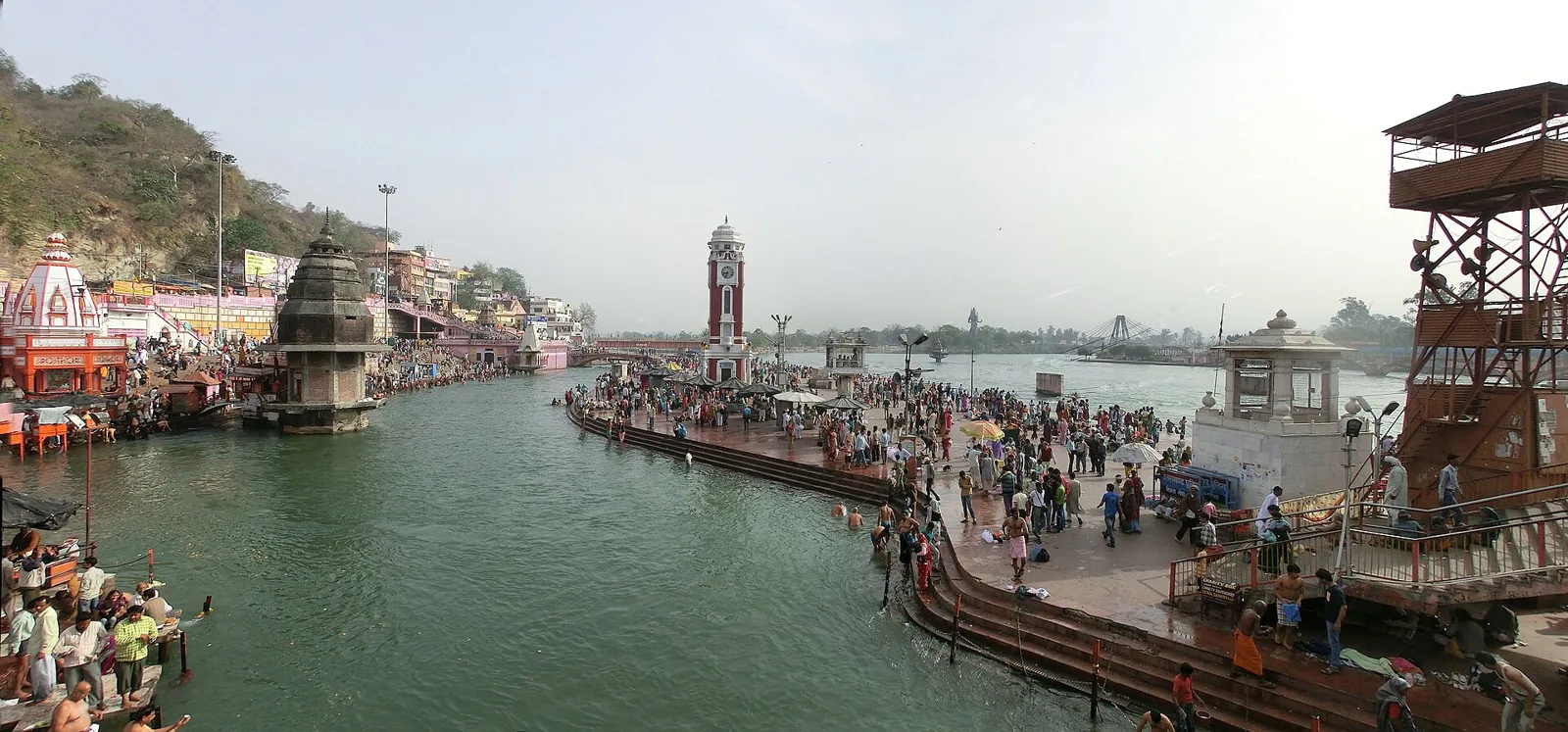
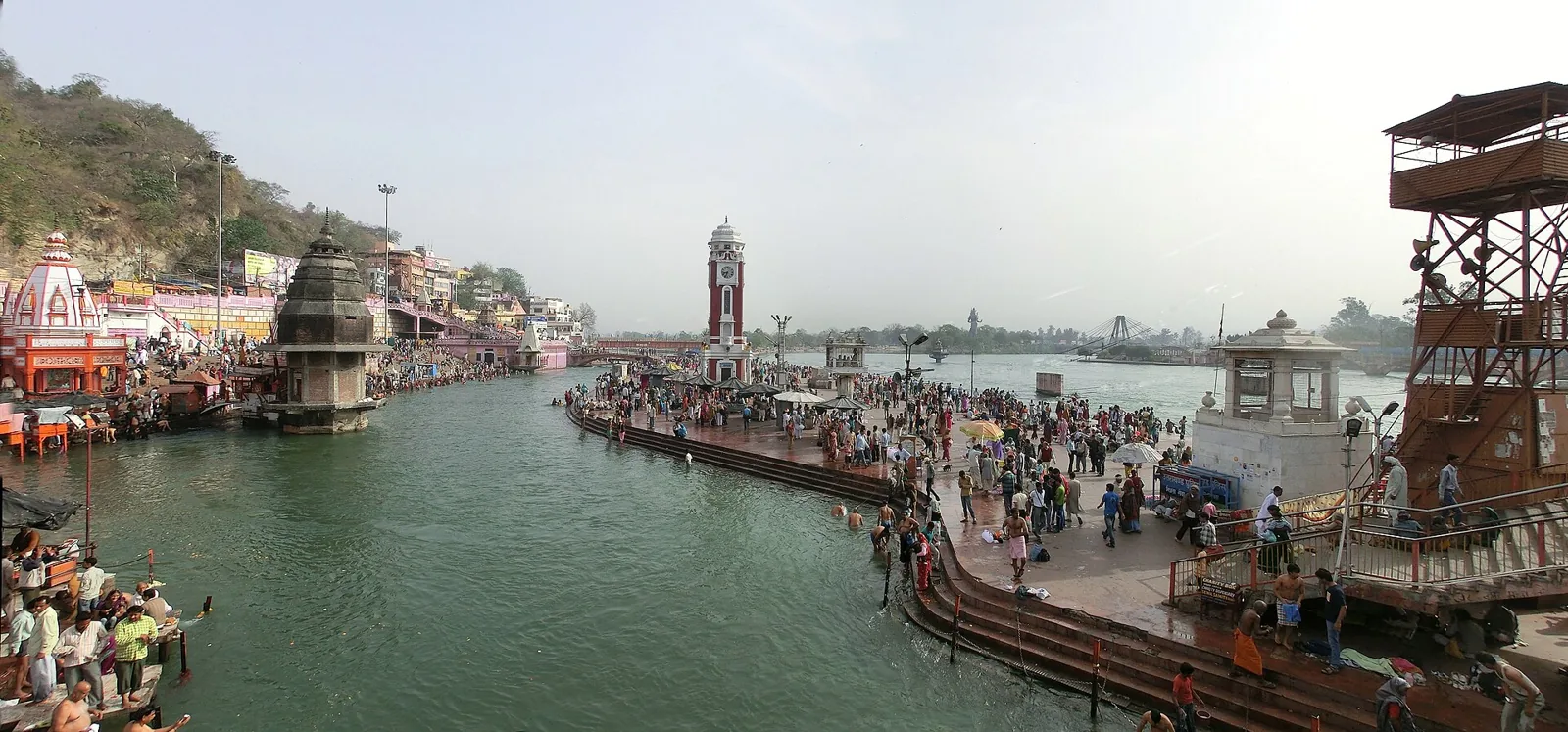
In the afternoon walk the ghats toward Har Ki Pauri. The evening aarti is the reason to be there by five or so, and the people who write about it say the same thing: stand a little back from the water, not at the front, and keep bags close. Afterwards eat something light and sleep early. Day two starts before most of the town is awake.
- Har Ki Pauri
- Ganga aarti
- Mansa Devi
Day 2 · night in Barkot
Haridwar to Barkot, a first long day
Haridwar to Barkot via Dehradun, a full day
This is a long first drive, and it is deliberate: the road to Yamunotri branches at Dharasu and carries on toward Barkot, the small town that serves as the gateway. Leave at first light. In the busy weeks the Barkot approach is said to jam for hours, so the earlier you pass Dehradun, the better the afternoon goes.
Barkot itself is a plain, practical place with a bazaar and rooms, and its job tonight is to put you within reach of an early start. Drink plenty of water and go to bed early. The Yamunotri path rewards people who begin before the sun is hot.
- Dehradun
- Dharasu
- Barkot
Day 3 · night in Barkot
Yamunotri on foot and a return to Barkot
Barkot to Janki Chatti, then the walk to the shrine
The road ends at Janki Chatti and the rest is a walk of around five to six kilometres, uphill, to a shrine at about 3,300 metres. Press reports describe a daytime cap on the number of animals on the path. Travellers who brought elderly relatives mostly rented mules or a palanquin there, and they say rates are negotiated on the spot rather than posted, so agree before sitting.
Walk behind the mules, not in front, because locals told one group that the animals pick the safest line on the broken stretches. Rain gear matters even in a dry week, and the light goes early in October. At the top you bathe or sprinkle water from the hot spring, and rice tied in muslin is cooked in the springs as prasad. One group that got caught by a stuck bus and a temporary road ended up spending the night near the shrine, and they recommend that if the road looks unsettled.
- Janki Chatti
- Yamunotri temple
- Surya Kund
- Divya Shila
Day 4 · night in Uttarkashi
Barkot to Uttarkashi through the pines
Barkot to Uttarkashi, a short half day on a good road
After the effort of Yamunotri this is a kind day. The road toward Uttarkashi runs through forested slopes and small hill towns, and it is short enough that you can sleep a little, eat a proper lunch and still reach town with daylight to spare. Legs are usually sore on the morning after the walk, and that is normal.
Uttarkashi is the base for Gangotri, so the afternoon is for rest, laundry if you need it, and an easy look at the Vishwanath temple in the old part of town. Tomorrow is another early start.
- Uttarkashi
- Vishwanath temple
Day 5 · night in Uttarkashi
Gangotri and back
Uttarkashi to Gangotri and return, a full day with long stops
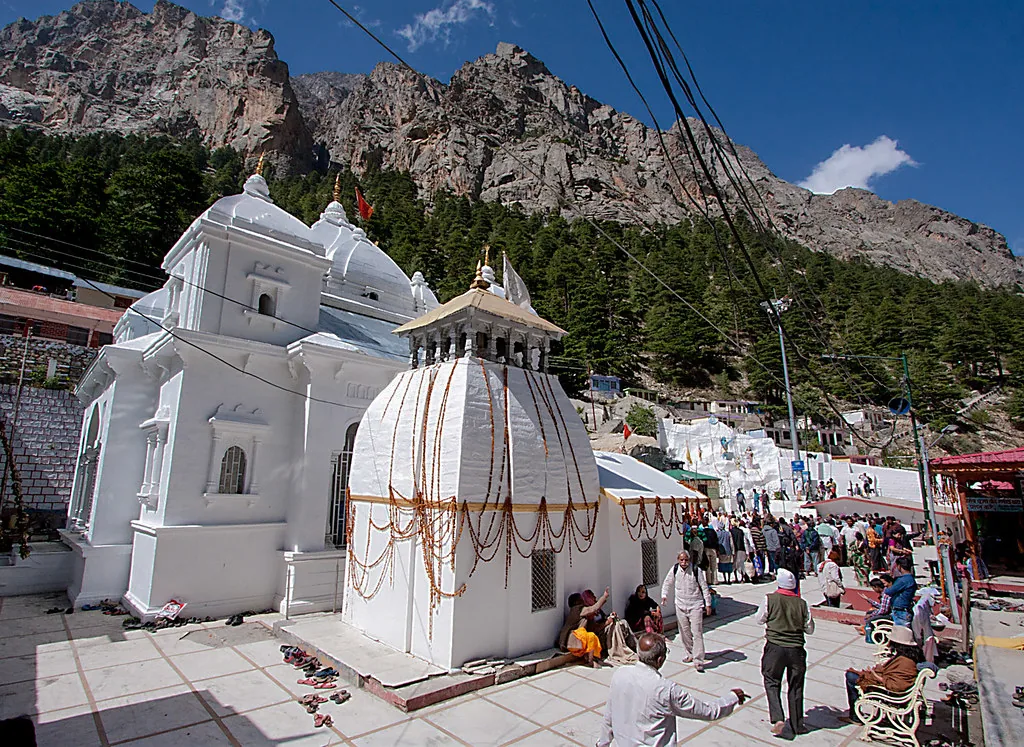
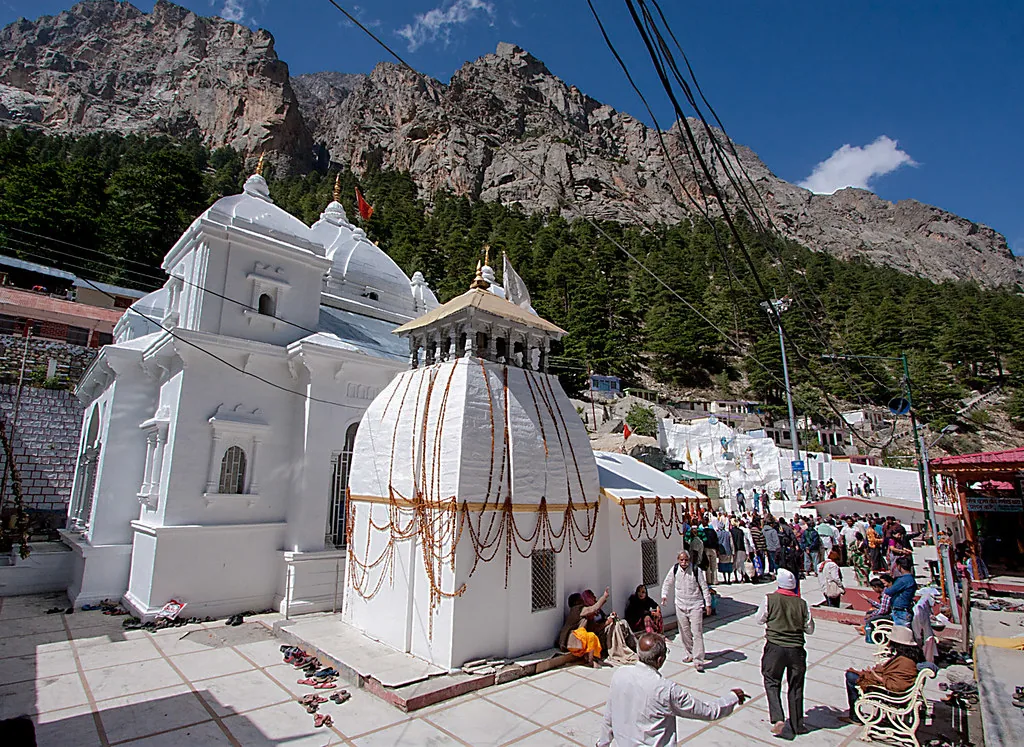
Gangotri sits at the head of the road, and the drive in is among the prettiest of the trip: deodar and pine, the Bhagirathi alongside, and a temple that is white and compact. Weather here surprised a family who trusted a forecast that promised clear skies and met rain and real cold instead. Pack a wool layer anyway.
Compared with Yamunotri and Kedarnath this is a gentle day on the knees. A priest arranged through the hotel gave one group a calm puja instead of the usual scramble. Another writer found the restaurants spotless, with dosas after days of dal and roti.
- Gangotri temple
- Bhagirathi Shila
- Harsil road
Day 6 · night in Guptkashi or Sonprayag side
The long drive across to Kedarnath country
Uttarkashi toward Guptkashi, the longest drive of the trip, about eight hours or more
Road guides consistently call the stretch from Uttarkashi toward Gaurikund the hardest on the circuit, and travellers who wrote about it say jams and slips become more noticeable around the third or fourth day of driving. Weekends are worse. Start before dawn and keep the day relaxed: it is a transfer day, not a sightseeing day.
Lunch is best somewhere with a clean toilet. By evening you should be near the base area, and the key task tonight is to repack: a small daypack for the climb, warm layers, rain gear, a torch and cash. Larger bags can stay in the car. One group arrived without helicopter tickets because of an organiser's error, so check your slot or ticket plan tonight, not on the trail.
- Devprayag
- Rudraprayag
- Guptkashi
Day 7 · night in Kedarnath or Sonprayag
Gaurikund to Kedarnath on foot
Sonprayag to Gaurikund, then the trek of about 16 kilometres
The trek is the physical heart of the whole trip. Reports give it as around sixteen kilometres from Gaurikund, and the time people take varies hugely, from a long morning to most of a day. Leave in the early hours. Rest every hour, sip water often, and turn back if you feel dizzy or have a headache that will not clear.
Choose your help with open eyes. A recent group wrote that the horses were in poor condition, rules were often ignored and animals were still being used after dark, and one friend who fell after five in the evening was badly hurt. A relative who rode up in the morning came down in a carried chair, which the writer found better managed. Staying the night at the top lets you see the temple at first light, with fewer people around.
- Gaurikund
- Rambara
- Kedarnath temple
Day 8 · night in Guptkashi side
Kedarnath at dawn and the walk down
Kedarnath to Gaurikund on foot, then by road to the base area
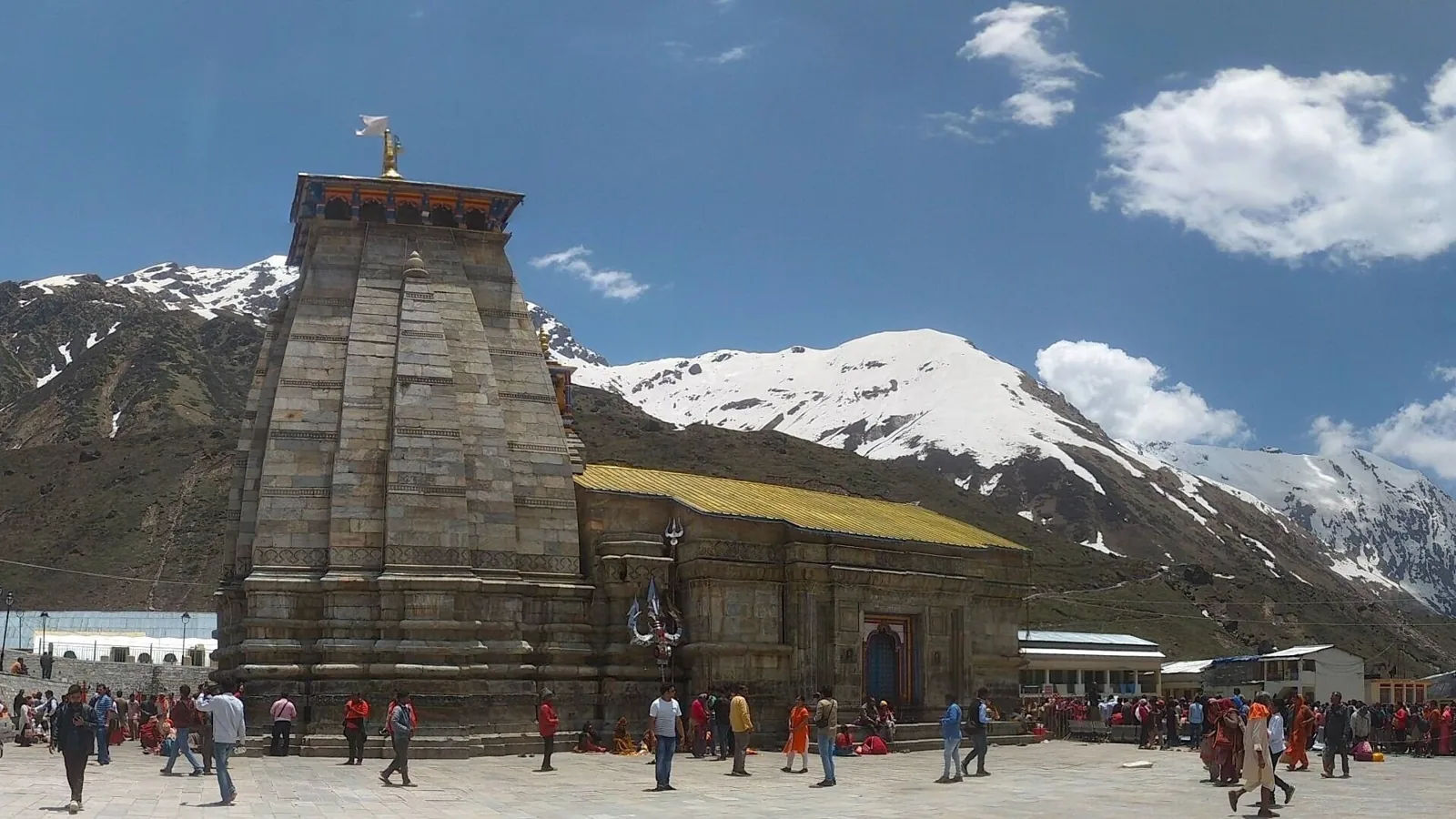
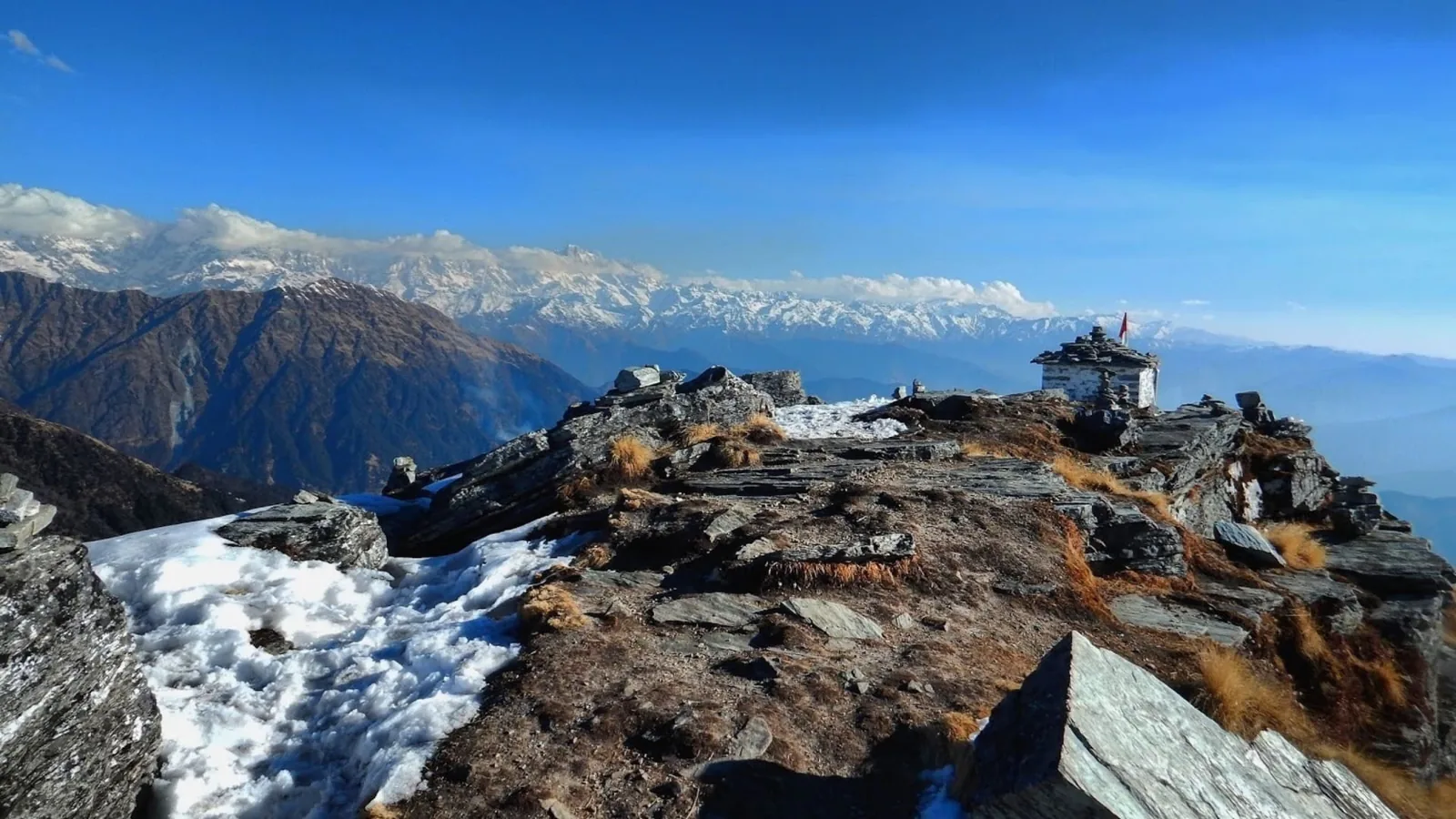
The darshan queue is shortest early, and the temple is a grey stone building under snow peaks, as in the photographs, although the scale of the valley around it is what usually silences people. Phones and cameras are restricted in many parts near the temple, so ask before you point yours.
Start down by mid-morning. Descending hurts knees more than climbing hurts lungs, and the afternoon weather can turn. Another traveller who did this alone reports being picked up late by staff from a dharamshala and eating a simple khichdi under blankets, which is how most people remember Kedarnath's evenings. Plan a full rest day afterwards if you can; if not, make this evening a quiet one.
- Kedarnath temple
- Gaurikund
- Sonprayag
Day 9 · night in Badrinath
Across the Garhwal ridges to Badrinath
Guptkashi toward Joshimath and Badrinath, a very long day
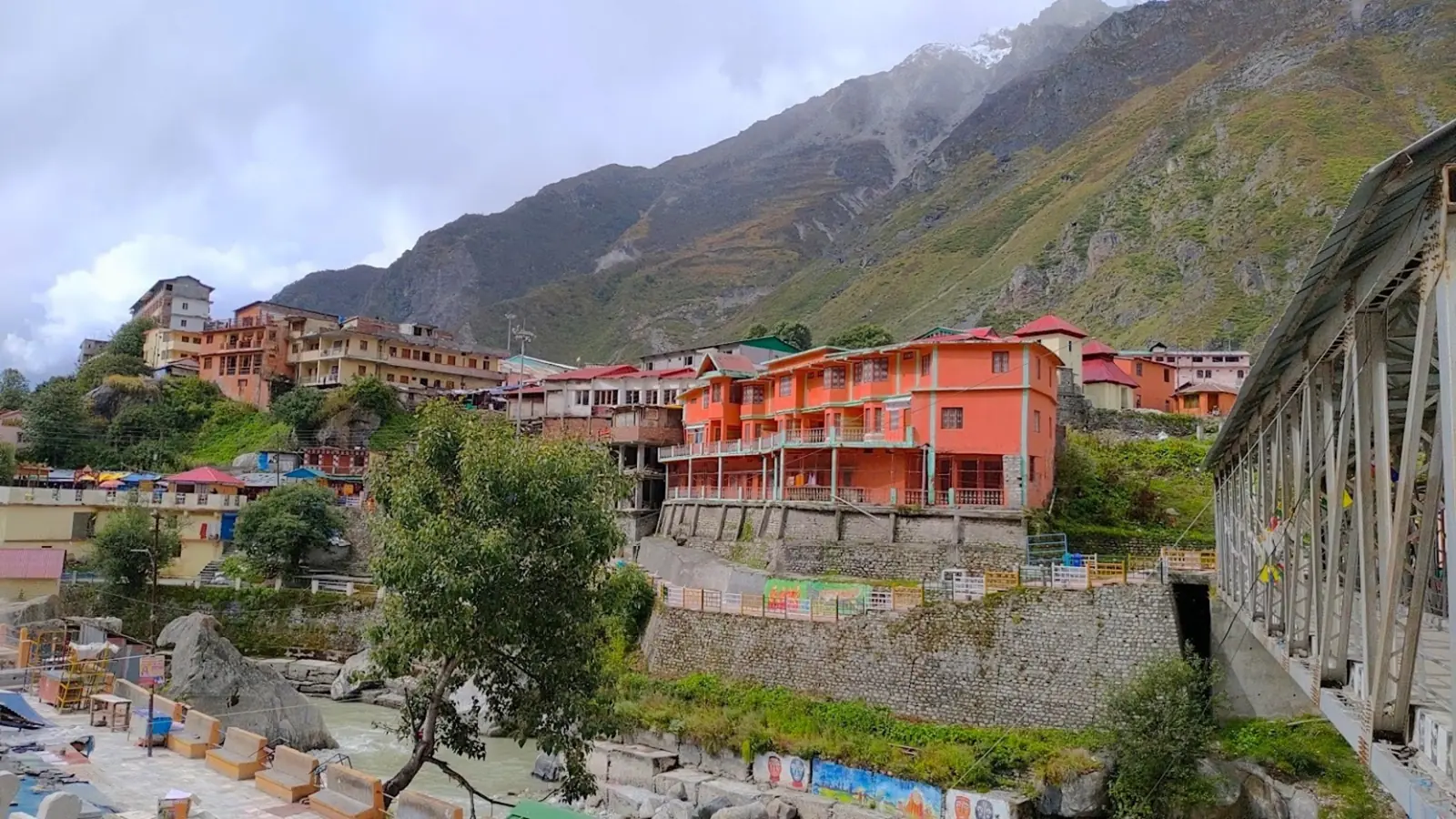
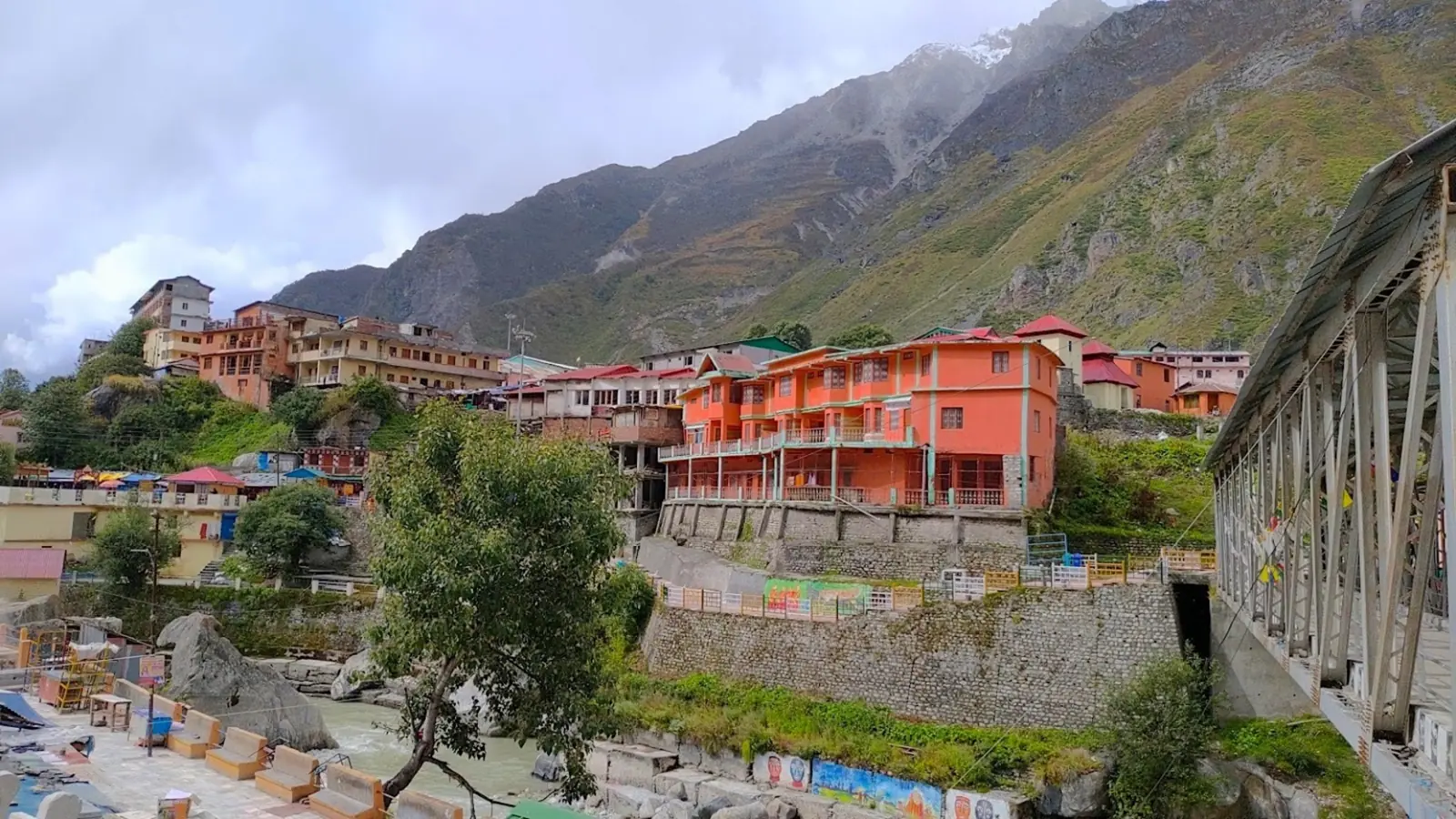
This is the second long transfer, with the road running above the Alaknanda through Chamoli and Joshimath. Sources disagree on the distance, and the drive can easily eat the whole day, so treat any figure as a rough one. Roads on this side are better, and one lone traveller found Badrinath smoother and more developed than the earlier dhams.
You may arrive late and cold. That is fine. Check in, eat, and sleep. Most stays are a short walk from the shrine, so a dawn visit is easy. Alcohol is prohibited in Badrinath and along the whole route, and many shops and eateries still prefer cash, so carry some.
- Joshimath
- Alaknanda valley
- Badrinath
Day 10 · night in Devprayag or Srinagar
Badrinath, Tapt Kund and Mana, then down the valley
Badrinath down the Alaknanda to Devprayag, a long afternoon drive
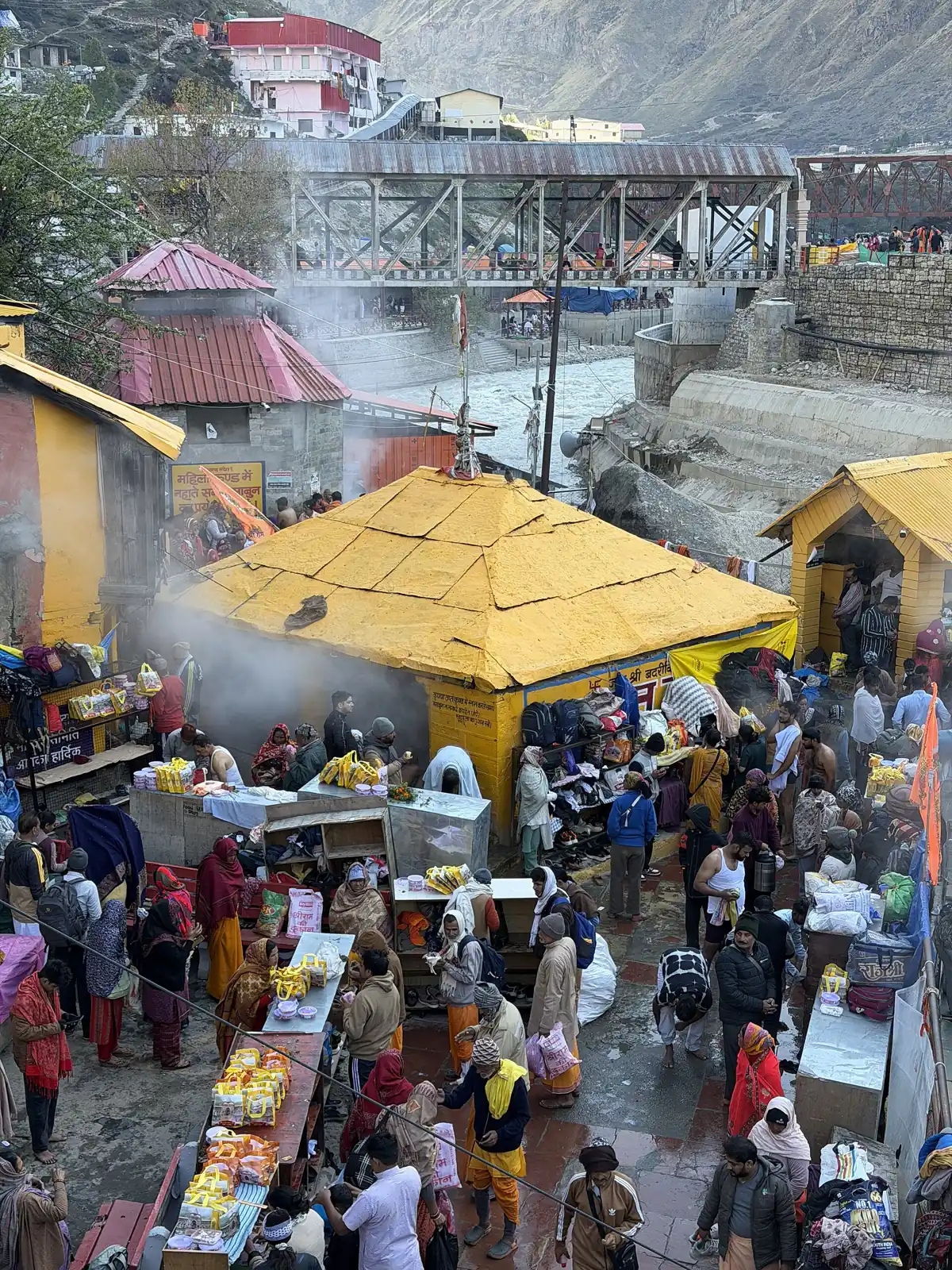
Go to the temple early. A group that arrived the night before reported a quiet, peaceful morning darshan, whereas a June group stood in a queue of about two kilometres in the rain with no shelter. Tapt Kund, the hot spring below the temple, is where people bathe first, and one solo traveller spent hours beside it.
Mana village is close and easy to fit in before you leave, the last village before the border. Then start down. The stay tonight, at Devprayag or similar, is chosen so that the final day to Haridwar is short and calm, and so that the confluence of the two rivers is within reach for an evening look.
- Badrinath temple
- Tapt Kund
- Mana
- Devprayag
Day 11 · night in Haridwar
Devprayag to Haridwar and the end of the loop
Devprayag to Haridwar, a half day
The last drive follows the Ganga down through Rishikesh to the plains, and the temperature rises with every bend. You arrive in Haridwar by mid-afternoon with time to wash, rest and, if you want, sit again on the ghats where the loop began.
Several accounts mention that rafting or a dip in the Ganga near Rishikesh made a good, gentle ending after the strain of the mountain roads. We drop you at the airport, station or onward car the next morning, with nothing left to organise.
- Rishikesh
- Har Ki Pauri
Registration is not optional
Every traveller and every vehicle has to be on the Uttarakhand portal or the Tourist Care Uttarakhand app. It is free, it produces a letter with a QR code, and the code is checked at the dhams. Pick up a darshan slot token where offered, and keep ID that matches what you entered. Helicopter tickets, if you want them, can only be booked through IRCTC.
People who wrote about this loop tend to name the same two regrets: leaving the helicopter booking until late, and relying on a hotel or operator to have done it. Do it yourself, early, and check it once more.
When to go and when to keep away
The gates open in late April or May and close in early November, on a date fixed around Bhai Dooj. In 2024 Gangotri closed on 2 November, Kedarnath and Yamunotri on 3 November, and Badrinath on 17 November. Heavy rain, landslides and blocked roads are common from the end of June to August, and many sources advise avoiding that spell. May, early June, September and October are the usual choices, though October brought crowds one writer called unusually heavy.
What to carry and what to leave
Layers beat bulk. Cold sets in quickly at Kedarnath and Badrinath even in summer, so carry a wool layer, a rain poncho, gloves and a cap, and strong shoes that are already broken in. Bring dry snacks, dates and nuts, a torch, and the medicines everyone needs. Leave jewellery and extra luggage in the car.
Mobile signal is patchy, and one traveller reports that a pre-booked room fell through because an update never arrived. Keep each stay's phone number handy and call a day ahead.
What the price covers
- One car and driver from your pickup to the final drop
- 12 nights in hand-picked stays
- Breakfast and dinner every day
- Local guide at the main sights
- Tolls, parking and fuel
- Lunches
- Monument tickets, permits and activity fees
- Personal shopping
Questions people ask
Is eleven days enough for the Char Dham by road?
It is a comfortable length. Shorter plans squeeze the long transfer days, and the trip reports from people who tried compressing the loop mostly describe tired drivers and missed slots. Eleven days leaves a buffer for a blocked road.
Can a sixty-year-old do the Kedarnath walk?
Many do, with rests, a slow pace and a carried chair or a pony for part of it. Officials screen older visitors, so expect a health check. If the climb is too much, helicopters shuttle from the lower villages, booked via the state railway portal.
Which order should the four dhams be visited in?
The traditional way, as in this plan. It follows the road, keeps the long climb mid-trip, and ends on the one town you drive into.
What if a road is blocked by a landslide?
It happens. Waits of a couple of hours are reported, longer in heavy rain. The driver watches the updates, and the schedule has slack for exactly this. Vehicle movement is also restricted on the mountain roads at night.
Do we need to register before we arrive?
Yes. Enter the people and the vehicle before travel, and carry the QR letter. It is free, and no registration usually means no entry.
Can the trip start from Delhi, Agra, Jaipur or Mathura?
Yes. Laladham picks you up at the Delhi airport, Agra, Mathura or Jaipur, and the longer drive to Haridwar is added as its own travel day before the eleven days begin.
- Opening and closing dates of each dham are fixed by the temple committees each year, so confirm before booking
- Registration rules, darshan slots and daily visitor caps change season to season
- Helicopter availability and booking windows on the IRCTC portal
- Road status on the Uttarkashi to Gaurikund stretch after rain
 4 days
 5 days
 4 days