Within that window, the month you choose shapes the queue, the cold and the road more than any other decision.
The season, and the date it ends
Badrinath was expected to open on 23 April, with Kedarnath on 22 April and Yamunotri and Gangotri on 19 April, for the 2026 season. Priests fix the closing after a Vijayadashami puja. The Tribune reported the previous season's closing as 25 November at 2:56 in the afternoon, announced by the temple committee, and guides for the current season give dates from early to mid November, each marked tentative. Check the Badrinath-Kedarnath Temple Committee site for the end date before you plan a late trip.
When the doors shut, the idol is carried to Joshimath, and daily worship carries on through winter, so the deity is still honoured, only lower down.
The day at the temple
The order of a day goes roughly like this. The Maha Abhishek at 4:30 is by pre-booking, limited to about 20 people. Abhishek puja and Veda recitation follow at 6, then Bal Bhog, and general darshan opens at about 7. The sanctum is closed from 1 to 4 for bhog and shringar, evening darshan opens at 4 with the Shringar aarti, the Geet Govinda aarti comes at 6, and the Shayan aarti near 8:30 to 9 has very limited access. One older guide lists darshan from 6 to noon and 4 to 9, so timings differ by source, and weather can shift slots by half an hour.
Join the morning queue by 6:15. Carry the printed confirmation and a photo ID if you have booked a seva. Phones, cameras and leather items are locked away, since nothing electronic is allowed beyond the Singhdwar gate, about 100 m before the sanctum. Photography is banned inside the garbhagriha, but the courtyard is fine from outside. Dress modestly, and do not queue in wet clothes.
Tapt Kund, before darshan
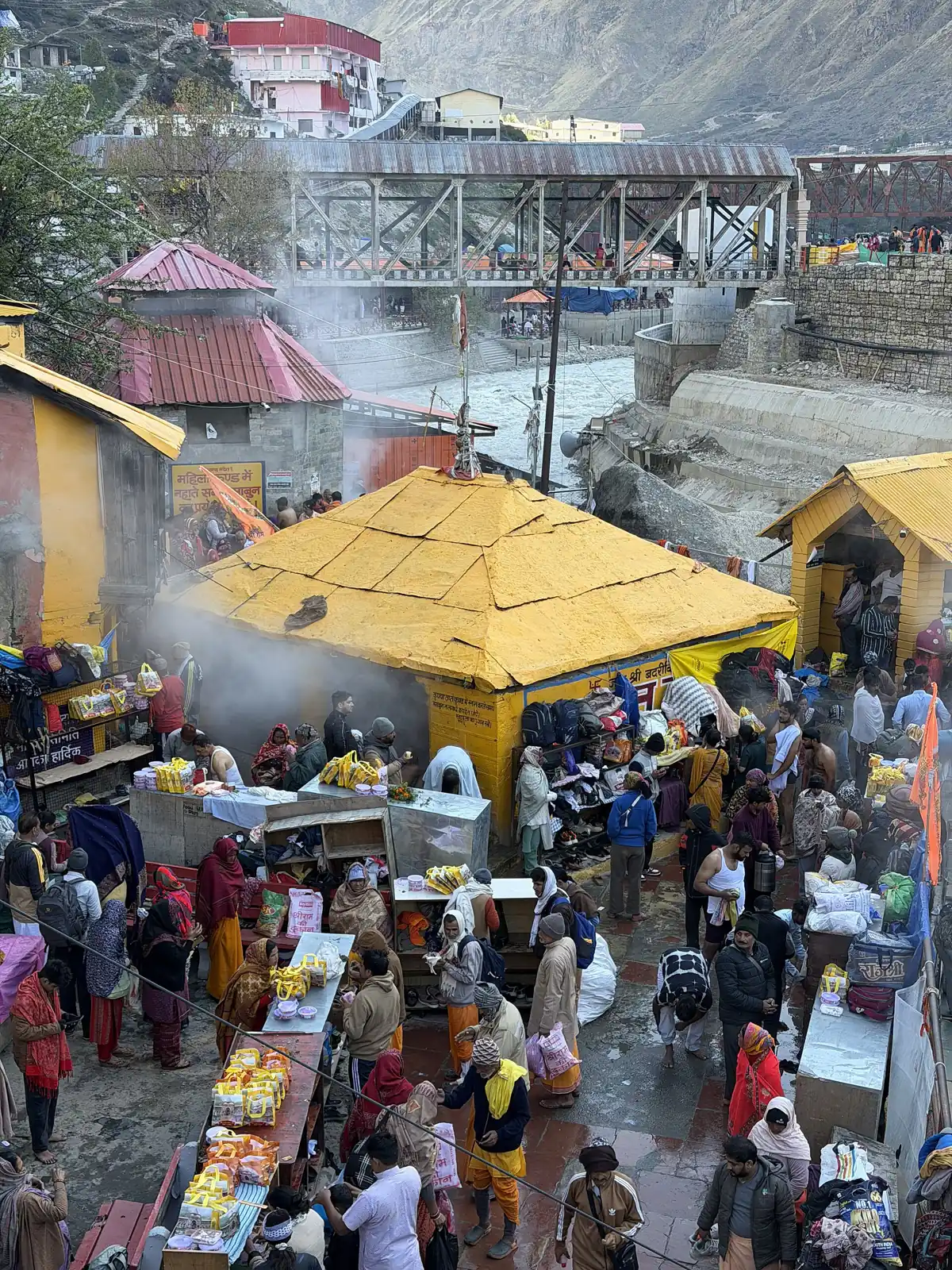
The hot spring below the temple steps is quoted at anywhere from about 45 to 55 degrees and is open from 5 in the morning to 6:30 in the evening. Bathing before darshan is the custom, with separate areas for men and women. The sulphur is strong, so one source recommends a dip of two or three minutes, not a long soak.
Mana and Vasudhara
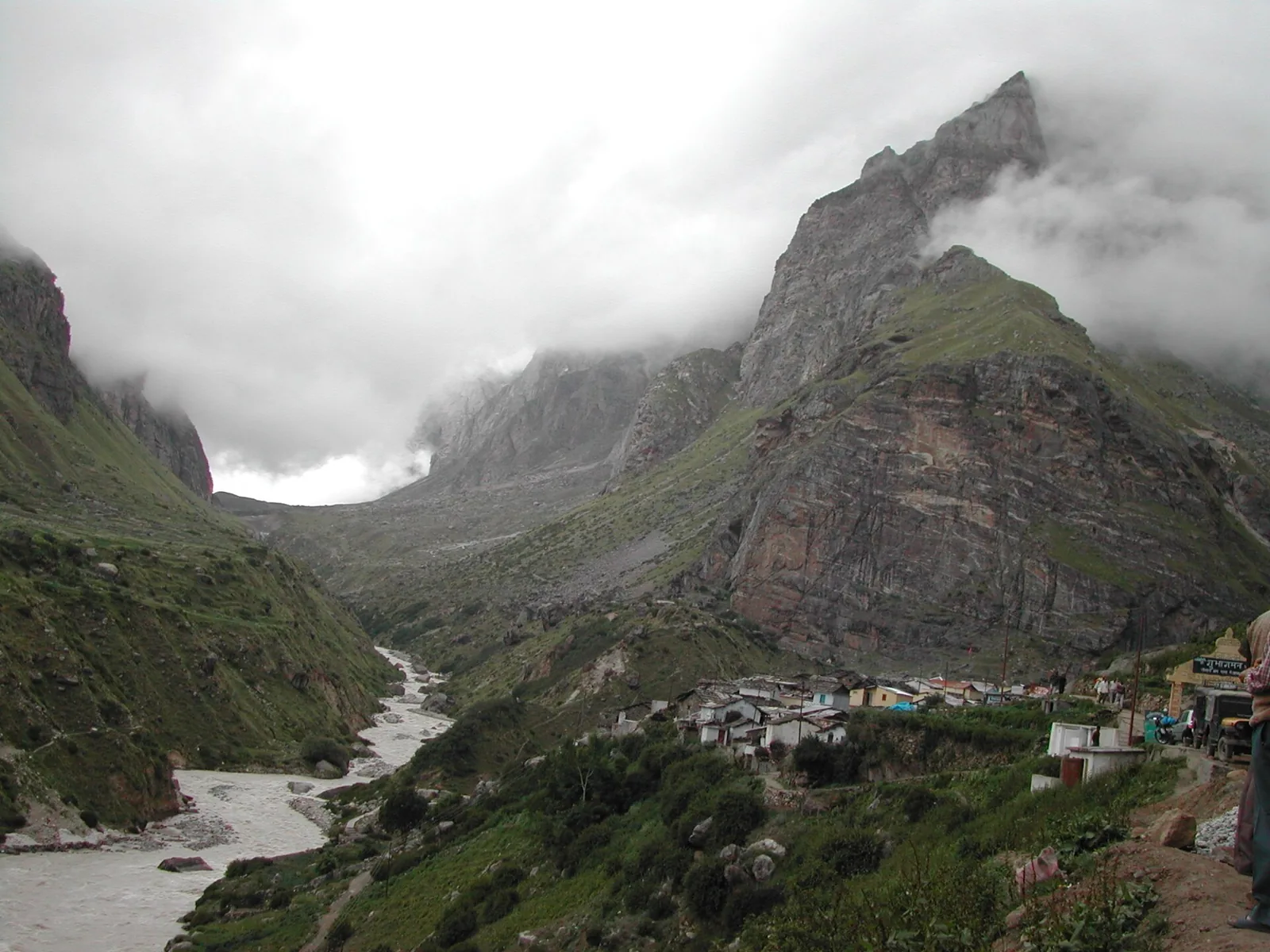
Mana village is about 3 km from Badrinath, the last inhabited village before the Indo-Tibetan border, on the Saraswati. Look for Bhim Pul, the natural rock bridge, Vyas Gufa, the cave where Ved Vyas is said to have composed the Mahabharata, and the spot where the Saraswati vanishes underground. Vasudhara Falls, a 400 ft drop, is a 5 to 6 km trek beyond Mana, a moderate walk of 2 to 3 hours each way.
Registration is mandatory
Char Dham registration costs nothing and you get a scannable pass. The pass is a QR e-pass checked at points along the route, darshan is allotted in time slots that can be shortened on crowded days, and a basic health check is part of the process. Alcohol and sleeping pills are banned. Offline counters also exist, and a fee had only been under consideration when the rules were reported, so anyone demanding one needs checking.
Which month
May and June bring heavy crowds and darshan queues of two to three hours, with 11 to 25 degrees by day. September and October are quieter, with queues reported near 30 to 45 minutes. The back end of September and October give the clearest skies. July and August are monsoon, with landslides, and the advice is to avoid them. In November the day reaches 3 to 8 degrees and nights fall below zero, so the heavier down layers are essential.
Getting there from Delhi
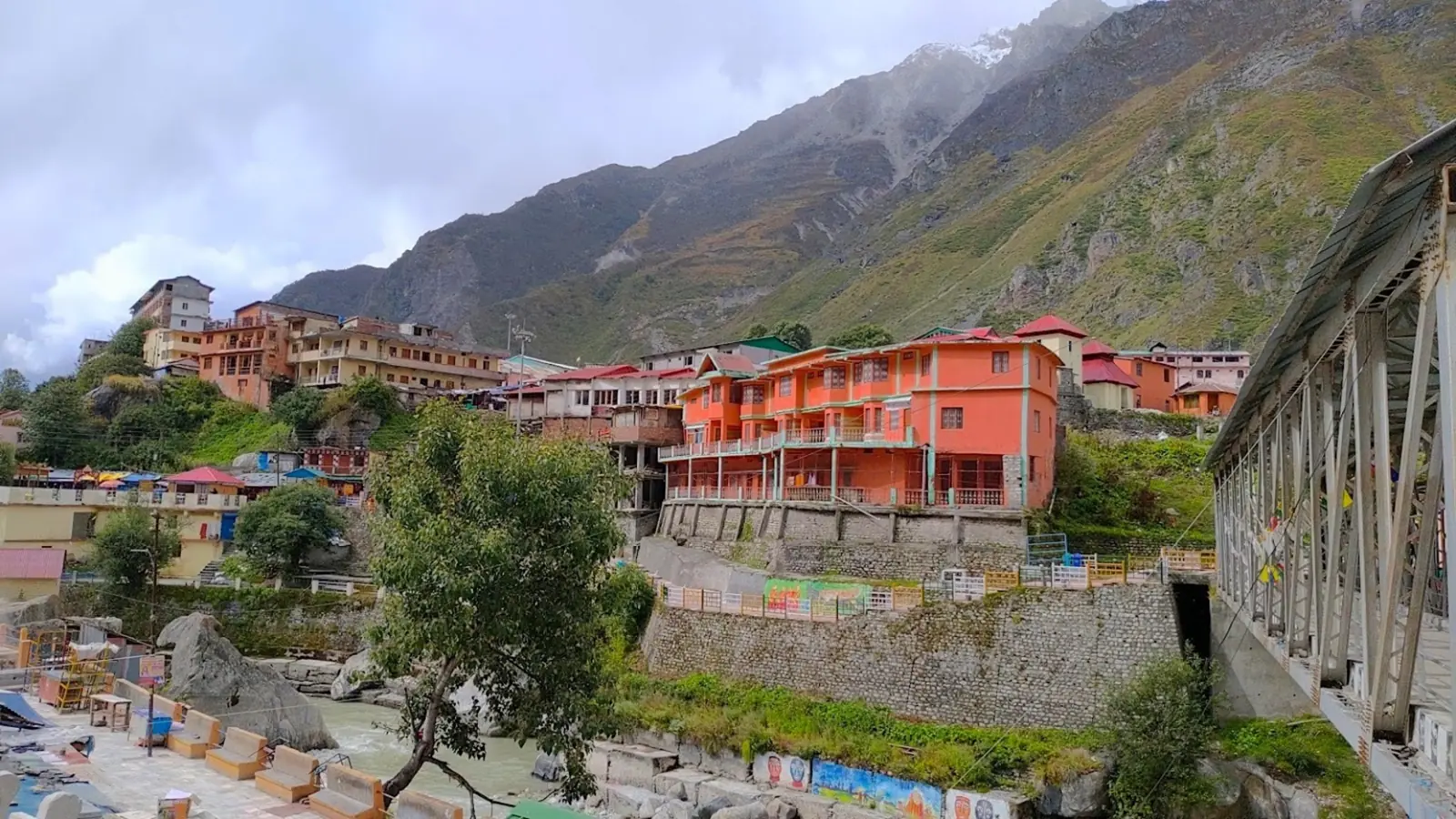
Delhi to Badrinath is about 525 km and 14 to 16 hours by road, and from Rishikesh it is about 300 km and 10 to 12 hours. Joshimath, 42 km before Badrinath, is where most people break the journey, for acclimatisation as much as for the road. Dehradun, about 314 km away, is the nearest airport, and helicopters from the Sahastradhara helipad are limited and weather-bound. The Joshimath to Badrinath stretch can be hit by snow or landslides, and BSNL has the widest signal here. Carry Rs 3,000 to 5,000 in cash, since ATMs run dry in peak season.
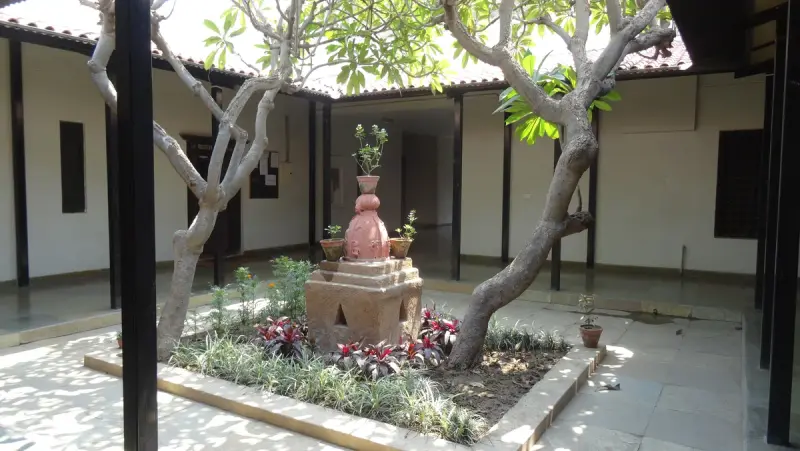
Badrinath is strictly vegetarian, and GMVN guesthouses and temple dharamshalas are the budget stays; book early for May and June.
Let Laladham run it
Laladham picks you up in Delhi, from the airport, station, home or hotel, and plans the whole Badrinath run: dates inside the open season, registration, a halt at Joshimath, a driver for the mountain stretch and darshan timing. Ask for a quote on the [book page](/book).
Questions, answered
When is Badrinath open?
From late April to mid-November. The opening is late April, and the end date is announced each autumn, so check it before a late trip.
Is registration needed?
Yes. Registration is required and gives you a QR pass; entry to the shrines is refused without it. Never pay anyone who claims a fee.
Can I take my phone inside?
No. Phones are locked away, and the sanctum is a no-photo zone.
How far is Badrinath from Delhi?
About 525 km and 14 to 16 hours by road, with a night at Joshimath advised.
What is the best month to go?
June for the easiest weather, and late September to October for the clearest skies and thinner crowds.
Where does worship move in winter?
Down to Joshimath, per the tourism board.