The trick is timing. The old city belongs to the morning, the mosques to the late afternoon light, and the food streets to after nine at night. Plan around those hours and the city rewards you; ignore them and it is just heat and horns.
The walled city, on foot at 7:45 am
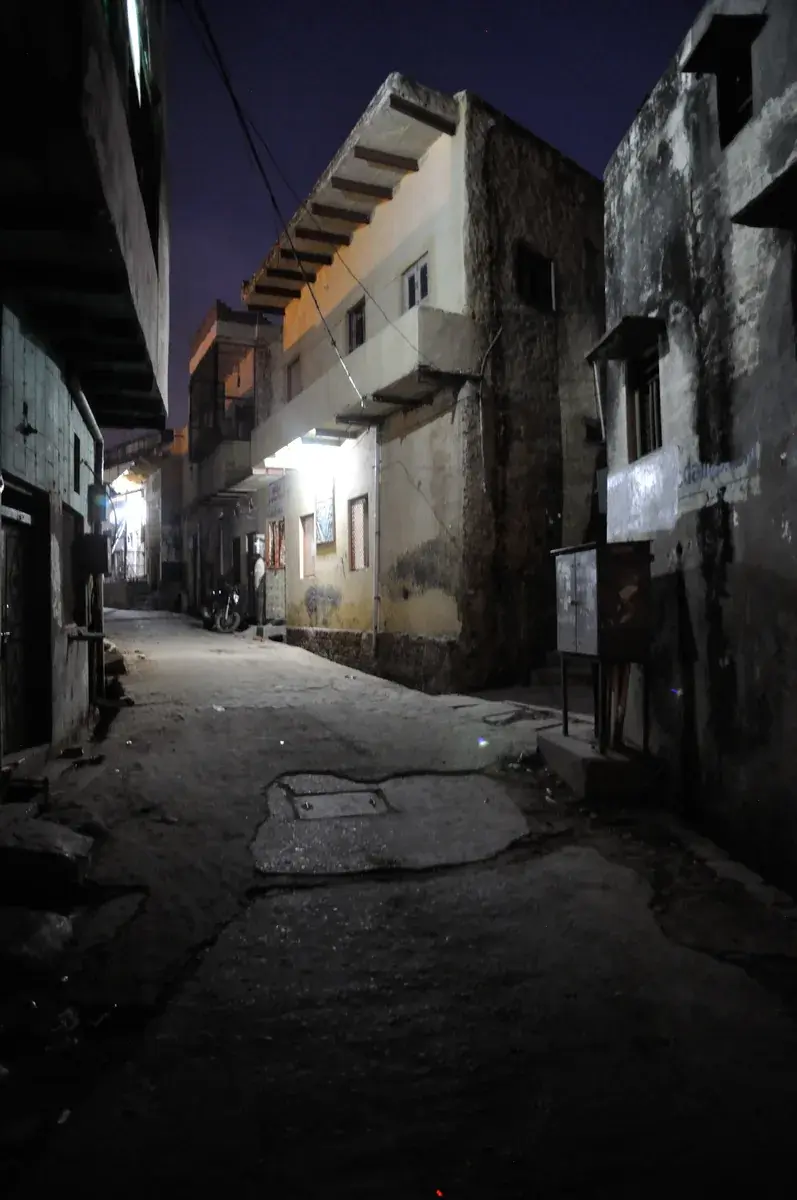
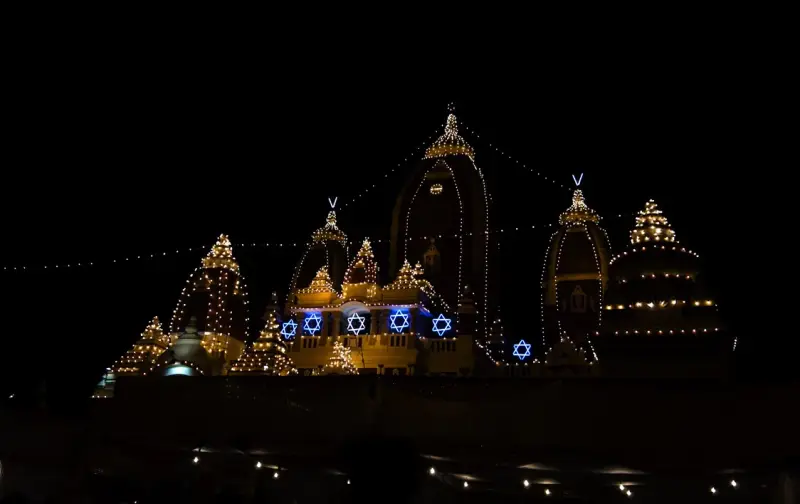
The historic walled city was declared a UNESCO World Heritage Site in 2017. Its core is the pols, tight clusters of wooden houses gathered round courtyards and gates, with bird feeders on the roofs and carved doorways. The municipal corporation runs a morning heritage walk from the Swaminarayan temple at Kalupur at 7:45 am to the Jama Masjid, about two and a half hours, via the Calico Dome, a secret passage in Shantinath ni Pol, Manek Chowk and the tombs at Badshah no Hajiro.
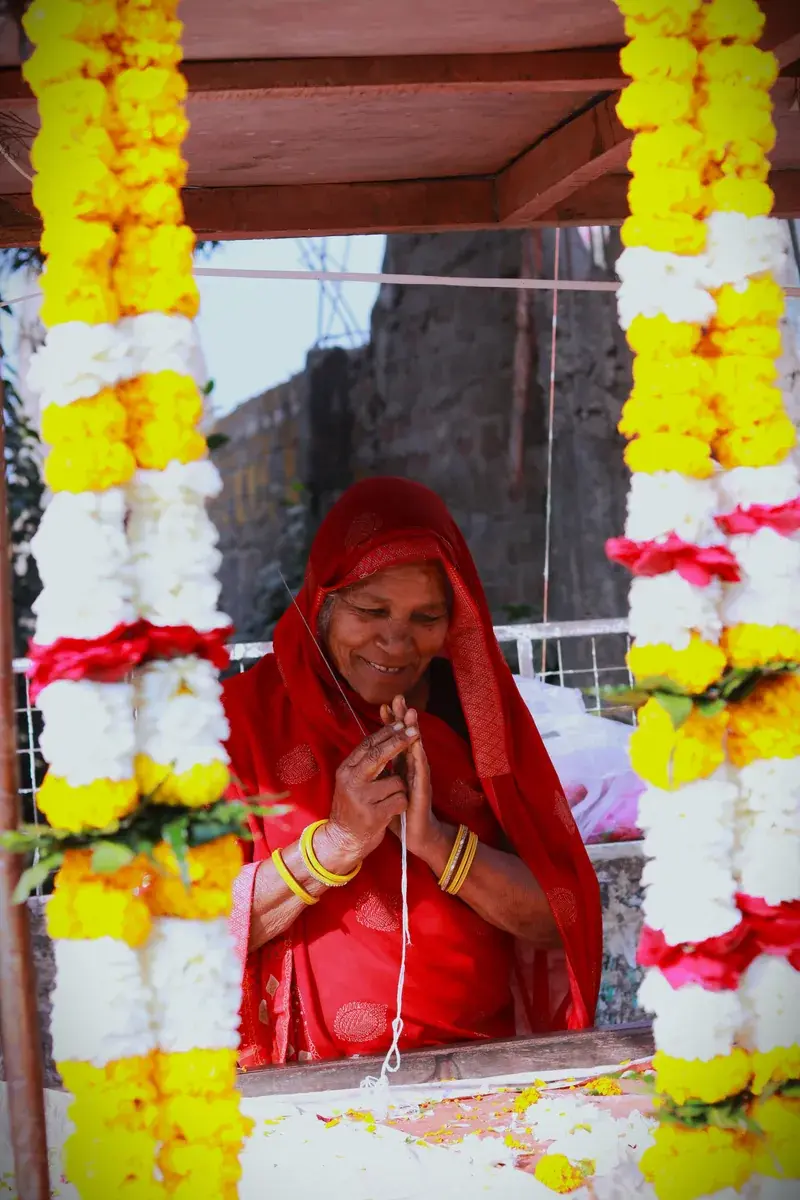
It costs Rs 200 for Indian citizens and Rs 300 for foreigners, there is no refund once booked, and you reserve by phoning 1800 233 9008. Cover your shoulders, upper arms and knees, because both a temple and a mosque are on the route.
Sidi Saiyyed's jalis at sunset
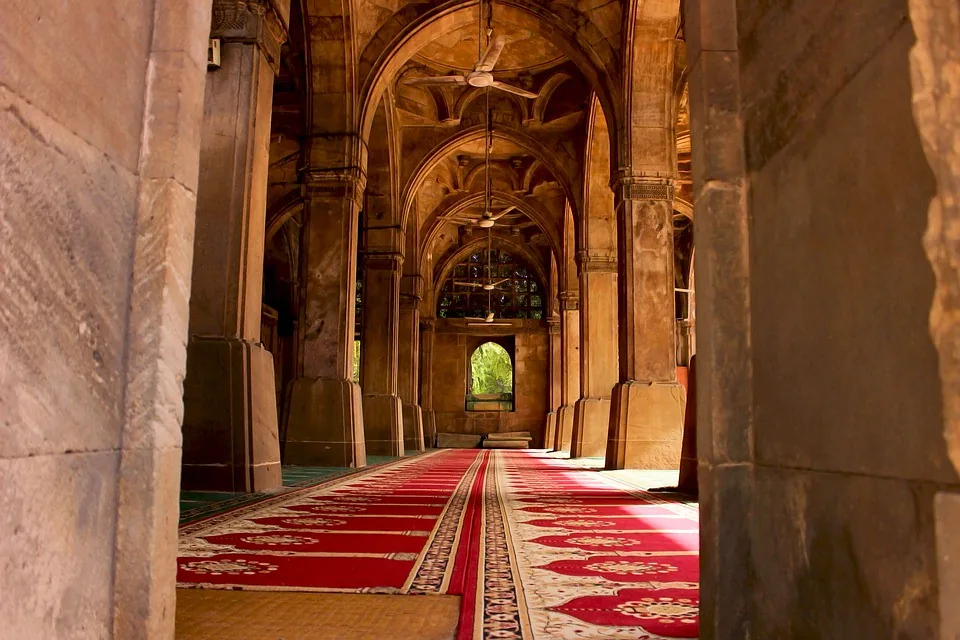
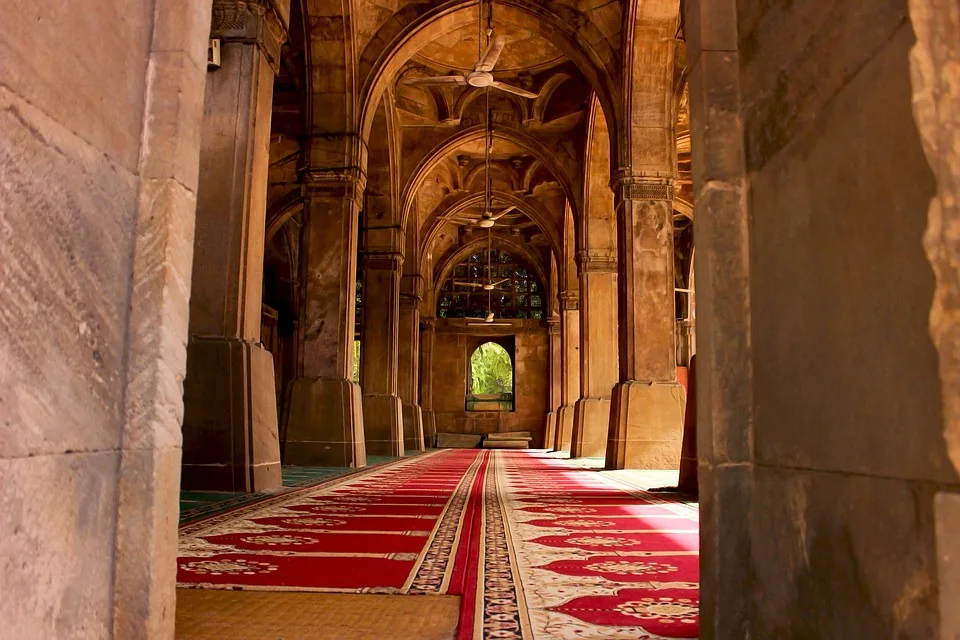
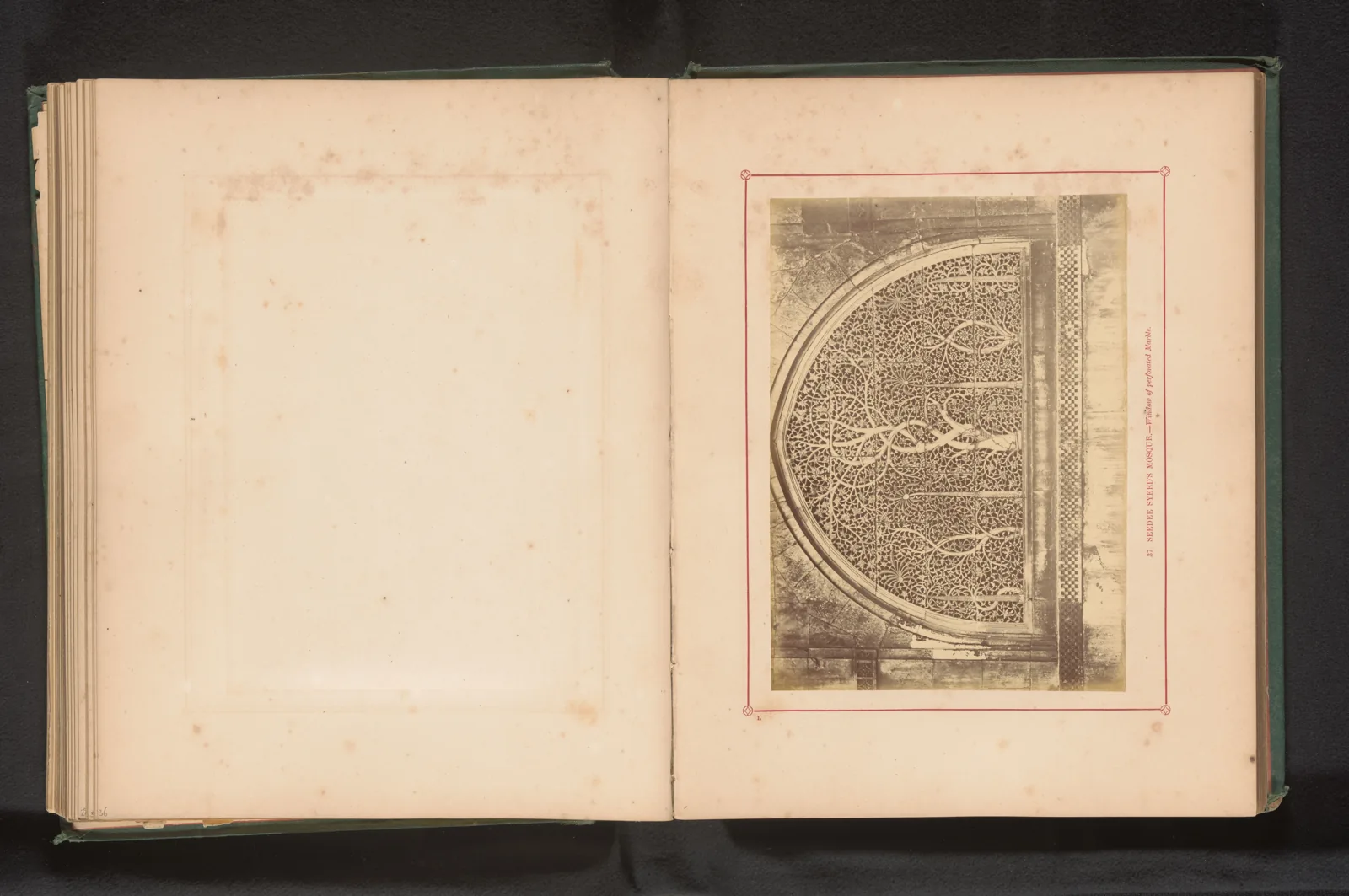
The mosque on Mirzapur Road dates from 1572, was built by an Abyssinian nobleman named Sidi Saeed, and served as a government office under the British. Auto drivers know it as the Jaali Masjid. Its western wall holds arched windows of stone lattice, including a tree of life carved so finely it reads as lace. Be inside roughly sixty minutes before dusk: the light moves through the screens and shifts across the floor, and looking at the windows from the back shows the pattern in reverse. Take your shoes off just inside the door.
Sabarmati Ashram, and the river beside it
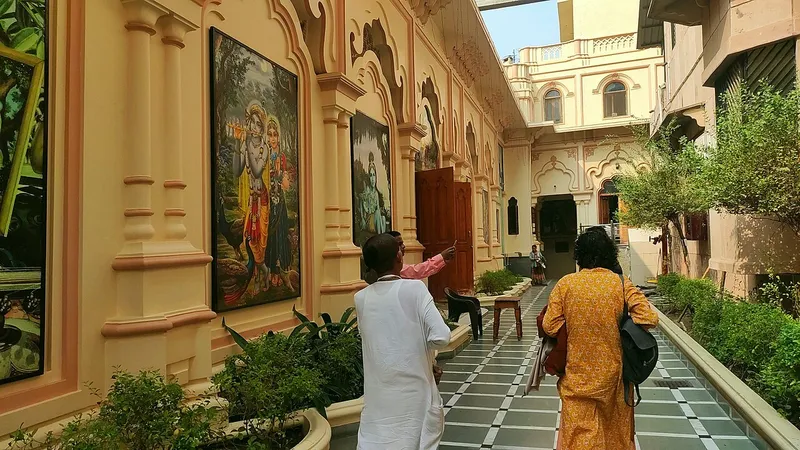
Gandhi founded the ashram in 1915 and moved it to the river bank in 1917, and it is where the Salt March of 1930 began. Gujarat Tourism's page lists both 8 am to 6:30 pm and 10 am to 6 pm, and says it opens every day, so confirm at the gate. Close by, the Sabarmati Riverfront is an eleven-kilometre promenade along both banks, handy for walking or cycling once the heat drops. Give the ashram an hour, read the labels slowly, and then walk out to the water. The quiet is the point of the place, so keep voices low and phones away in the rooms.
Adalaj stepwell, the coolest spot in town
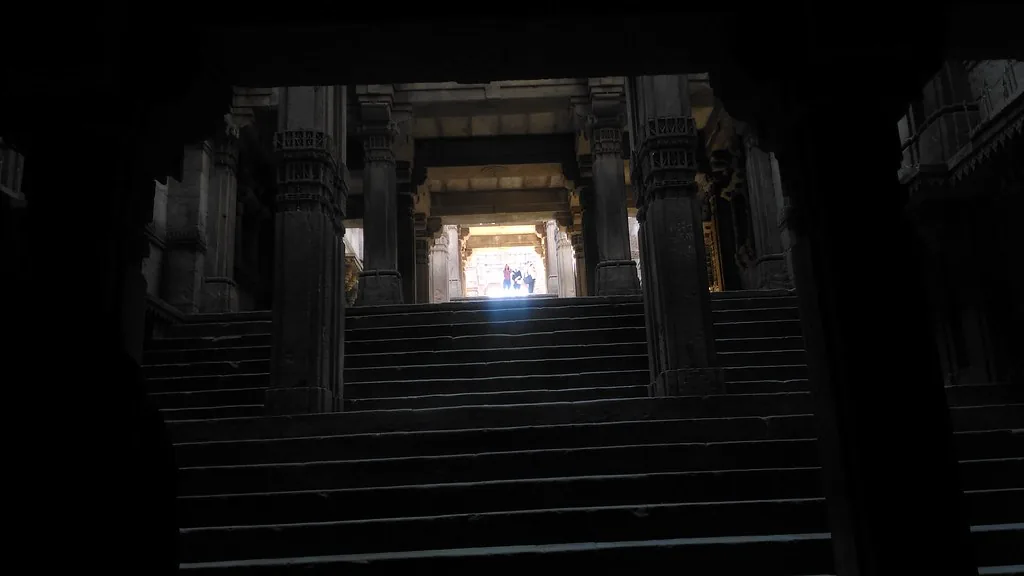
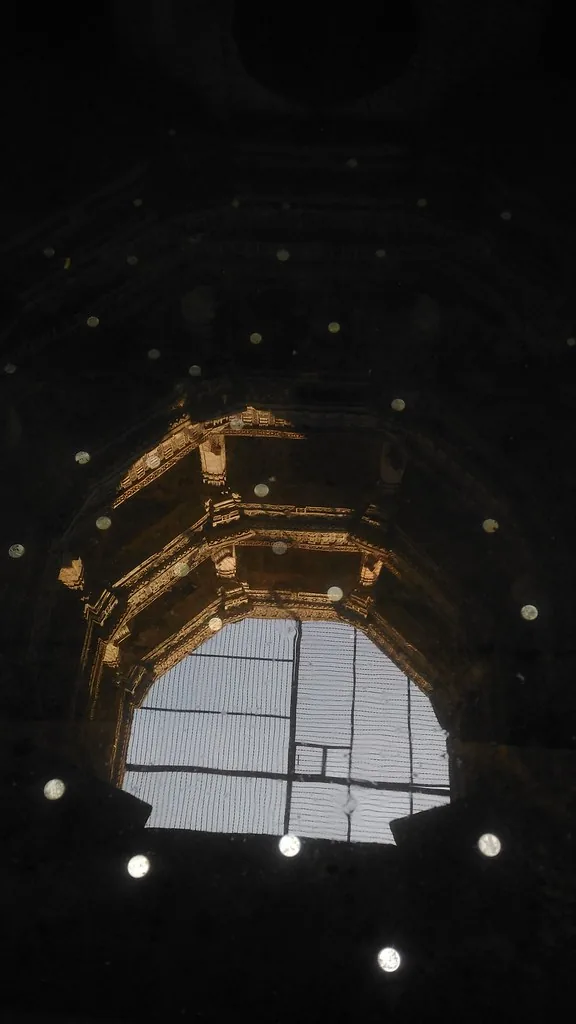
The Adalaj stepwell is about 19 km north of the centre, near Gandhinagar, and is a fifteenth century build. Steps descend in carved tiers to a water chamber that feels cooler than the air above, and light enters through an octagonal opening overhead. Gujarat Tourism lists 8 am to 6 pm, and the fee varies between listings, so carry small change. The stone steps are worn, so wear grip.
Other stops worth the auto fare
Teen Darwaza, the triple gateway on Court Road near Bhadra, is about a kilometre from the railway station and is an easy stop between mosque visits; sit for ten minutes and watch the street move under the arches. Sarkhej Roza is the quiet tomb complex on the outskirts; its hours are quoted differently by different sources, so check before the drive. The Calico Museum of Textiles needs a reservation and its rules are strict, so book ahead rather than turning up.

Eating, and what happens at Manek Chowk
Gujarati thali for lunch, dhokla, fafda and jalebi for breakfast. From about 9:30 pm the bullion stalls at Manek Chowk close and food carts take over, running past midnight. Choose busy stalls, carry small notes and share plates. Textiles earned the city the nickname Manchester of India, and block-print workshops are worth an afternoon.
Festivals and timing
Uttarayan, the kite festival, centres on 14 January, with Ahmedabad's international kite festival held at the Sabarmati Riverfront around 12 to 14 January in 2026 and a night kite-flying session on the 13th. Navratri in autumn brings garba across the city. Book rooms early for both, and expect traffic to crawl.
Gandhinagar, the state capital, is about 25 km away and a short add-on if you want a quieter afternoon. Delhi is well connected to Ahmedabad by train and by air, so you rarely need to drive the whole way.
Let Laladham run it
Laladham can pick you up in Delhi, at the airport, station, home or hotel, and run a complete two day city plan with the ashram and Adalaj, or extend it into Gujarat. Ask for a quote on the book page.
Questions, answered
Who founded Ahmedabad?
A sultan of Gujarat, Ahmad Shah, in 1411, and he gave the city his name.
How do I book the heritage walk?
By phone on 1800 233 9008. It leaves at 7:45 am. Fees are Rs 200 for Indians and Rs 300 for foreigners, and bookings are not refunded.
What is the best time to see the Sidi Saiyyed jalis?
In the last stretch of daylight, when the sun passes through the stone lattice.
Is the Calico Museum open to walk-ins?
Reservations are required, so book ahead.
When does Manek Chowk turn into a food market?
From about 9:30 pm, when the jewellery and bullion stalls close.