Pick two of those for a first visit. Here is what each one asks of you.
Ahmedabad: start on foot, before the heat
Ahmedabad was India's first UNESCO World Heritage City, and the reason is the walled city: about 10 km of old fort wall, gates and pols, the closed lanes where whole communities live around shared courtyards. A heritage walk is the best way in, since it takes you under the chabutros, the bird-feeding towers that stand in the middle of many lanes, and through Manek Chowk and Lal Darwaza.
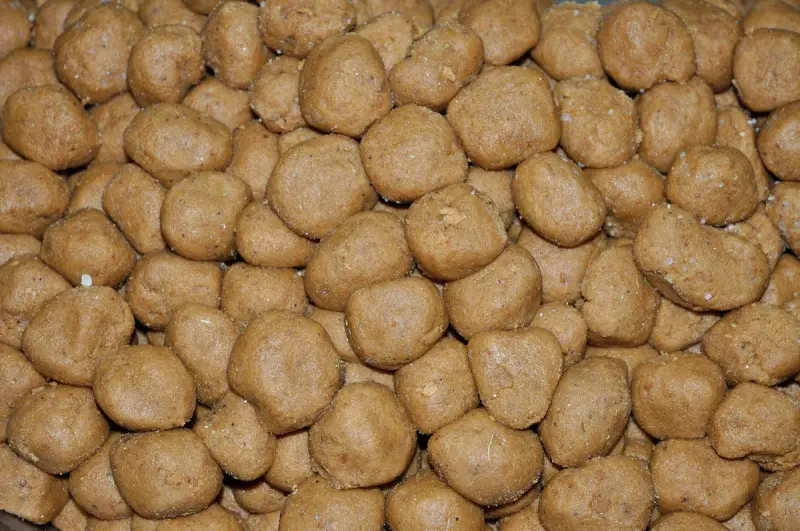
Sidi Saiyyed Mosque, from 1573, is known for one thing: the tree-of-life stone window. Sabarmati Ashram, on 36 acres by the river, is where Gandhi's Dandi March began on 12 March 1930. The riverfront promenade runs about 22 km and is best at dusk. Eat at Law Garden's night market, and at Bhatiyar Gali if you eat meat.
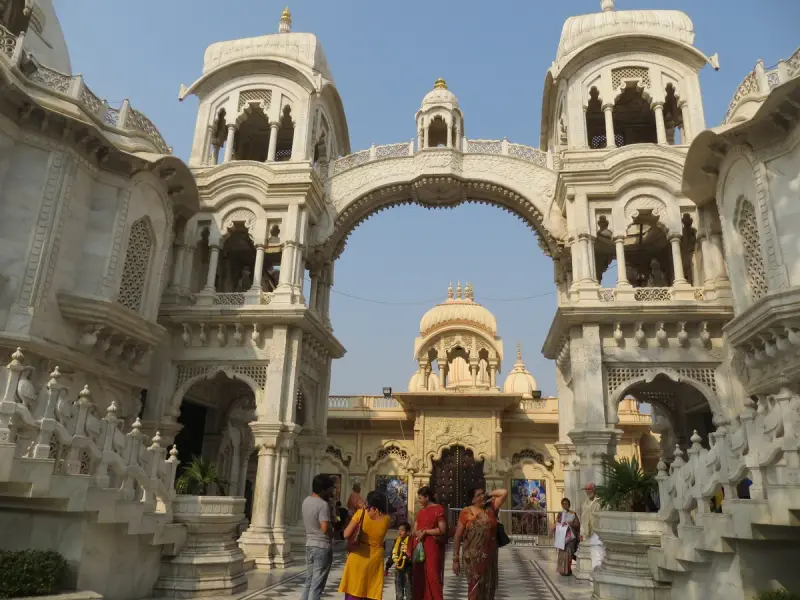
The stepwells: Adalaj and Rani ki Vav
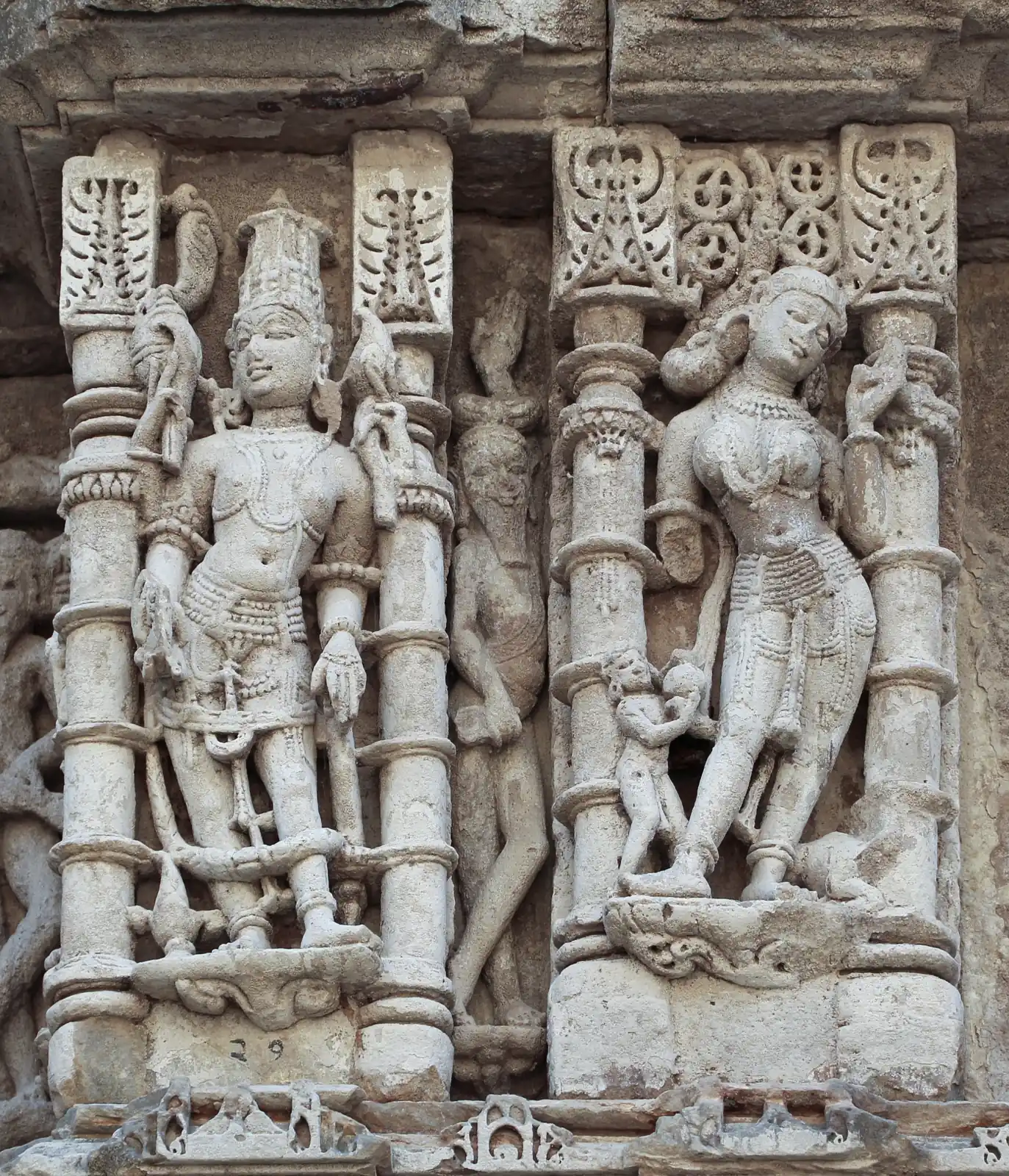
Adalaj, a five-storey stepwell from 1499, sits just outside Ahmedabad and is a good dawn stop. Rani ki Vav at Patan is the better one. Queen Udayamati built it in 1063 for her husband, King Bhimdev I. Silt from Saraswati floods buried it for centuries, the Archaeological Survey cleared it in the 1980s, and UNESCO listed it in 2014. It is laid out as an inverted temple, descending level after level, with more than 800 sculptures, many of Vishnu.
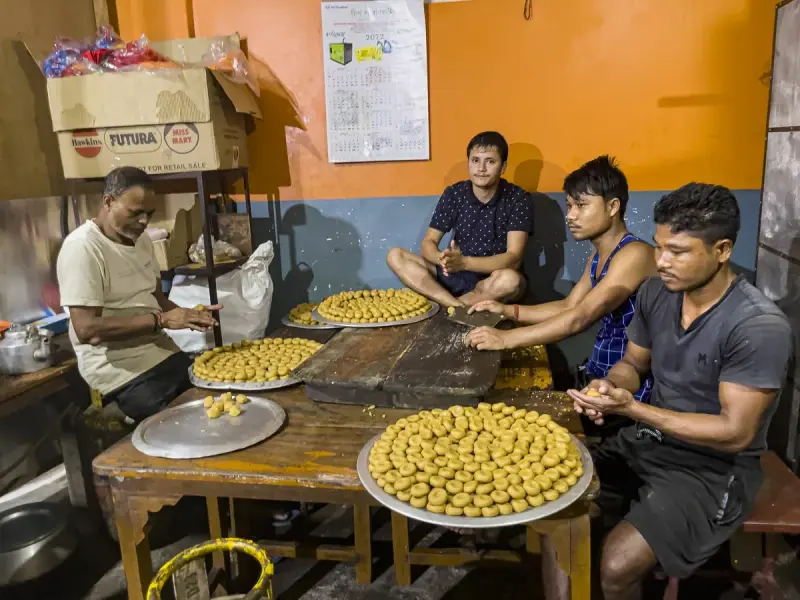
Intercity buses from Ahmedabad take around 3.5 hours; Mehsana, about an hour out, is the nearest big rail stop. October to March is comfortable, and mornings or late afternoons beat the midday glare on the pale stone.
Modhera, and the January dance festival
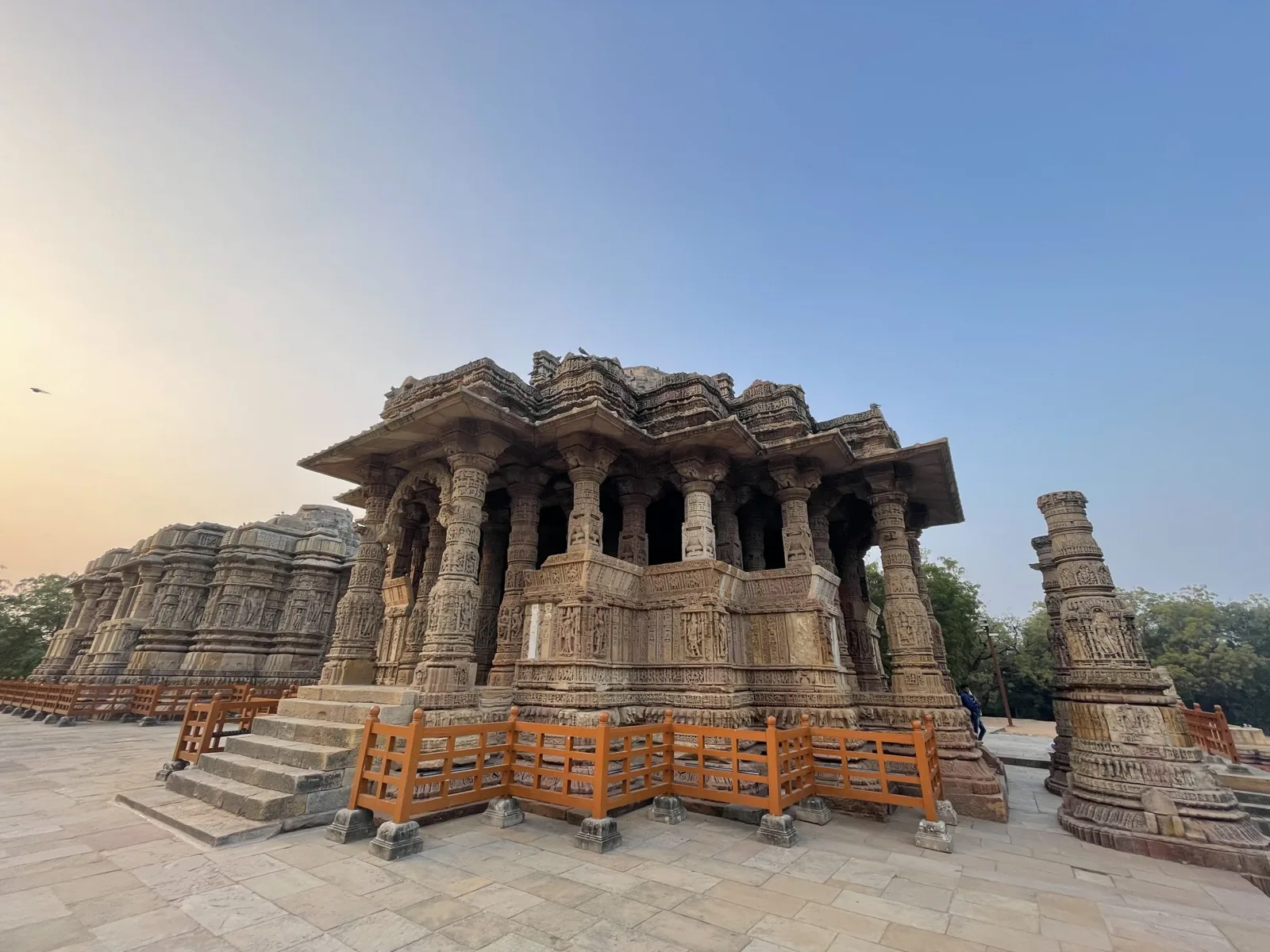
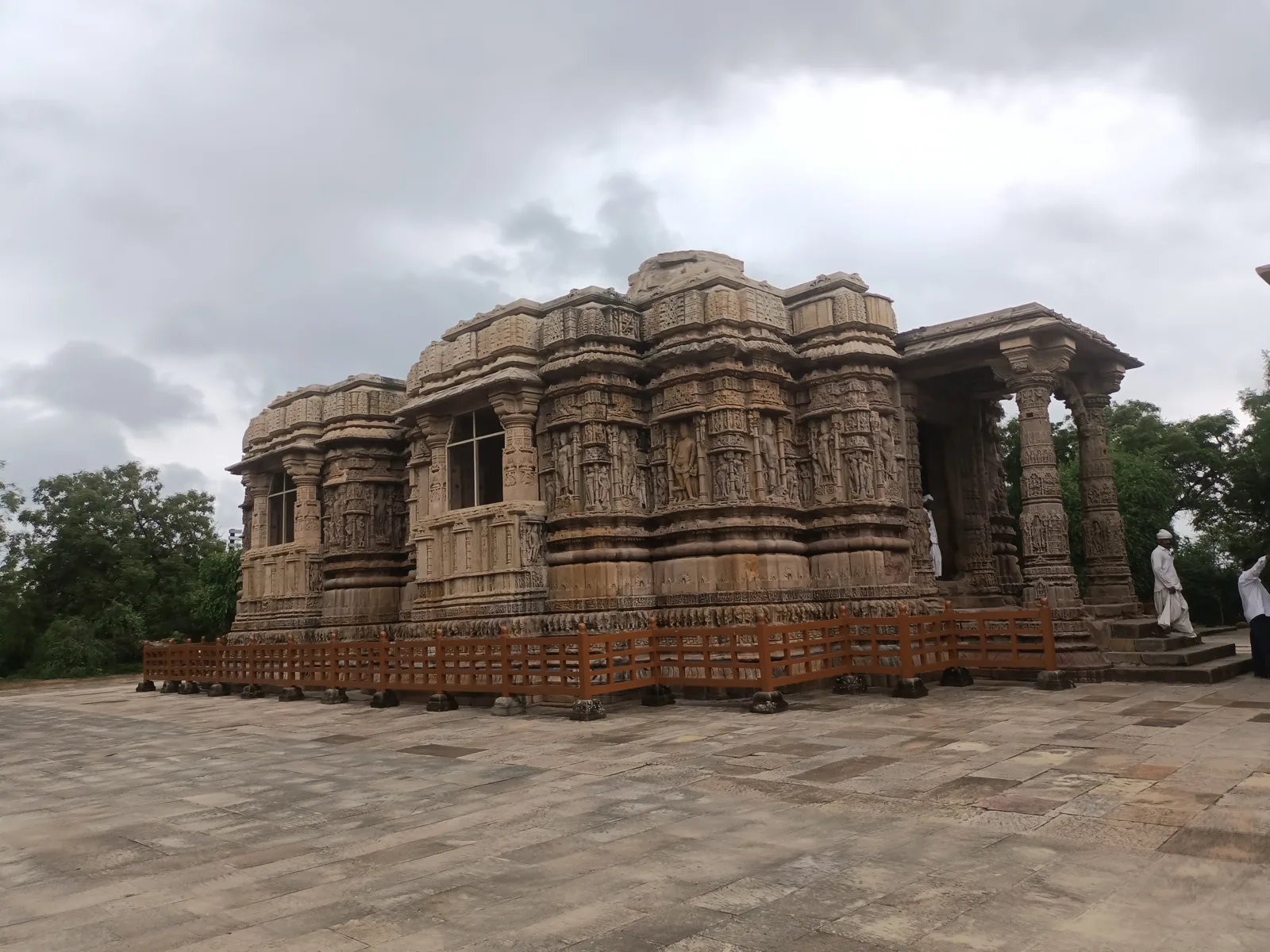
The Sun Temple at Modhera, in Mehsana district, is often paired with Patan on the same day. It is a small, delicately cut Surya shrine with a carved porch, and the state's Modhera Dance Festival is held there in January. Plan your date around it if classical dance matters to you, and expect crowds in that week.
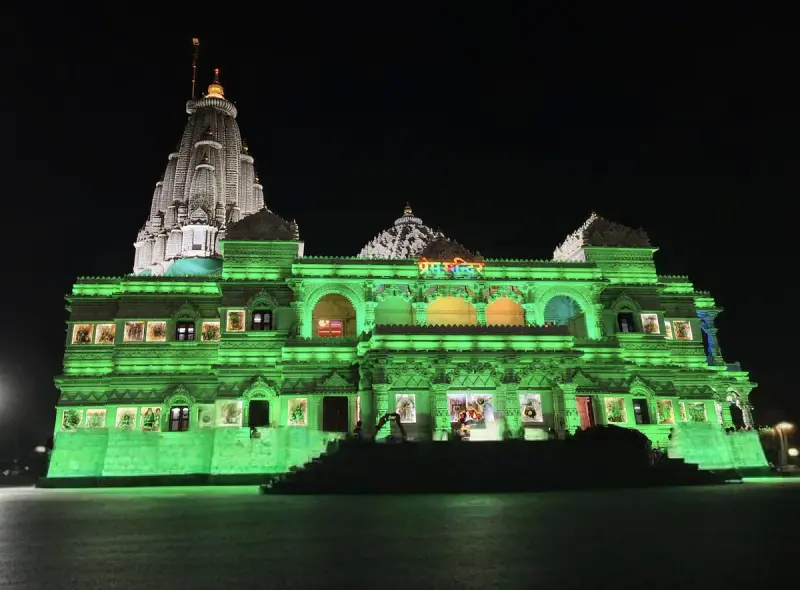
Saurashtra: Gir, Somnath, Dwarka
Gir is the only wild home of the Asiatic lion, and the 2025 count put about 891 of them across the wider Saurashtra landscape. The park runs two main kinds of safari: the Sasan core zone, about 3 hours long from the Sinh Sadan gate, and the shorter Devalia zone, about 90 minutes, which has the highest lion density and suits families. Jeeps carry four to six people with a driver and a naturalist, and only a limited number go in each shift.
Safari hours run roughly 6:30 to 9:30 in the morning and 3 to 6 in the evening between mid-October and February, and shift an hour or so later in summer. The park shuts for the monsoon months. Book well ahead for winter, bring photo ID, and wear neutral colours. Remember that the official site issues the permit alone, so the jeep is arranged separately.
Somnath is about 65 km from Gir. It asks you to leave every phone and camera in lockers, take off your shoes at the shoe house, and expect no photography inside. Darshan runs from 6 in the morning to 10 at night. Dwarka is another 230 km along the coast.
Kutch, the far north-west
Kutch is where distance bites. Ahmedabad to Bhuj is about 330 km, roughly 5 hours by road, and the white salt at Dhordo lies another 80 to 90 km beyond. Rann Utsav, listed from November to early March, centres on full-moon nights. Sources disagree on whether the Dhordo entry permit is needed, so confirm it. Wednesday and Thursday are quieter than weekends.
Buy crafts at the workshops in Bhujodi, Ajrakhpur or Anjar rather than in Bhuj bazaar. The [4-night Kutch plan](/blog/kutch-rann-utsav-trip) covers the details.
Season and food
November to February is the answer for almost everything: Gir's thinner foliage, dry salt flats and cool city streets. Ahmedabad runs from about 3 to 27 degrees in January and February and touches roughly 43 in May. Uttarayan, the kite festival around Makar Sankranti, and Navratri's Garba nights are the festival peaks, so book rooms well ahead.
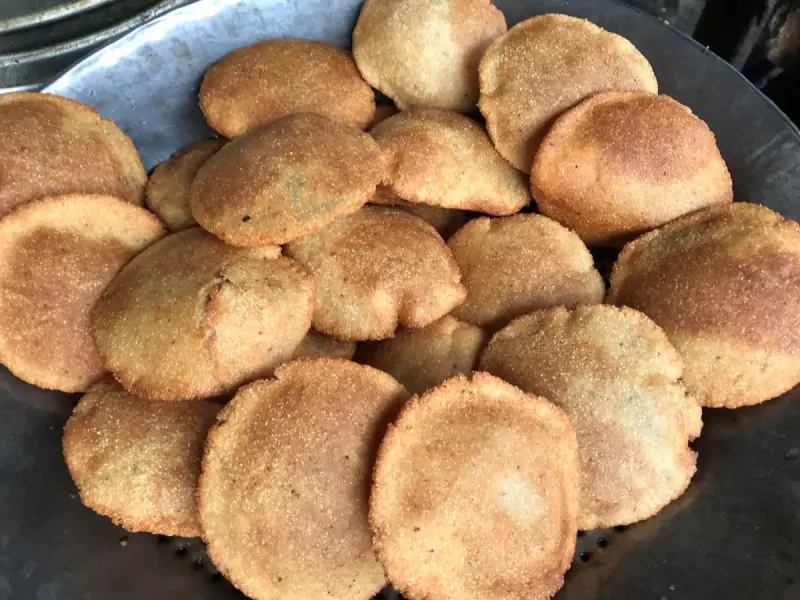
Eat a full Gujarati thali, and look for undhiyu, thepla, khakhra and dhokla at breakfast. At the Rann, the thali comes with bajri rotla, chhas and khichri with ghee.


Reaching Gujarat from Delhi
Ahmedabad is the practical gateway by train or flight, with Rajkot and Bhuj as the next hubs. A single road loop through the state is a long haul, so most people choose two of the three regions and fly between them.
Let Laladham run it
Laladham picks you up in Delhi, from the airport, station, home or hotel, then arranges the whole Gujarat run: flights or trains, one driver across regions, Gir safari permits, Somnath darshan timing and tent nights in the Rann. Ask for a quote on the [book page](/book).
Questions, answered
How many days does Gujarat need?
Four to five days for Ahmedabad plus either Gir and Somnath or the stepwells and Modhera. Add three nights if you want Kutch.
When is Gir National Park closed?
Through the rains, broadly June to October, which is also lion breeding time. Timings and exact dates change, so confirm on the forest department portal.
Where should I book Gir safari permits?
The government portal issues permits only, so you book the jeep on its own, or an operator can handle both. Carry photo ID.
What is the best month for Gujarat?
November to February. It suits Gir, the Rann and city walking, though it is also the busy season.
How far is Bhuj from Ahmedabad?
About 330 km, roughly 5 hours by road, with Dhordo further on.
What is Rani ki Vav?
An 11th-century stepwell at Patan shaped like an upside-down temple, with more than 800 sculptures. it joined the UNESCO list in 2014.