They are places for walking, reading and old temples. There is no checklist here, and the best visits are the ones that leave most of the hours empty.
Almora, the Chand town
The Chand rajas, who ruled Kumaon from here, built the Nanda Devi temple in the old town, and every September the town fills for the five-day Nanda Devi Mela, a fair that has run for more than four hundred years. The streets that climb from it still keep houses with sloping tin roofs and carved wooden balconies. Walk Lala Bazaar early, before the shutters go up, and the town is quiet; by afternoon it is the haggling-over-handicrafts bazaar that the tourist office describes.
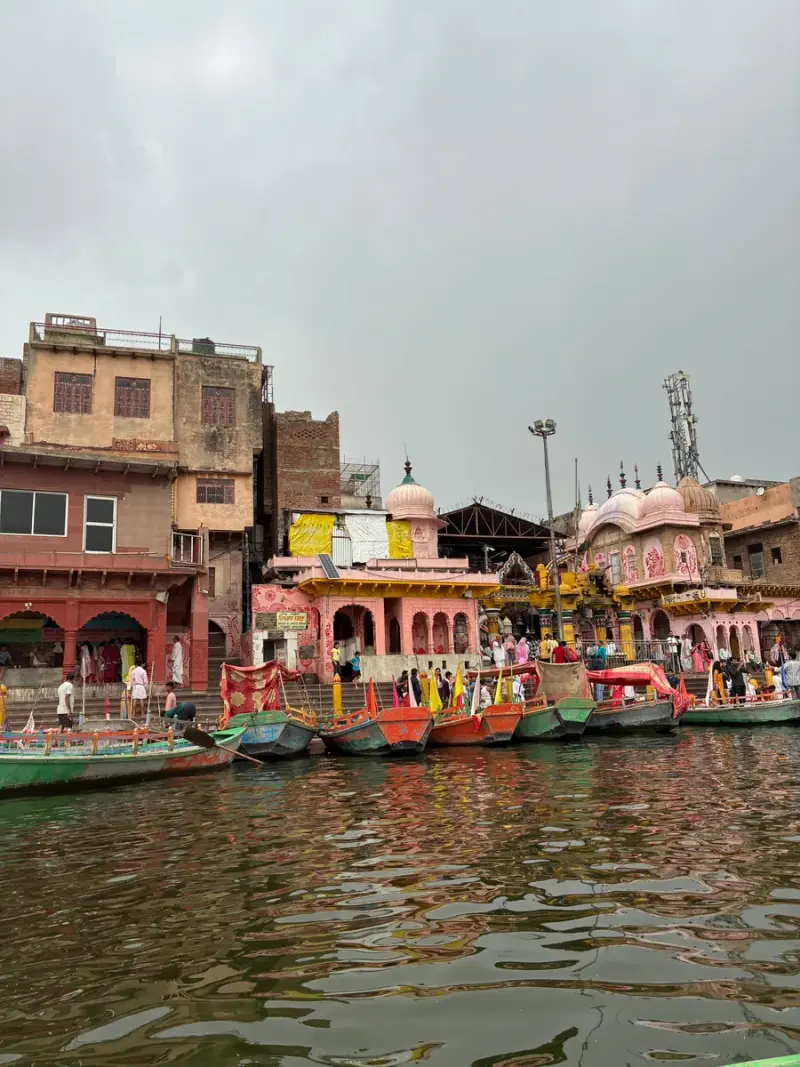
From the ridge, the snow line stands across the horizon on clear mornings, and the same view is part of the evening ritual of tea and a walk. The Govind Ballabh Pant Museum in town is the one indoor stop worth planning.
Kasar Devi, the quiet ridge
A few kilometres out of Almora, Kasar Devi stands on a wooded ridge, and the temple structure dates to the second century CE. Swami Vivekananda visited in the 1890s, and the village drew Alfred Sorensen, the seeker known as Sunyata Baba, and later Lama Anagarika Govinda. Crank's Ridge just outside was a hippie destination in the 1960s and 70s and still draws trekkers. Visiting hours are listed as 7 am to 7 pm. Sit on the ridge, look at the range and do nothing.
Katarmal and Jageshwar, stone temples in the pines
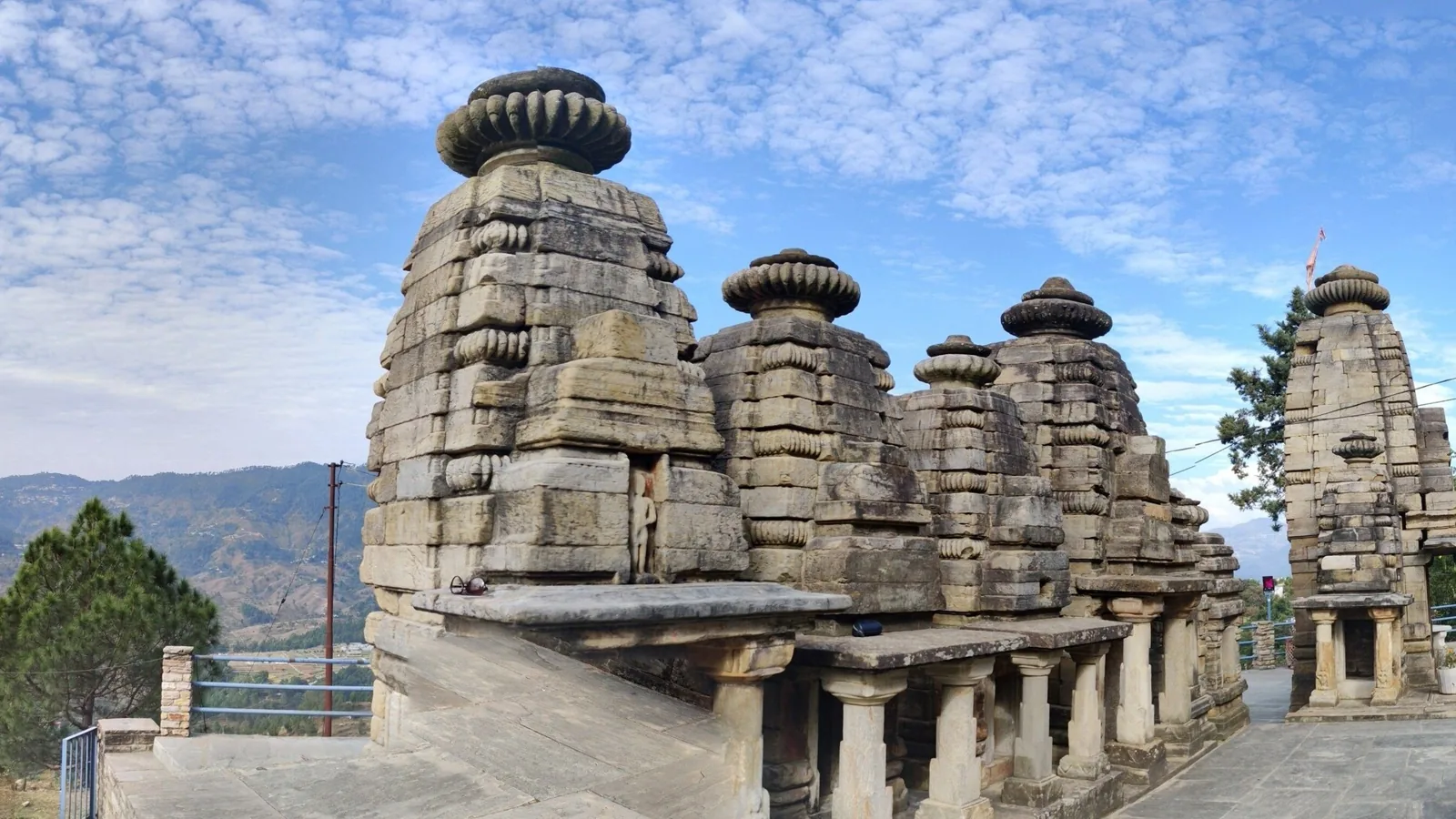
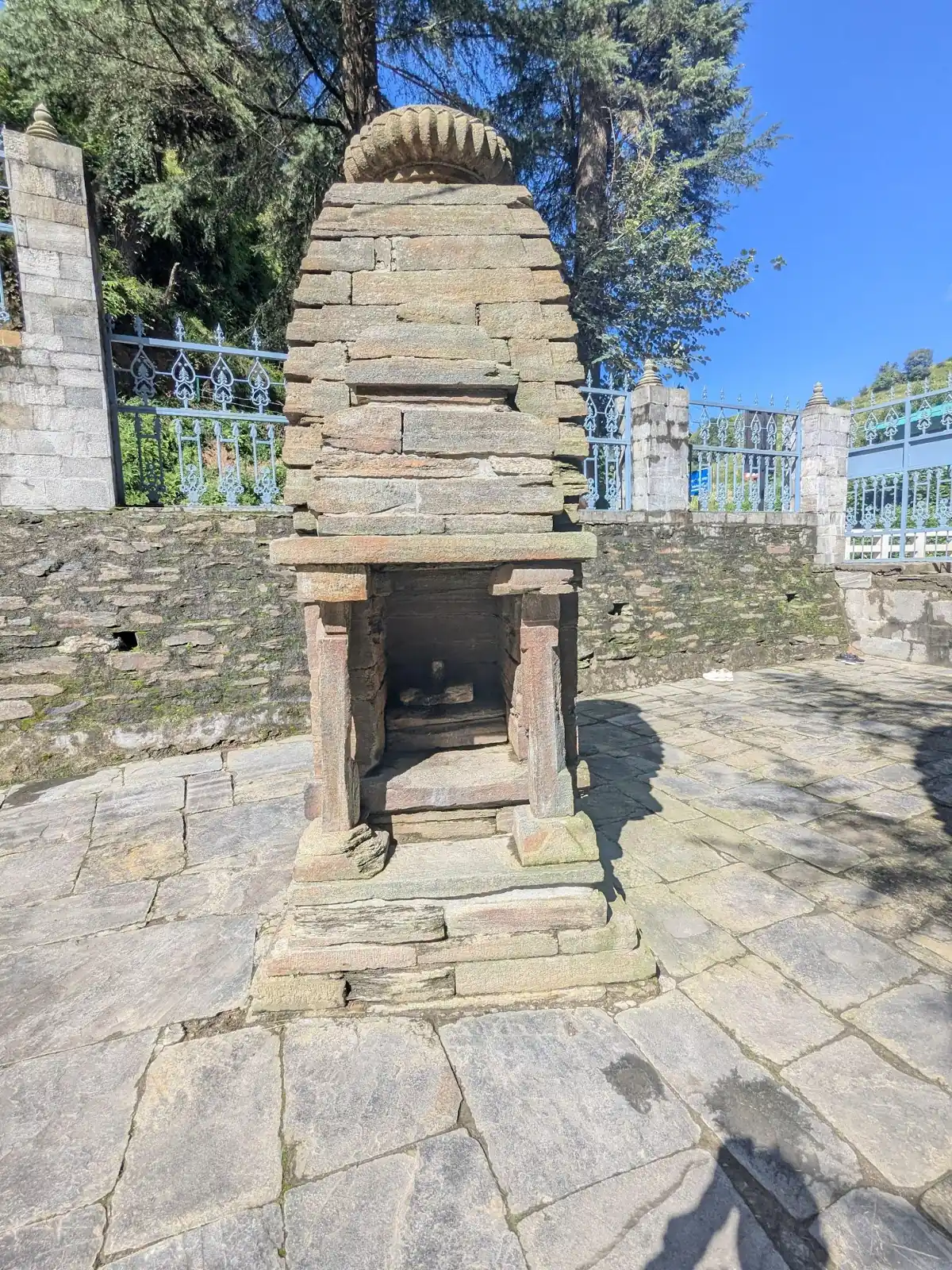
Katarmal is about 17 km from Almora at 2,116 m and has the only Sun temple in Kumaon. The last stretch is on foot from Kosi, a path of roughly 1.5 km, and up to three on some routes, so wear shoes you trust. Jageshwar, farther on, is a valley of 124 temples to Shiva beside the Jata Ganga stream, one of the finest groups in Uttarakhand, and the ASI dates it to the post-Gupta era. Winter hours run 5 am to 6 pm, with the evening aarti at six. Both need a light touch: remove shoes, speak softly and respect the priests.
Chitai and the bells
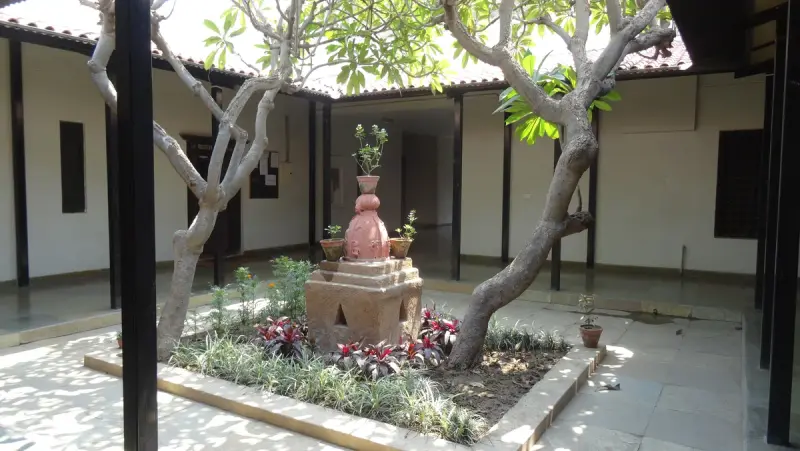
The Golu Devta temple at Chitai, about 8 km from Almora, is known for the copper bells hung on its beams and railings. The deity is an incarnation of Shiva as Gaur Bhairav, reckoned in Kumaon to be the god of justice, and devotees bring bells when their wishes are granted. It is a striking, unusual shrine, and photographs of it tend to explain the faith better than words.
Ranikhet, and the bells at Jhoola Devi
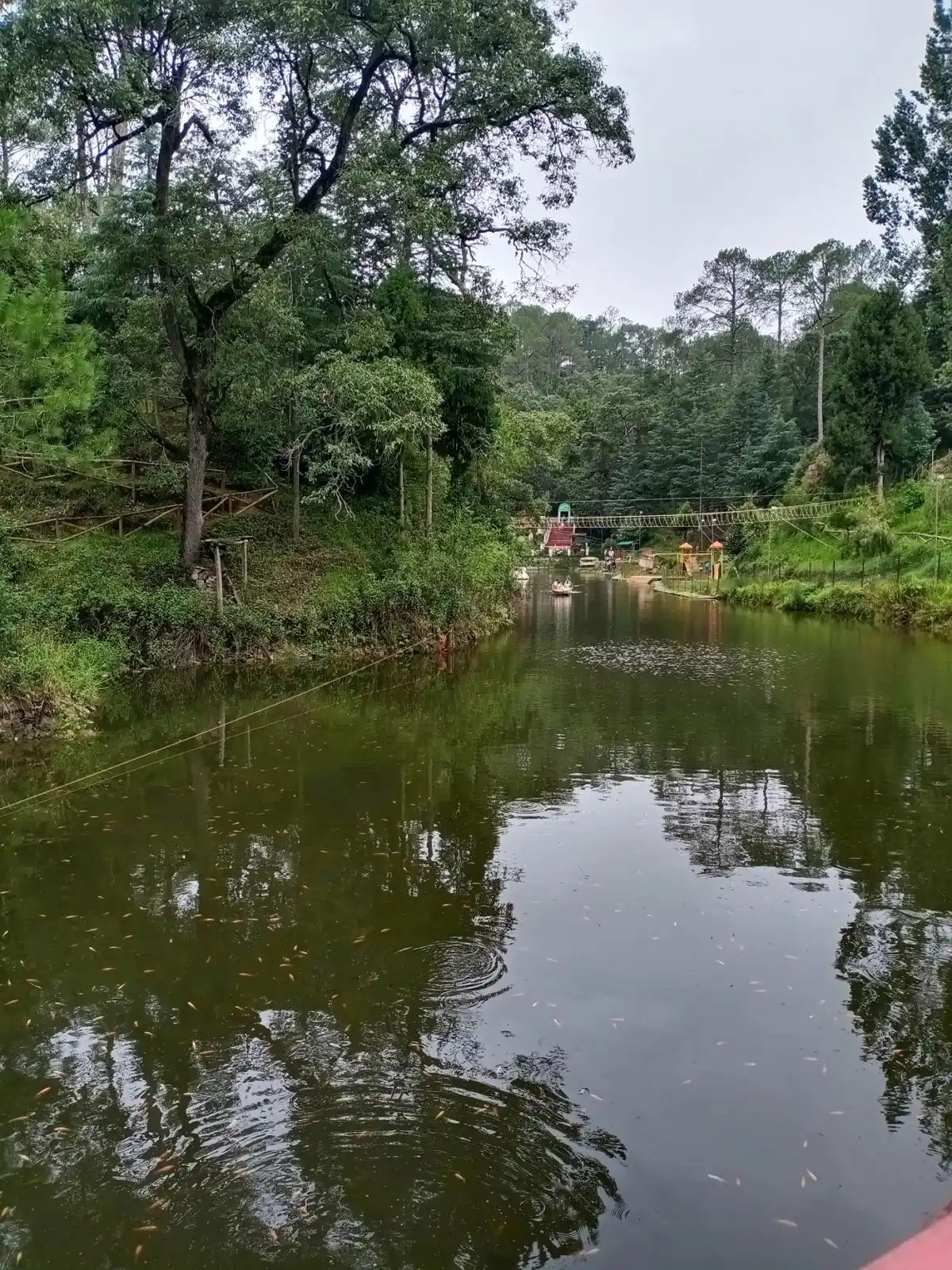
Ranikhet is the cantonment town in the same hills, and the Almora district's tourism list gives it two temples. The Jhoola Devi temple, where the goddess sits on a cradle, is hung with copper bells like Chitai, offered after wishes come true, and locals say the shrine is 700 years old. Binsar Mahadev, in a deodar forest by a small stream, dates to the ninth or tenth century and keeps an idol carved with an old Nagari inscription.
The Binsar Wildlife Sanctuary near Almora is the place to walk if you want forest instead of temples. The tourism board mentions leopards, which you will not see on a day visit, but the trails are the point.
Lala Bazaar, tea and what to carry home
Almora's market is where the day ends: chai on a balcony, a walk through the stone lanes and the small cafes, and handicrafts and spices to bargain for. Ask a family guest house for a homecooked meal rather than eating out every night. Check what is in season and what is made locally; the sweets and dishes of Kumaon change from valley to valley.
Getting there and a three day shape
On the official road table Almora is 89 km from Haldwani, 116 from Pithoragarh and 299 from Haridwar. The nearest station is Kathgodam, about 90 km away, with a Shatabdi from New Delhi at six on most mornings and the overnight Ranikhet Express from Old Delhi. The nearest airport is Pantnagar, about 127 km from Almora and 125 km from Ranikhet. Timetables change, so confirm the train on the day.
Day one, reach Almora by afternoon and walk to Nanda Devi temple. Day two, Kasar Devi at dawn, then Chitai and Katarmal. Day three, Jageshwar in the morning, then the road back or on to Ranikhet. We confirm the drive time from Delhi for your date.
Why slow suits these towns
Almora and Ranikhet reward people who do less. The stone lanes, the pine smell, the bells of a temple heard from across a valley and a cup of tea on a balcony are the real attractions. A fast itinerary would miss them. If you have extra days, stay in a family home for three nights and let the owner tell you where to walk.
Remember too that these are working towns, with schools, soldiers and shopkeepers. Treat them kindly and buy from local shops.
- Families
- Walkers
- Seekers
Season
Almora can be visited all year, and the tourism board names March to May as the golden season. Winter is cold and quiet, and the monsoon is green but slow with landslides, so check the road before you start. Carry a warm layer and a rain jacket in every month, since mornings are sharp even in summer.
Let Laladham run it
We pick you up in Delhi, drive to the Kumaon hills, plan stays in family run homes and keep the same driver for Nainital, Corbett or the return. Ask for a quote on the book page with dates and group size.
Questions, answered
What is the Nanda Devi Mela in Almora?
A five-day fair held every September at the temple the Chand rajas built, and part of its calendar for over 400 years.
Why are there bells at Chitai?
Devotees tie copper bells at the Golu temple when a wish is granted.
How far are Almora and Ranikhet from Nainital?
Almora is 66 km from Nainital by road. Ask us for Ranikhet on your route.
What is Kasar Devi known for?
A ridge top temple, long loved by seekers, writers and trekkers, with the Himalaya in view.