The sections below run from the foothills to the heights, with the season notes that decide when each place is worth the drive.
Haridwar and Rishikesh: the river towns
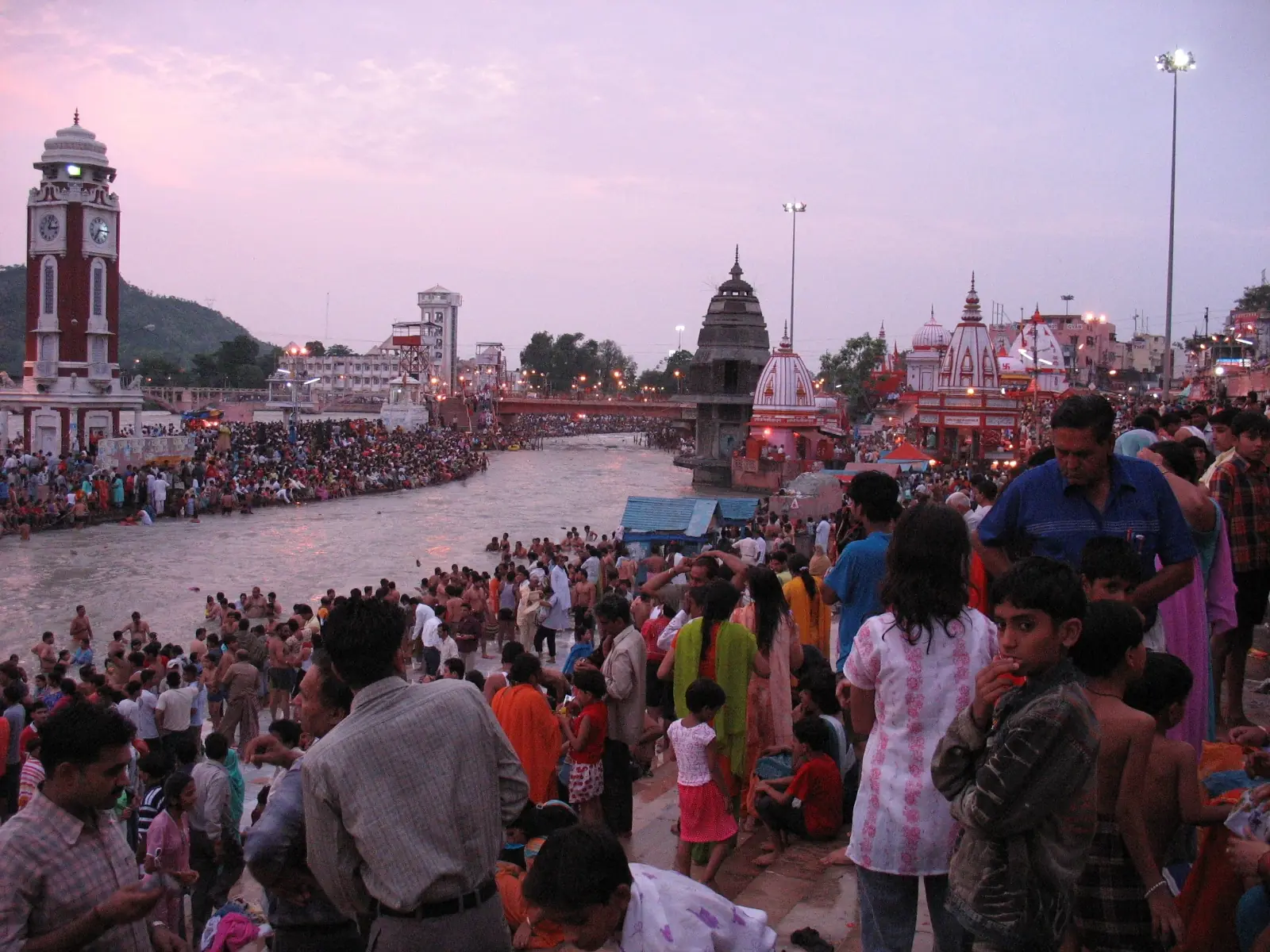
Haridwar is where visitors gather for the Ganga aarti at Har Ki Pauri, a night ceremony the tourism board describes with huge flaming lamps, a conch and a closing chant of Har Har Mahadev. The Kumbh is held every twelve years, with the Ardh Kumbh every six. Haridwar is mostly vegetarian, and its markets include Moti Bazaar and Bara Bazaar.
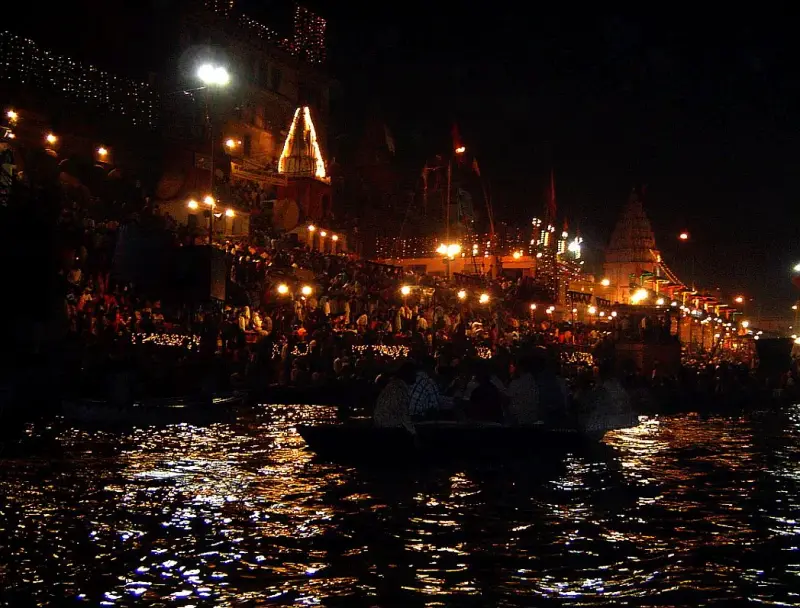
Rishikesh, a short drive upriver, is the yoga capital, with riverside ashrams, the Ram Jhula suspension bridge and Triveni Ghat, where the evening aarti happens at dusk. The Ganga here has what the tourism page calls world class white water rafting. The board recommends autumn and the early months of spring for adventure sports, and Outlook Traveller adds that November brings lighter crowds. Both towns are served by Jolly Grant airport near Dehradun and have their own stations.
Mussoorie and the winterline
Mussoorie is a colonial promenade town. Mall Road has handicrafts, woollens, momos and bakeries and fills with lights at dusk. Kempty Falls is the standard stop, Gun Hill can be reached by cable car or a walk, and Lal Tibba is the highest point, where dawn and dusk light the snow peaks. The tourism page lists winter lows near 3 degrees and May highs near 39, and notes the winterline, a haze effect best seen from October to February. The town is quiet after the summer rush, and autumn forests add colour.
Nainital, Corbett and the Kumaon side
Nainital is a lake town with boating, a ropeway to a snow view point and quiet corners nearby such as Bhimtal and Sattal. Corbett, India's first national park, lies within the district and reopens in November after the monsoon. Outlook Traveller notes the Bengal tiger is a possible sighting, but the official Nainital itinerary is honest that sightings are very rare. Almora, Munsiyari and the Panchachuli views lie further into Kumaon.
Auli, Chopta and the winter high country
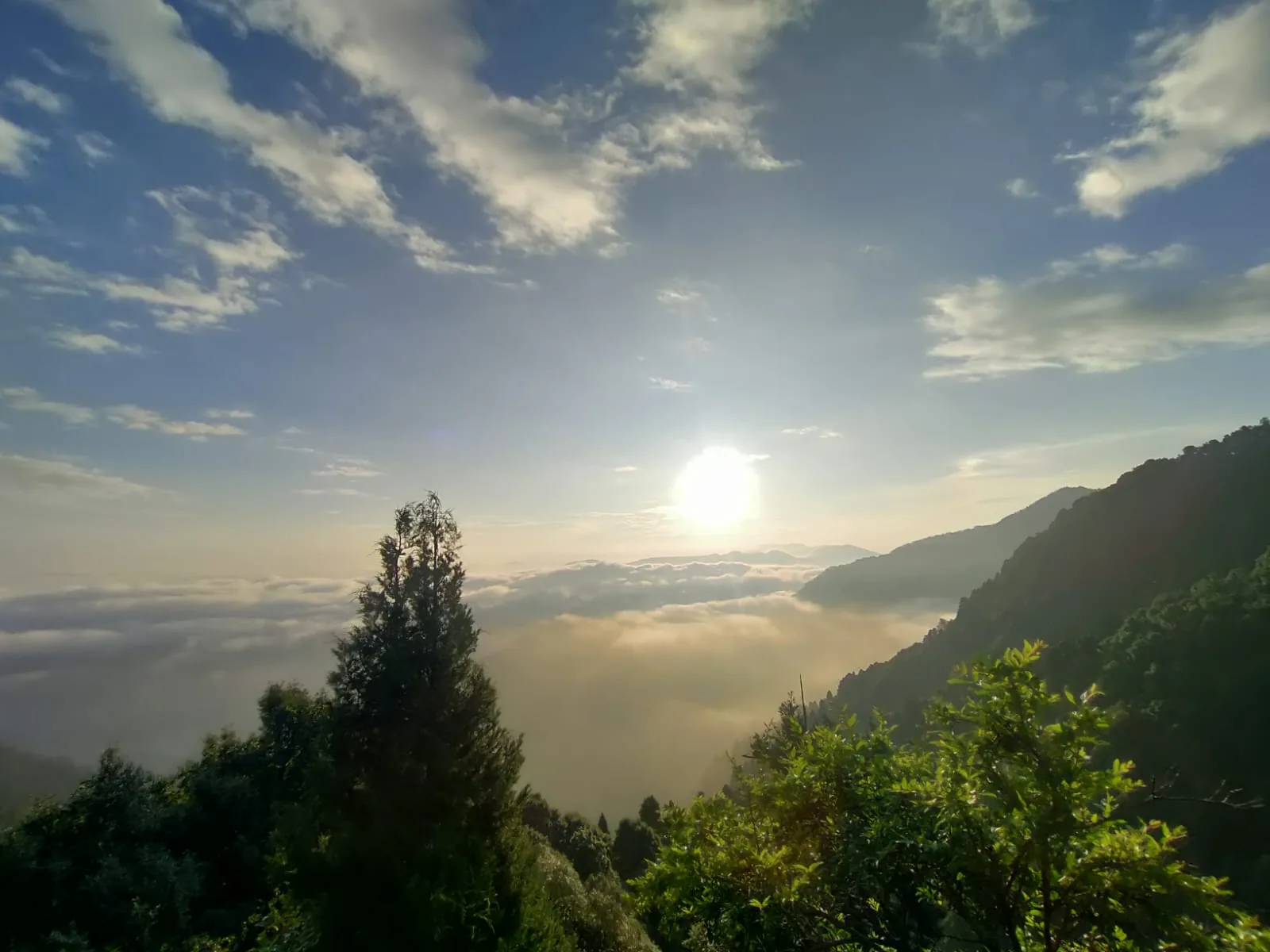
Auli gets its first snow in early November, with the ski season at its best from December. Chopta, chilly in November but clear, is the base for the Tungnath trek and for views of Trishul, Nanda Devi and Chaukhamba. Pack layers, and treat roads above 2,000 metres as weather dependent.
Flowers in the high meadow: a short season
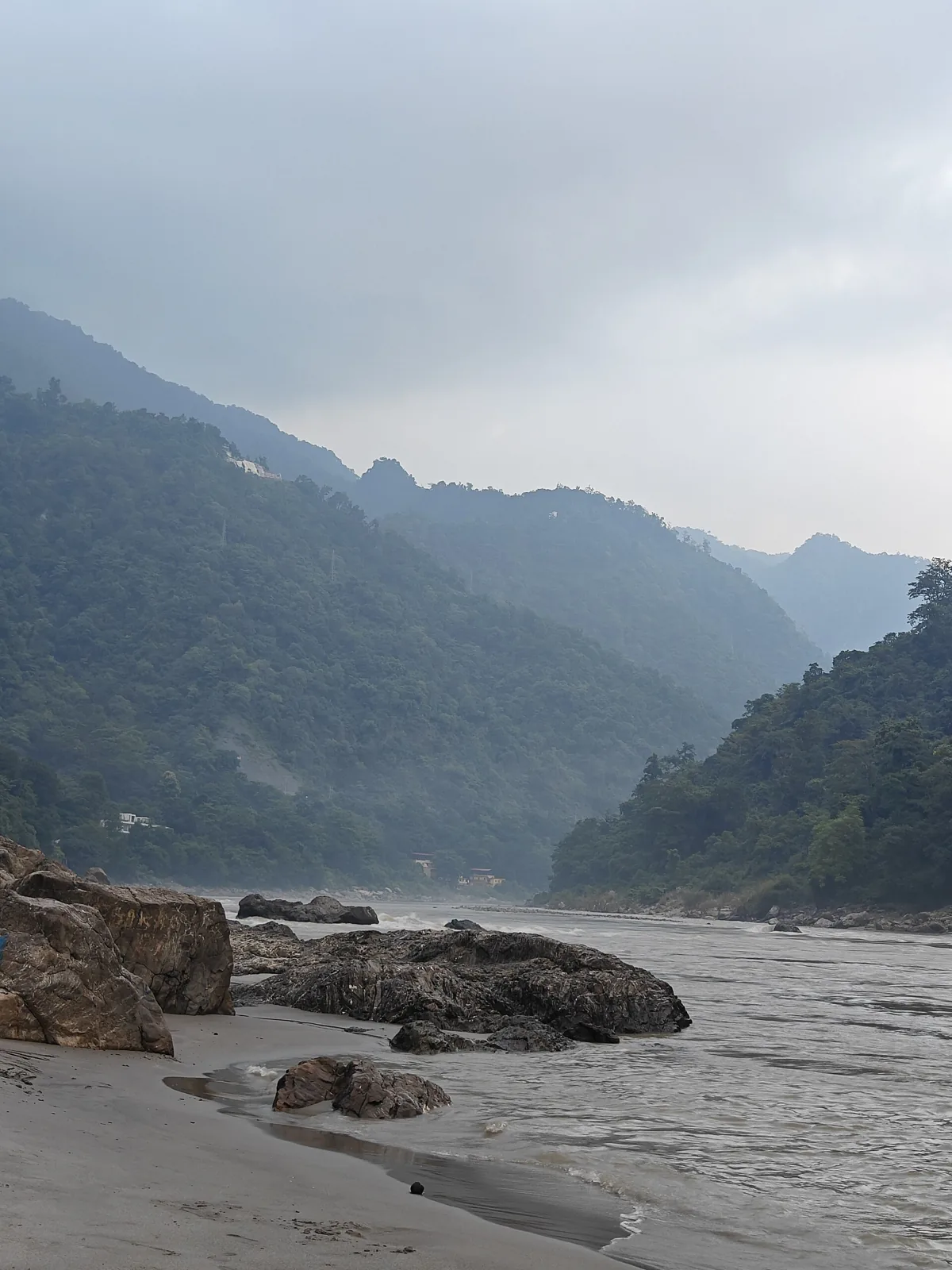
This high meadow is a World Heritage site that blooms in the rains. Outlook Traveller says it reopens around the start of June, with blue primulas in May and June geraniums, and the best time is mid July to mid August. Winter snow closes it between November and April. Entry runs from 7 am to 3 pm, and you need photo ID for the forest check posts. The route starts at Govindghat, the last motorable point, then 14 km to Ghangaria at about 3,050 metres, which takes six to seven hours on foot, followed by a further climb to the valley. Altitude sickness is a real risk, so give yourself time at the first stop. Hemkund Sahib, at around 4,300 metres, shares the base.
Char Dham: four shrines, one rule
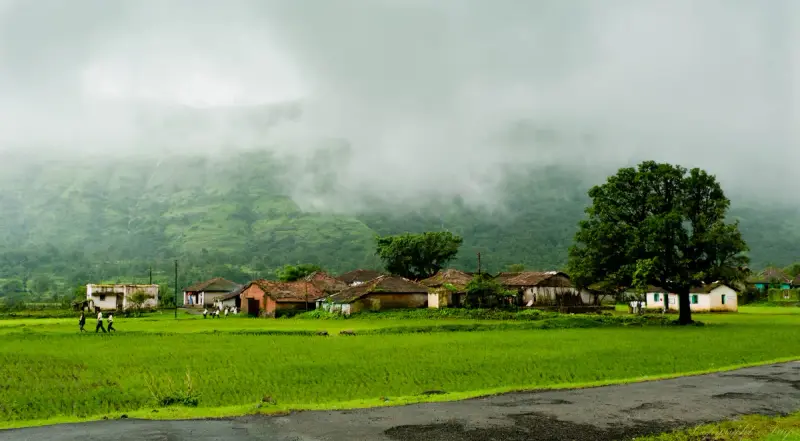
Kedarnath, Badrinath, Yamunotri and Gangotri each has its own opening season and registration steps; the Kedarnath trek, about 16 km from Gauri Kund, is the most demanding. Do not plan a trip to any of them for the monsoon, when landslides can close the hill roads for days. Read the Kedarnath guide before you commit.
Chopta, Munsiyari and the quieter corners
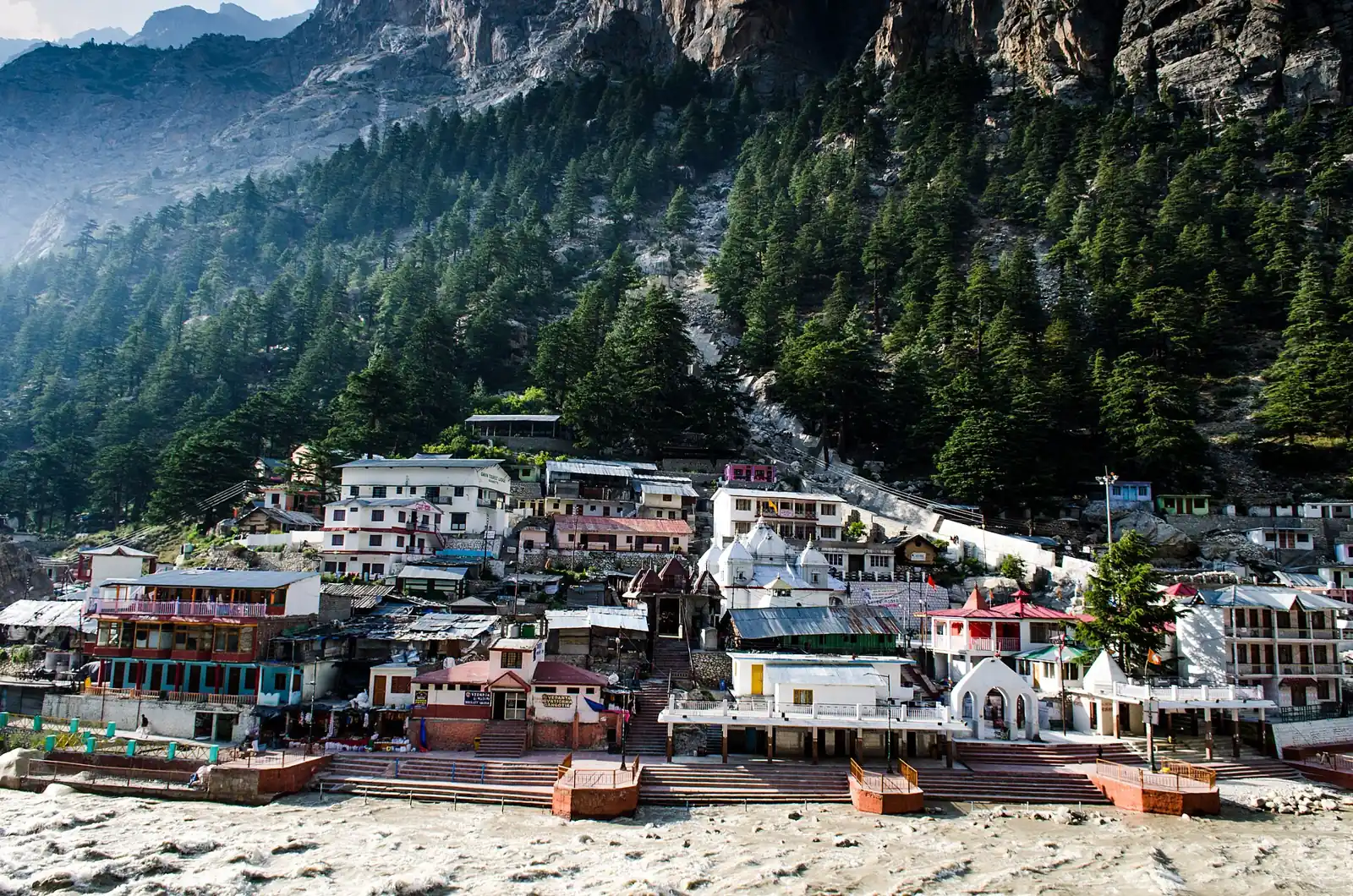
If the main circuits feel crowded, look east and north. Outlook Traveller points to Munsiyari in Pithoragarh district, with views of the Panchachuli peaks and a base for high altitude treks, and to Almora, a ridge town of temples, bazaars and heritage sites among pine and oak. Both are slower, cooler and less rushed than the road to Mussoorie. They suit travellers who would rather walk than queue, and they reward an extra night. Roads are narrow, so choose a driver who knows them, and keep the first and last hours of each day free of firm plans.
Which season for which trip
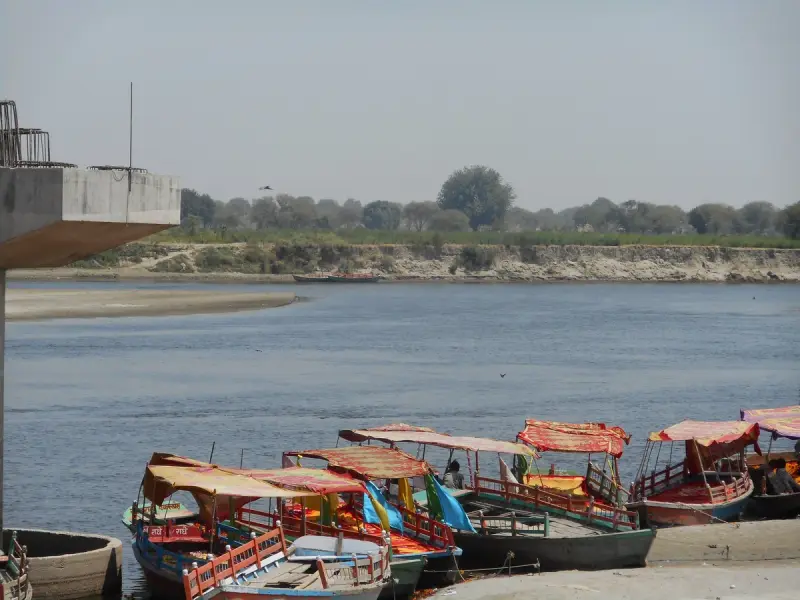
Spring and autumn suit most visitors, with March to May and October to November less crowded than the summer rush in the river towns. July to September is the season for the high meadow and the risk season for roads. December to February is for snow at Auli and Mussoorie, and for clear air everywhere else.
Planning with Laladham
Laladham picks you up in Delhi from the airport, a station, your home or hotel, and plans the complete trip with one driver who knows the hill roads: Haridwar and Rishikesh, a hill town or two, and a safari or a trek on request. Add your dates and group size on the [book page](/book) and ask for a quote.
Questions, answered
When can I see the flowers?
Reopening around June, it peaks in the second half of July and the first half of August, then shuts under snow for the winter.
When does Corbett reopen?
After the monsoon, with the zones opening in stages from mid October to November.
Is rafting available at Rishikesh all year?
Official advice leans to autumn and early spring. Water levels change, so ask on the spot.
When does Auli get snow?
Early November sees the first flakes, and the slopes are busiest in midwinter.
Which airport serves the river towns?
Jolly Grant near Dehradun, or Delhi for road and rail connections.
What does the Char Dham mean here?
Kedarnath and Badrinath, with Yamunotri and Gangotri in the west.