It is a small town with two moods. One is quiet and contemplative, and the other is adventurous and loud. You can choose either or both.
Between the bridges
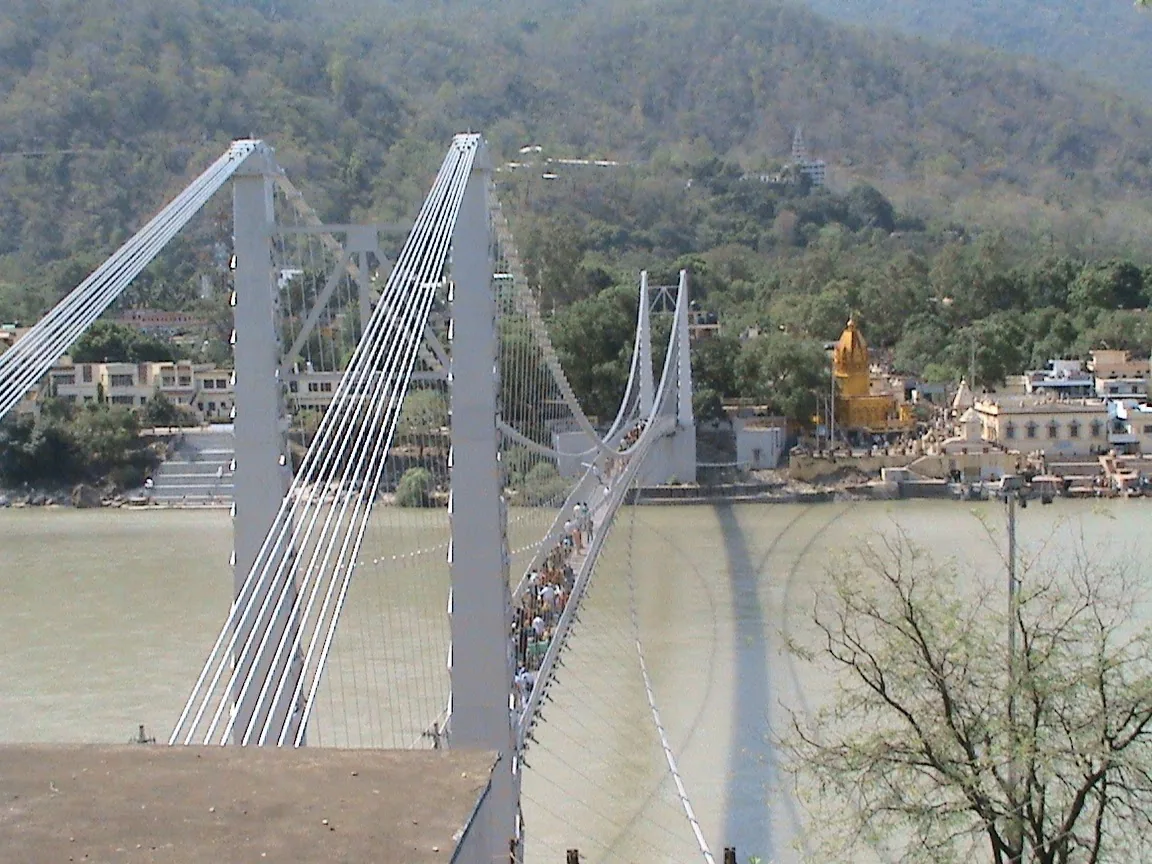
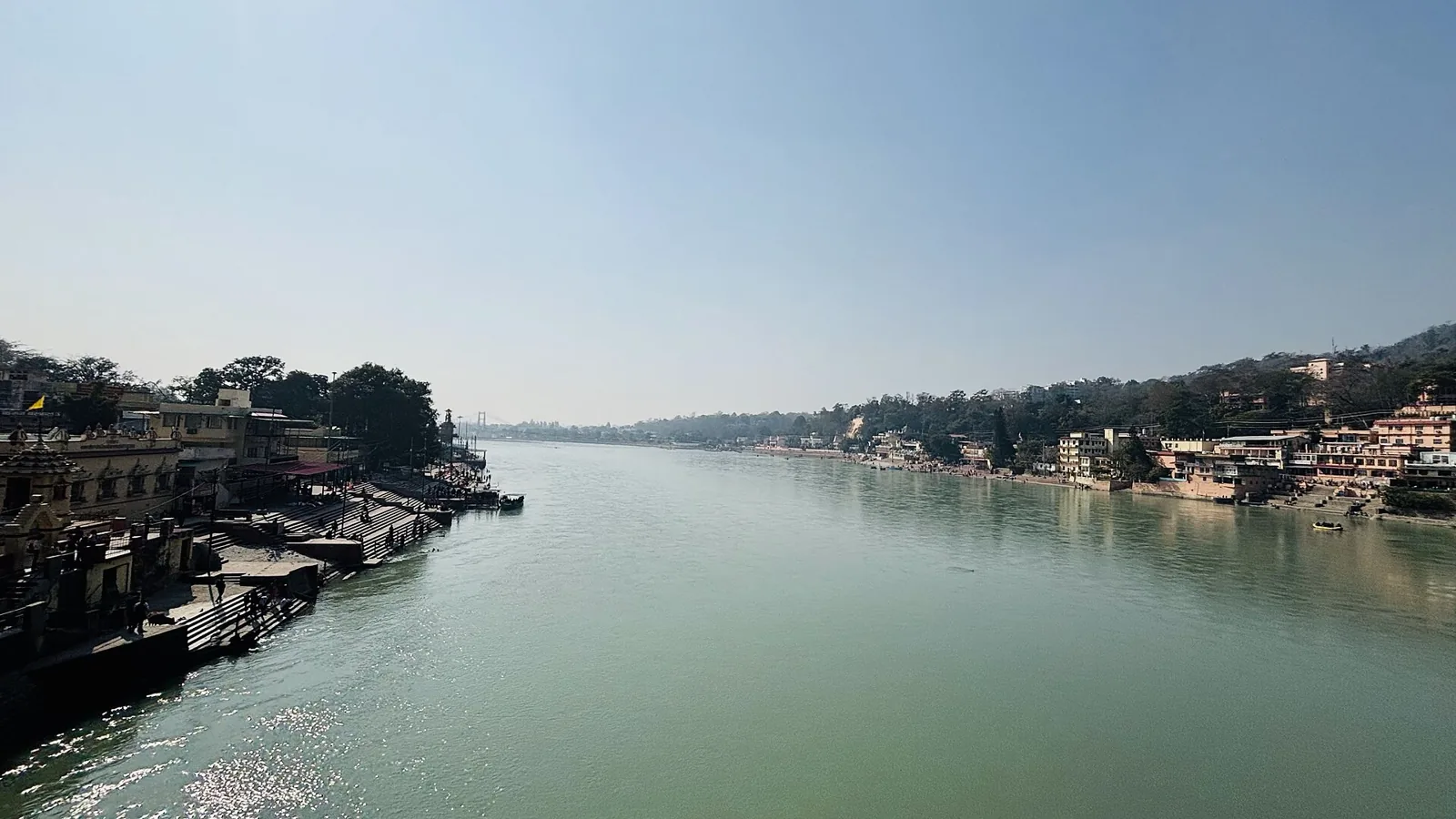
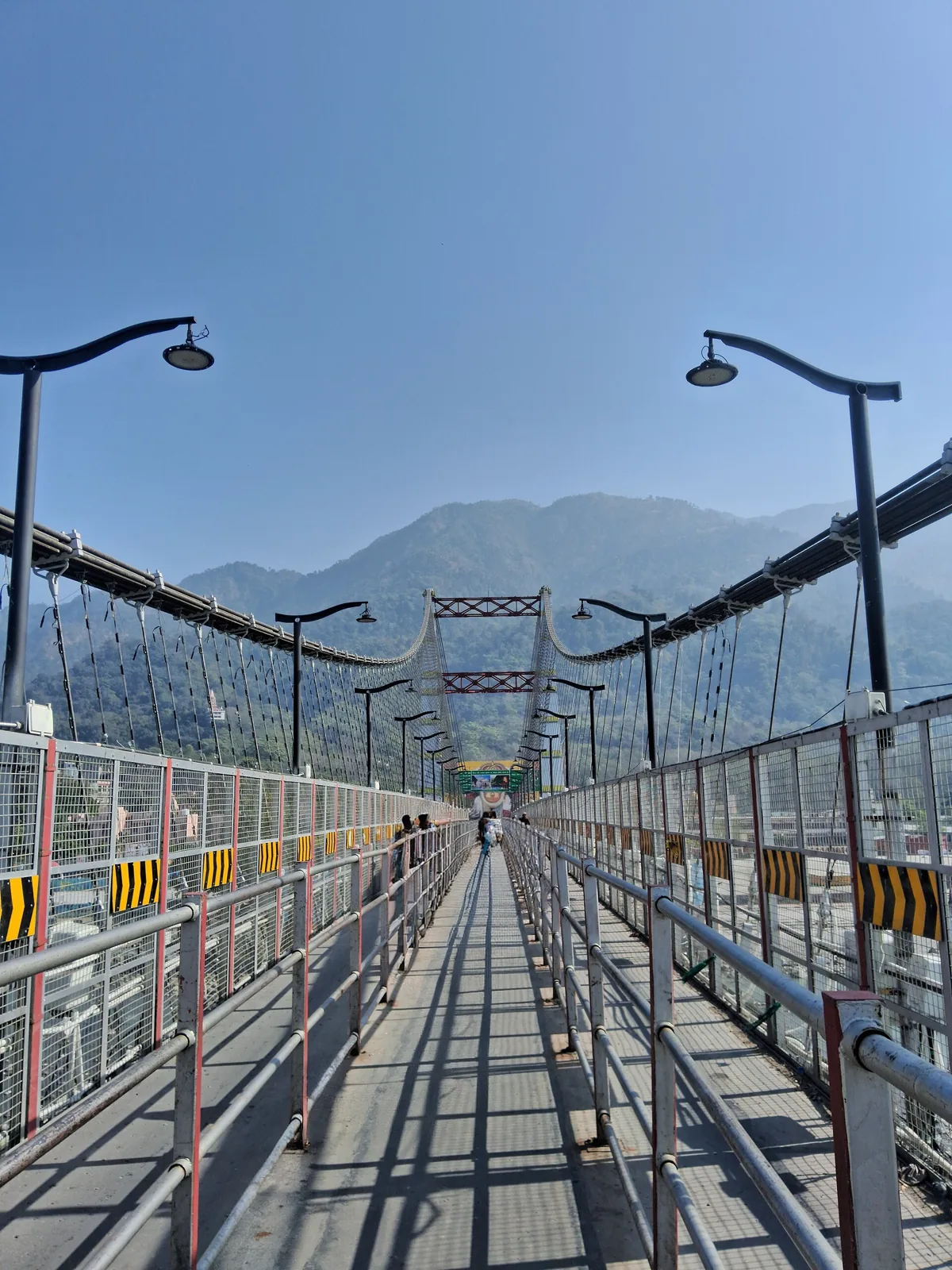
Ram Jhula and Laxman Jhula, the two iron suspension bridges, are the postcard image of the town, and both stretch across the Ganga to reach the east bank ashrams. Laxman Jhula was shut over structural safety concerns in 2019 and since November 2020 has been open only to people on foot, with vehicles barred, and it is meant to be retired when a replacement is built alongside. Check which crossings are open on the day, since rules have changed more than once.
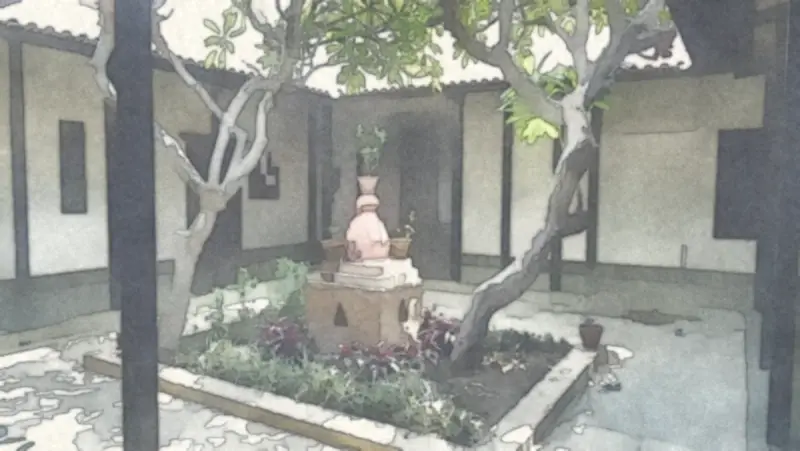
Cross at the end of the day, when the lamps come on and the bridge is full of monkeys, cows and tired walkers.
Evening aarti at the ghats
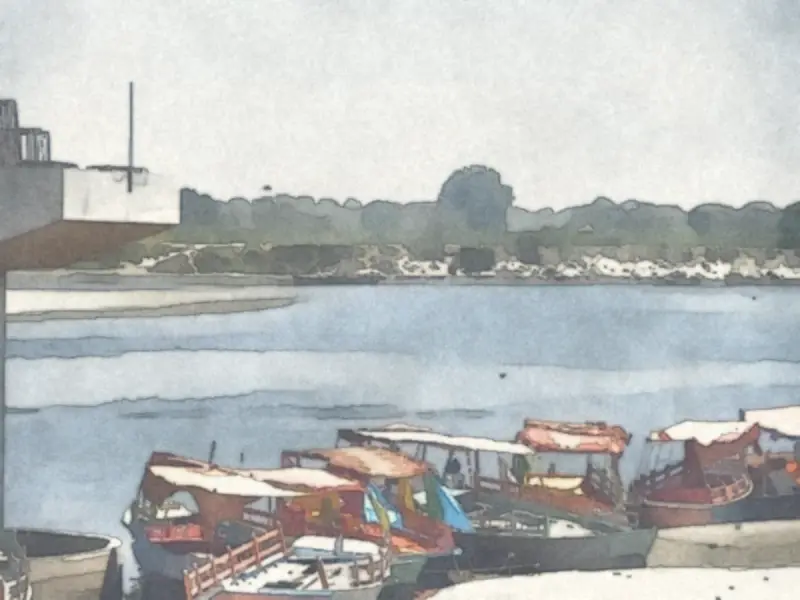
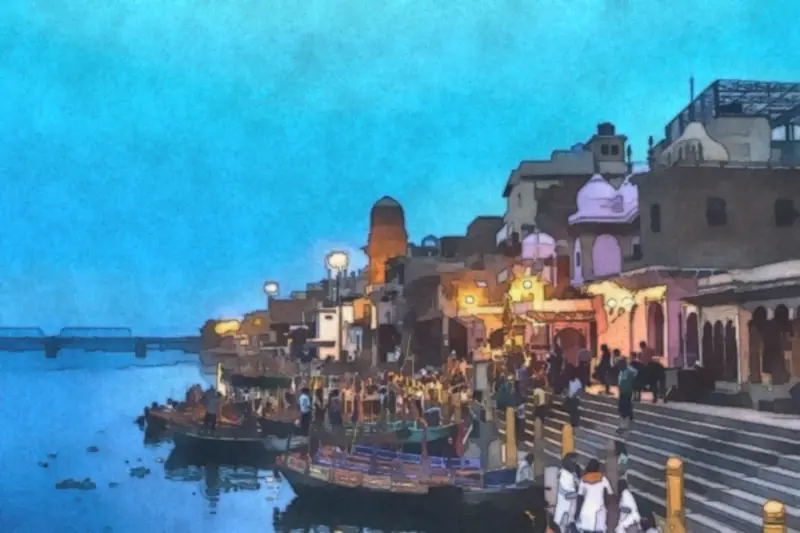
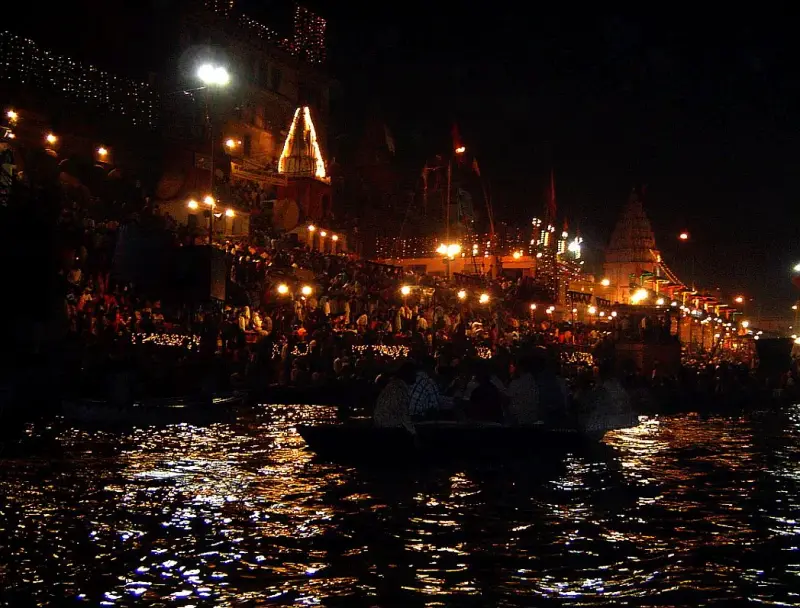
Two aartis dominate. At Parmarth Niketan, the ashram on the east bank, the lamps are lit on the steps at sunset, with chanting and a short talk. Triveni Ghat, nearer the old town, has a bigger crowd and a more theatrical feel. Both are free and open to all, and photography is welcome at a distance.
Yoga, meditation and an ashram stay
Drop-in classes at studios cost little and teach beginners well, while longer retreats run for a week or a month. Ashrams generally offer simple rooms, vegetarian food, morning satsang and rules about silence and curfew. If you want a stay, ask about the rules in advance, such as gate closing time and dress code, and choose a place that fits your pace.
Rafting and the outdoors
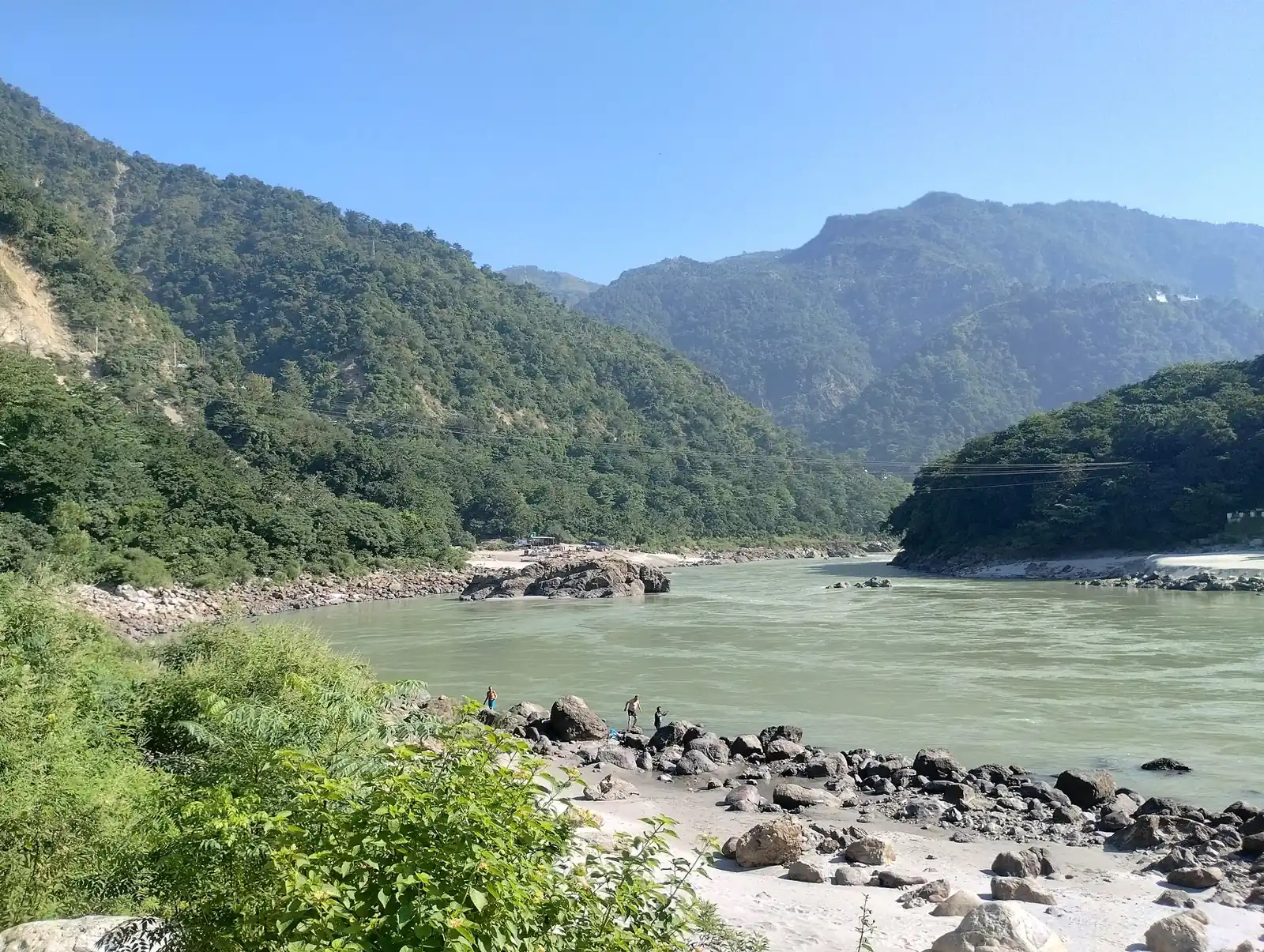
Whitewater rafting between Shivpuri and Rishikesh is the headline activity, with grades that run from gentle to wild. The season is usually from about September to June, with the river too high during the monsoon. Choose registered operators, check that life jackets and helmets are provided, and be honest about age and swimming ability. Cliff jumping, bungee and camping are also on offer, so use the same care when picking an operator.
A day that mixes the two moods
Start with a sunrise walk along the riverbank and a masala chai, attend a one hour yoga class, then eat a simple breakfast. Mid morning, cross the bridge for the ashrams and bookshops, and spend the afternoon resting, since the sun is bright and the stones are warm. Take rafting, if you are keen, in the late morning when the water is calm and the air is warm, and return for the evening aarti. Finish with dinner at a rooftop or garden cafe, where music is gentle and bedtime is early, because the next morning starts with the sound of bells.
Pure vegetarian town, no alcohol
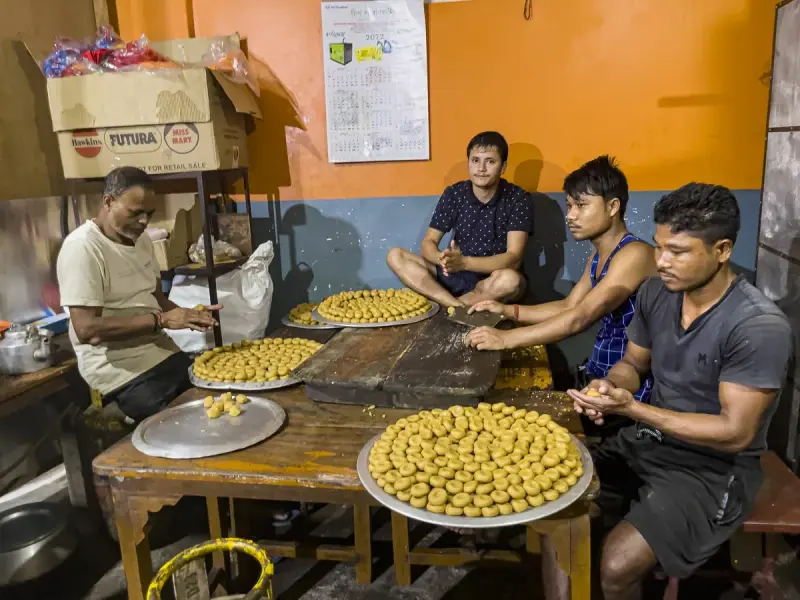
Rishikesh is a vegetarian town, and alcohol is not sold in the municipal limits. The food scene is generous nonetheless, with German bakeries, Israeli cafes, thalis, South Indian breakfast and chole bhature. Chotiwala, the famous painted figure outside the old restaurant, is a landmark. A fresh lassi in the evening, a cup of ginger tea in the morning and a walk beside the river sum up the diet.
Neelkanth Mahadev and Kunjapuri
About 30 km up the hill, the Neelkanth Mahadev temple is where Shiva is remembered as having held the poison from the churning of the ocean in his throat. Kunjapuri Devi temple, on a ridge above the town, is famous for its sunrise views over the Himalayas. Both involve winding mountain roads, so leave early and hire a car with a calm driver.
Hills nearby
Rishikesh is the gateway to the Char Dham and to hill stations such as Mussoorie. It is also the starting point for treks in Garhwal. Even a day in the nearby forests, beyond the town, gives a sense of the hills.
When to go
February to April and September to November are the most comfortable months. International Yoga Festival, held in March, attracts large crowds. Summer is warm in town and cooler up the hills, and the monsoon brings landslides, particularly on the Badrinath road.
Getting here
Rishikesh is about 240 km from Delhi, roughly five to six hours by road, with trains to Haridwar, 25 km away, and to the Yog Nagari Rishikesh station. The nearest airport is Dehradun's Jolly Grant, about 20 km away.
How we plan Rishikesh
We pick you up in Delhi, drive to Rishikesh and handle the stay, the rafting booking, the ashram or hotel and the drive to Haridwar or the Char Dham next. Ask for a quote on the book page and tell us the pace you want.
Questions, answered
How many days in Rishikesh?
Two nights give you the bridges, aarti, a yoga class and rafting. A retreat takes a week or longer.
Is rafting safe?
With a registered operator, trained guides and proper gear, yes. Avoid it during high water and follow instructions closely.
Is alcohol available?
Not in the municipal area, and non vegetarian food is also generally unavailable.
How do I reach Rishikesh from Delhi?
By road in about six hours, or by train to Haridwar or Rishikesh followed by a short drive.