This is garba. If you have only seen it in a film, forget the choreography. In Gujarat it is a social dance that anybody can step into, young or old, and the real pleasure is that nobody is watching you. A first-time visitor usually begins at the edge and ends, an hour later, in the middle.
Navratri follows the lunar calendar and opens on the first night of Ashwin's bright fortnight, in autumn. Take the exact days of the year from a panchang.
What garba means, and the lamp in the middle
The word garba comes from a Sanskrit word for womb, and it hints at life and the creative force of the goddess. Traditionally the dance is done around a perforated clay pot with a lamp lit inside it, called a garbo, or around an image of the goddess. The circle moves, claps, turns and bends in time with the drums, and the whole thing is a way of walking around the mother.
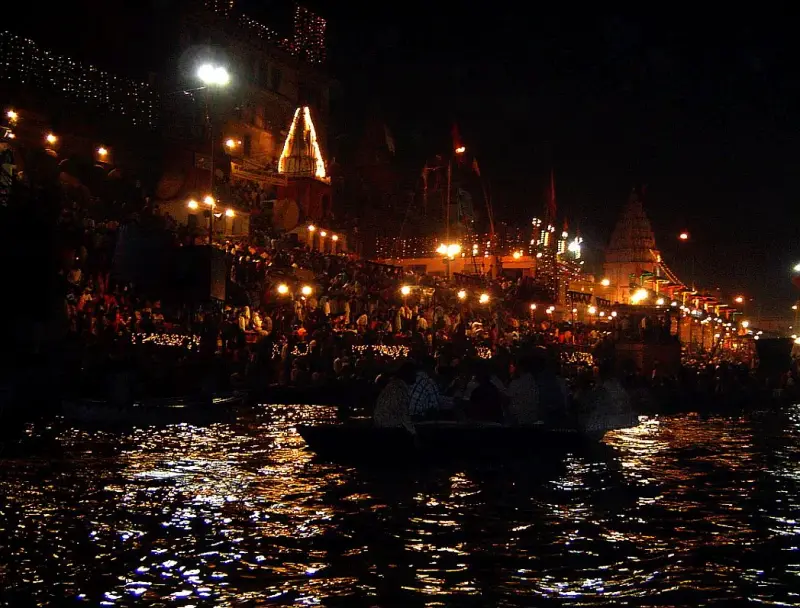
That helps to read the ground. The mood is devotional, and before the dancing there is an aarti in front of the goddess. Gujarat's Navratri evenings follow that order, aarti and then garba, so if you arrive late you will find the circles already formed and the lamp already lit.
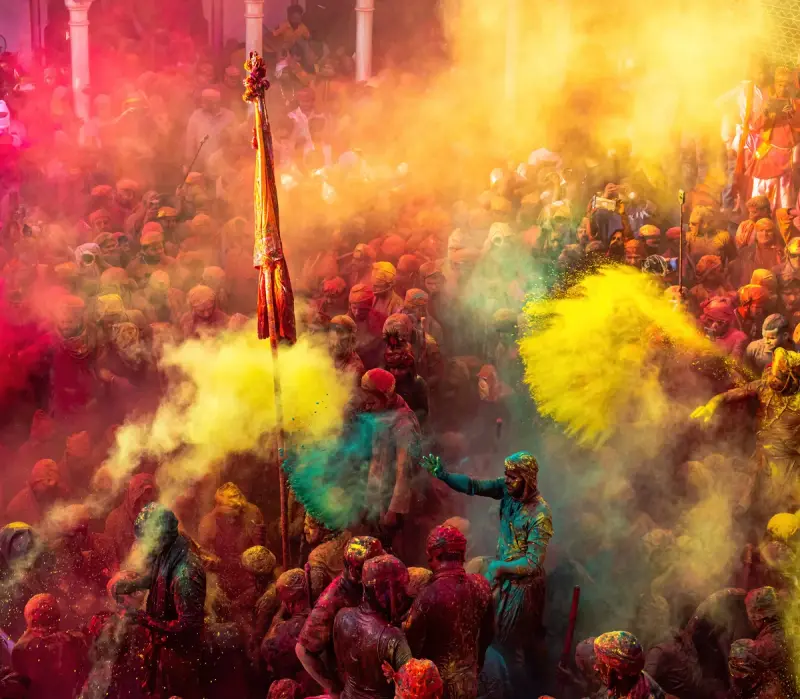
Dandiya raas: the sticks
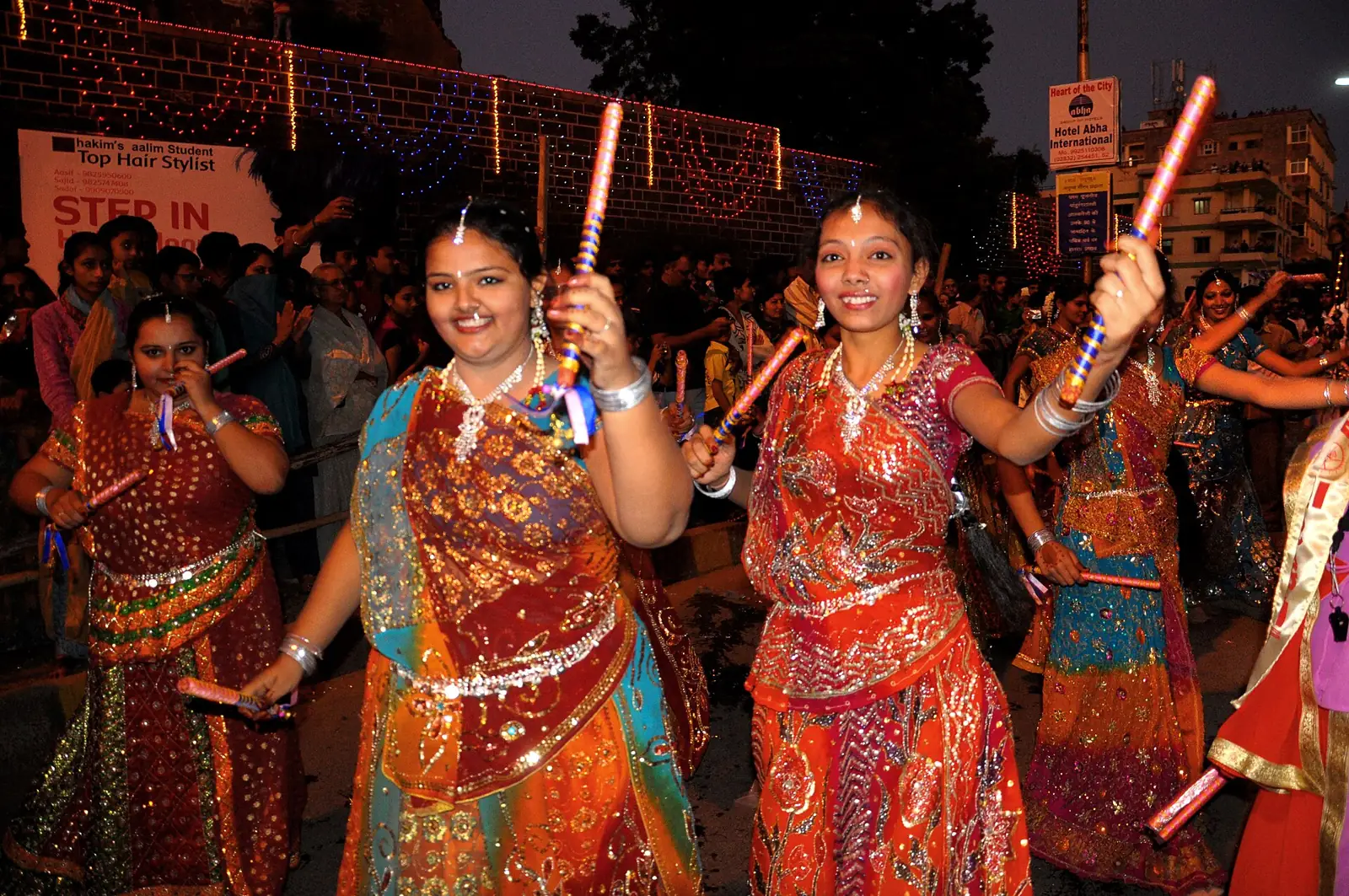
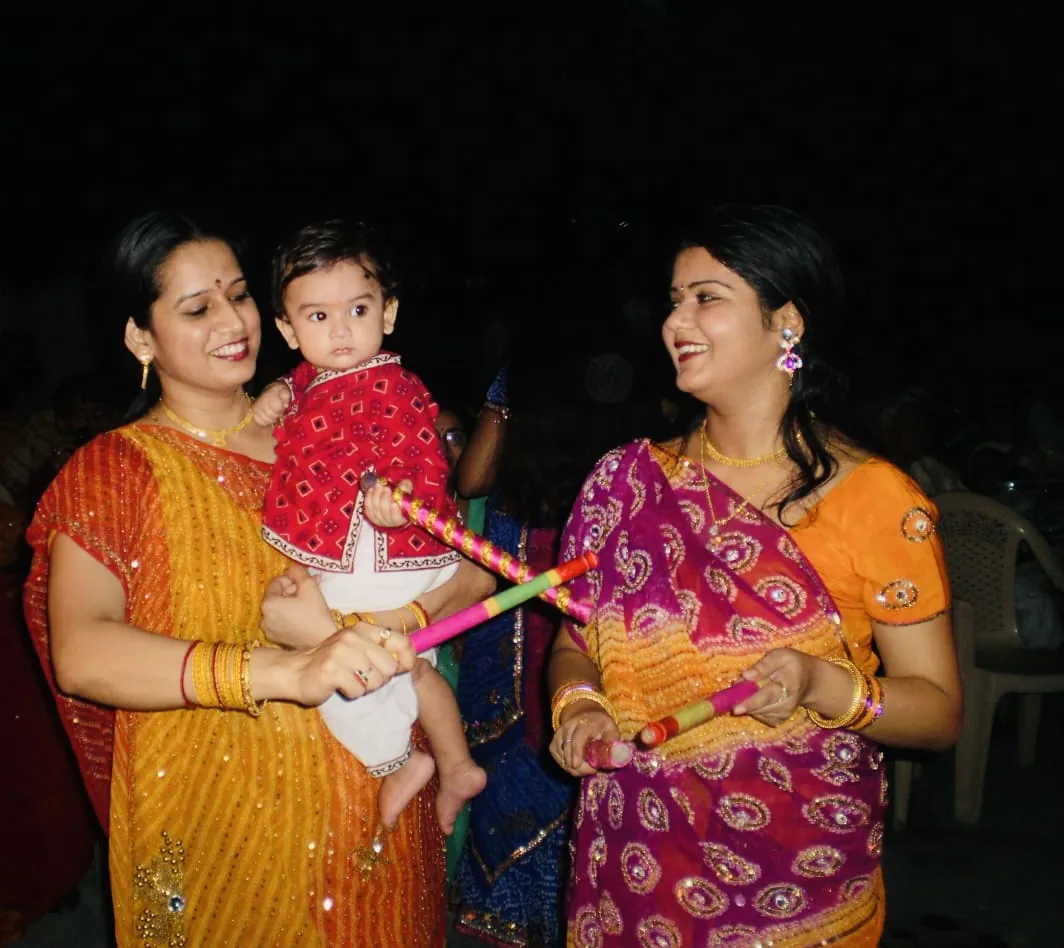
Dandiya raas is the related dance with two sticks. Partners strike their sticks together and then those of the person opposite, in a rhythm that gets faster as the evening goes on. It is traditionally a men's dance, and its influence is credited with the quickening of the modern garba.
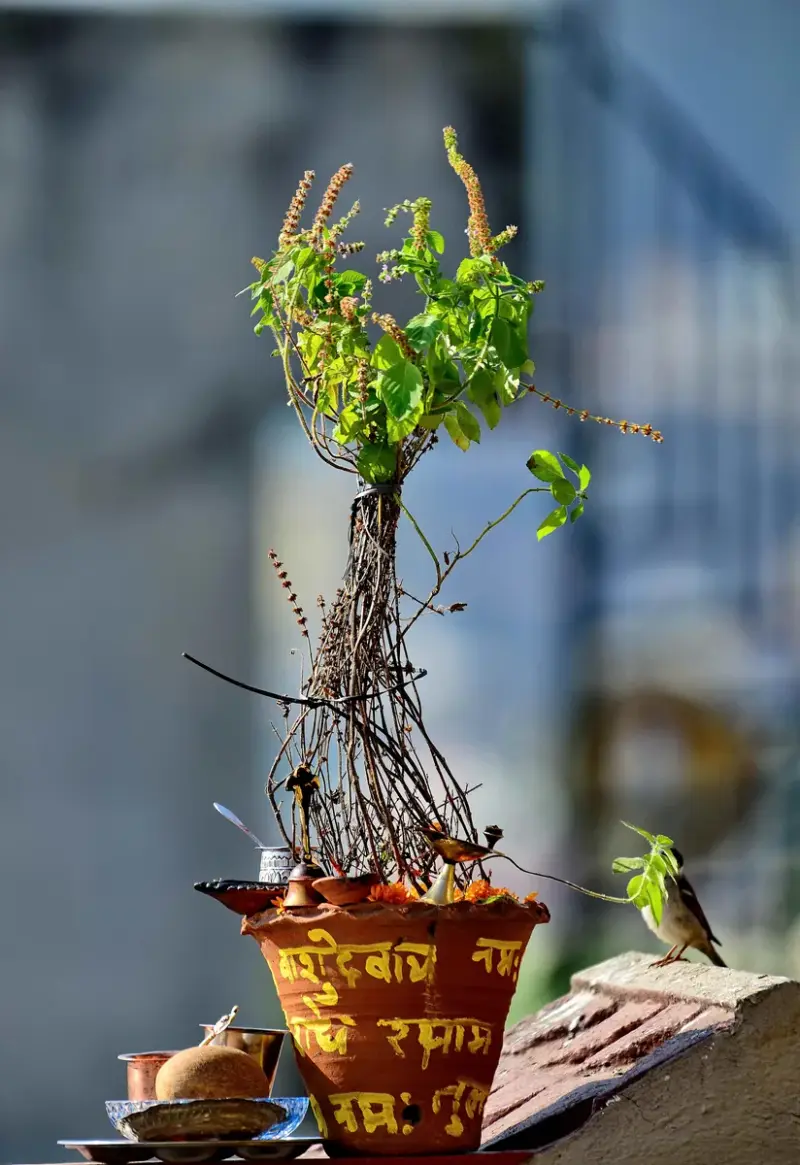
On many grounds the evening begins with garba and moves to dandiya late, so keep your energy. If you want to join dandiya, buy a pair of sticks at the entrance or from a stall and watch for two minutes before you step in. The rule is to keep to the beat and to stay out of the way of fast dancers.
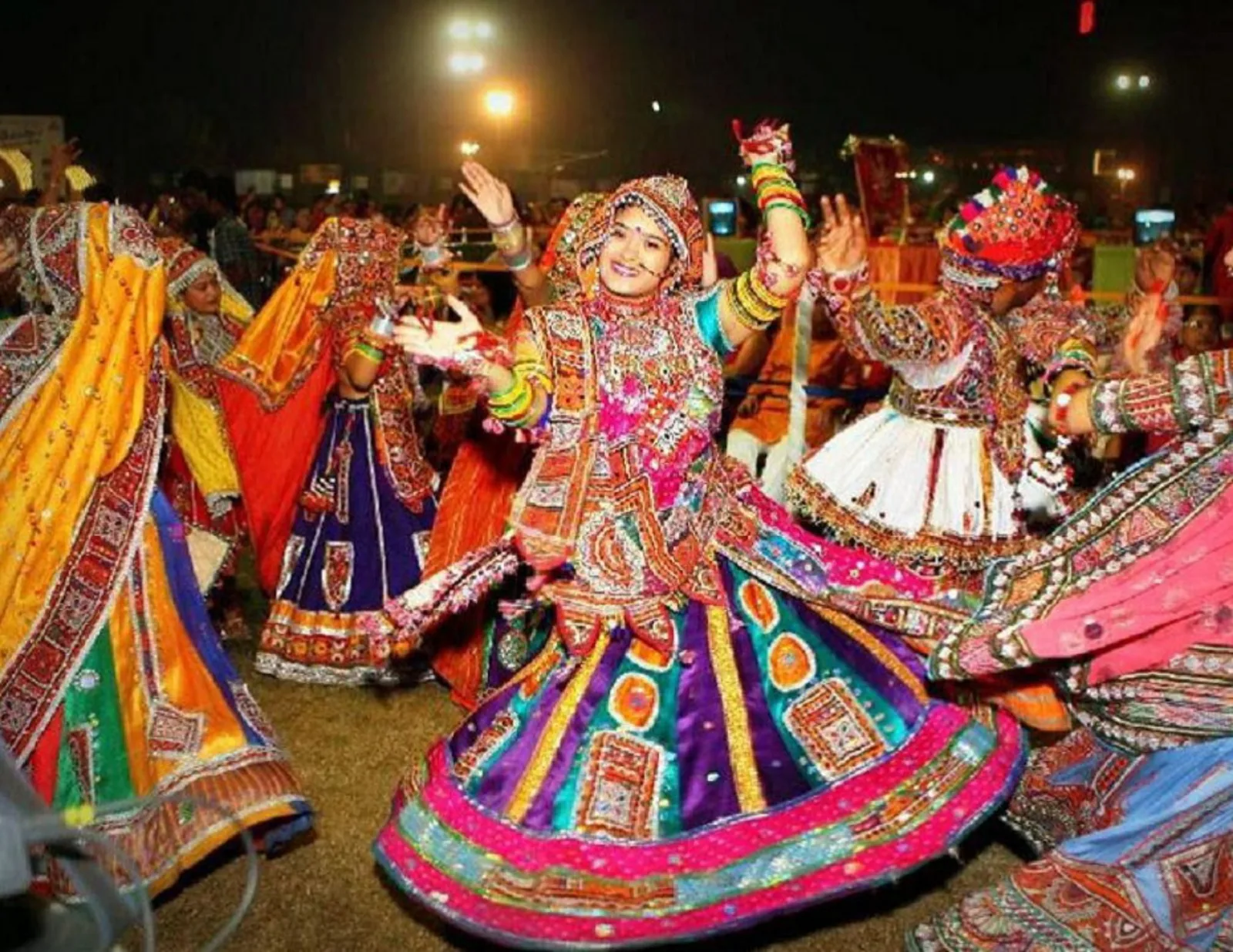
What people wear
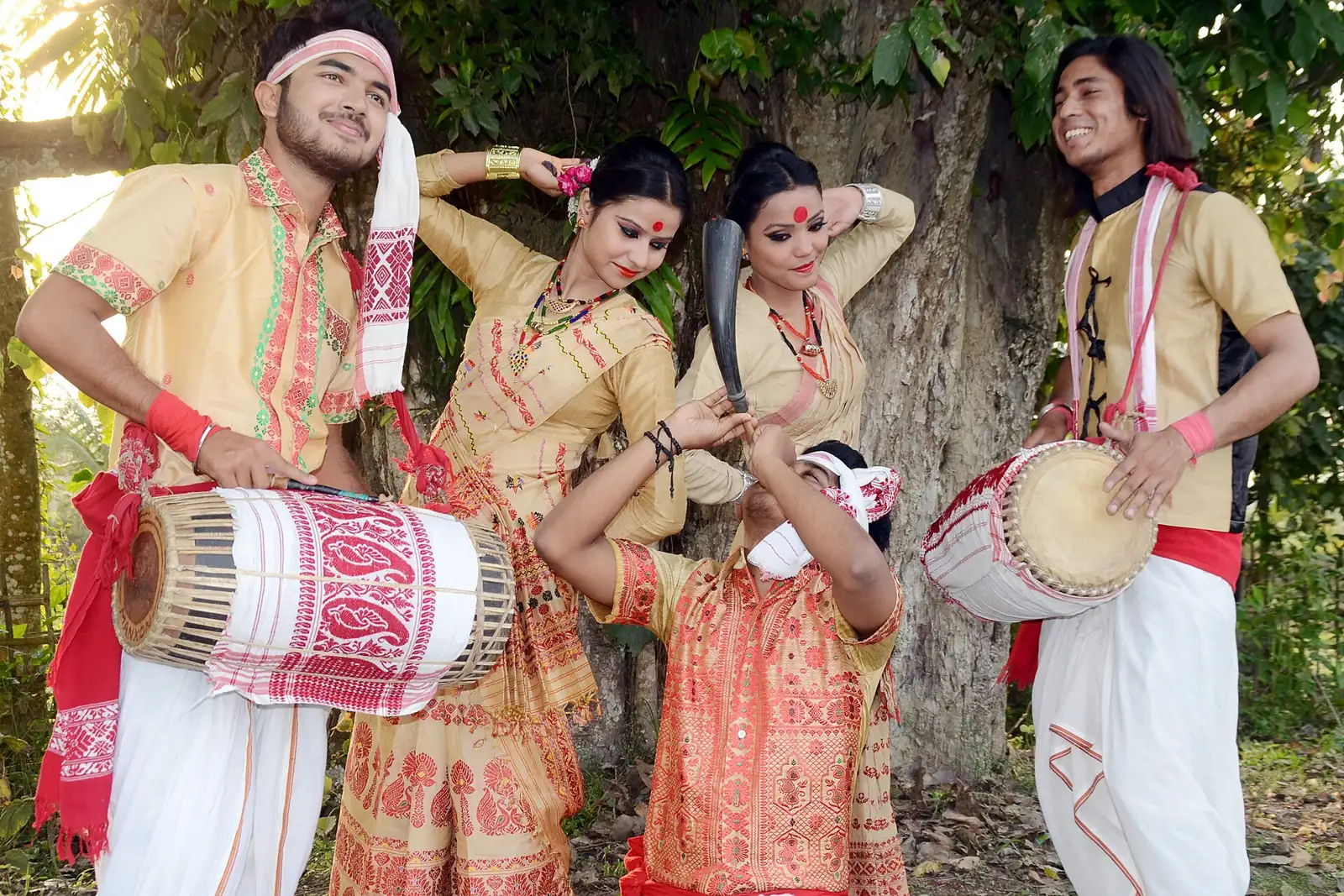
Women wear the chaniya choli, a long, heavily embroidered skirt with a blouse and a dupatta, often with mirror work. Men wear the kediyu, a short, flared top, with a dhoti or churidar.
A visitor does not need to dress in full costume, but a little effort is welcomed. Shops in the larger cities sell chaniya choli sets, and some hire them out for the season. Wear light footwear that you can dance in, or go barefoot where the ground allows. Garba is long on the feet.
Societies, clubs and big grounds
A Gujarati Navratri has two shapes. One is the neighbourhood garba, in a housing society's courtyard or a lane, with a loudspeaker and a hundred families. The other is the large ground with a stage, a professional singer and an orchestra, thousands of dancers and food stalls.
Vadodara has a name for its large organised celebrations, and Ahmedabad has plenty too. Some grounds sell passes and some are free, so ask your hotel on arrival. If a local family invites you to their society garba, go, and consider it the better of the two experiences.
Fasting, food and the days between
Many families fast through the nine days, eating only fruit, milk and certain flours. Others eat normally but without onion and garlic. If you are invited to dinner, ask which the family follows.
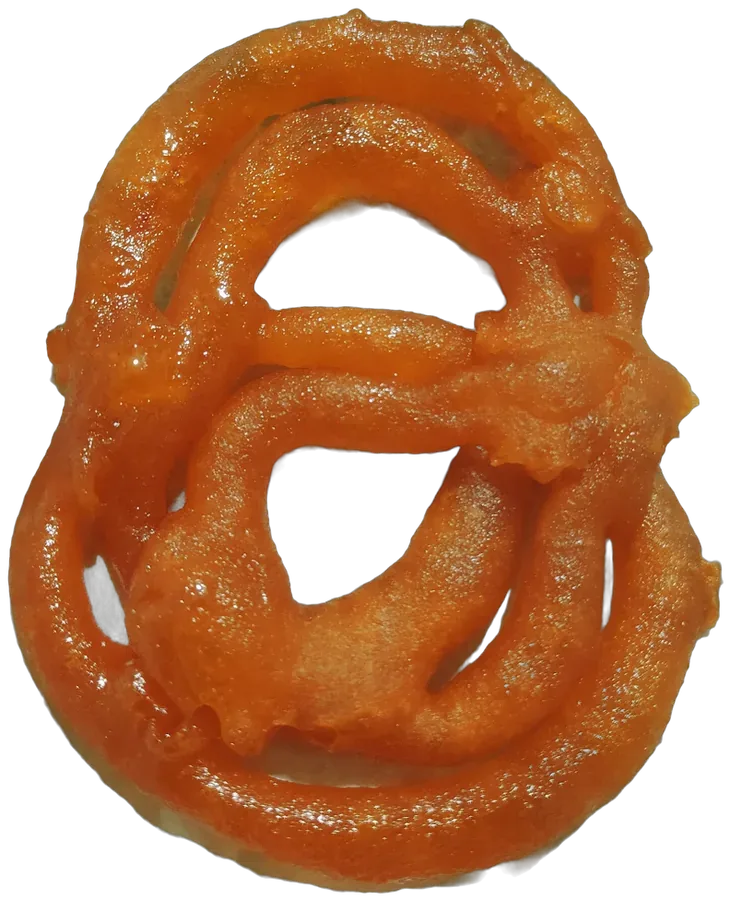
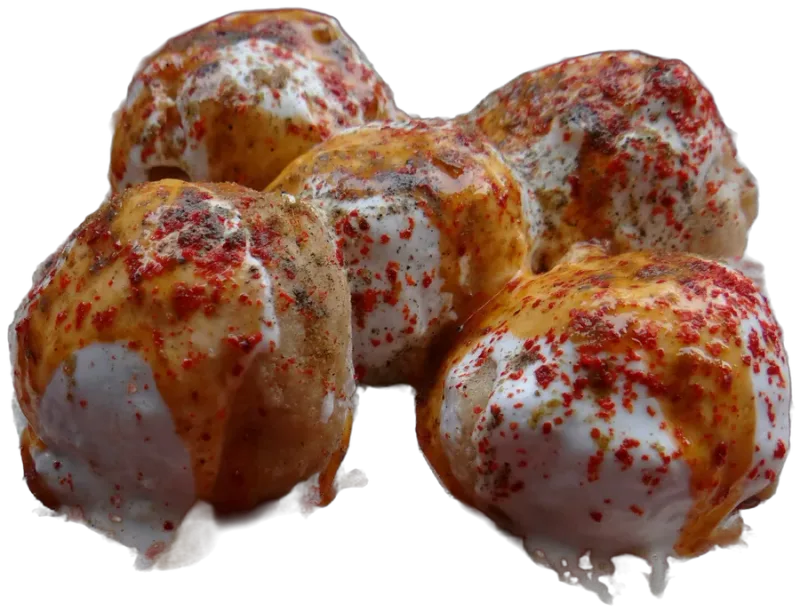
Gujarat is a vegetarian state and its food at this season is of a sweet and savoury kind. Do not leave without a thali, and take a box of local sweets home. The days are quieter than the nights, which is exactly when to see temples, markets and the old pols of Ahmedabad.
Ambaji, Pavagadh and the goddess temples
The goddess has her own shrines in Gujarat, and some seekers combine garba with a darshan. Ambaji in the north of the state and Pavagadh near Vadodara are the two best known. They are crowded in Navratri, so go early in the morning and carry only a small bag.
If you plan a darshan, find out whether the temple has an entry system or a special queue on the festival days, and leave a margin for the road.
Taking a Navratri trip from Delhi
Gujarat is a big state, and a Navratri visit works best as a week with a plan for the nights. Laladham can pick you up in Delhi and run the whole trip: the journey to Ahmedabad or Vadodara, a cab with a driver, a room close to the dancing ground, a darshan at Ambaji or Pavagadh, and a day or two on the road home through Rajasthan.
Write to us on the booking page with your dates and the size of your group, and ask for a quote.
Questions, answered
How many nights does Navratri last?
Nine, and the tenth day is Vijayadashami, also called Dussehra.
Can a visitor join the garba?
Yes. Garba is a circle dance that welcomes anyone, and it is customary for people to pull a newcomer in.
What is the difference between garba and dandiya?
Garba is danced with claps, often around a lamp. Dandiya raas uses sticks and is usually done later in the night.
Where is the biggest Navratri in Gujarat?
Vadodara has the name for scale, but every town and housing society dances its own.