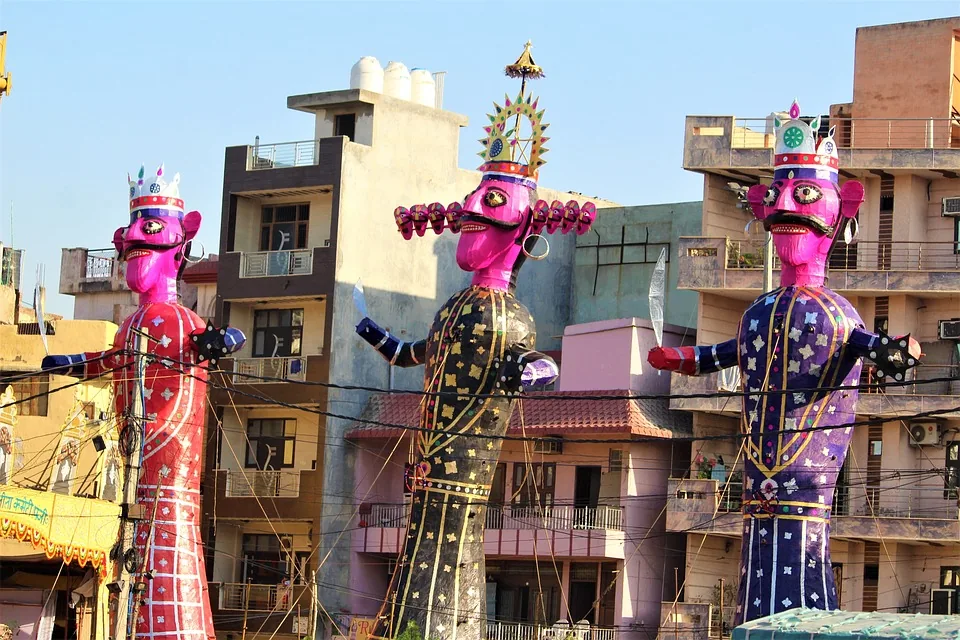
This is Ram Leela. On the tenth day, Vijayadashami or Dussehra, the ground fills with a different crowd. A tall figure of Ravan stands in the open, with two smaller ones beside him, and the sky waits for the arrow.
It is among the oldest dramatic traditions still performed in north India, and it is one reason the city feels warm in October. If you have never been, here is how it works, what is worth seeing and how to be there without losing your slippers.
What Ram Leela actually is
Leela means play, in the sense of a god's play, and a Ram Leela is the Ramayana performed over several nights, each night one episode: the birth of Ram, the breaking of Shiva's bow, the exile, Sita's abduction, the search, Hanuman crossing to Lanka, and finally the war. Performances use verses from Tulsidas's Ramcharitmanas in the Awadhi he wrote, interleaved with spoken dialogue in simple Hindi.
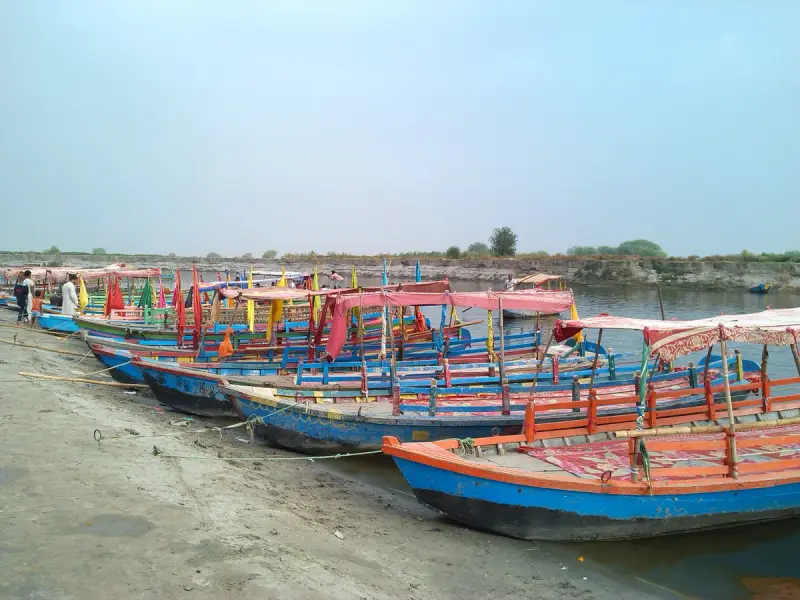
The tradition in the Gangetic plain is old enough that a painter in 1834, James Prinsep, drew the Ram Leela of Ramnagar near Varanasi with elephants and a crowd stretching to the horizon. The Ramlila of north India is inscribed on UNESCO's list of the intangible cultural heritage of humanity.
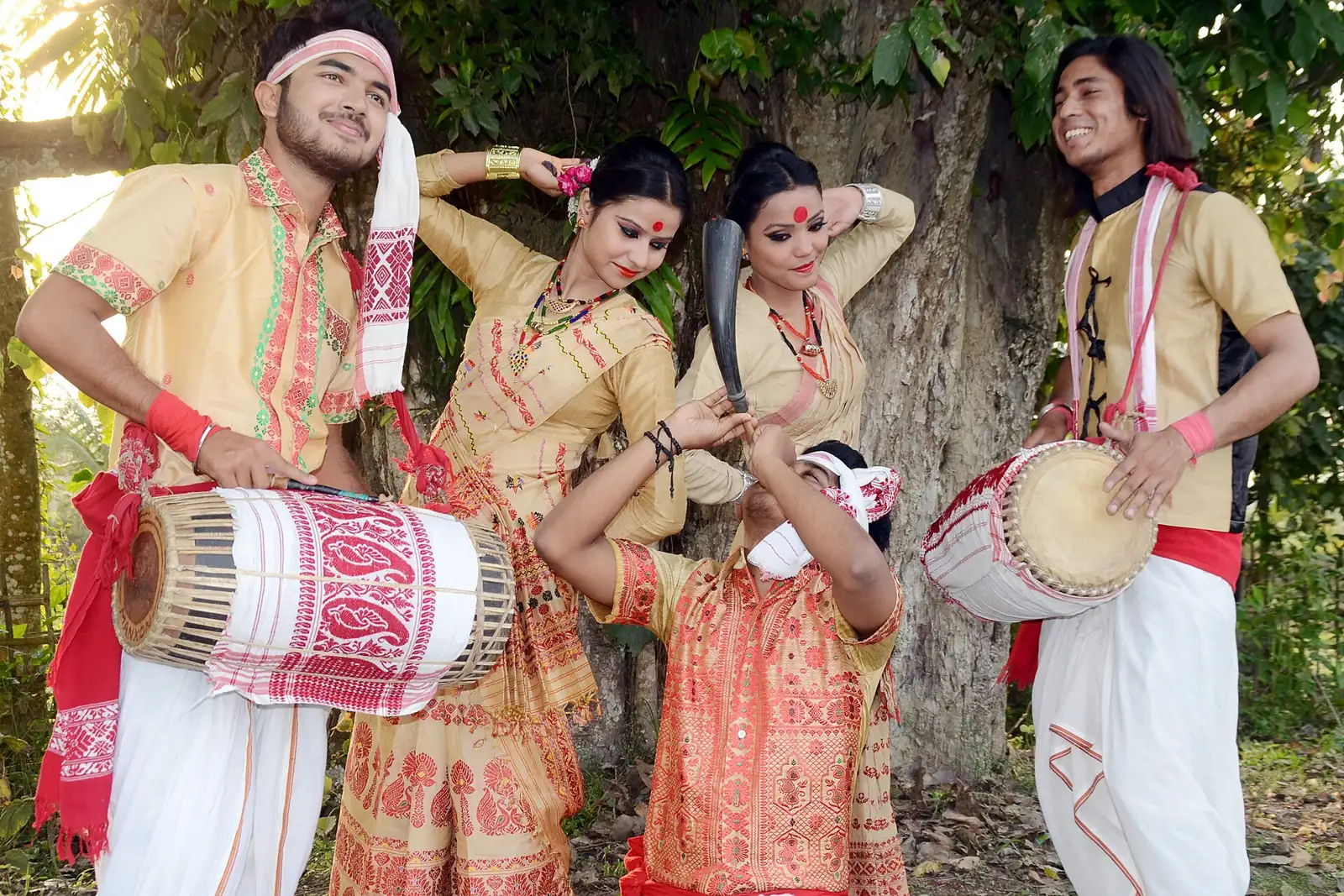
The actors in the traditional troupes are often young boys for Ram, Sita and Lakshman, who are treated by the audience as the gods themselves for the nights of the performance. In Delhi a family might touch the feet of the boy playing Ram, and then pick up their mat and go home.
The grounds where Delhi watches
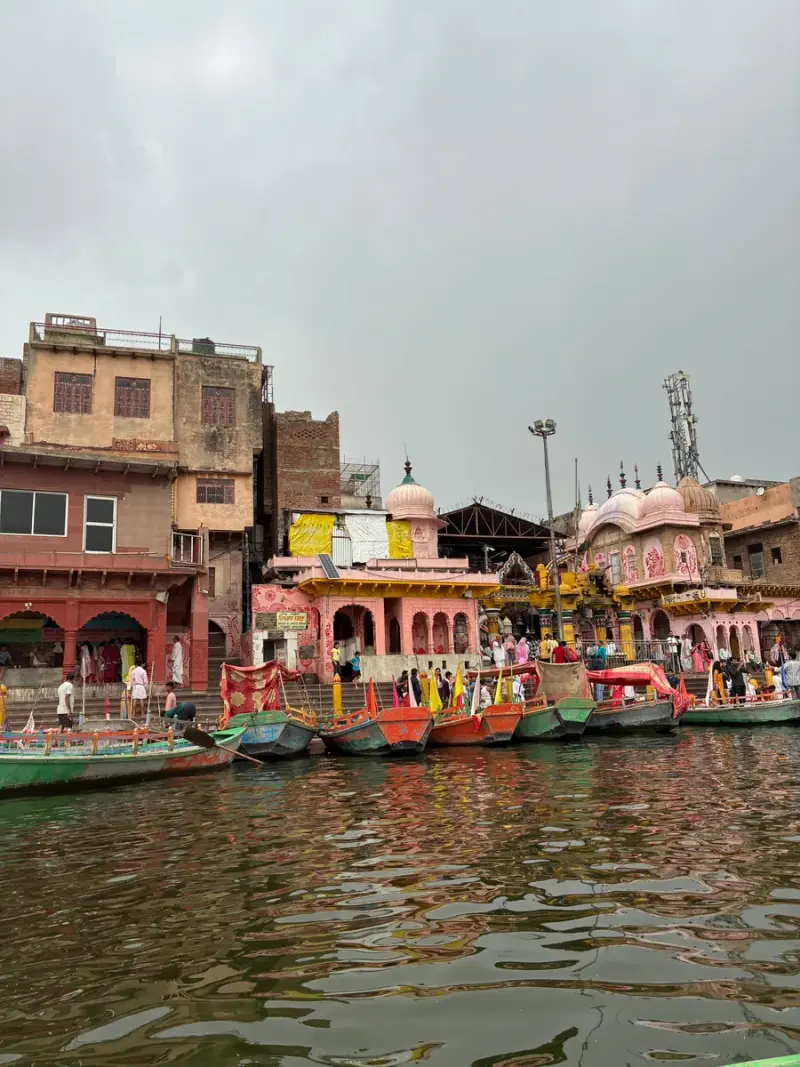
Delhi has hundreds of Ram Leelas, run by neighbourhood committees in colony parks and temple grounds. A few draw the largest crowds: the long running Leelas near the Red Fort lawns, the Ramlila Maidan beside Old Delhi's walls, and the grounds in the suburbs where actors well known from television are invited for one night.
The older Old Delhi Leelas have a feeling the new ones can't copy: tight lanes, high balconies full of families watching from above, and a stage close enough to touch.
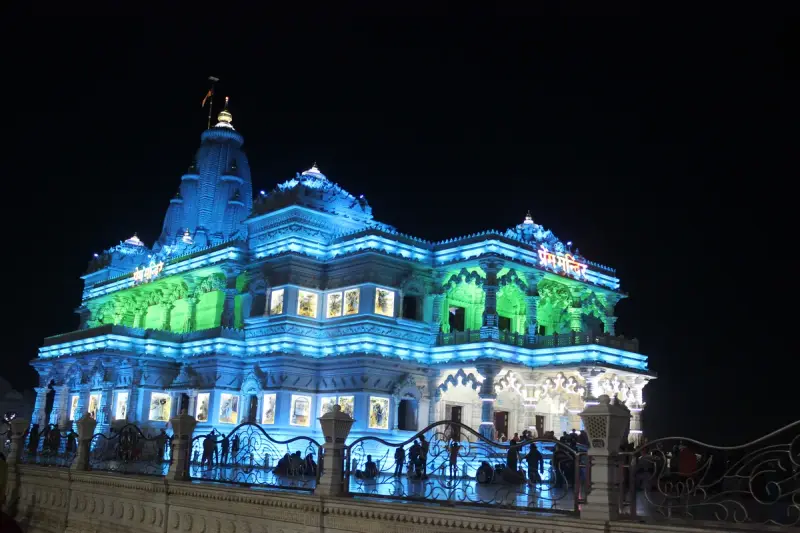
Ask your hotel which is closest on the day. Committees usually print a schedule outside the ground, and it is rarely changed, so the main nights can be checked a day or two ahead.

Tatarpur and the making of Ravan
A few weeks before the festival, the effigy makers of Tatarpur, in west Delhi, are known for stacks of bamboo, paper and tinsel by the roadside and for tall frames of Ravan with ten heads laid on their backs like sleeping giants. Families who have done this work for generations say the effigies are sold to Ram Leela committees across Delhi and beyond.
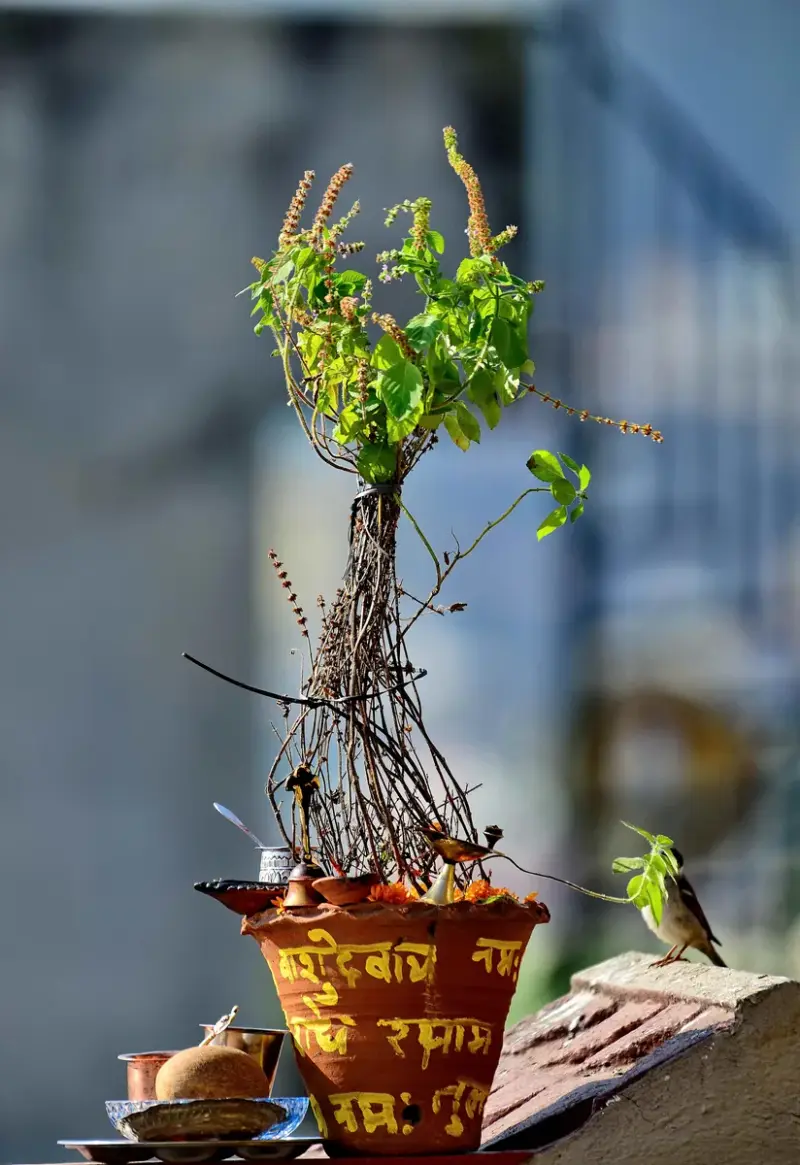
If you would like to see them being made, go in the week before Dussehra and ask, politely, if you may watch. The makers are busy and rarely mind a visitor who keeps out of the way. Avoid taking pictures of the workers without asking.

The tenth day: the burning of Ravan
On Dussehra evening the committees hold their Ravan Dahan. The effigy of Ravan, usually with Kumbhkarna and Meghnad beside him, is lifted on a stand in the middle of an open ground. Actors dressed as Ram and Lakshman arrive with an escort, and Ram fires a flaming arrow. Fireworks packed inside the effigies go off one after another, the heads burn, and when the frame falls the crowd cheers.
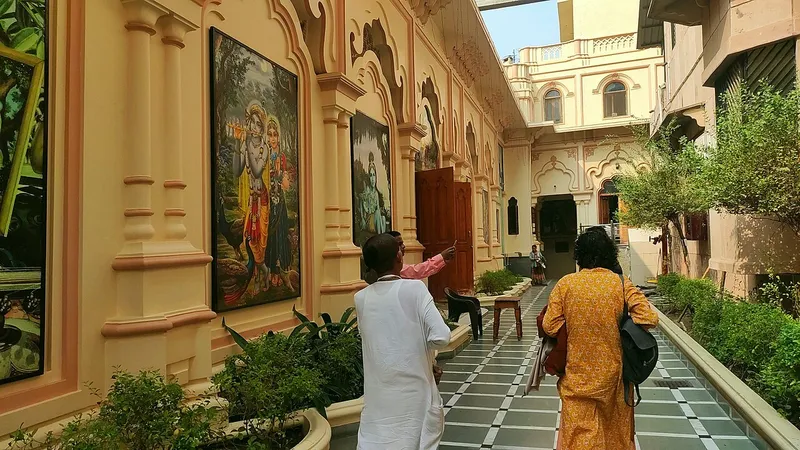
The tradition reads this as the victory of dharma over pride. It is a story every child in the crowd already knows, which is why they are so eager to see him fall.
Dussehra in 2026 falls on 20 October. Timings of the burn differ by ground, usually after dark, and police place restrictions near large grounds, so check the committee's notice.

How to watch safely and well
The biggest grounds fill fast and the crowd around the effigy can surge as the fireworks start. Stay in the seated area or on the edge, with an exit behind you, and keep children close. Never stand directly below the effigy or within reach of the bamboo supports.
Eat before you go. Street stalls run along every ground, with hot jalebi, chaat, roasted corn and sugarcane juice, and they are part of the evening. Carry small change and a bottle of water.

Planning the trip from Delhi
Because Delhi has the festival in its own streets, the best plan is to be there for the ten nights and to add something on either side. Ram Leela in the early evening, then a morning in Old Delhi, and a day for Ayodhya's tradition if you want to go on from here.
Laladham can pick you up in Delhi, from the airport, a station or your hotel, and run the full trip: help choosing the Ram Leela ground and the night, a driver who knows how to enter and exit the crowded areas, and the next leg, whether it is Mathura and Vrindavan, Ayodhya, Jaipur or somewhere in the south. Ask for a quote from the booking page and tell us your dates and how many of you are travelling.
Questions, answered
When is Dussehra in 2026?
On 20 October 2026. The Ram Leela nights begin about nine to ten days earlier in most Delhi grounds.
Are Ram Leela performances free?
Most neighbourhood Leelas are free to watch. Some large ones have a paid or invited seating section.
Is the Ravan Dahan safe for children?
Yes with care. Stay at the edge of the crowd, away from the effigy, and be ready to leave before the final blaze.
What language is the performance in?
Hindi with verses from the Ramcharitmanas in Awadhi. The story is so familiar that visitors who do not know the language usually follow it well.