This is the Chandan season of Braj. It opens on the great day of Akshaya Tritiya and stays, by the temples' own count, for around three weeks, and it is one of the gentlest of Vrindavan's observances. It is not a spectacle like Holi. It is care, shown through touch.
If you read our post on Akshaya Tritiya and the charan darshan at Banke Bihari, this is the sister story: the same day, from another side.
The story the temples tell
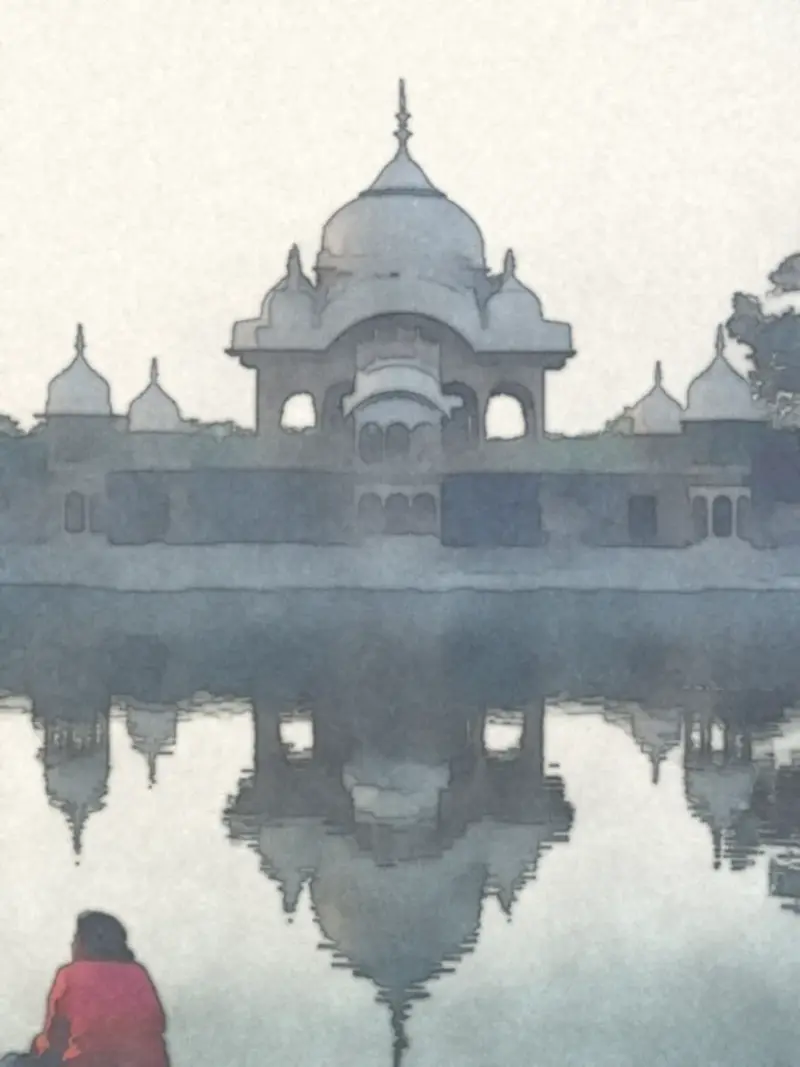
It is said that Gopal, the deity he served at Govardhan, came to him in a dream in the hot season and asked for sandalwood paste to be applied on his body to relieve the heat.
Local tradition
The tradition is linked with Madhavendra Puri, a saint of the Bhakti line who is remembered in the Gaudiya stories. Madhavendra walked a very long way to bring the sandalwood, and the trouble he took lives on in the ritual.
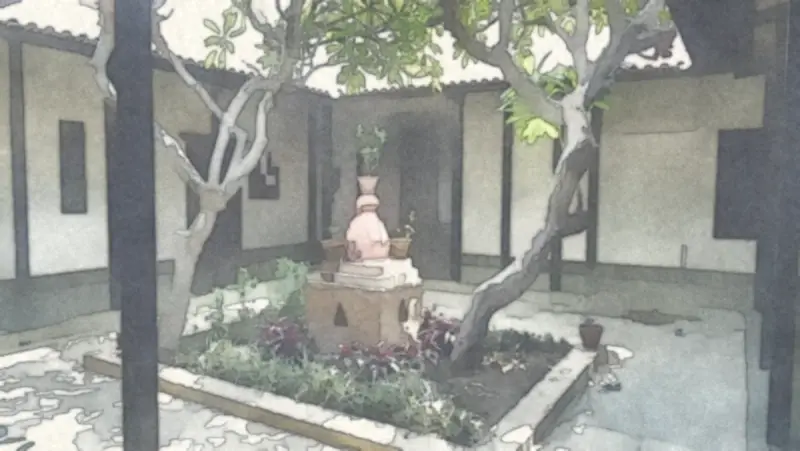
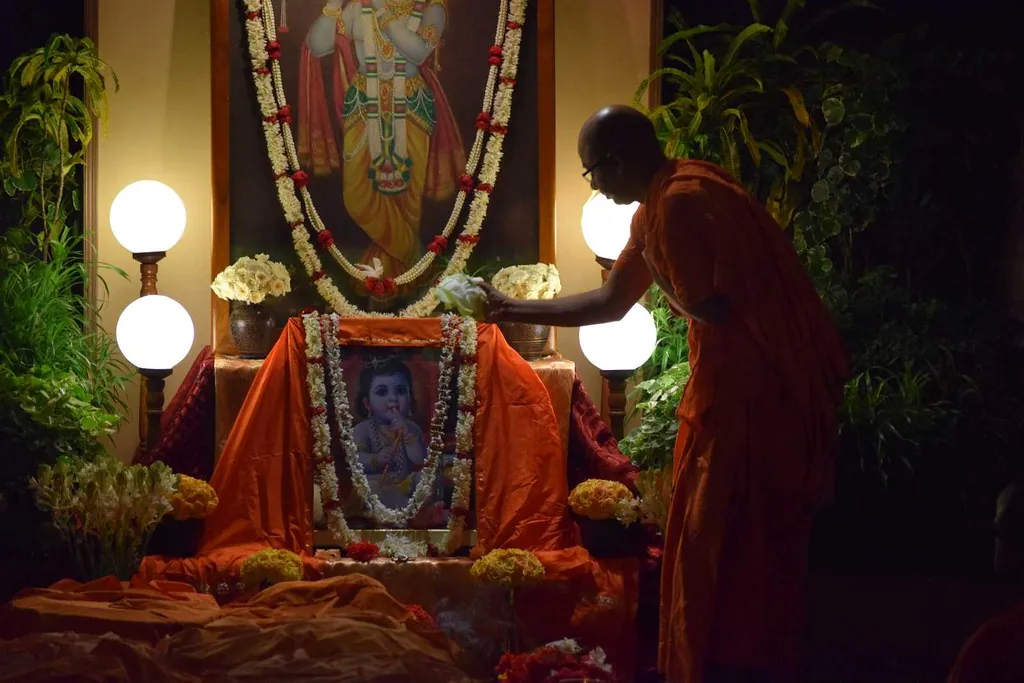
Whether or not you follow the story in its details, the idea is the same in every temple that observes the season: the Lord is a child in the heat of the plain, and his devotees do the work of a family. The thing that stays in the mind is how ordinary the act is. Nobody is asked to perform a miracle. Someone brings water and grinds wood.
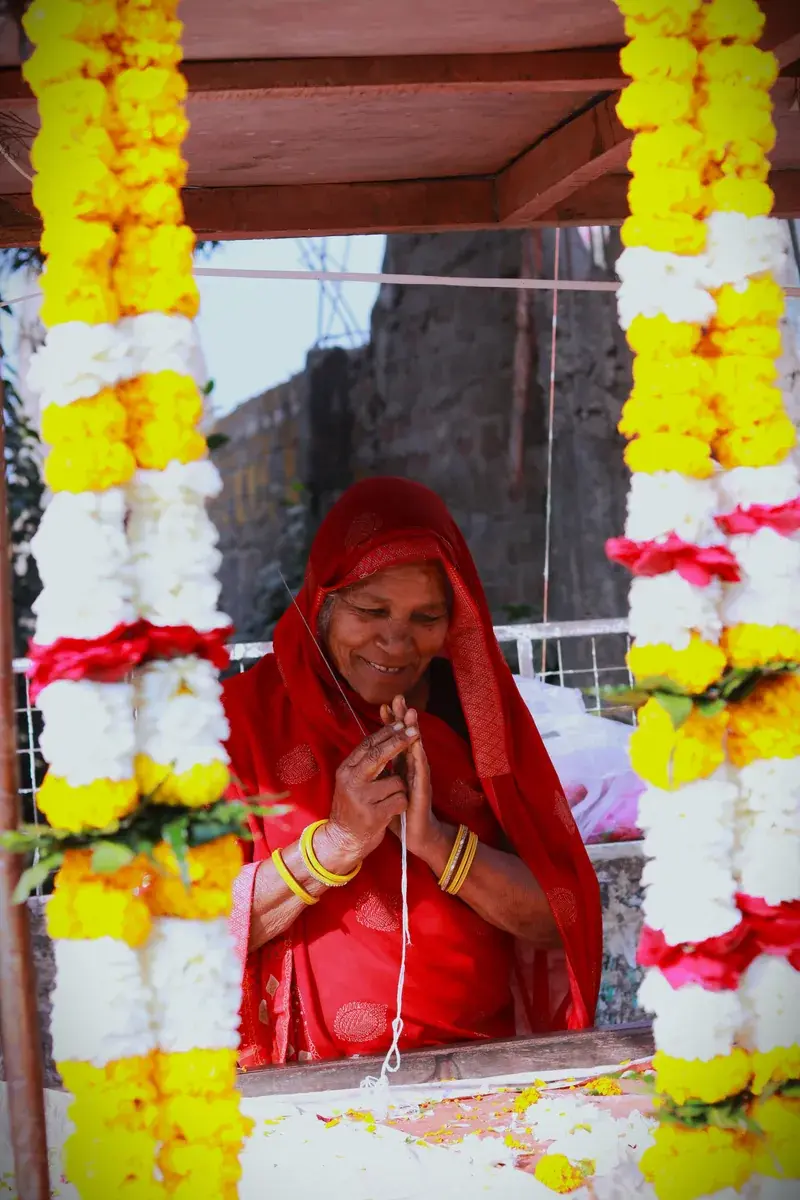
What happens in the temple
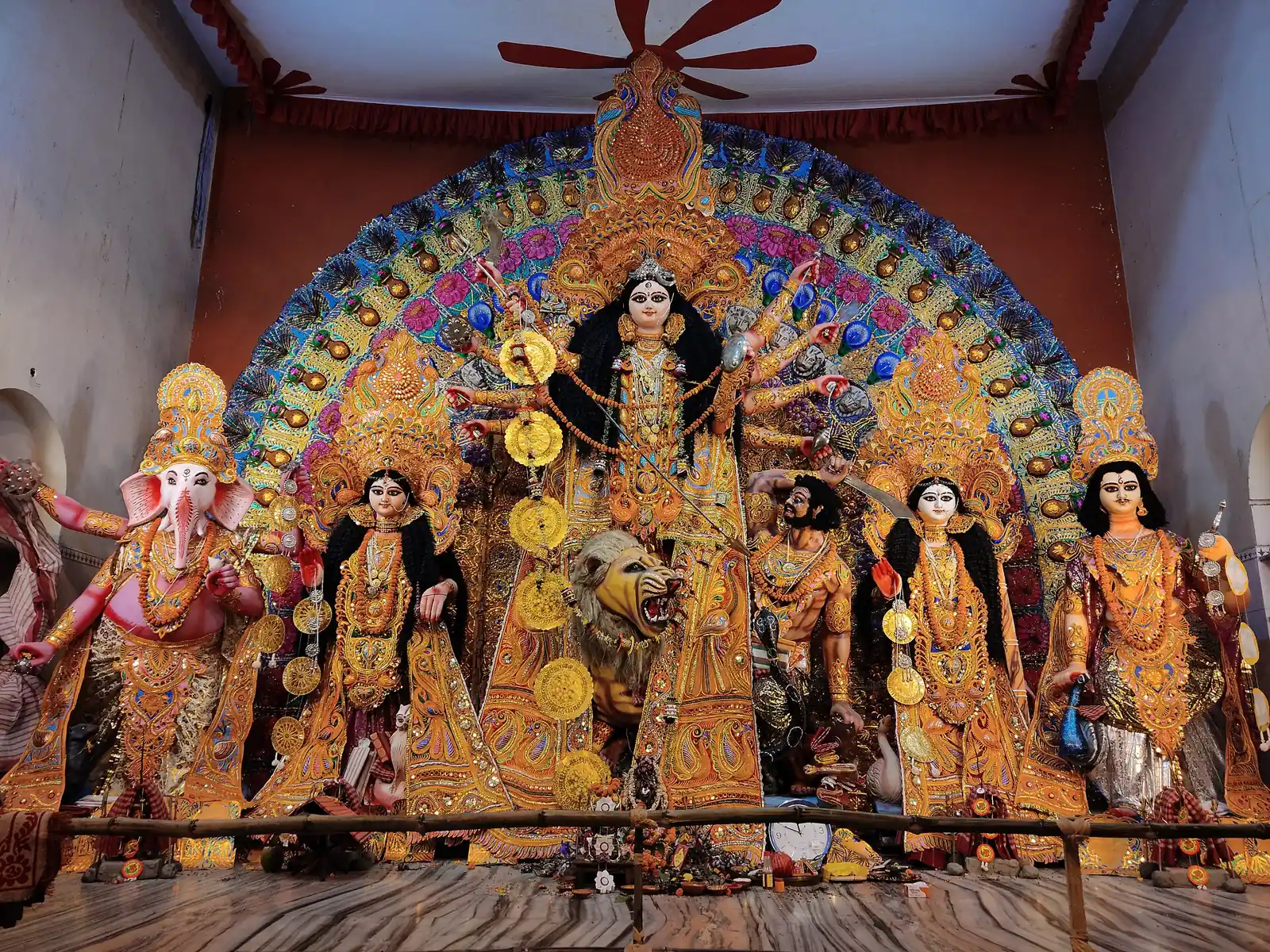
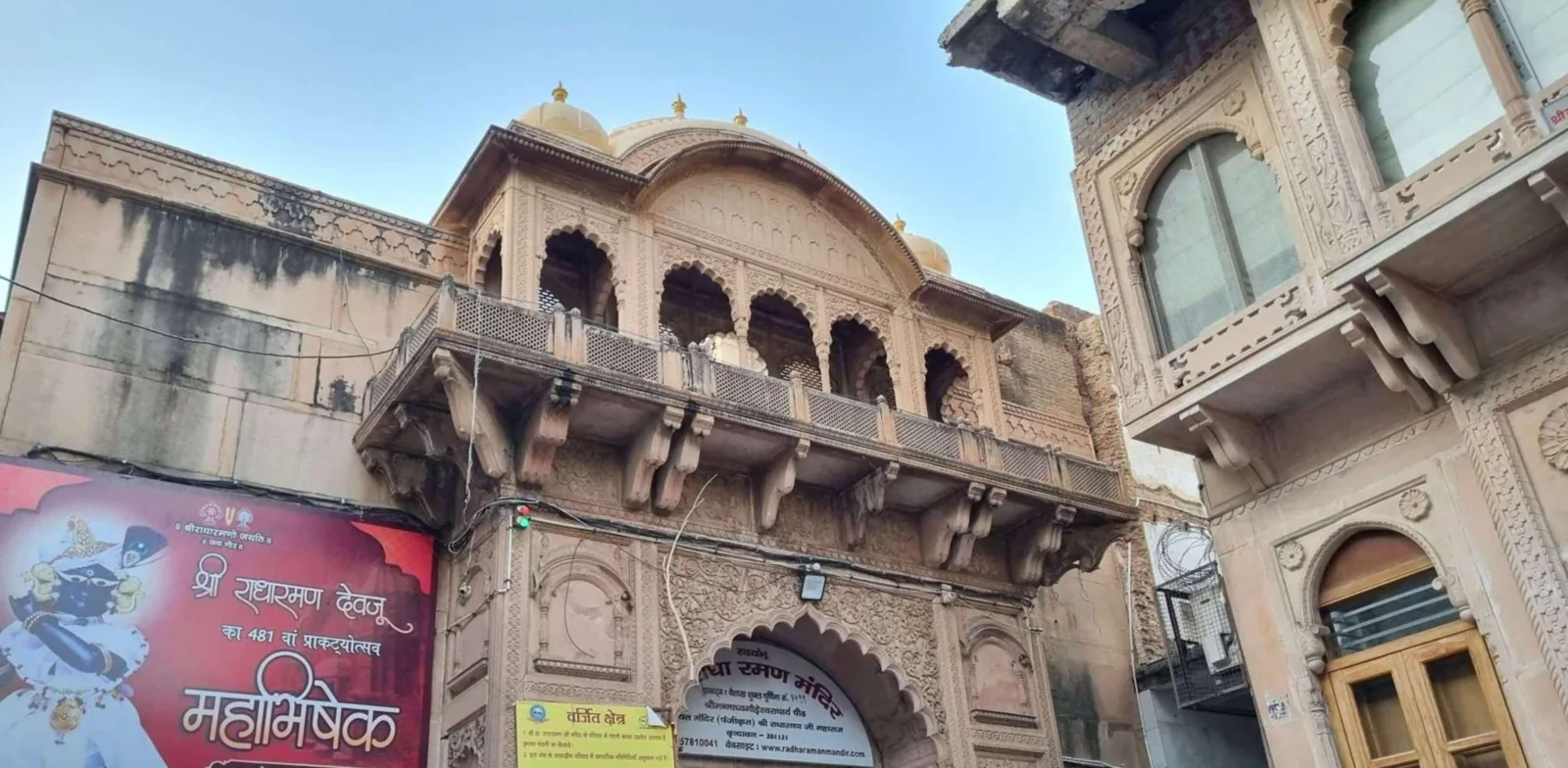
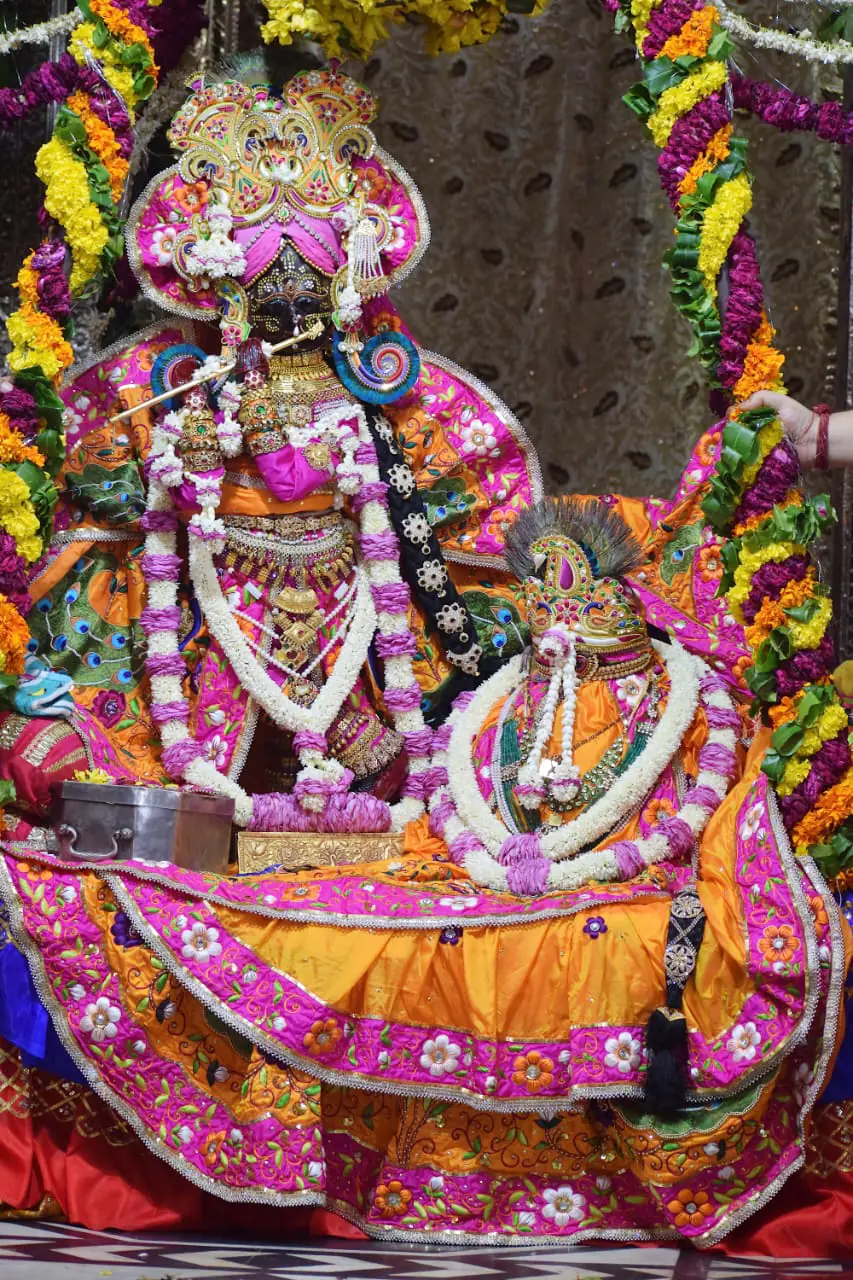
The temples that keep Chandan cover the deity with a layer of paste, often in patterns. A mid-day shringar may be only paste, with a few flowers, and the paste dries as the day goes on so that the deity looks lightly dusted. At Radha Raman, a temple of the Goswami tradition, the Chandan season is the time when the deity is dressed in a garment made from chandan itself, as one account describes it.
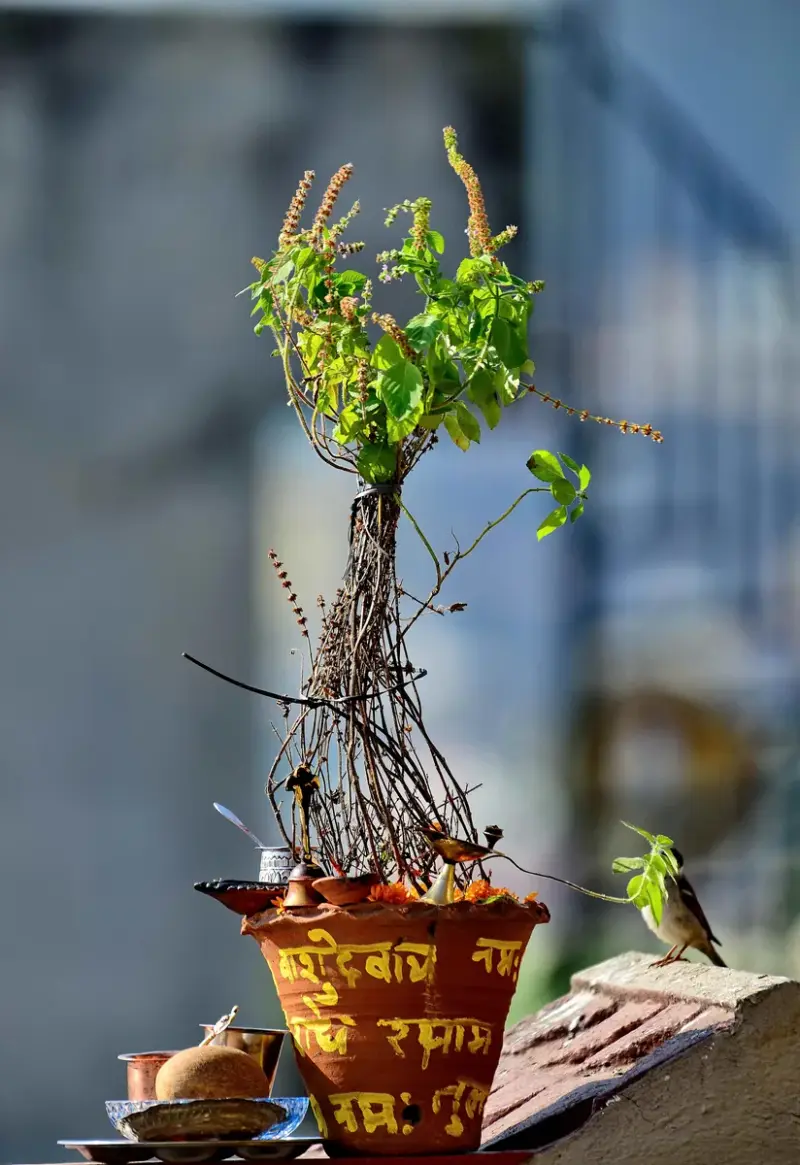
At other temples the sandalwood is applied thickly on the form of Radha Shyamsundar and Damodar, as another account mentions. Some temples decorate the paste with carved lines, while others leave it smooth. Practice differs from house to house, so you should be curious and ask the pujari, instead of expecting every temple to look the same.
Start and end of the season
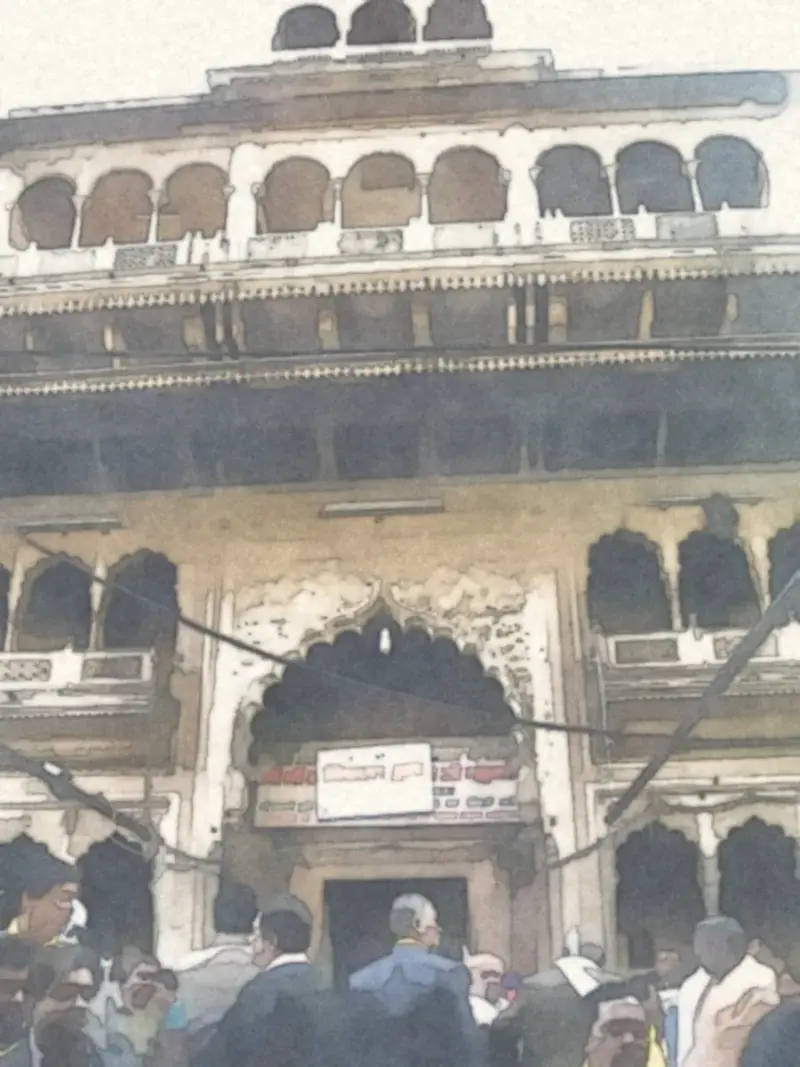
Preparations begin about a week earlier, as the sandalwood is bought and ground and the bowls are made ready. The festival opens on Akshaya Tritiya, the third day of the bright half of Vaishakha, and the accounts speak of twenty one days. Banke Bihari, where the feet of Thakurji are uncovered only on this one day of the year, belongs to the same season, though not every account says the paste is used there.
Because the lunar calendar sets the day, get the exact dates for your year from a Vrindavan temple calendar. A firm closing date was not found in the sources used here, so ask locally.
Cooling the traveller too
There is a gentle logic in following the temples. Sandalwood and water are the oldest cooling things in the Indian summer, and you can use the same wisdom. Drink buttermilk, sherbet and plain water. Eat light, wear cotton, go out only in the early morning and after about four in the afternoon.
Visit the temple at the cool end of the day, and walk instead of taking the lanes by auto where possible. The marble in a courtyard at noon can burn the soles of your feet. Thin socks help on the queue, until the door asks you to remove them.
A morning route in Vrindavan
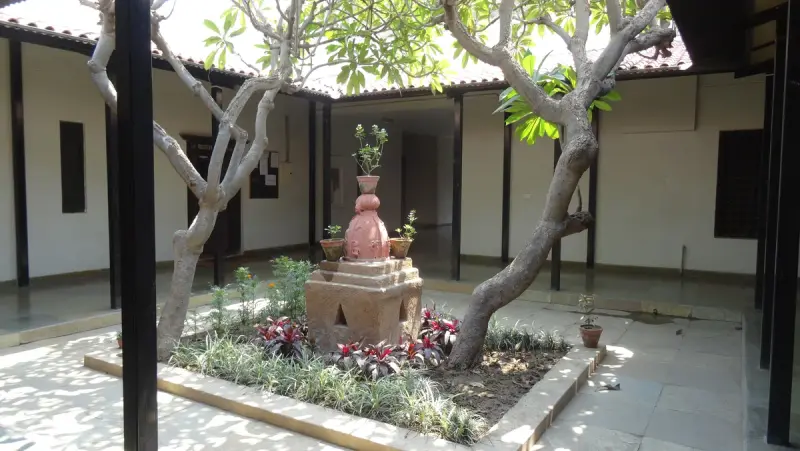
Start at the Radha Raman temple, where the Chandan observance is described in the accounts, and ask the priests at the gate about the day's shringar. From there it is a short walk to Radha Damodar and the old Goswami temples nearby. Rest a while in a shaded courtyard.
If there is time before the heat rises, add the Yamuna at Keshi Ghat and a simple breakfast of kachori or jalebi at a shop near the temple. Return to the hotel before noon, rest, and go out again in the evening for Banke Bihari or the ghats.
Planning it from Delhi
The season falls in the hottest weeks of the year, so the plan matters. Laladham can pick you up in Delhi at the hour that suits the heat, usually very early, and run the complete trip: an air-conditioned cab with a driver who knows the roads in and out of Vrindavan, a room where you can rest in the afternoon, a morning with a guide at the temples, and the drive home after the evening darshan.
If you wish, we can join it with the Phool Bangla evenings at Banke Bihari, or continue to Agra or Jaipur the next day. Tell us your dates and the size of your group on the booking page, and we will build the plan.
Questions, answered
When does Chandan season begin in Vrindavan?
From the day itself, and the accounts say it lasts three weeks. Check dates locally.
Which temples keep it?
Radha Raman and Radha Shyamsundar are mentioned in accounts. Practice differs, so ask the priest at each place.
Is Chandan the same as the Phool Bangla?
No. Chandan is paste for the deity, while the flower house at Banke Bihari is a structure in the temple hall. The two seasons overlap.
Is it too hot to visit?
It is hot, but dawn and late afternoon are comfortable enough if you plan around them.