Then, on a morning in early autumn, the radio plays the Mahalaya recitation of the Chandi, and people who have not been up at four since last year are up at four. This is the sign. The goddess is coming home.
Durga Puja in Kolkata was added to UNESCO's list of the intangible cultural heritage of humanity in 2021, and its scale is difficult to describe. In 2026 sources put the main days between Maha Shashthi on 17 October and Bijoya Dashami on 21 October, with Mahalaya on 10 October. Panchangs can differ by a day, so confirm with your local almanac.
The story told in Bengal
The goddess Durga, so the story goes, was created by the gods out of their combined energy to defeat the buffalo demon Mahishasura, whom no god could slay. She rode a lion, carried the weapons the gods had lent her, and fought for nine days before killing him on the tenth.
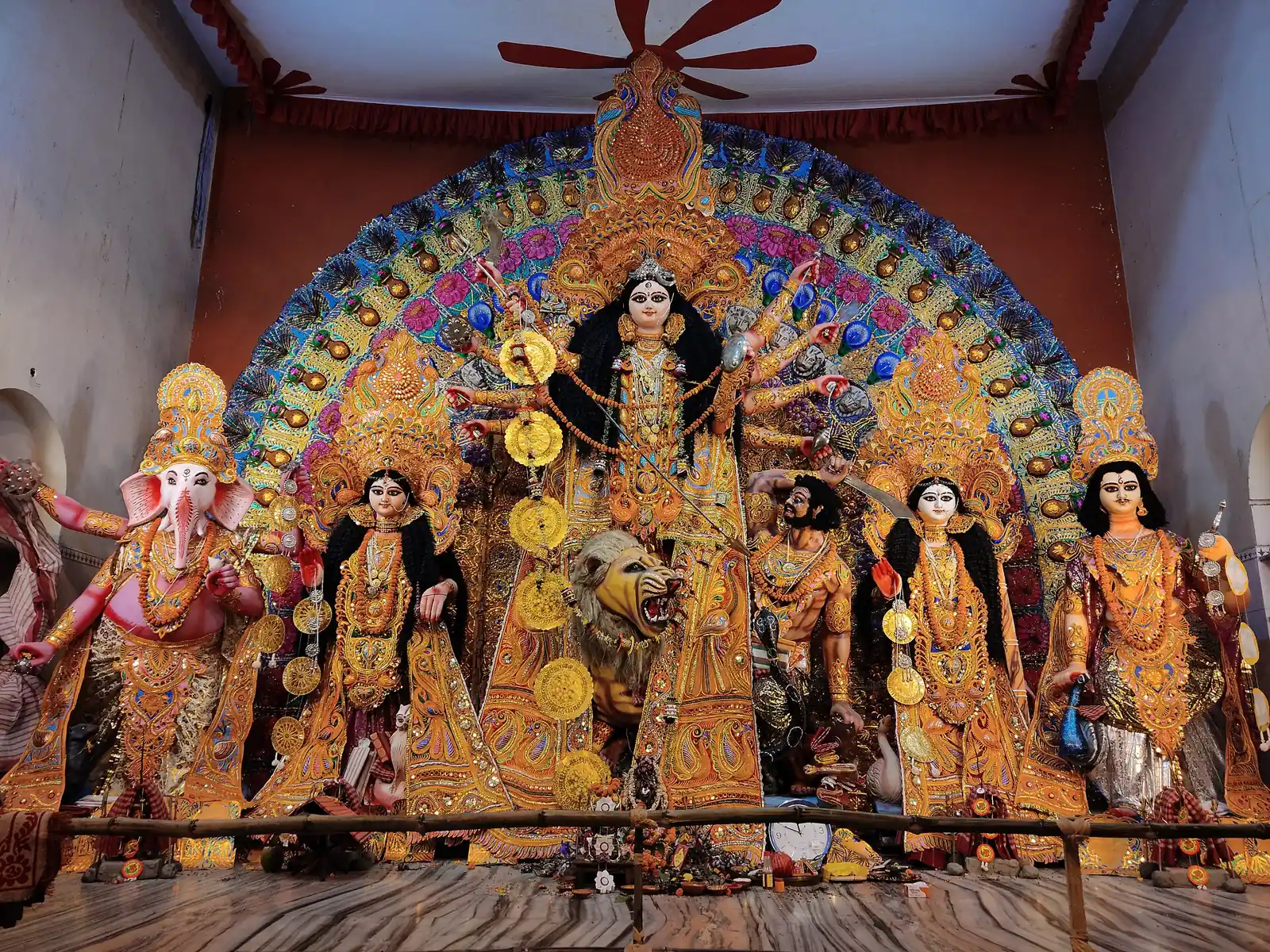
Bengal also tells another, softer story, in which Durga is the daughter of the Himalaya who has married Shiva and comes home to her parents for four days a year, with her children Lakshmi, Saraswati, Kartik and Ganesha. That is why the greetings sound like welcomes and farewells to a daughter, and why people weep on the last day.
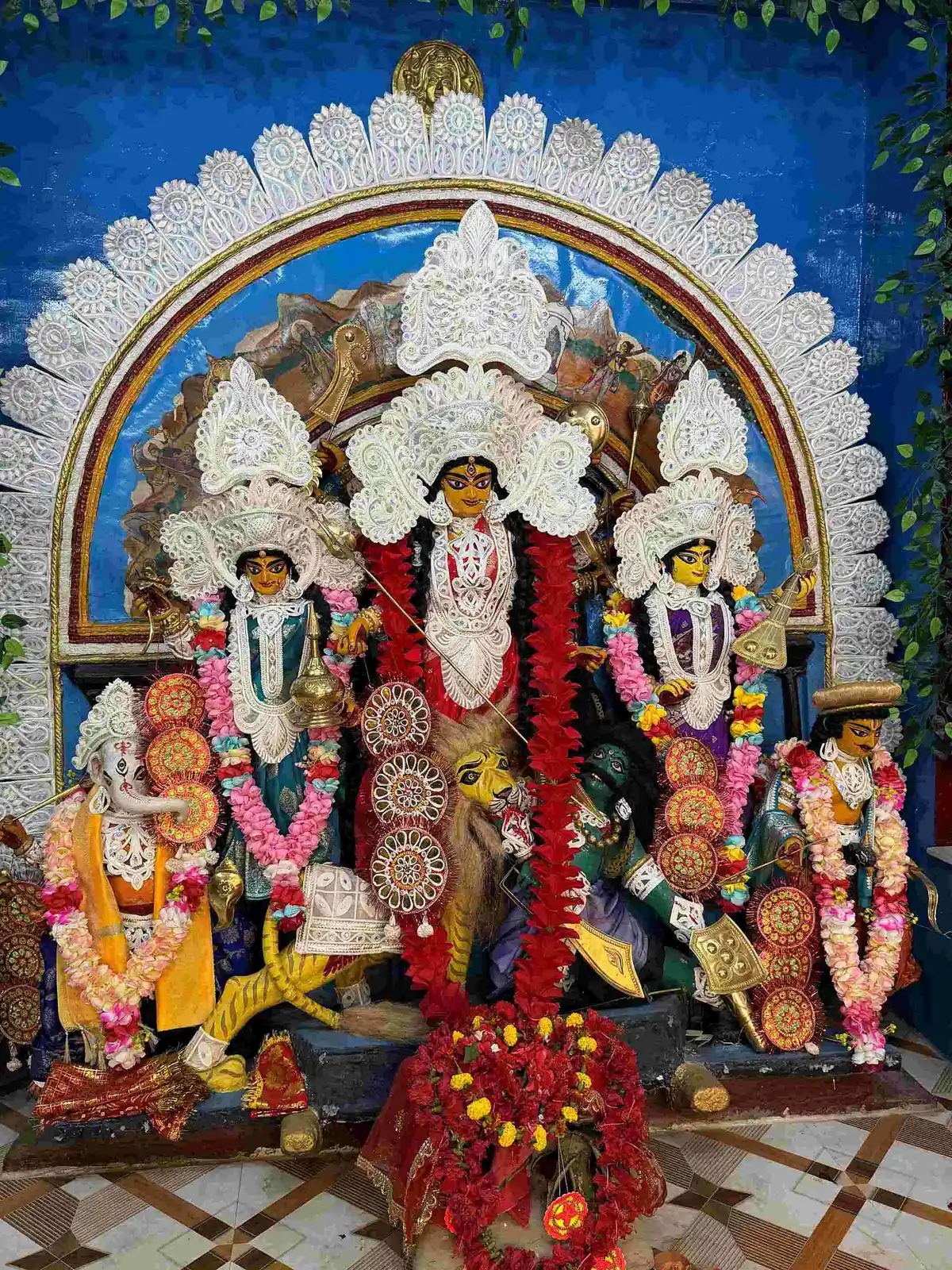
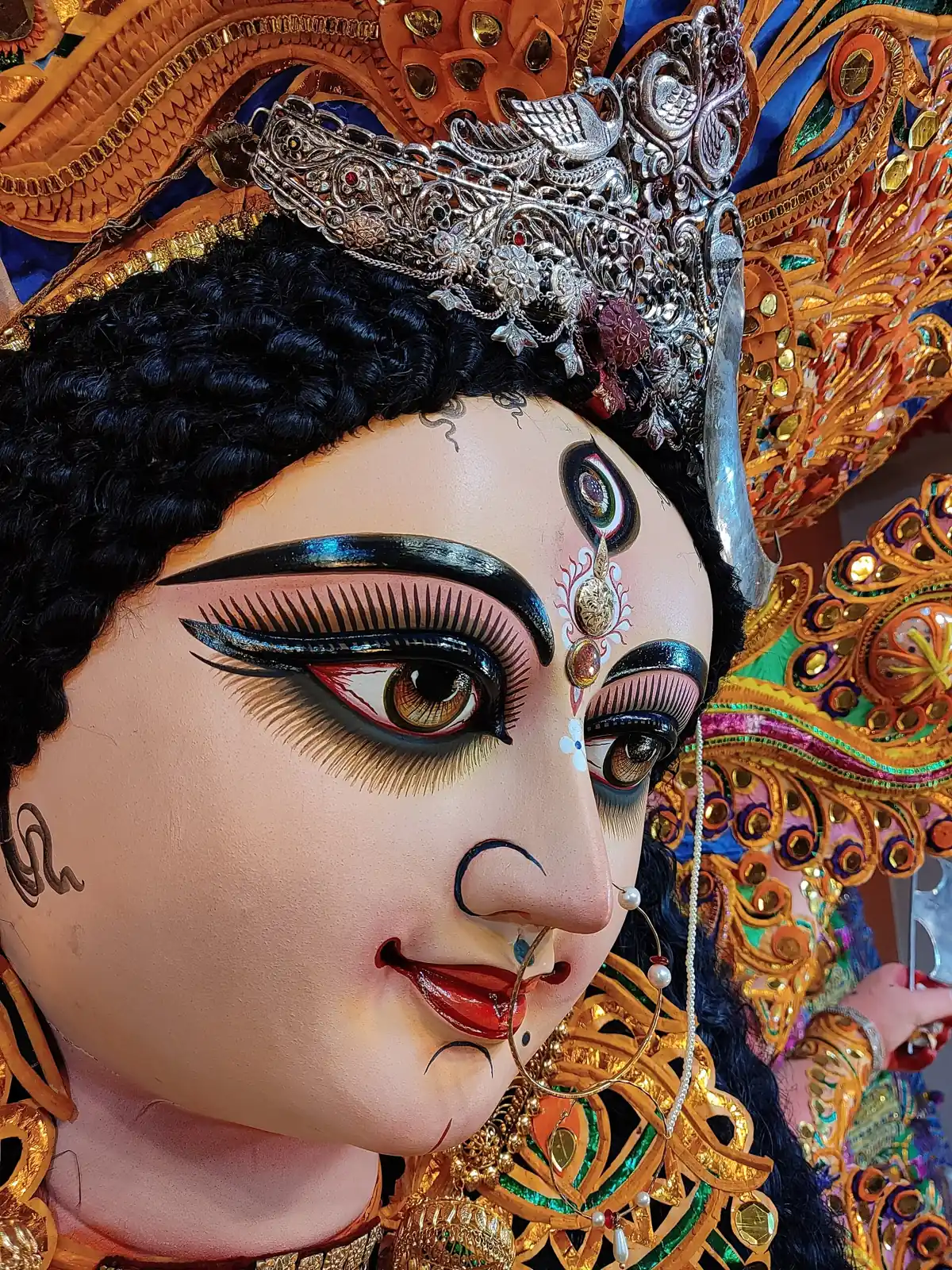
Both stories live side by side in the idol, which shows the goddess slaying the demon but with a calm face, surrounded by her children.
Kumartuli, Mahalaya and the painting of the eyes
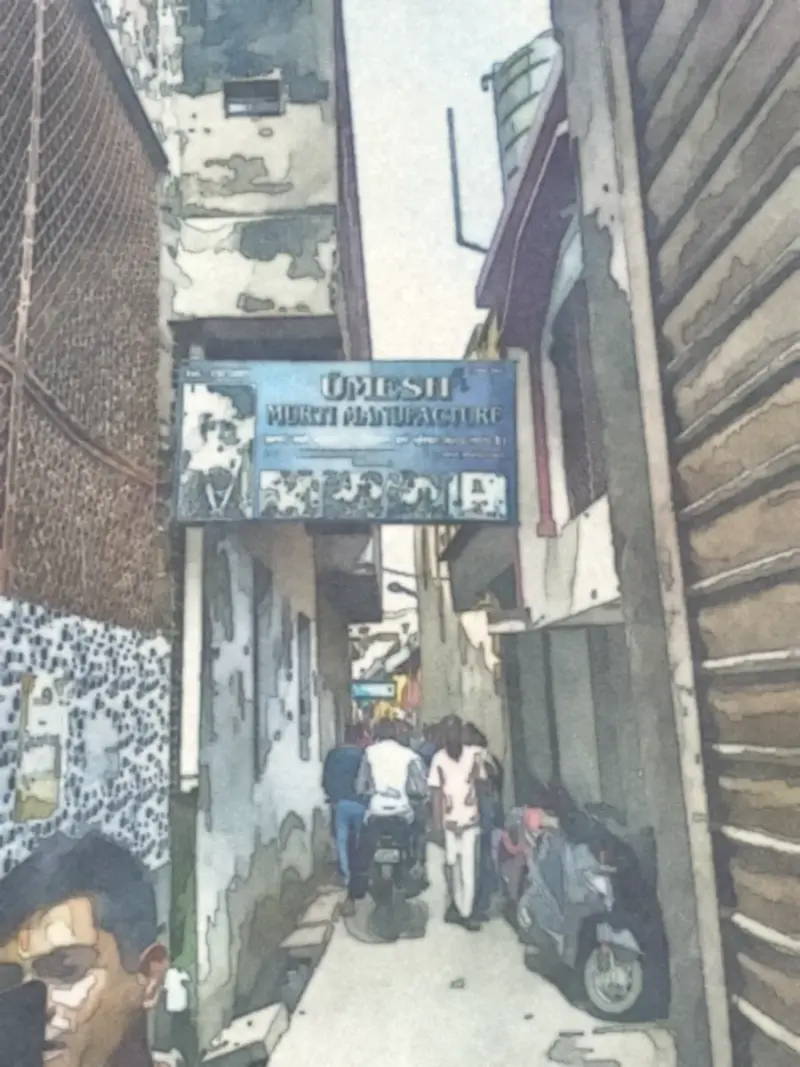
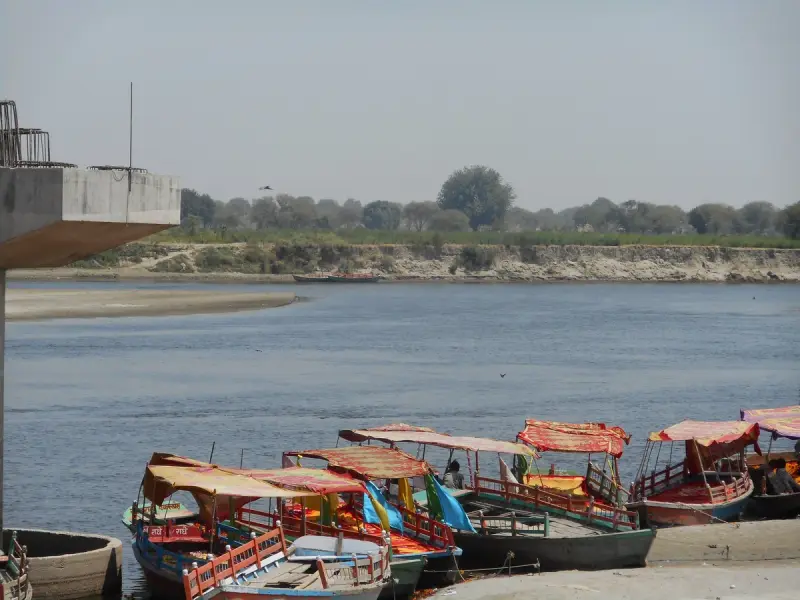
Kumartuli is the old potters' quarter on the banks of the Hooghly. Its idol makers use clay from the river and a frame of straw and bamboo, and they have shaped figures this way for generations. Visitors can walk the lanes in the weeks before the festival, though the artisans are busy and photographs should be taken with permission.
On Mahalaya, the day that marks the beginning of the festive fortnight, the eyes of the idol are painted in a ritual called chokkhu daan. Until that moment, the figure is a model. After it, it is the goddess.
The five days, in order
Shashthi is the evening of arrival. The face of the idol is uncovered and the drummers play their first long rhythm. On Saptami, a banana plant dressed in a sari, called Kola Bou, is bathed and placed beside Ganesha, and the idol is considered to be fully alive.
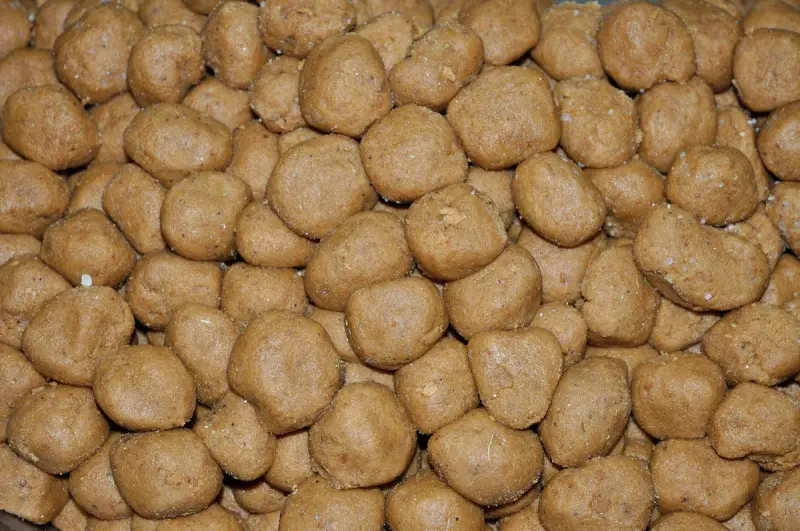
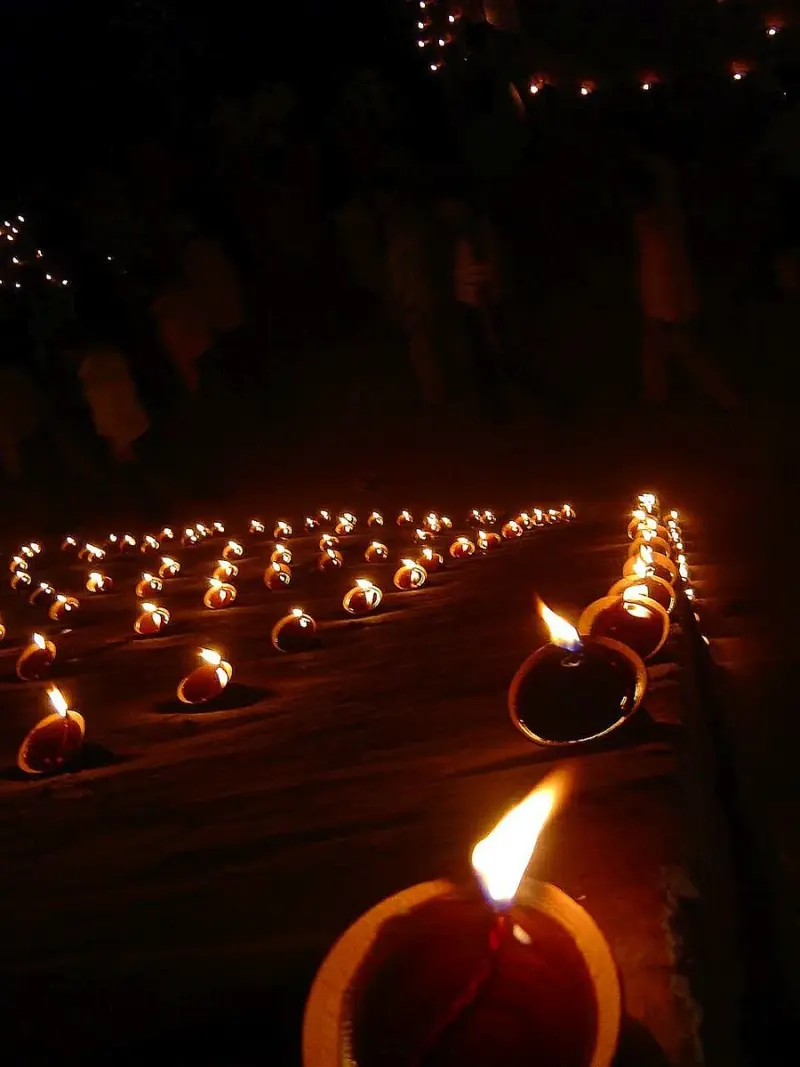
Ashtami is the great day. In the morning people crowd into the pandals for anjali, flowers offered with folded hands, usually in new clothes and often on an empty stomach. At the turn between Ashtami and Navami, a special ritual called Sandhi Puja is held, and 108 lamps are lit. Navami is feasting. Bhog, the offering of the day, is typically a khichuri of rice and lentils with mixed vegetable, a chutney and a sweet, and it is eaten by thousands sitting in rows.
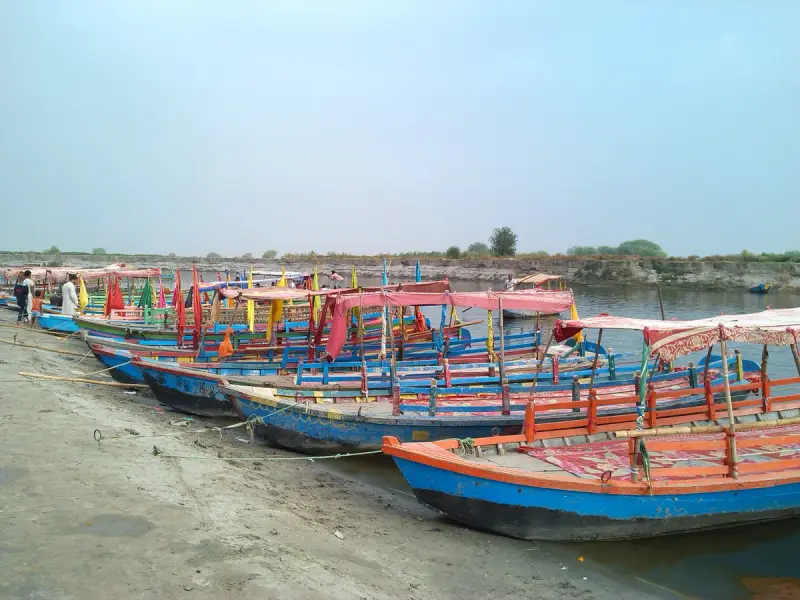
Dashami is the farewell. Married women put vermilion on the goddess's face and on one another in Sindur Khela. Then the idol is lifted onto a truck and taken to the river or a pond, amid drums, for immersion, which is called bhasan.
Pandal hopping without losing your day
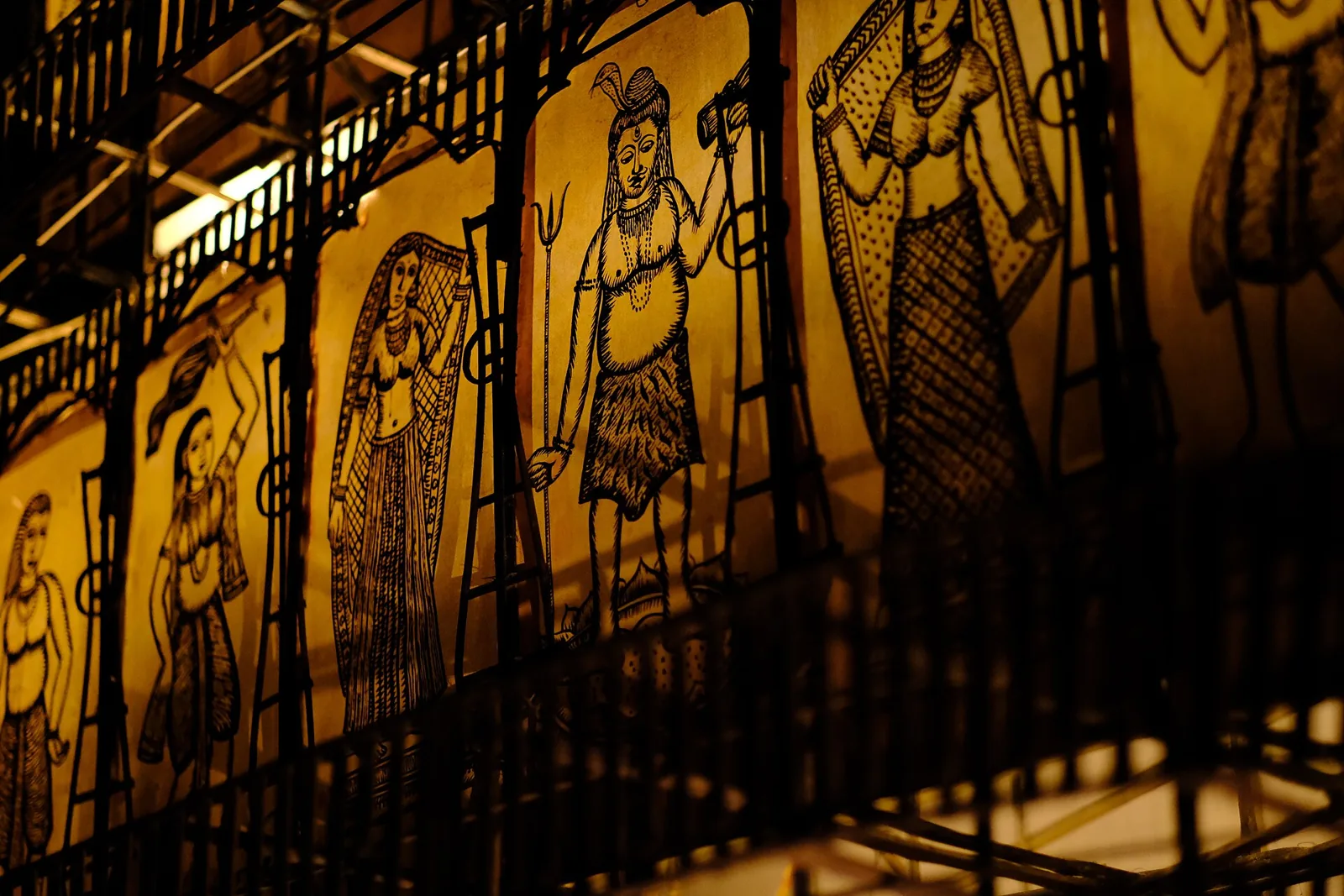
Kolkata has thousands of pandals. People do not so much visit one as move through a succession of them, from a famous one to a tiny lane puja to a cup of tea and onward. The big ones, with themes drawn from art, history or the news, are known for their craftsmanship, with sets built of bamboo, cloth, clay, jute or tin.
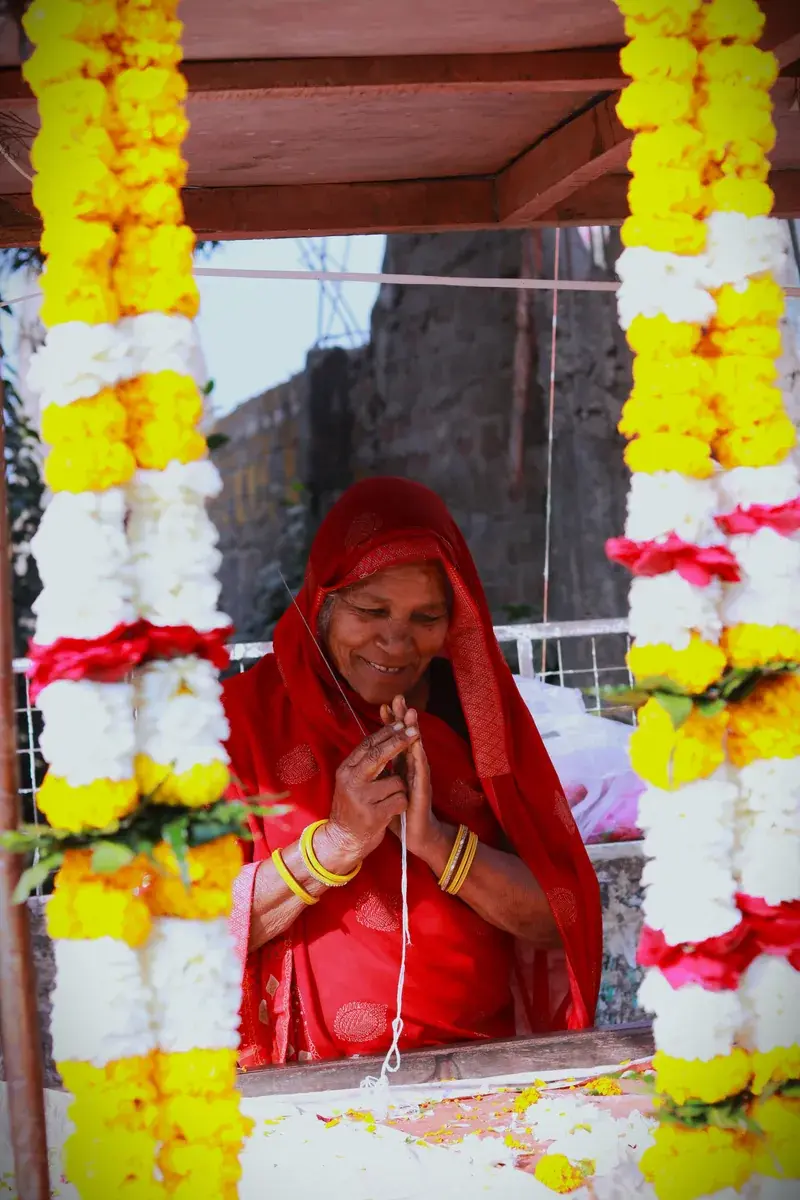
The best tip given by locals is to go on weekday mornings and then on the late night after dinner, when the queues have thinned. In the evenings of Saptami to Navami, expect long queues and road closures, so the metro is often the simplest way to move. Authorities have announced extended night services in some years, so check the metro's schedule for the days you travel.
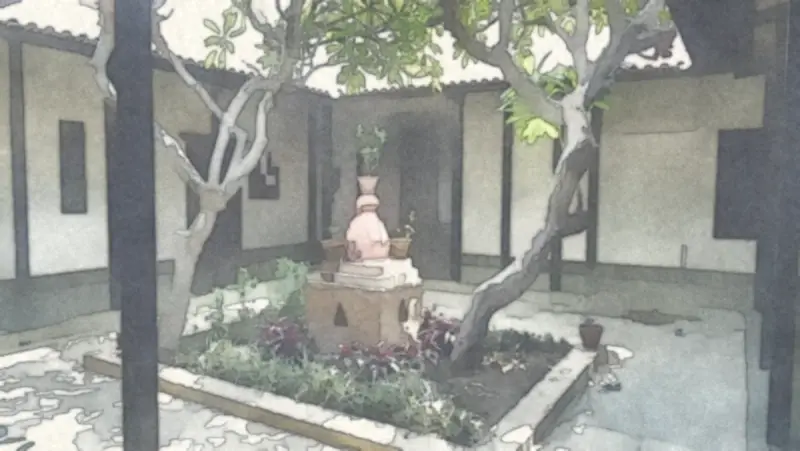
North Kolkata has the older family pujas, often held in old mansions with a columned courtyard, which give a feeling very different from the big, themed pandals of the south.
Wear shoes that can be removed in two seconds, with socks in your bag
Carry little cash and a power bank, and keep a copy of your hotel name in Bengali
Eat the roll, the phuchka and the kathi at the roadside stalls, and keep to the busiest ones
Dhunuchi and dhak
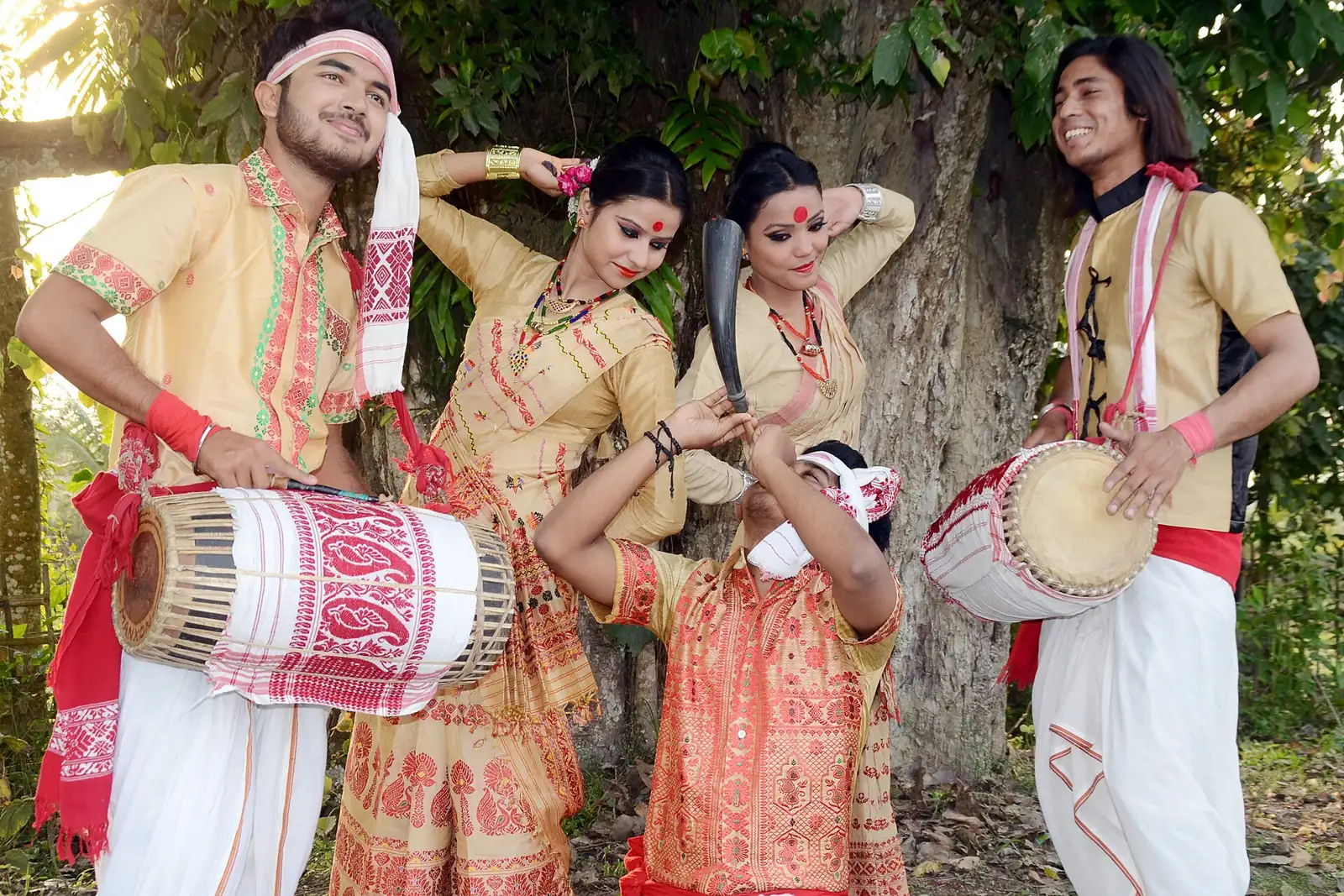
What you hear everywhere is the dhak, a tall drum worn at the hip and played with two sticks, with a rhythm that has a different pattern for each part of the ritual. During the evening aarti the dhunuchi dance begins, with dancers holding a clay burner full of smoking coconut husk and incense in each hand, and sometimes in their teeth.
You can watch, and many pandals hold dhunuchi competitions. If you would like to try, ask permission first, and be ready to be corrected by a ten year old.
Planning the trip from Delhi
Kolkata is a long distance from Delhi, and in the days of Durga Puja everything around it is full: trains, flights, hotels and cabs. Book rooms in the north or central part of the city as early as you can, and plan a few spare hours in each day for the road closures.
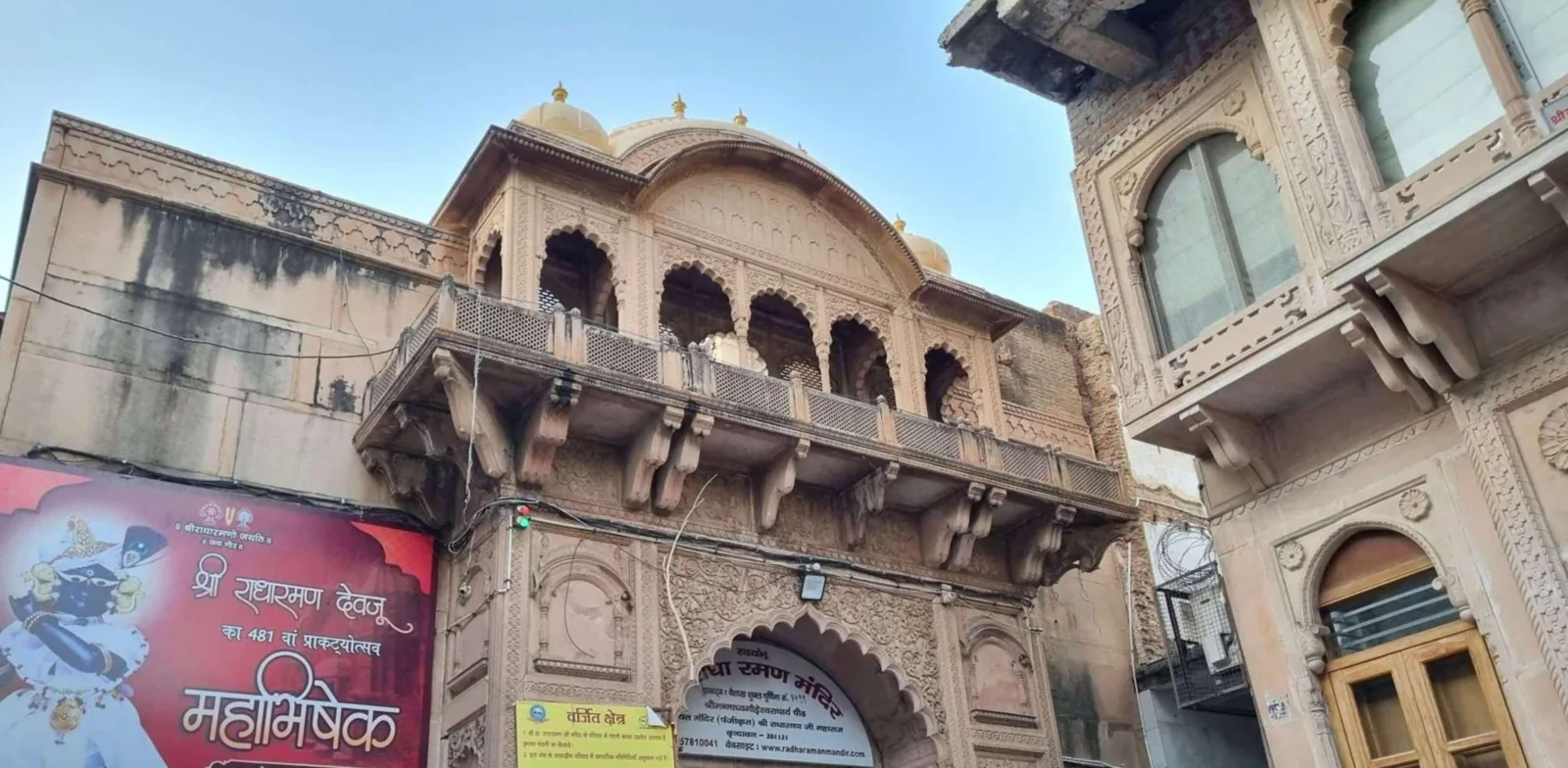
Laladham can pick you up in Delhi and run the whole trip: the travel to Kolkata, a stay at the right distance from the pandals, a guide for the potters' lanes and the old family pujas, a driver who knows the closures, and, if you want, a continuation to Darjeeling, the Sundarbans or Shantiniketan. We can also fit a stop in Mathura and Vrindavan on the way back. Ask for a quote from the booking page, with your dates and the number of travellers.
Questions, answered
When is Durga Puja in 2026?
Roughly 17 to 21 October, from Shashthi to Dashami, with the Mahalaya recitation a week earlier. Exact tithi times come from a Bengali almanac.
Is it safe for women and families to go pandal hopping?
Many families do it every year. Go in a group, keep to the main lit routes late at night and avoid the peak crowds on Ashtami and Navami evenings.
What is Sindur Khela?
A Dashami ritual in which married women apply vermilion to the idol's face and to each other before the idol is taken for immersion.
Can non Bengalis join in?
Yes. Pandals are open and most are free, and the bhog and the evening aarti welcome all.