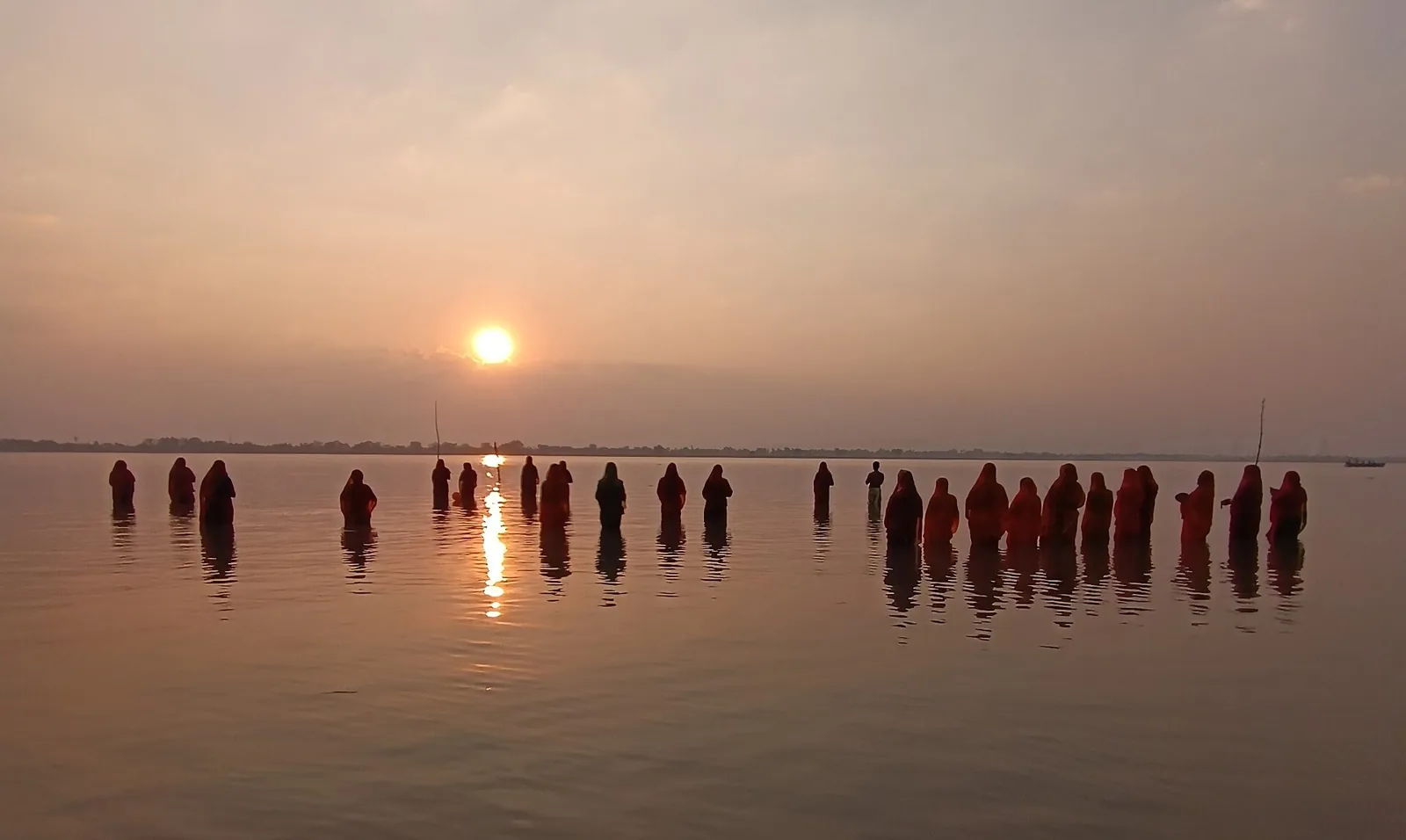
This is Chhath. It is said to be among the oldest sun festivals still kept in India, and it belongs first to Bihar, Jharkhand and the eastern districts of Uttar Pradesh, from where families carried it to Delhi, Mumbai, Kolkata and across the sea. It asks for no priest at the water and no idol. There is the river, the sun, and a person standing in between.
If you have only seen it in photographs, the four days make more sense when taken one at a time. Dates below are for 2026, but confirm them against a local panchang before you travel.
Who is being worshipped
Two figures share the prayer: Surya, the sun, and Chhathi Maiya, who is also called Usha in the tradition and is understood as the sun's consort or sister, depending on who is telling it. Surya is thanked for light and life on earth. Chhathi Maiya is the mother who guards children, and many vratins keep the fast for the health of their sons and daughters.
The name comes from chhath, the sixth, because the main day falls on the sixth day of the bright half of Kartik. In 2026 sources agree on the sunset offering being on Sunday 15 November, with the sunrise offering on Monday 16 November.
Old stories attach themselves to the day. Karna, the son of Surya in the Mahabharata, is remembered as a devoted sun worshipper who stood in the water at dawn. Draupadi is said to have kept the fast. A Ramayana tradition says Sita did it on the Ganga after the return to Ayodhya. These are the kind of tales told at the ghat, not fixed rules, and every family keeps its own.
Day one: nahay khay, the washing and the first meal
The vratin, often a woman but sometimes a man, bathes in a river or pond, brings home a pot of the river water, and cleans the kitchen so thoroughly that nothing else may touch it afterwards. She eats once that day: rice, chana dal and lauki cooked together, a plain meal that families call kaddu bhaat. It is cooked on mud or brick stoves, fed by mango wood or sometimes dried dung cakes, never on gas.
From now the house keeps a different rhythm. No onion, no garlic, no meat, no eggs, and often no one in the family eating before the vratin has. In 2026 this day is on Friday 13 November.
Day two: kharna and the sweetest kheer of the year
On kharna the vratin fasts the whole day, even from water. At dusk she worships the sun and moon with a meal that has been cooked in the same clean way: kheer made with jaggery rather than sugar, rotis, and bananas. Only after she eats is the prasad shared with neighbours who come, quietly, one by one.
Those who have grown up in Bihar describe the smell of this kheer, jaggery and rice on a wood fire, as the smell of Chhath itself. The 36 hour waterless fast starts as soon as this meal ends. In 2026, kharna is on Saturday 14 November.
Day three: sandhya arghya at the water
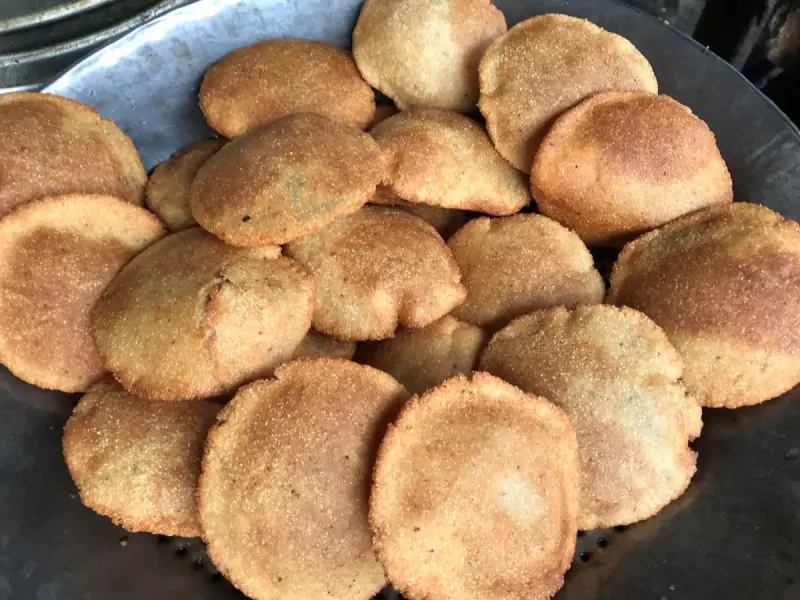
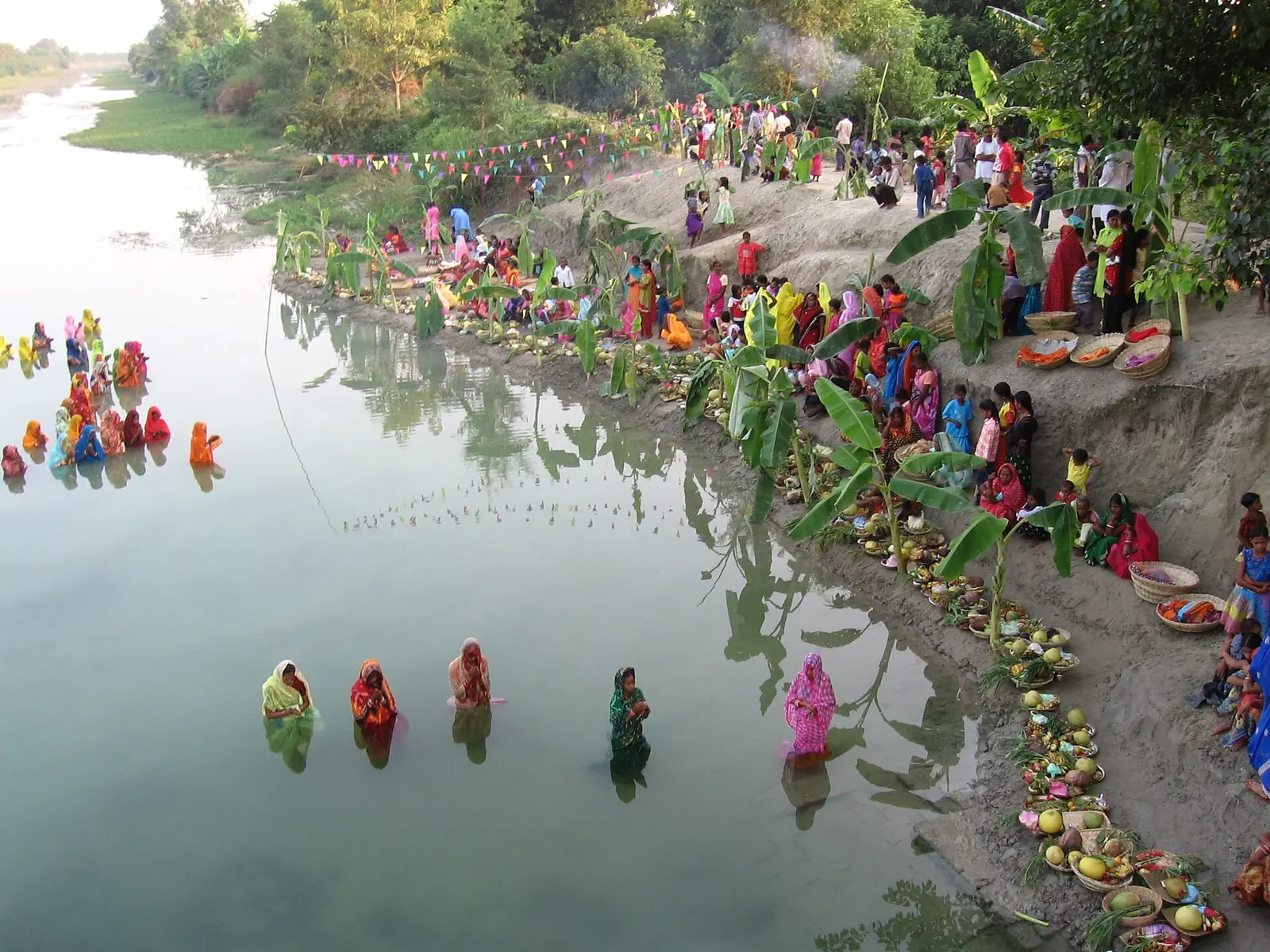
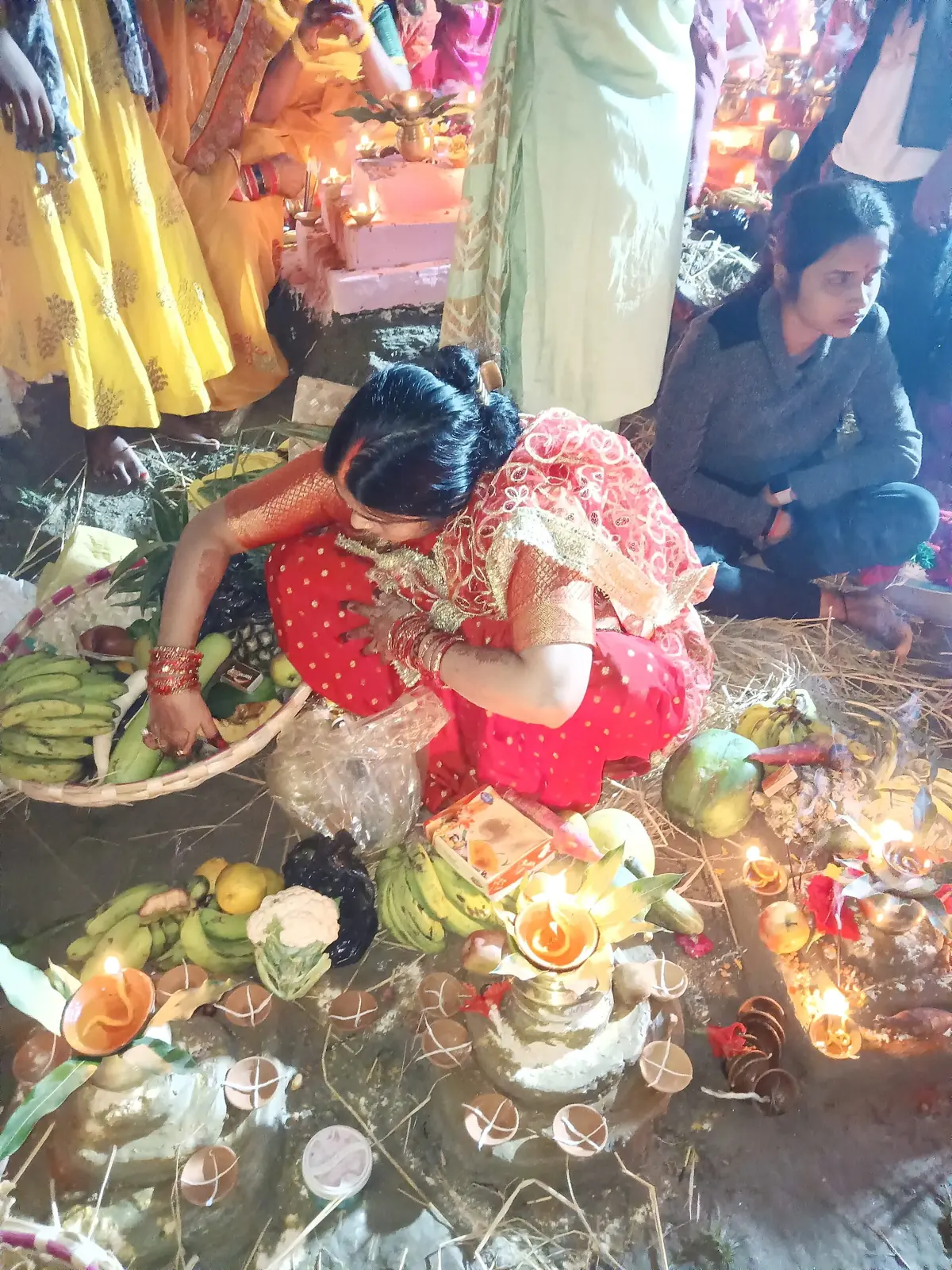
In the afternoon the family goes to the ghat. Men often carry the bamboo baskets on their heads, bare feet on the road. The baskets are called daura, and on them rest the offerings: thekua, a hard fried sweet of wheat, jaggery and ghee; coconuts; sugarcane stalks that arch over the group; bananas; and the fruits of the season, among them large lemons, pomelo and singhara.
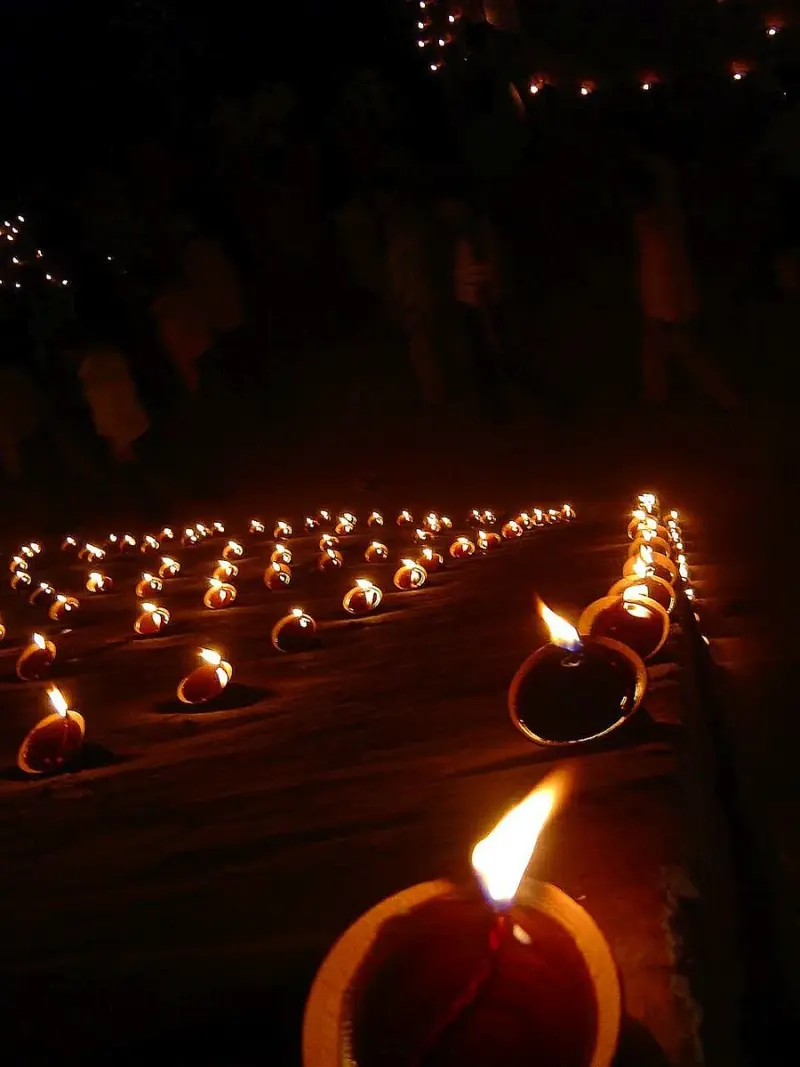
The vratin enters the water up to her waist or chest, holds a soop, a winnowing tray, with the offerings in her hands, and when the sun is about to set the family pours milk and water as arghya while she stays turned to the sun. Small lamps are lit on the bank. Women sing Chhath songs in Bhojpuri, Maithili and Magahi, which are as much a part of the day as the fast. The 2026 date is Sunday 15 November.
In Patna, the Ganga ghats fill from the afternoon, with a few of the best known ones along the old city and the Gandhi Ghat stretch. If you are going, ask your hotel which ones the district administration has opened for the festival.
Day four: usha arghya, the morning offering and the end of the fast
The family returns before dawn, sometimes after sleeping on the ground at home. They stand in the dark water until the first light, and then give arghya again. The sunrise offering ends the 36 hour fast. The vratin drinks water, takes a bit of prasad, and the whole ghat breaks into talk and laughter after the long stillness of the fast.
Prasad is handed out freely to anyone who asks. If a vratin offers you thekua, accept it with both hands. It is treated as blessed, and refusing it would hurt.
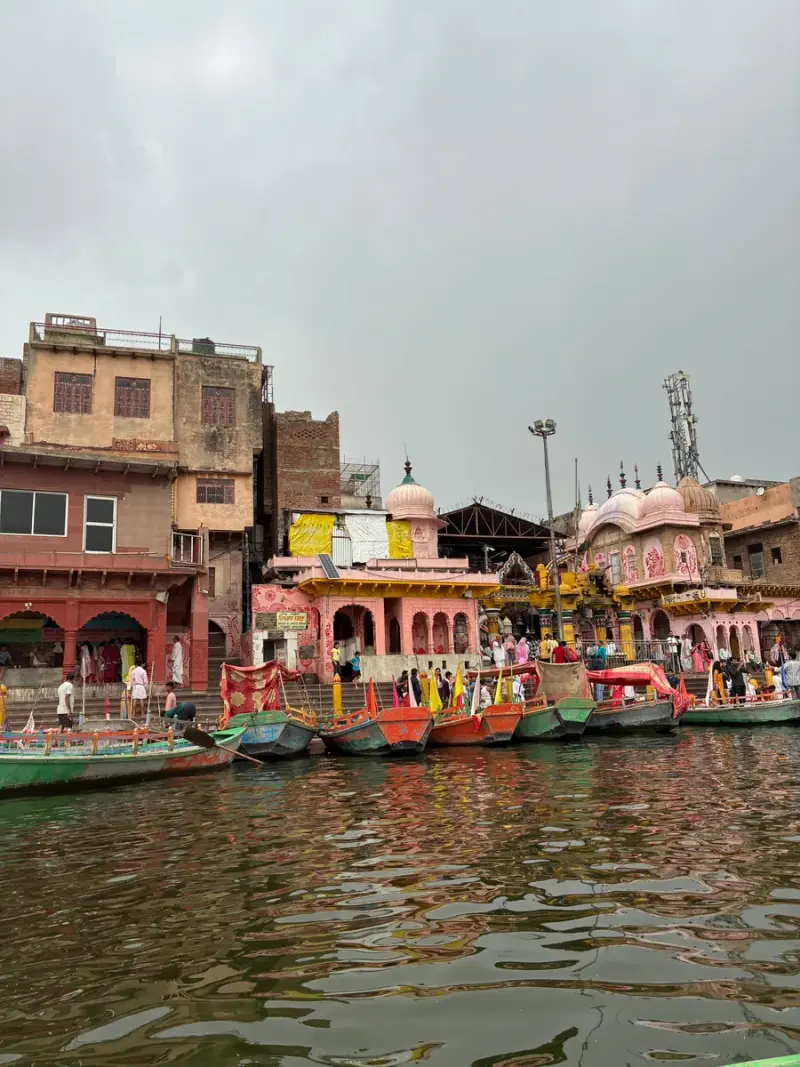
How to be a good guest at a ghat
Arrive before sunset, not at it. The path to the water is crowded and the best viewing spots are the high steps, where you stand out of the way.
Do not walk between the vratin and the sun, and do not put a camera into a woman's face while she is in the water. Wide shots from the bank are accepted by most; ask before taking portraits.
Do not touch the baskets. Even an accidental brush may mean the offering has to be set aside. Wear modest clothes and keep shoes off the clean ground near the stoves.
Expect cold water and cold air. November mornings in the Gangetic plain are chilly, and many families stay in wet clothes for a long time. A shawl, tea in a flask and a dry pair of socks are useful if you are standing there too.
Planning the trip from Delhi
Chhath is about being in a place where it truly is kept: Patna, Gaya, Arrah, Muzaffarpur and the Ganga ghats, or the Yamuna at Delhi where Purvanchal families gather in great numbers. Trains to Bihar are full in the days before, so reserve early, and keep the weekend before as a buffer.
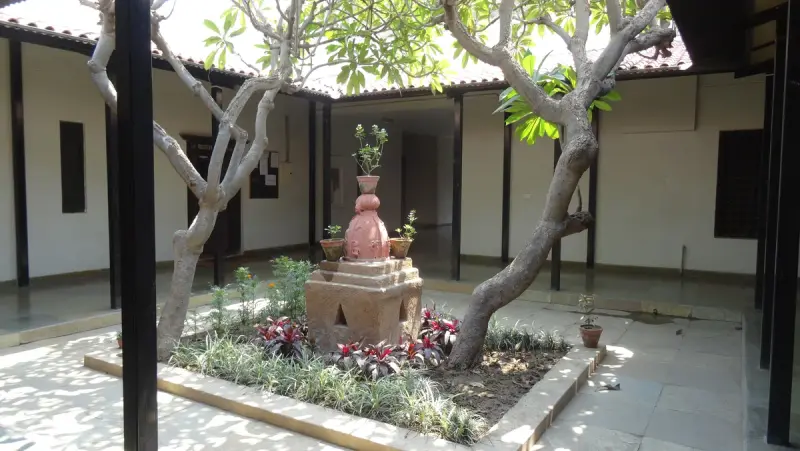
Laladham can pick you up in Delhi and run the entire trip: a cab or a seat on a train with a pickup at your door, a stay near the ghat, a local guide who knows which ghat is open, and the way back with fruit and prasad packed safely. If you also want Mathura and Vrindavan on the way, we can add them. Tell us how many of you are going and which days, and ask for a quote from the booking page.
Questions, answered
Is Chhath only for women?
No. Women are the most visible vratins, but men keep the fast too, and the whole family and neighbourhood take part in the work around it.
Can outsiders attend a Chhath ghat?
Yes, as respectful observers. Keep your distance from the vratins and the baskets, dress simply, and follow the lead of locals around you.
What is thekua?
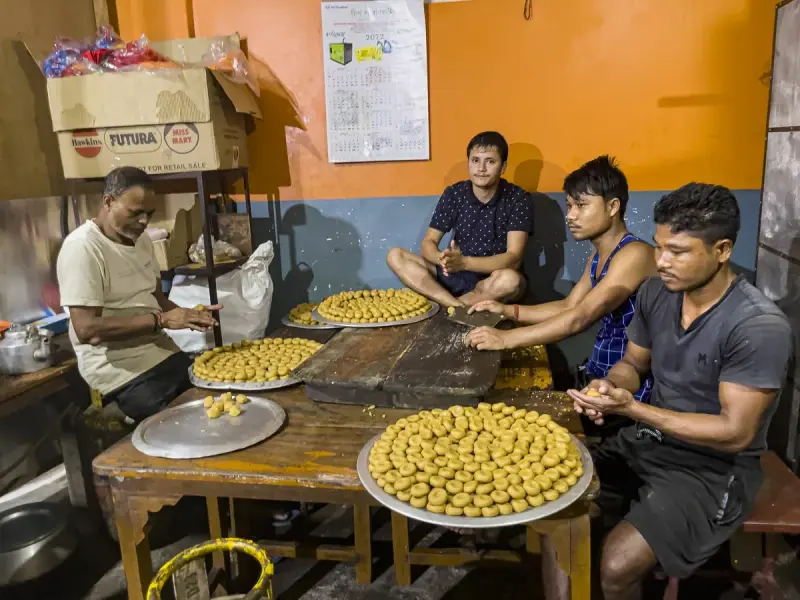
A hard, dry sweet made of wheat flour, jaggery and ghee, deep fried and often pressed with a wooden mould. It is the signature prasad of the festival.
Why is the fast kept without water?
The vow is a 36 hour nirjala fast, from the kharna meal till sunrise on the fourth day. Families describe it as a discipline of gratitude to the sun, and the vratin is usually supported by the whole household.