What follows is the logistics layer: how the legs fall, where the walking starts, what you must register, when the gates are open and what the mountain asks you to carry. For a day by day plan with sights, our Char Dham itinerary page covers that.
Why Haridwar, and what the day before looks like
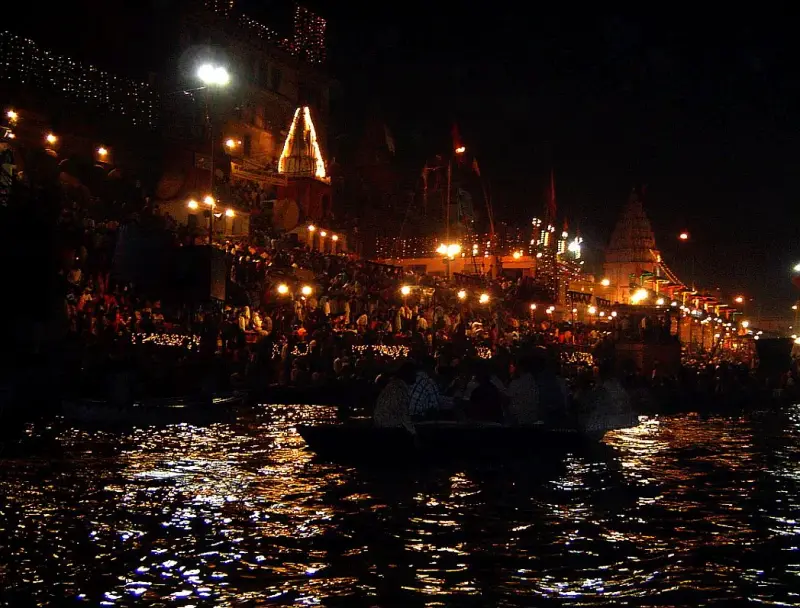
Haridwar, with Rishikesh and Dehradun, is the gateway. It is a morning's drive north of Delhi, and the nearest airport for the hill roads is Jolly Grant, about 26 km from Rishikesh. Rail runs as far as Rishikesh, with Haridwar and Dehradun as the larger stations, and the temple committee suggests an SUV or MUV for the hills. Starting here lets you bathe at Har Ki Pauri on the first evening, which many seekers treat as the proper beginning.
Do the registration before you leave Delhi, not from the hotel lobby.
Registration is the first gate
Registration is compulsory and tied to your ID: you do it on the Uttarakhand tourism portal or app, and expect to be turned back at the gate without it. After registering you may get a QR code or e-pass that is checked at points along the route. Helicopter seats are sold only once registration is complete, with the same ID at boarding. Darshan is organised in fixed time slots and the number of people allowed each day is controlled.
Secure your registration before paying for any package, since slots fill. A health check is part of the process, and harder routes may need a fitness certificate.
Yamunotri: the shortest walk, the narrowest path
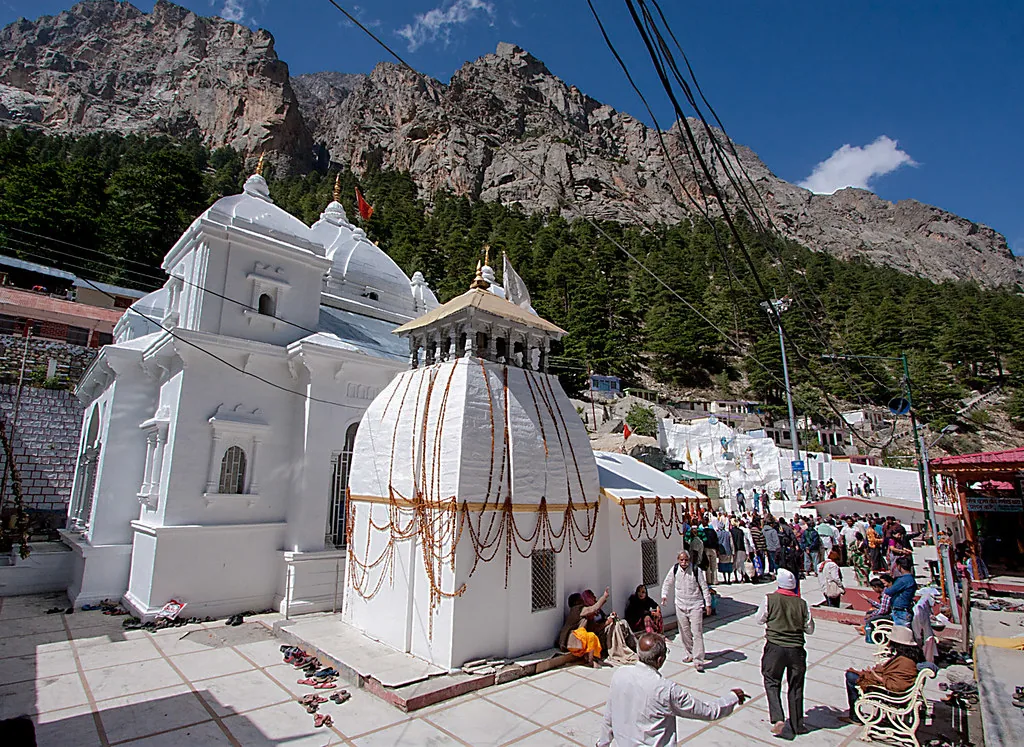
The temple stands at about 3,293 metres below Bandar Poonch peak. The drive follows Dehradun and Barkot, with the road branching at Dharasu, and motor traffic ends at Janki Chatti, about 50 km from Barkot. From there the committee's own page gives both 5 and 6 km for the walk, and ponies, palanquins and dandis are available for the final stretch. There is nothing at Yamunotri itself and little lodging at Janki Chatti, so most stay at Barkot, about 50 km back, where the hotels are decent.
At the shrine, the custom is to tie rice and potatoes in muslin and cook them in the hot springs at Suryakund, taking the rice home as prasad. The path is narrow, between a mountain and a drop, and in busy weeks the animals allowed on it have been capped. Leave early.
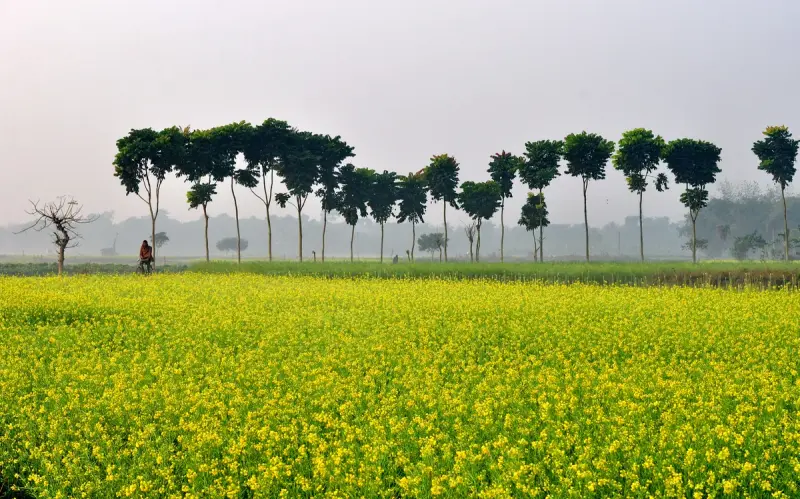
Gangotri, honestly brief
Gangotri is reached by road, with Uttarkashi as the usual night halt before it. We have not been able to confirm current stage distances from the official pages, so ask your driver about each morning's road status. Its gates close a day before Kedarnath and Yamunotri in the closing ceremonies reported in press, and the winter seat is at Mukhba.
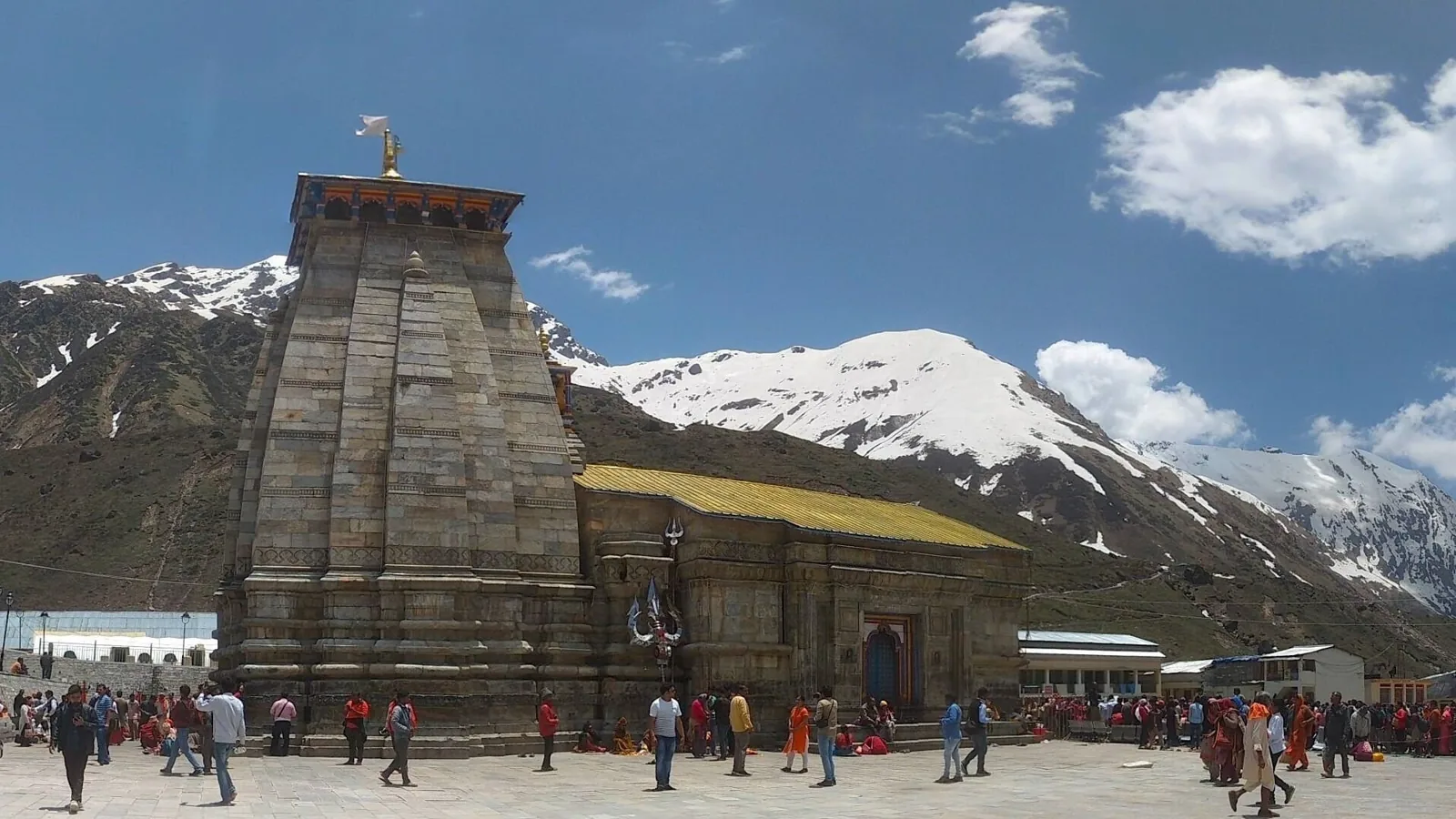
Kedarnath: where the road ends and the legs begin
Vehicles stop at Gaurikund, and the walk from there is the hardest on the loop. Distances quoted range from about 14 km to 22 km depending on where a traveller begins counting and which source you read, which is why you should plan for a full day on foot. Ponies, palanquins and the helicopter service are the alternatives, and a report from a busy season has one devotee joining the darshan line at 4:30 am and leaving around 9. Social media reels are discouraged within 30 metres of the temple.
Temperatures at the shrine can sit at 10 to 12 degrees even in peak summer, so shorts and a t-shirt are an invitation to hypothermia. The hospital at the base camp sees about 1,500 outpatients on an average day in the season. Carry your medicines, especially if you have blood pressure or heart conditions, and if you are over 50 expect medical screening on the route.
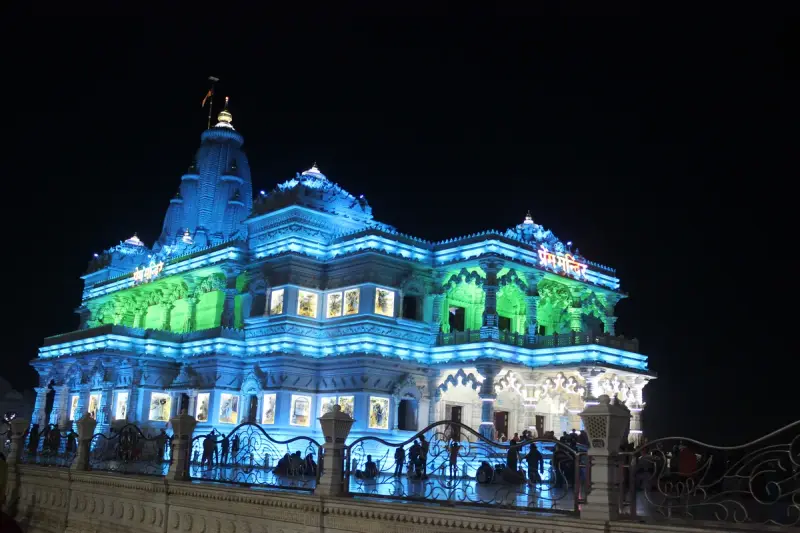
Badrinath: the easy one, with a long road
Badrinath stands at about 3,100 metres on the Alaknanda, on the highway rather than up a trek, which makes it the kindest of the four on the body. A helicopter service runs from the Sahastradhara helipad in Dehradun, making a one day round trip possible if you book through an operator. Hotels and cafes mostly take cash, UPI is not always accepted, and the town's ATMs get crowded, so carry notes.
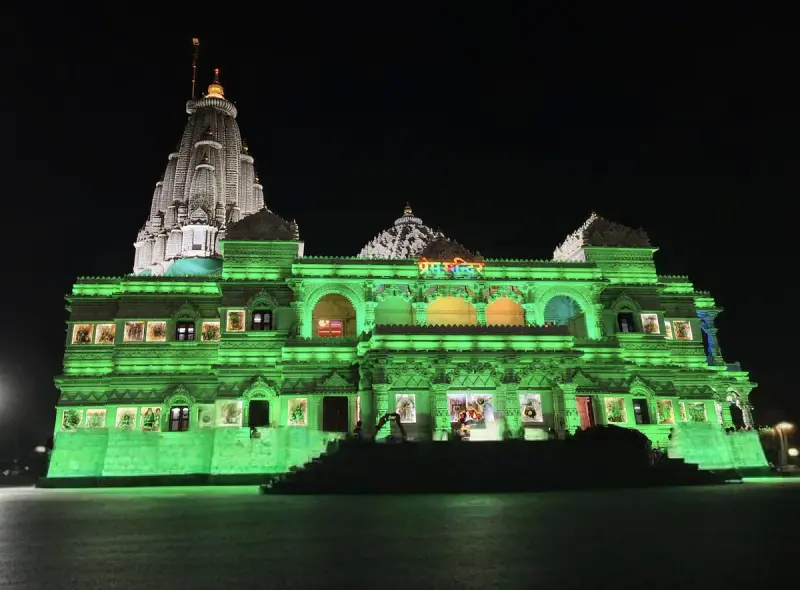
Pack sweaters, thermals, woollen caps, gloves and sturdy shoes, even in summer, along with an umbrella and a torch. Alcohol is prohibited at Badrinath and along the whole route.
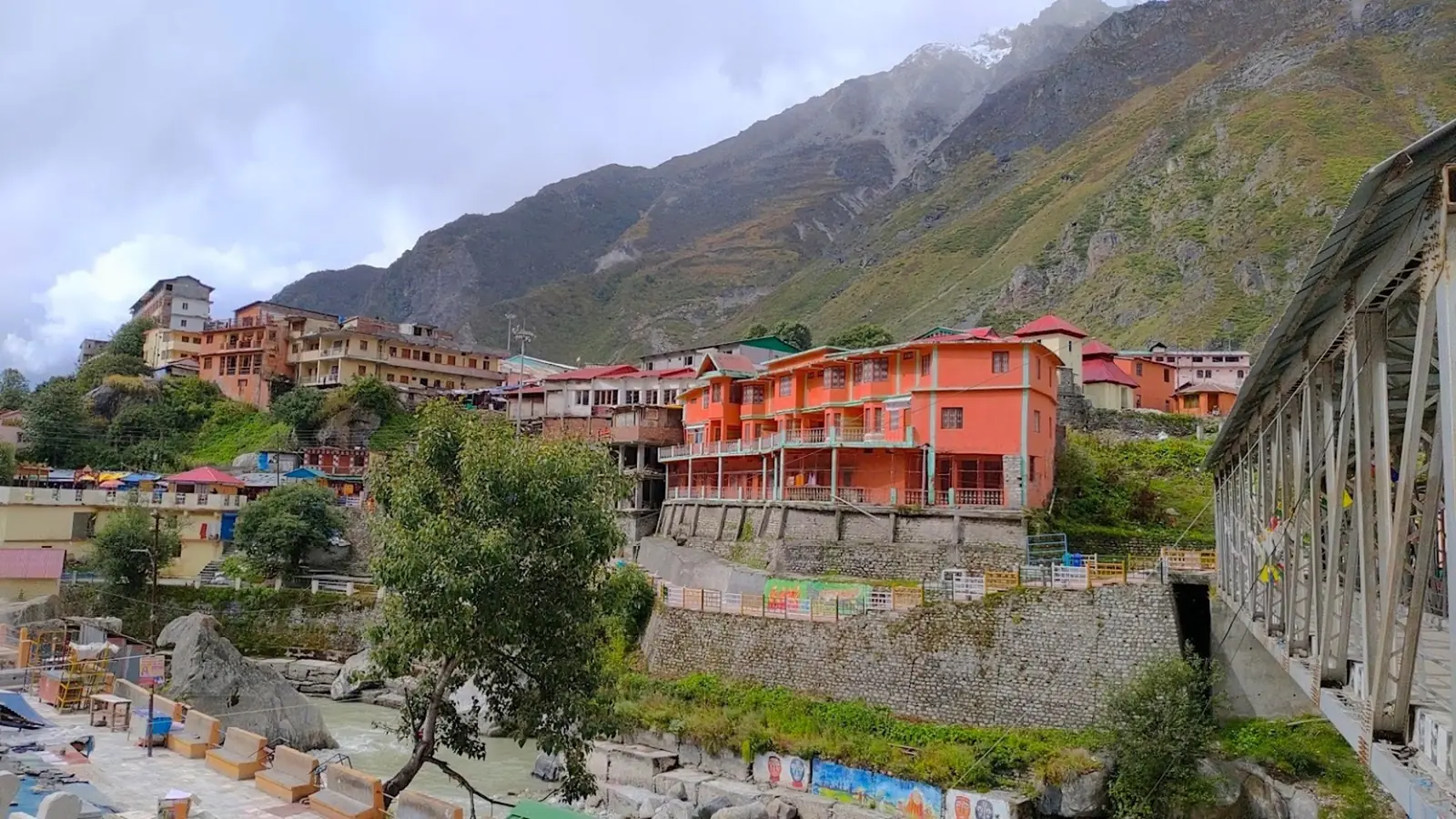
Opening months and closing days
The shrines are open for about six months. Yamunotri is listed from the last week of April to the second week of November. Badrinath is open from May until about ten days after Dussehra. Kedarnath's opening date is fixed at Mahashivratri and its closing falls on Bhai Dooj: in 2024 the ceremony began at 4 am, the gates closed at 8:30 am and Yamunotri's followed at 12:05 pm, with more than 18,000 people present. The winter seats are Ukhimath for Kedarnath and Kharsali for Yamunotri.
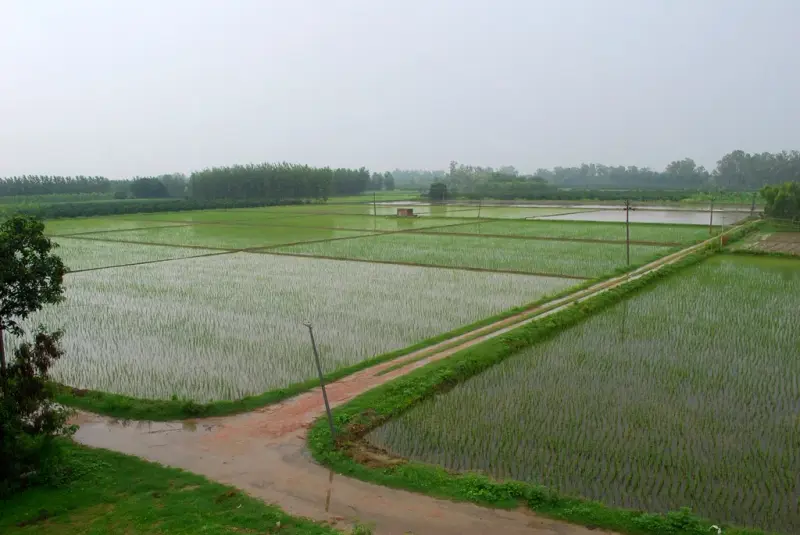
For 2026 that season is ending or over, so the next realistic window is spring 2027. Late June to August brings rain, landslides and blocked roads, so avoid it if you can. Night movement is barred, one more reason to start early and stop before dark.
Let Laladham run the long way round
Laladham picks you up in Delhi from your home, hotel, the airport or a station and runs the Char Dham by road from Haridwar with one driver who keeps the day's road and registration in mind, stays on each leg and a plan for the walks. Tell us your dates and fitness needs on the [book page](/book) and ask for a quote.
Questions, answered
Is registration compulsory for the Char Dham?
Yes, it is checked before entry.
How long is the walk at Yamunotri?
Five or six kilometres from Janki Chatti, per the temple committee.
How far is the Kedarnath trek?
Sources range from about 14 to 22 km from Gaurikund, so plan for a long day and confirm locally.
Can I drive at night in the hills?
Not between 10 pm and 4 am on the mountain routes.
When do the shrines close for winter?
They close in turn through late autumn, with Kedarnath on Bhai Dooj.
Is there a helicopter option?
Yes, to Kedarnath and Badrinath, once registration is done.