It is also one of the more demanding trips in this section, and honest planning is the kindest thing a guide can offer. Know the stages, the paperwork and the weather, and the walk becomes one of the best days you will have.
Why the temple is here
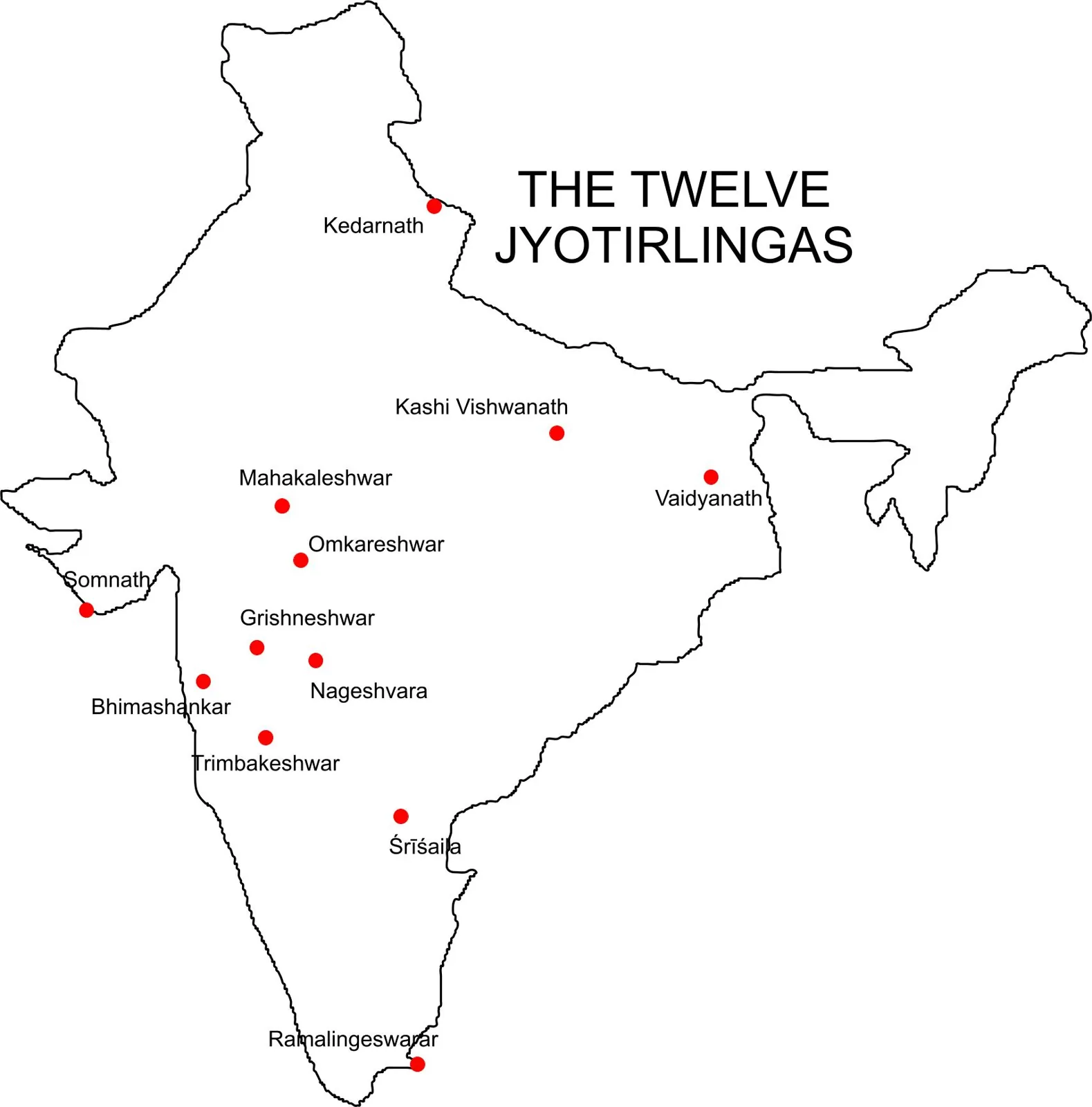
Incredible India records the belief that the Pandavas raised the temple after the Mahabharata war, and dates the present building to around the eighth century. The story says Shiva took the form of a bull to avoid them and dived into the ground, leaving his hump at Kedarnath. The conical lingam inside is said to be that hump.
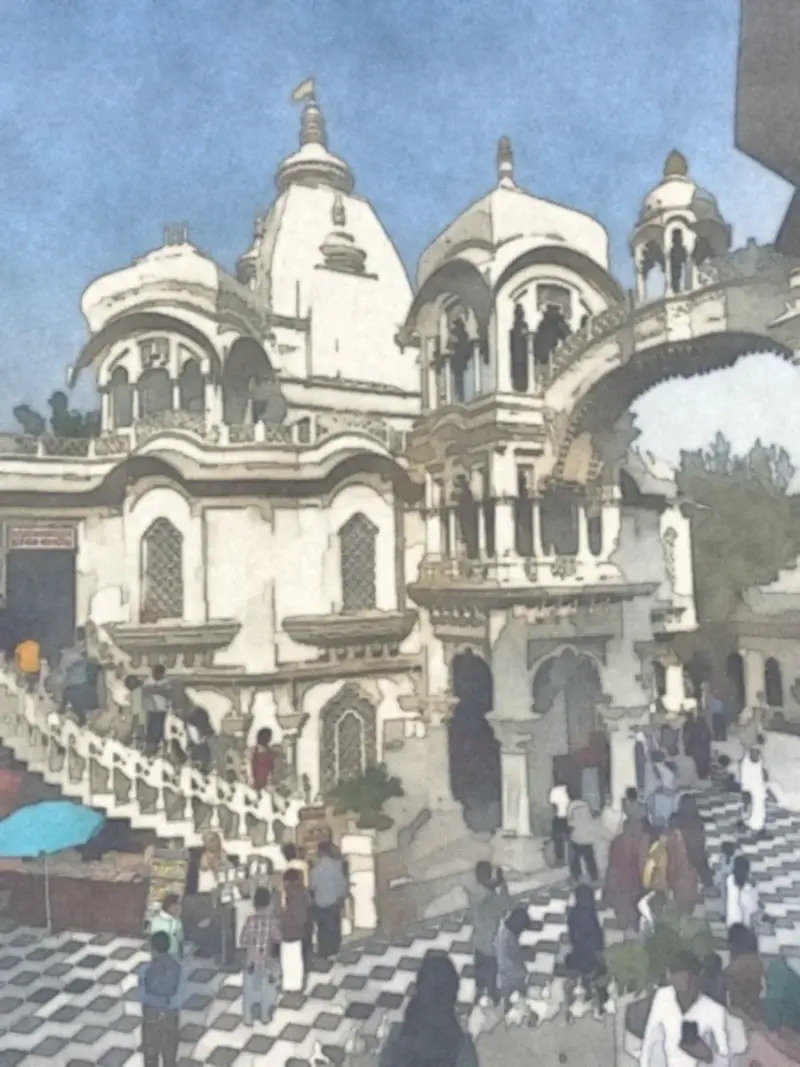
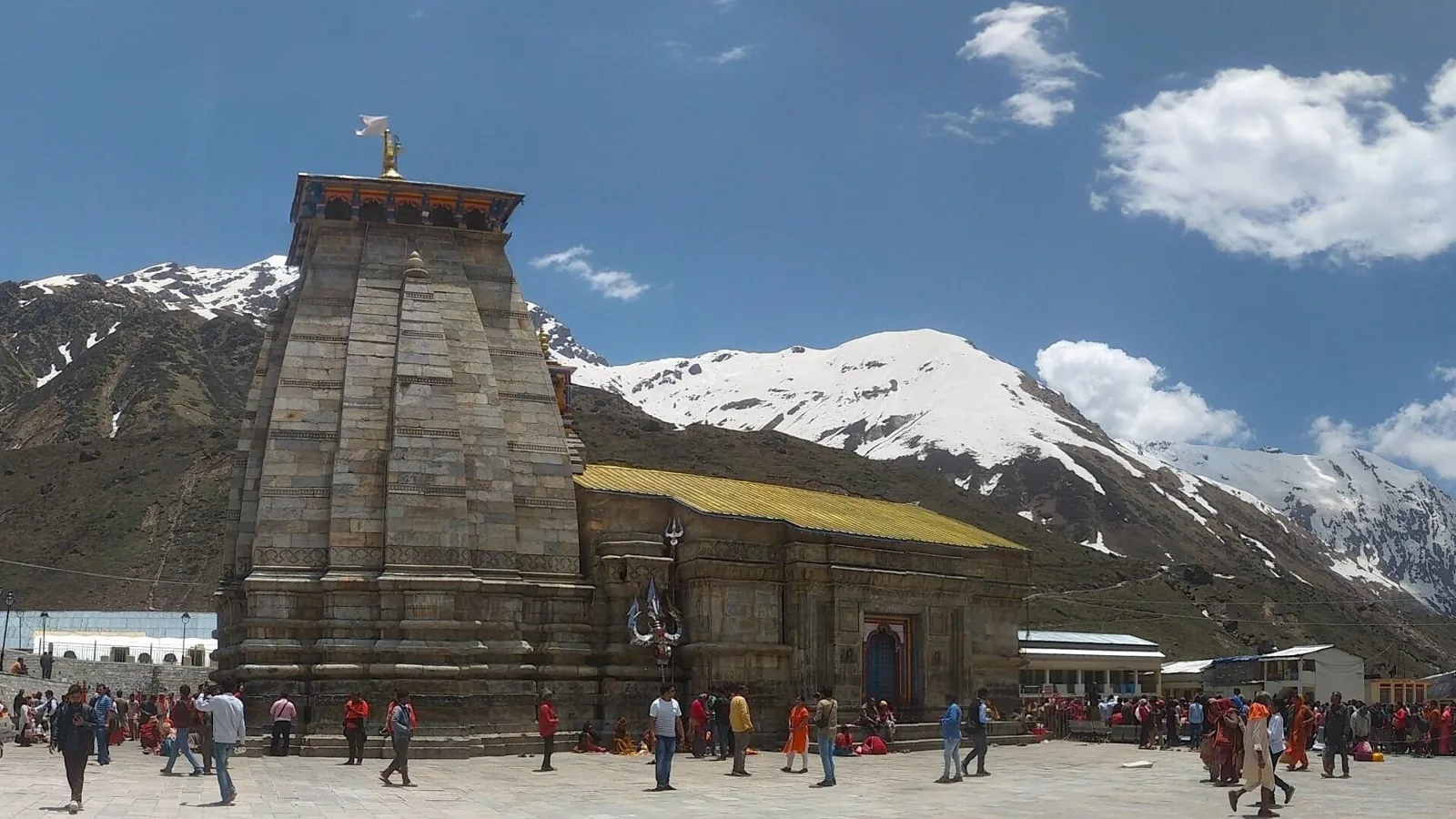
The building itself is plain grey stone, carved with care, with Sanskrit inscriptions on the walls and an eternal flame that is said to have burned for centuries. Behind it stands the samadhi of Adi Shankaracharya.
The trail, stage by stage
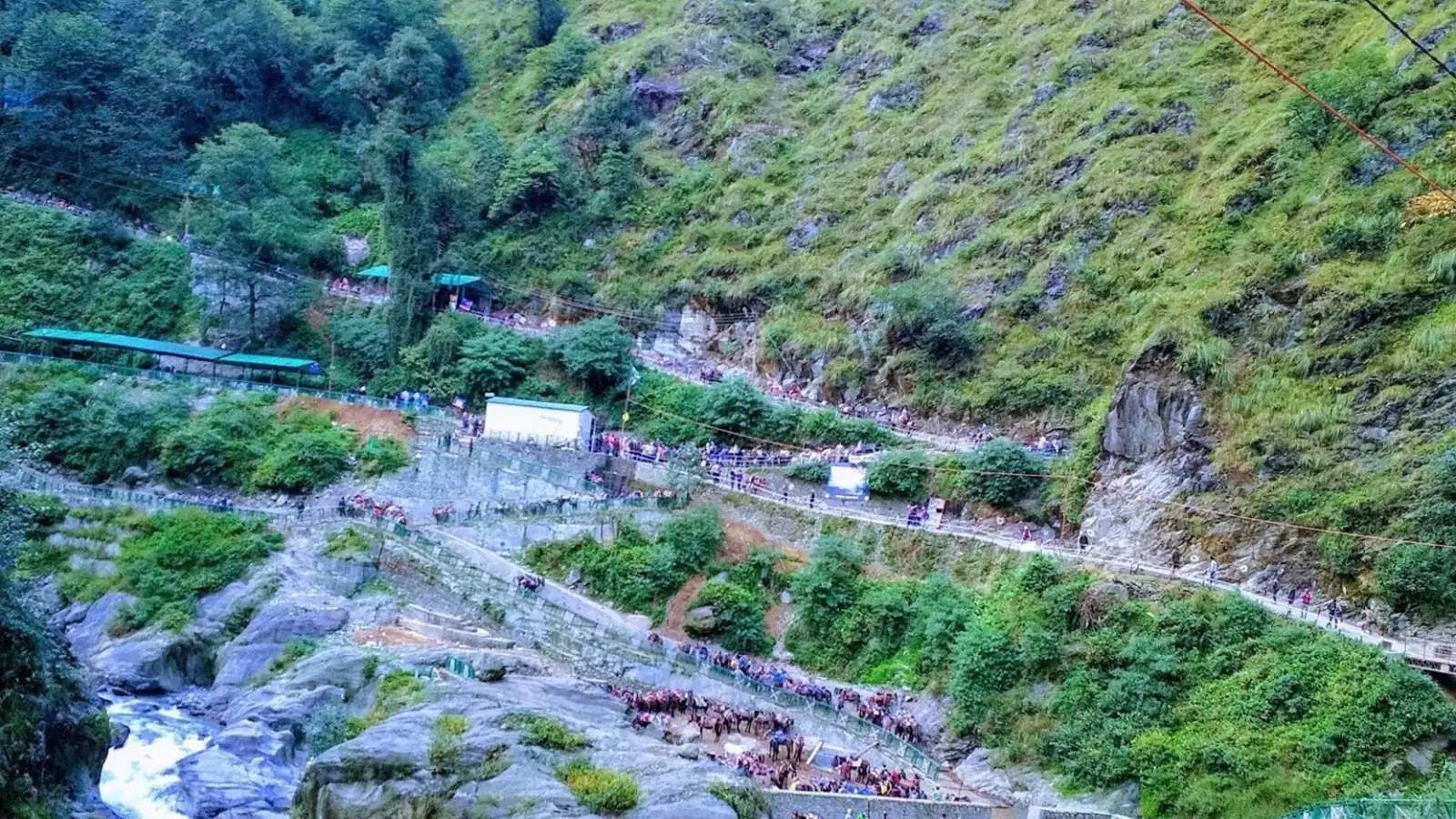
The path starts at Gaurikund at about 1,800 m and runs 16 km to the temple. A traveller's guide to the route lists the markers: Jungle Chatti at 3 km, Bheembali at 5, Linchauli at 7 and the base camp at 14. Most people need six to eight hours going up.
The first seven or eight kilometres rise gently, which lures people into a pace they cannot hold. The last two from base camp are the steepest of the day. Leave Gaurikund by five or six in the morning to stay ahead of the afternoon sun and reach the top before dark.
Chattis, the rest stops along the way, serve tea, Maggi, parathas, dal and rice, and the queue at popular ones can be long in peak weeks. Carry dry snacks and glucose anyway, plus a decent breakfast before you leave.
Ponies, palanquins, helicopters
If the walk is not possible, ponies, palkis and dolis work from Gaurikund at government-fixed rates that are displayed at the counter. Check the rate card and the owner's identity before you hire, because overcharging is a known problem in busy weeks. These animals carry heavy loads on a hard path; do not overburden them.
Helicopters fly from three bases, and the Uttarakhand portal says tickets are sold only through IRCTC. Do not buy from anyone who offers a seat outside it. A helicopter ticket does not replace the registration described below.
Registration is not optional
The Uttarakhand government portal says it is necessary to register yourself and your vehicles before you start, either on the website or through the Tourist Care Uttarakhand app. You create a tour with dates, the number of travellers and the dhams, then download a registration letter that carries a QR code. You carry it and verify it at each shrine.
Republic World's April 2026 report adds that e-pass checks happen at checkpoints on the way, that health screening is mandatory, especially for Kedarnath because of the altitude, that elders and anyone with a medical condition are advised to carry a medical certificate, and that a daily cap on numbers applies. Rules change, so read the portal in the week you travel.
At the top
Darshan queues can run long in May and June, the busiest months. Go early in the morning, wear a warm layer under your jacket, and expect to wait in cold air. Photography is not allowed inside the temple, and phone use is restricted in some zones.
The town has a government tented colony, cottages, dharamshalas and basic lodges, with rooms filling fast in the peak weeks. Food is vegetarian and alcohol is banned. Sleep comes in pieces at this height, and many people wake before dawn for the morning rituals anyway.
Season, opening and closing
The temple opens in spring, and in 2026 it opened on 22 April, with Gangotri and Yamunotri opening on Akshaya Tritiya on 19 April. Dates are announced each year, and Incredible India recommends May to June and then autumn, with temperatures between 15 and 25 degrees. The rains bring landslides, and from November to April the snow and cold close the route.
Closing falls around Bhai Dooj in autumn, after which the deity moves down to Ukhimath for winter worship. The monsoon is the real risk: a trail closure from a landslide has happened even in August, so check the district administration and temple committee before you set out. Autumn is calmer, with a washed look to the hills.
A four day shape
Day one, drive from Haridwar or Rishikesh through Rudraprayag towards Guptkashi or Sonprayag; it is a long mountain drive and takes most of the day. Sleeping at Guptkashi or Phata the night before saves a dawn drive. Day two, walk up and stay. Day three, darshan at first light and the walk down. Day four, drive back.
Add a buffer day if you plan to continue to Badrinath, since landslide closures can swallow a schedule.
Fitness and what to carry
Walk a few kilometres a day for several weeks before you go. Anyone with a heart or lung condition should see a doctor first. Coming down is harder on knees than people expect, so use a stick and go steadily.
Pack thermals, a waterproof jacket, gloves, a cap, lip balm, sunscreen, a torch, a power bank and a small first aid kit. Carry cash for tea stalls and pony fares, and carry plastic back down.
Let Laladham run it
Laladham picks you up in Delhi, at the airport, a station, your home or a hotel, drives you to the base with a mountain-wise driver, and plans the stays, the early start and the helicopter or pony booking if you need it. We stay on the ground while you climb. Share dates and group size on the [booking page](/book) and ask for a quote.
Questions, answered
How long is the Kedarnath trek?
About 16 km from Gaurikund. Allow a full day on foot going up, and a little less coming down.
Can I go by helicopter?
Yes, from helipads such as Phata and Sirsi, with tickets sold through IRCTC alone. You still need the registration letter.
When does the temple open?
Around Akshaya Tritiya in spring. In 2026 it opened on 22 April, and the date is announced each year.
Is registration compulsory?
Yes. Register on the Uttarakhand portal or the Tourist Care app, download the QR letter and carry it to be verified at checkpoints.
What is the best time to visit?
Late spring and early autumn. Monsoon slides and winter snow both close the route.