The list is easy to recite and harder to travel. Here is where each one sits, which ones are close to each other, and what order makes sense.
The map in words
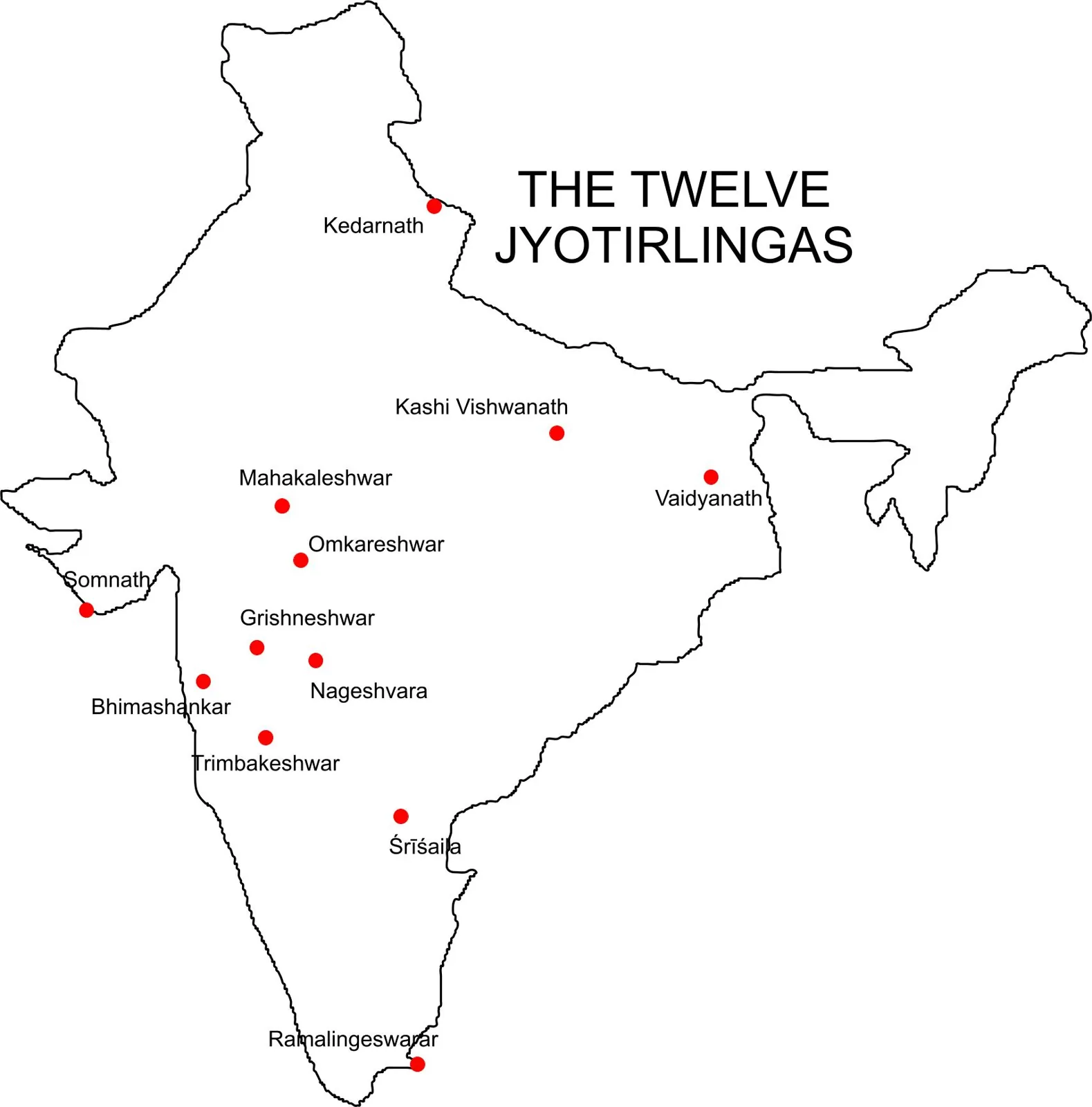
Seen on a map of India, the twelve form a rough cross. Kedarnath is in the north, Kashi Vishwanath on the Ganga plains, Vaidyanath in the east, Somnath and Nageshwar on the west coast, Trimbakeshwar, Bhimashankar and Grishneshwar in Maharashtra, Mahakaleshwar and Omkareshwar in Madhya Pradesh, and Mallikarjuna and Rameshwaram in the south.
What a jyotirlinga is, in a line
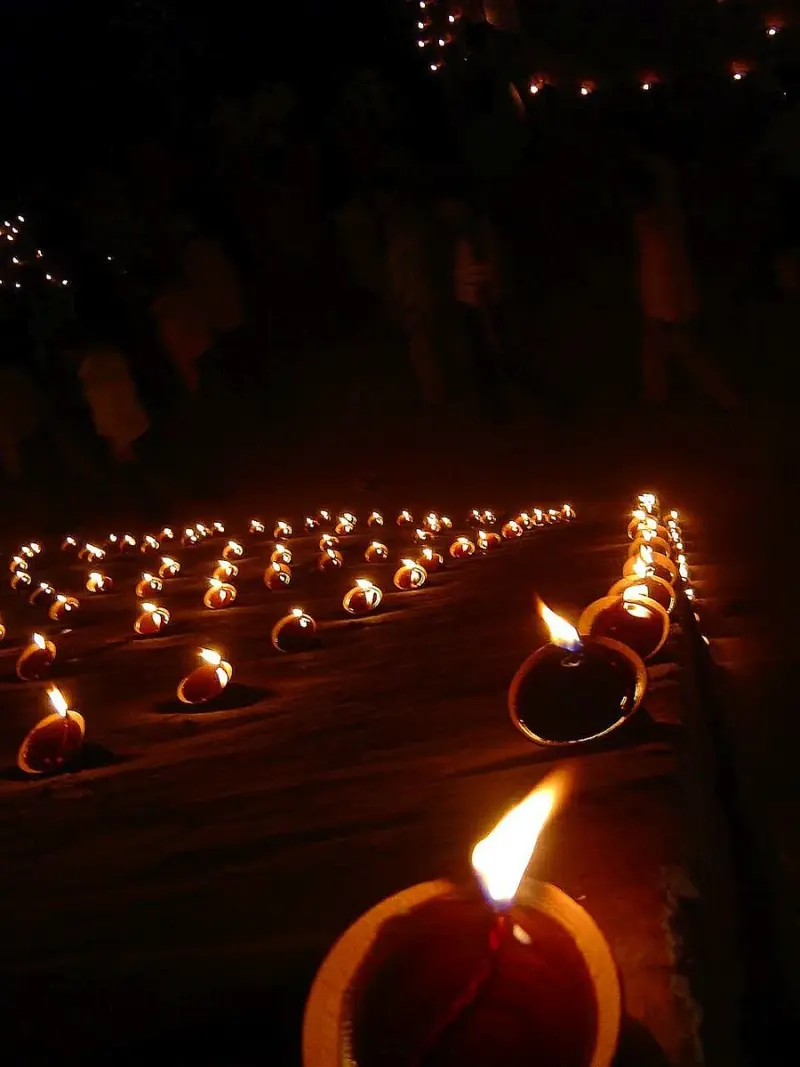
In the Shiva Purana telling, Brahma and Vishnu argued over who was greater, and Shiva appeared as an endless column of fire. Neither could find its top or base. The twelve places are where that light remained, the tradition holds, each with a different name of Shiva and a different local story.
North: Kedarnath, with a registration to do first
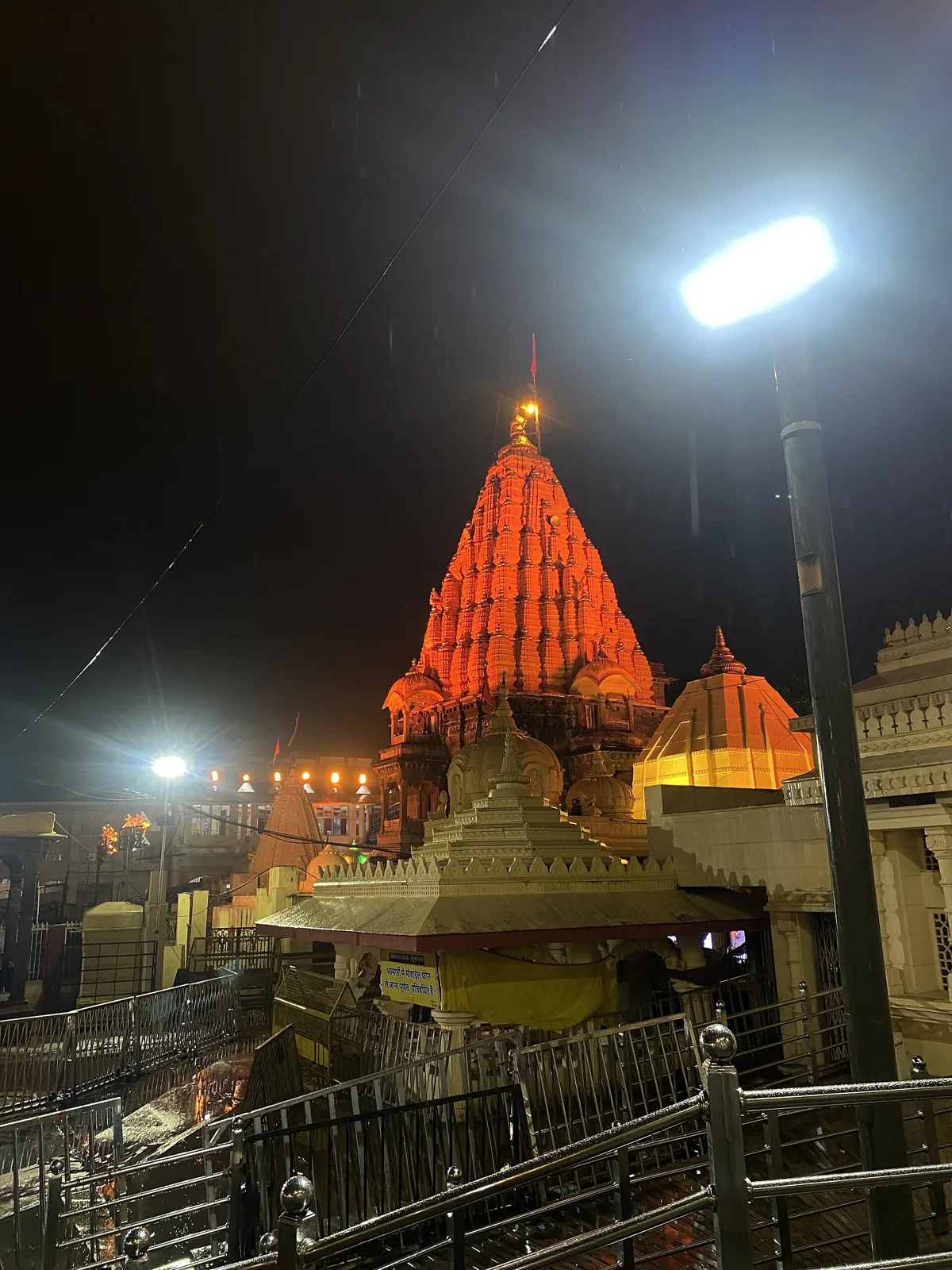
The temple committee counts Kedarnath as the eleventh of the twelve and says, like the Badarinath shrine, that it is believed to have been established by Adi Shankaracharya. Open only in the warm months, it needs a compulsory registration on the Uttarakhand government portal, which produces a QR letter and a darshan slot token at the shrine. Helicopter seats are sold only through the IRCTC helicopter site, and the committee warns of extreme cold, low humidity, strong ultraviolet light and thin air. In November the shrine is closed, with no puja seats showing at all.
Kashi, by the trust's own system
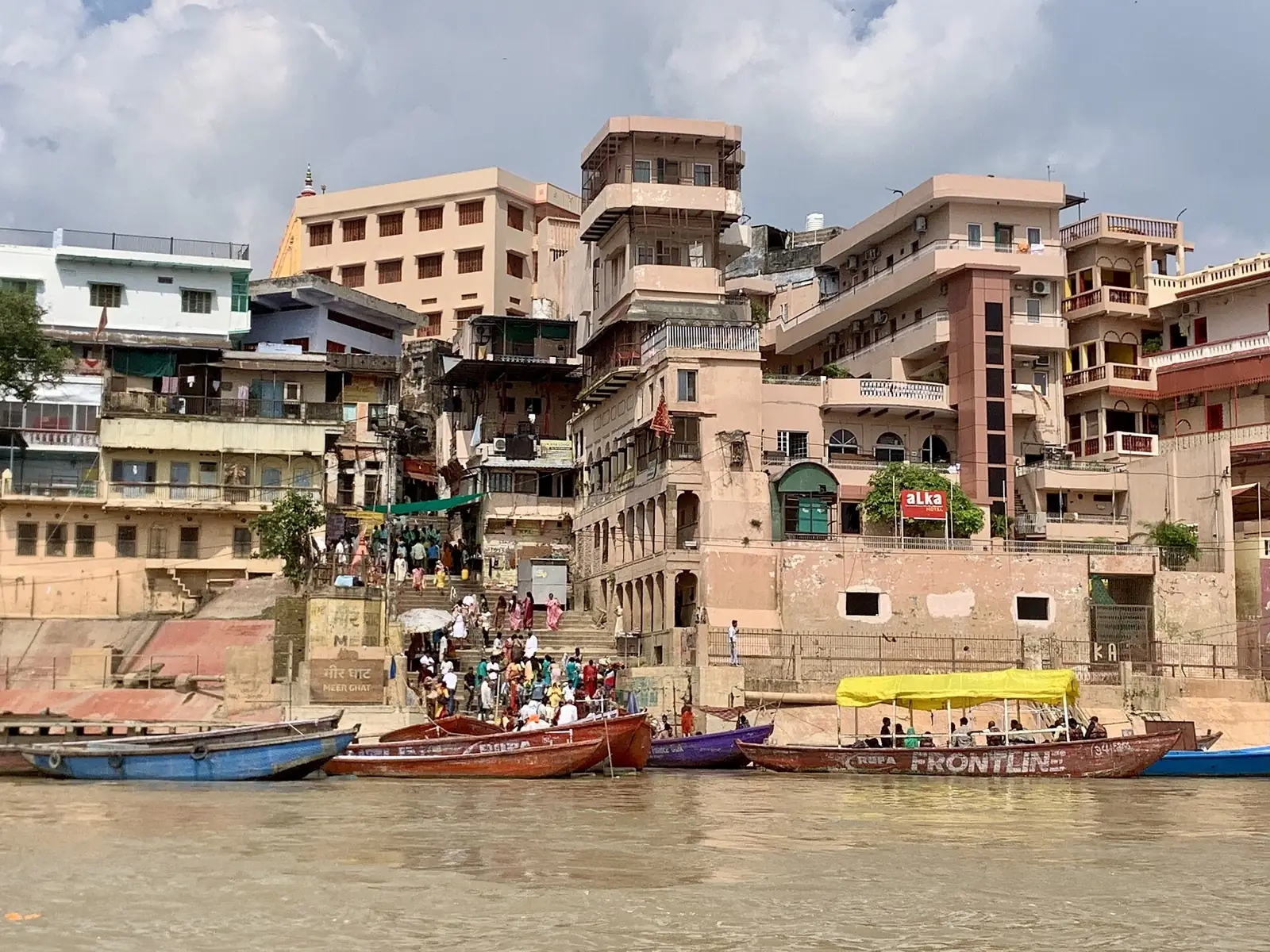
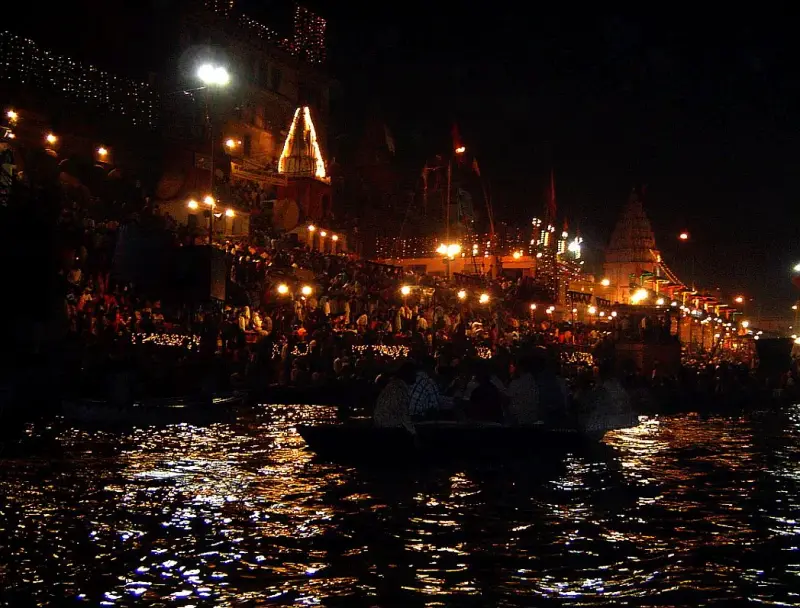
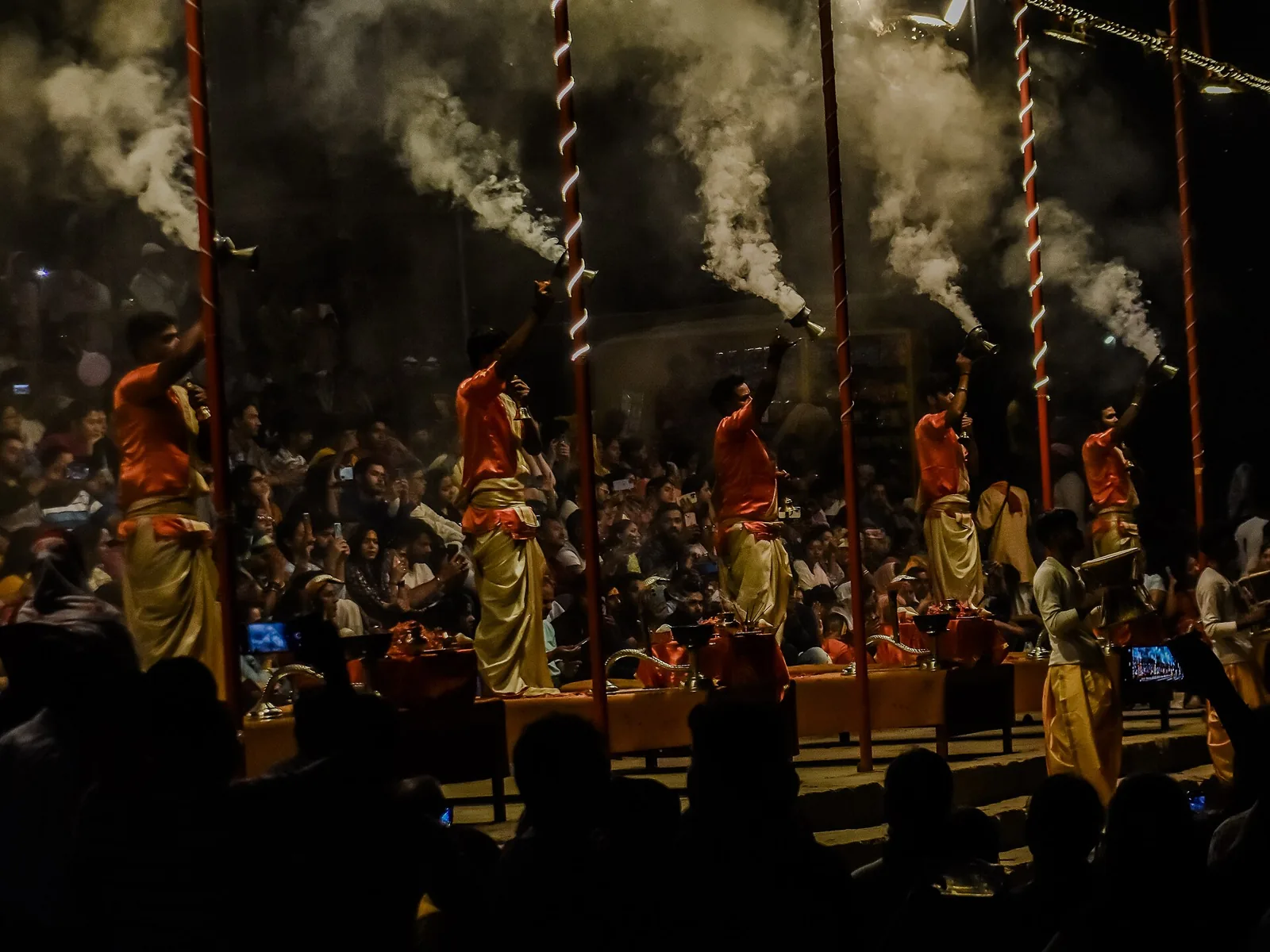
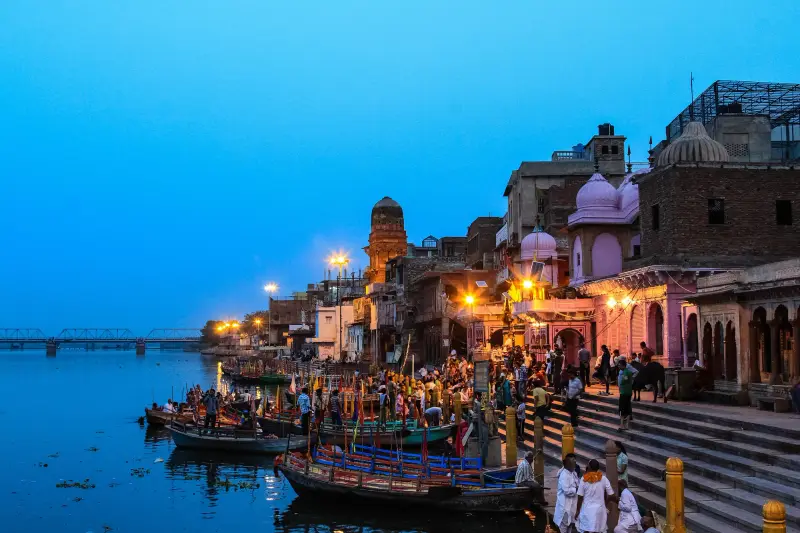
The Kashi Vishwanath temple in Varanasi was built in 1780 by Maharani Ahilyabai Holkar of Indore. The trust runs an official portal for Sugam Darshan, a queueless visit with an escort and a free locker, and for the five daily aartis. Book there rather than through the touts outside.
East: Vaidyanath at Deoghar
Baba Baidyanath Dham stands at Deoghar in Jharkhand, in a complex of twenty two temples, where the main tower is 72 feet tall. The city is also a Shaktipeeth. In the month of Shravan, thousands walk about 100 km carrying holy water, finishing at Basukinath, 43 km from Deoghar. Some traditions place this jyotirlinga elsewhere, at Parli in Maharashtra, and sources disagree, so go to the one your family follows.
Centre: Ujjain and Omkareshwar
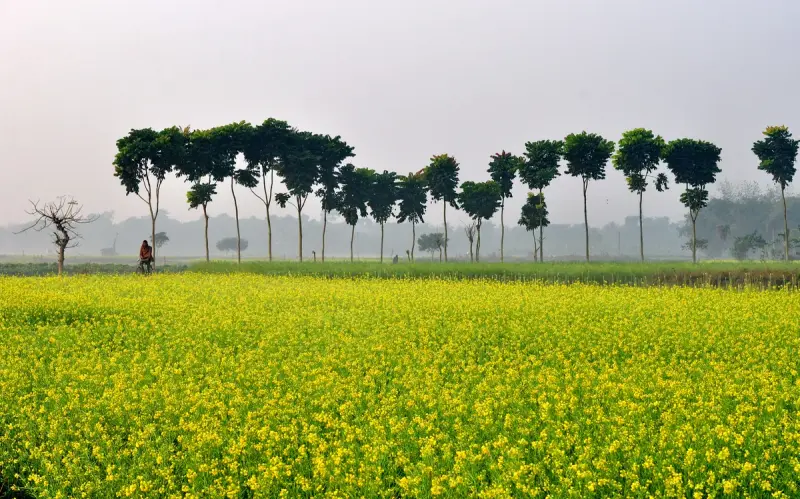
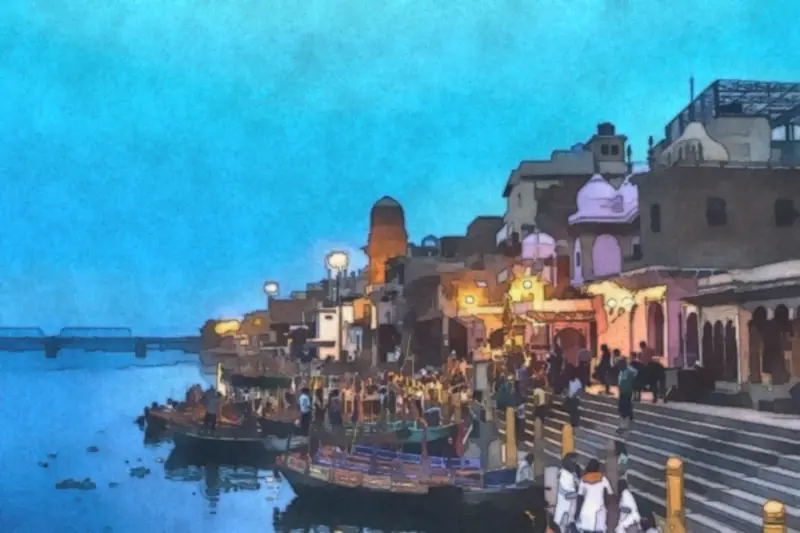
At Mahakaleshwar, the state tourism board says the dawn Bhasma ritual must be registered beforehand on the temple's authorised website. Omkareshwar sits on an island shaped like the sacred syllable Om, about 80 km southeast of Indore, where the Narmada and Kaveri meet. Mamleshwar, on the south bank, is regarded as the other face of the same shrine, so do both. Together they make a two night trip.
West coast: Somnath and Nageshwar
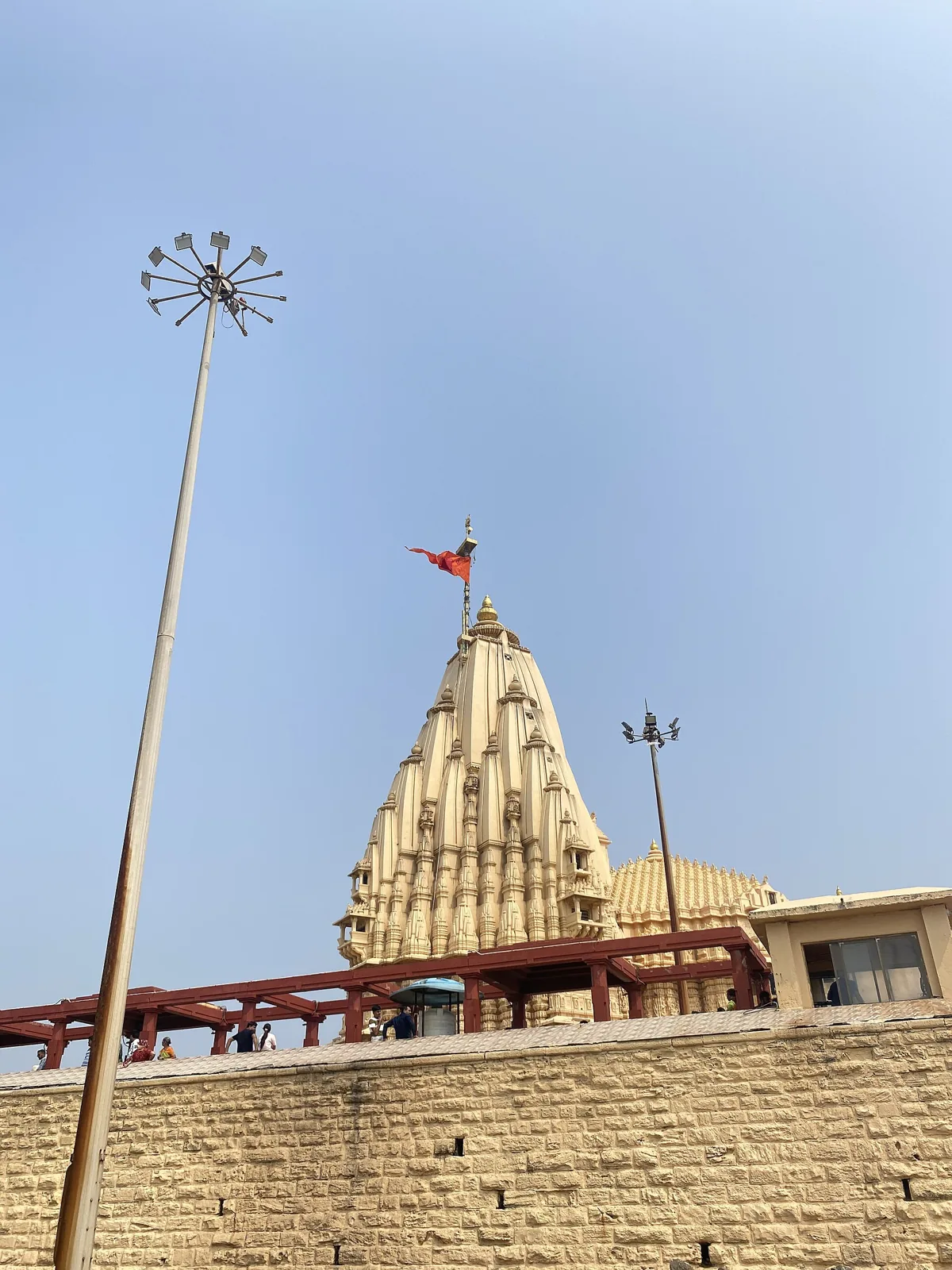
Somnath is on Gujarat's Saurashtra coast. Nageshwar is listed among the attractions of Dwarka, near the Dwarkadhish temple, so a Dwarka trip covers both. Two other places also claim the name Nageshwar, one in Maharashtra and one in Uttarakhand, so check which tradition your family follows.
Maharashtra: three on one loop
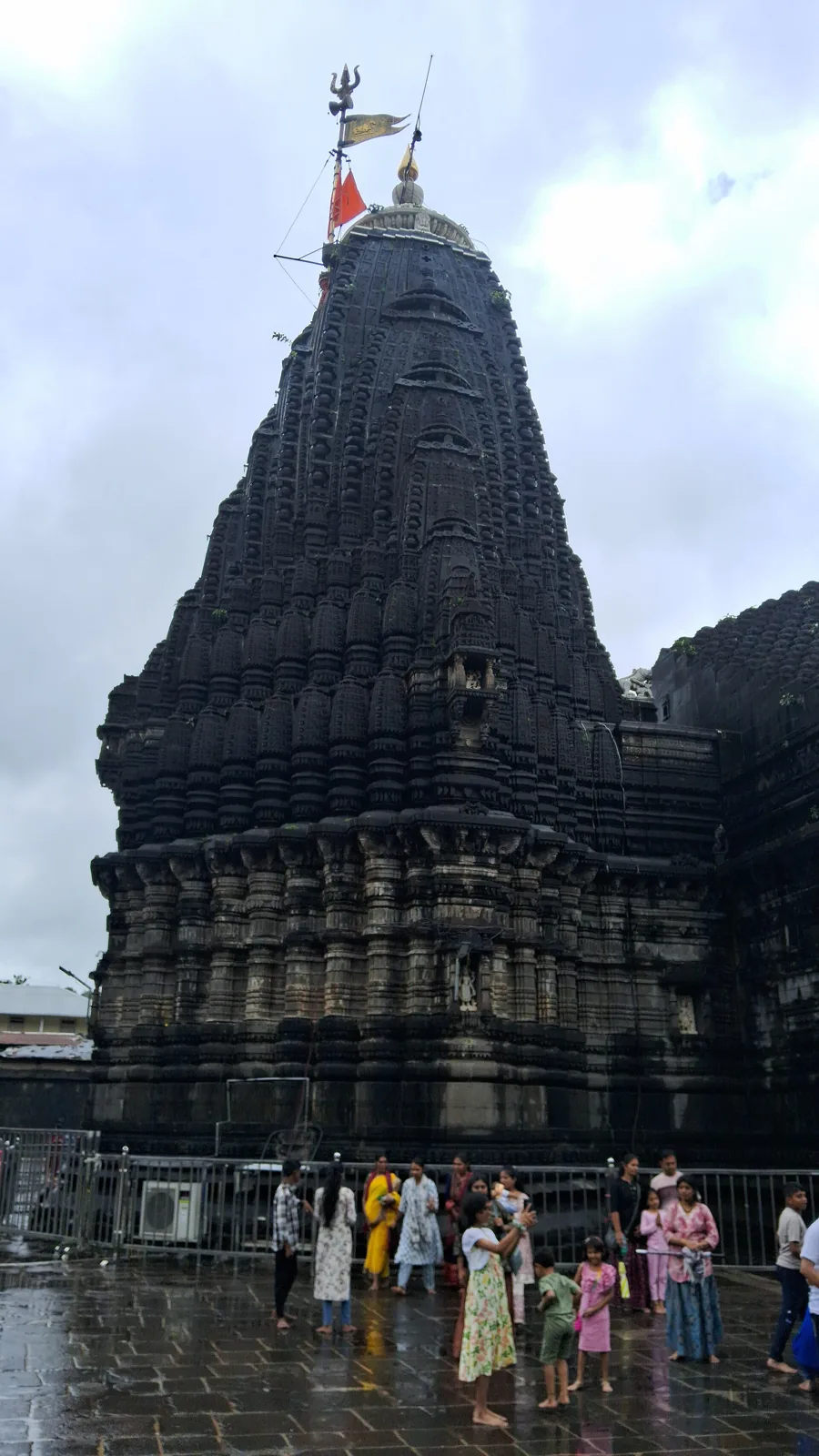
Trimbakeshwar sits at the source of the Godavari near Nashik. The temple trust lists darshan from 5:30 AM to 9 PM; its linga is three faced, standing for Brahma, Vishnu and Shiva, and the present temple was raised by Peshwa Balaji Bajirao in the mid eighteenth century. Bhimashankar in the Sahyadri hills and Grishneshwar near Ellora complete the group, and a loop from Pune or Aurangabad covers all three.
South: Srisailam and Rameshwaram
Mallikarjuna at Srisailam, in Andhra Pradesh's Nallamala hills, is also a Shakti Peetha. Rameshwaram's Ramanathaswamy temple stands on Pamban Island, joined to the mainland by the Pamban Bridge; it is also one of the four Char Dham sites, and tradition says Rama, with Sita and Lakshmana, installed the lingam here after the war with Ravana. The two are far apart, so give them separate legs.
An order that respects distance
For a first circuit from Delhi, many people go in four chapters. One: Kedarnath and Kashi, about eight days. Two: Ujjain and Omkareshwar, three days. Three: Somnath and Nageshwar with Dwarka, four days. Four: Maharashtra's three, four days. The south is a trip of its own, and Vaidyanath fits as a side stop to a Varanasi or Bihar journey.
What each darshan asks of you
Every shrine has its own rules, and a short note in your bag saves embarrassment. Several keep phones and bags outside in lockers. Some ask men to wear a dhoti for the inner ritual. Carry government ID, a cloth bag for shoes and cash for lockers, and be gentle with the rules: the staff who enforce them handle thousands of people a day.
Seasons to avoid
Kedarnath is shut in winter and risky in the monsoon. Rameshwaram is hot and humid in summer. Shravan, from July to August, is the busiest month at every Shiva temple, and Mahashivratri brings long queues. Official sites say the calmest months for most are October to February.
Laladham from Delhi
Laladham picks you up in Delhi, at the airport, station, home or hotel, and plans the chain you want, one chapter at a time or all at once, with trains and flights where the distance asks for them and a driver and stays on the ground. Tell us which of the twelve you have already seen on the [book page](/book) and ask for a quote.
Questions, answered
Which Jyotirlinga is closest to Delhi?
Kashi Vishwanath at Varanasi and Kedarnath in Uttarakhand are nearest in practical terms, reached by road and rail.
Is there a fixed order for visiting?
No. Many follow a geographic order, and some begin with Somnath because the traditional list does.
Do I need to register for any of them?
Kedarnath needs government registration, and the dawn ceremony at Mahakaleshwar must be booked beforehand through the temple's own site.
Why do some lists disagree on Nageshwar and Vaidyanath?
Different traditions locate those two in different places. Visit the one your tradition names.
How many days to complete all twelve?
About three to four weeks in chapters, with travel days included.