This plan is for people who want to stand still in front of things. It puts the Taj on a morning that suits it, keeps one afternoon for Fatehpur Sikri, and has a fallback for the one day of the week when the Taj is shut.
The Friday rule
The Taj Mahal is closed on Fridays, and the official Taj site lists that as the only closure. Everything else in this plan can slide around, but this cannot. Agra Fort never closes, says the district site, so a Friday can be your fort day and the Taj can take Saturday.
Foreign visitors should note that the extra Rs 500 ADA charge, valid across the main Agra monuments for the day, is not levied on Fridays. Ticket rules do change, so read the ASI and Agra district pages the week you travel.
Day 1 morning: Delhi to Agra
Your driver meets you at the Delhi airport, the station or your door. The Yamuna Expressway makes it about 230 km, roughly three and a half to four hours, and longer when winter fog sits on the road. Leave early, reach Agra before the heat, and wash and rest for an hour at the hotel. The next two days work only if you begin fresh.
Day 1 afternoon: the fort that was a city
The district site says Akbar rebuilt Agra Fort in red sandstone from 1565, and that Shah Jahan later added white marble. The walls run about 2.5 km, and inside are the Jahangir Mahal, Khas Mahal, Sheesh Mahal and Moti Masjid, each in a different temper. Akbar's rooms are solid and red; Shah Jahan's are cool and white.
From the Musamman Burj you see the Taj along the river bend. This is where Shah Jahan spent his last years, and the view is the reason the balcony is crowded. Give the fort two hours at least, hire a licensed guide at the gate, and agree the price first.
Day 1 late afternoon: the Baby Taj
Itimad-ud-Daulah was built from 1622 to 1628 by Nur Jahan for her father Mirza Ghiyas Beg. The district listing names it the first Mughal structure built entirely of white marble and among the first to use pietra dura inlay extensively. It is small, riverside and finished like a jewel box, with delicate jali screens. It sits about 4 km from the fort on the Aligarh road.
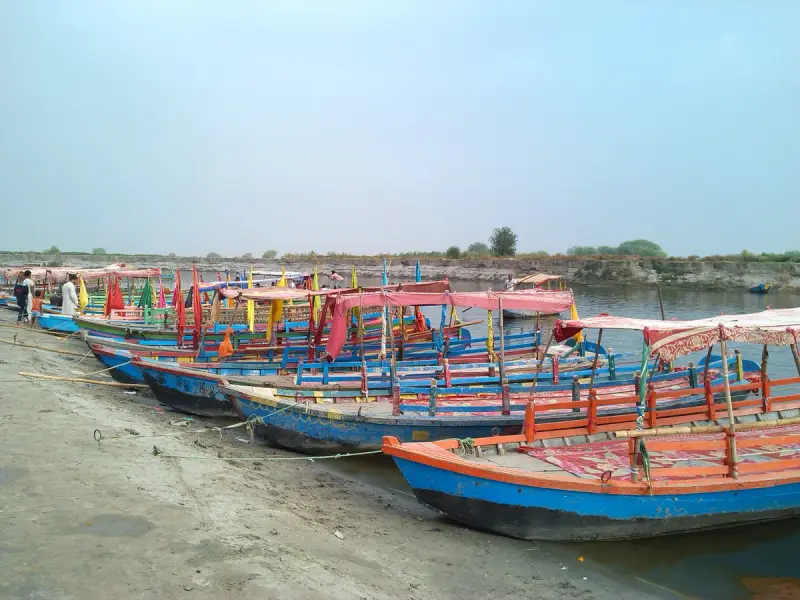
You will often have it nearly to yourself, which the larger monument cannot offer. If the light holds, cross the river to Mehtab Bagh for the Taj at dusk from the north bank.
Day 1 evening
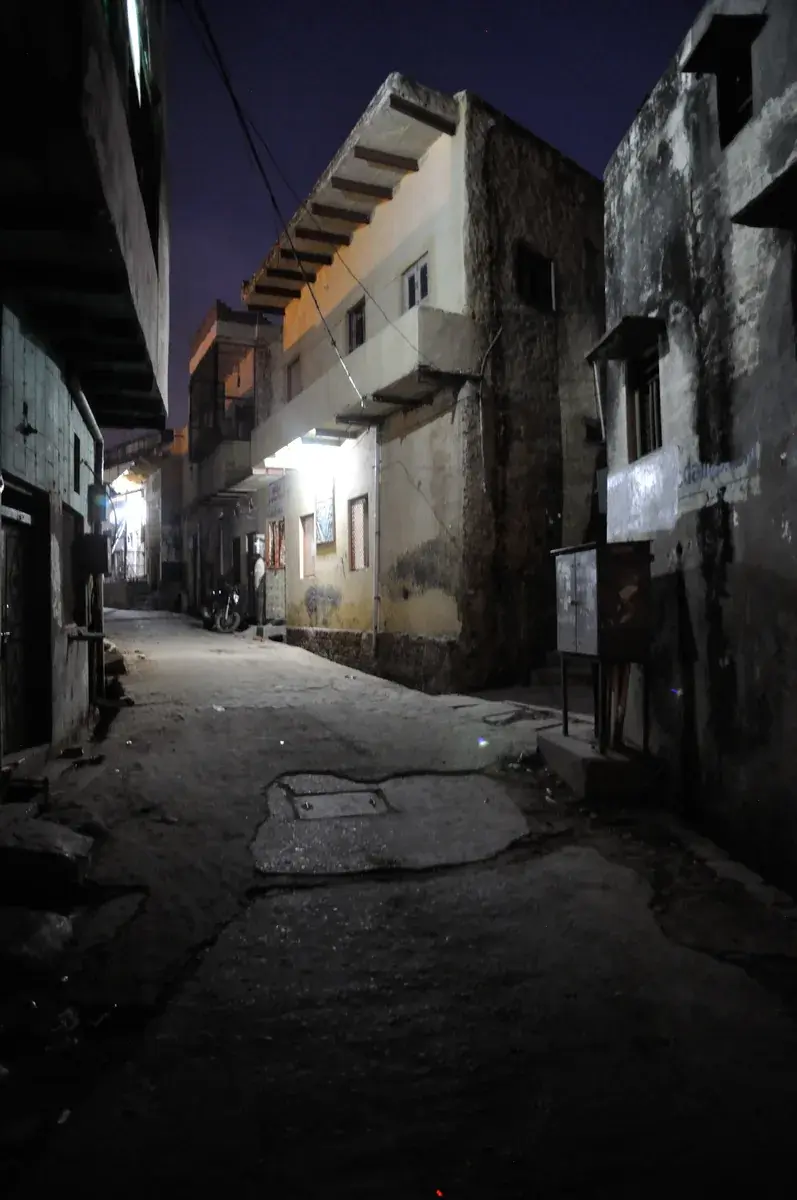
Eat plainly: a thali near the hotel. Petha, the translucent ash gourd sweet, is sold in every lane, so ask your driver which shop his family trusts. Sleep early, because tomorrow starts in the dark.
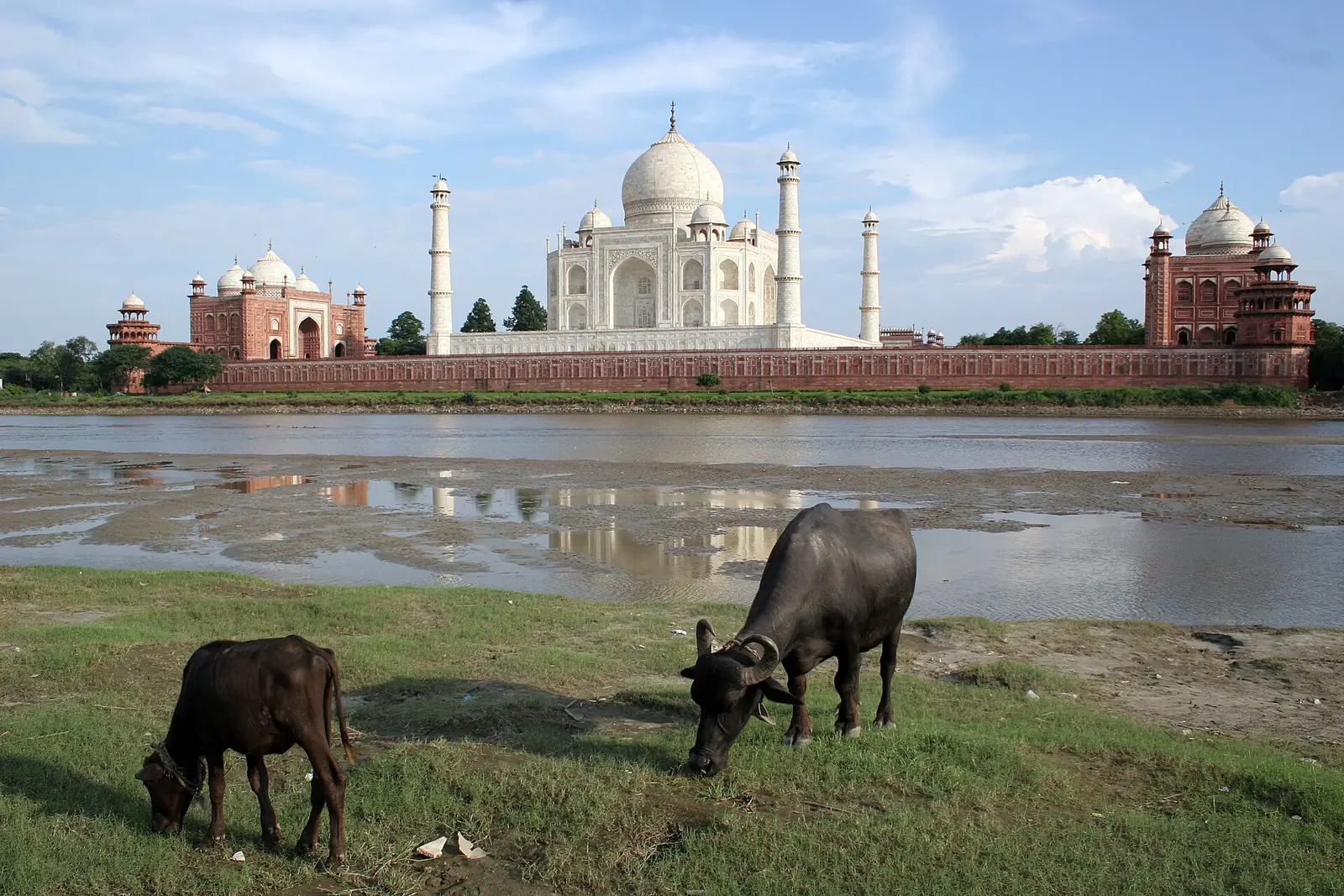
Day 2 dawn: the Taj Mahal
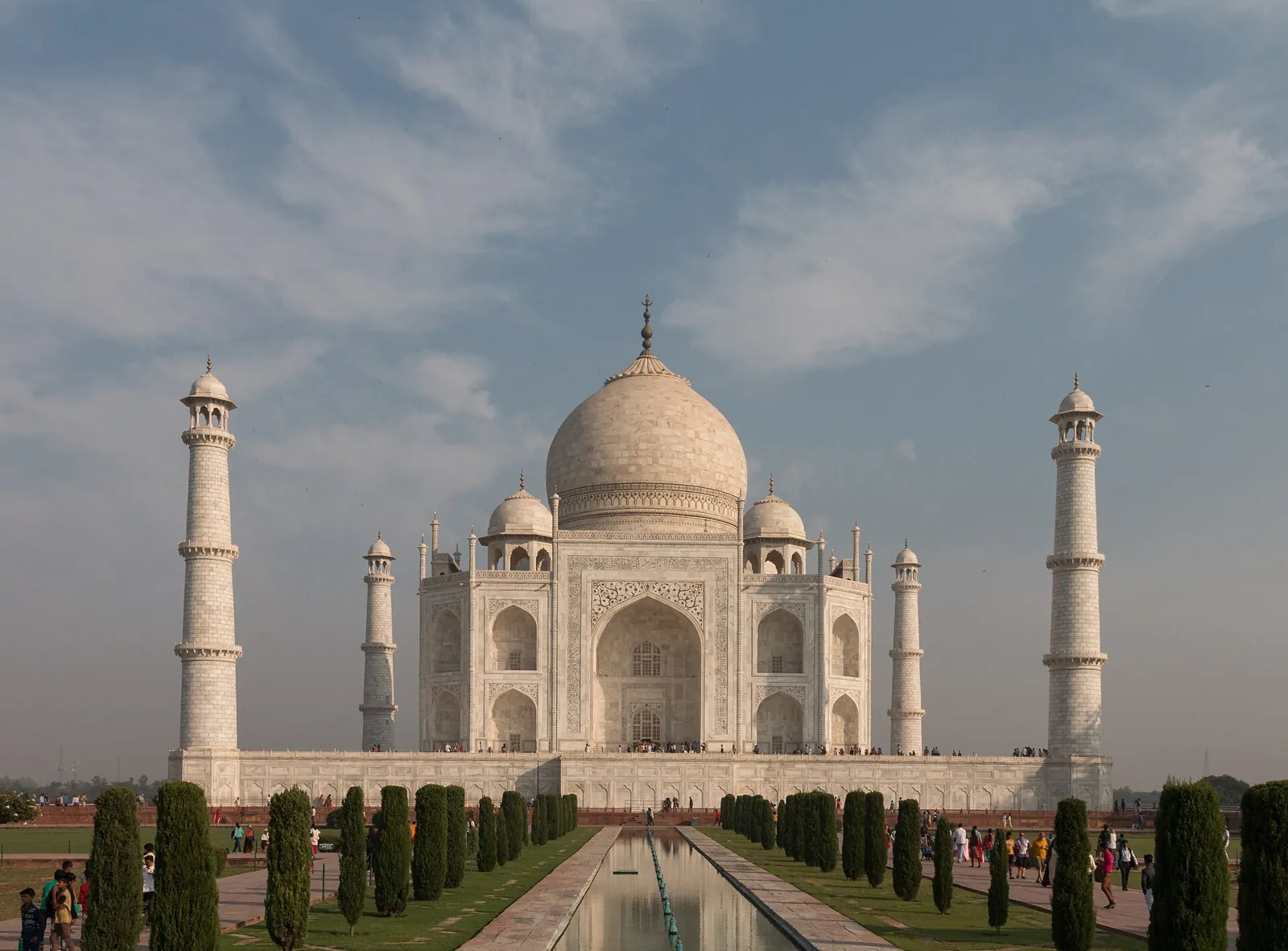
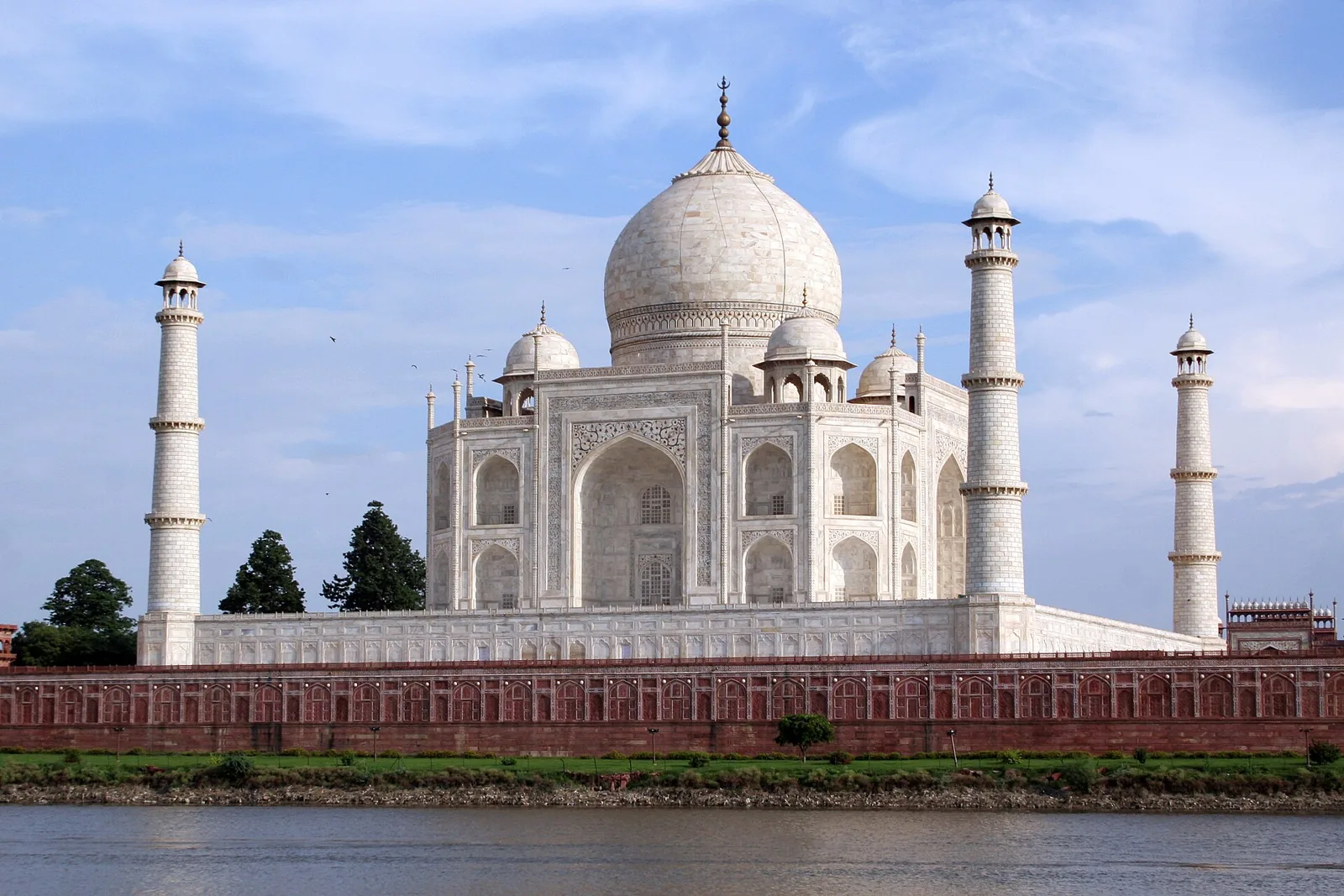
The Taj admits visitors from 30 minutes before sunrise, and the ticket windows open an hour before it. Be in the queue then. The marble moves from grey to rose to cream in the first hour, and the crowds are thinnest at this time.
The official site bars drones and eatables, and tripods without ASI permission, so travel light. Entering the main mausoleum costs an extra Rs 200 on top of the ticket, according to the same page. Wear shoes that slip off easily, and do not rush the garden walk afterwards. The shifting light is the point.
Night viewing exists too: five nights a month around the full moon, in small batches booked through the ASI site. It is a separate, advance-booked experience, not a substitute for sunrise.
Day 2 late morning: Fatehpur Sikri
It is believed to have been built after the Sufi saint Sheikh Salim Chishti blessed Akbar with sons.
Local tradition
Fatehpur Sikri lies west of the city, a drive of about 37 km. Incredible India describes the first planned Mughal city, the Mughal capital from 1571 to 1585.
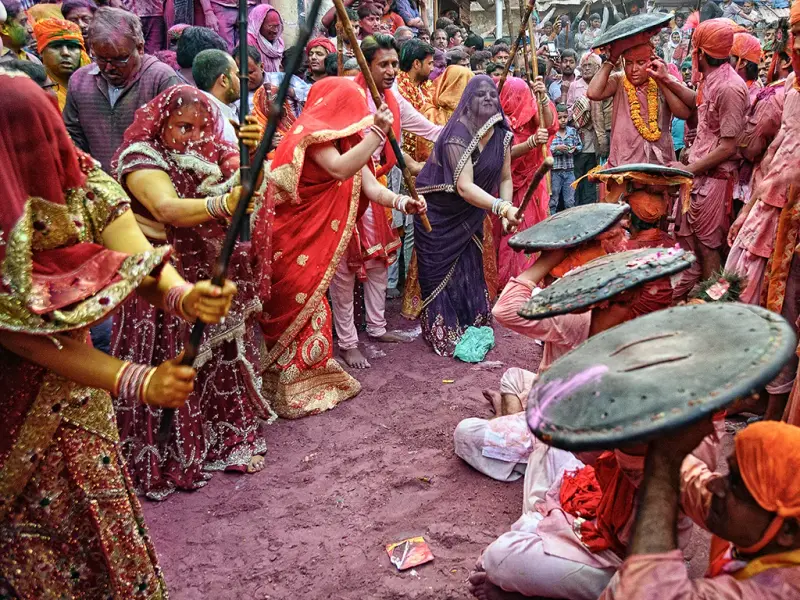
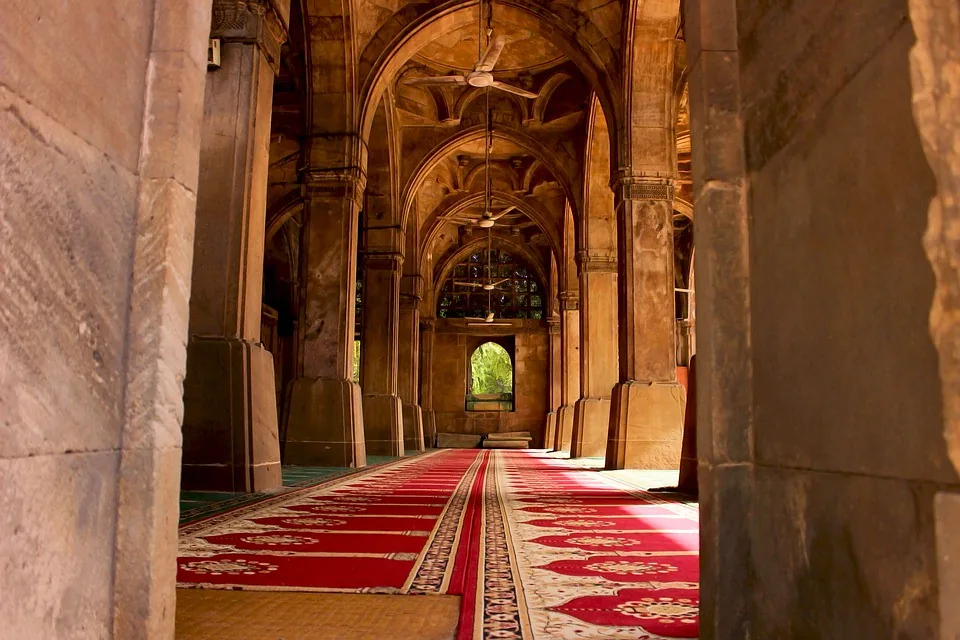
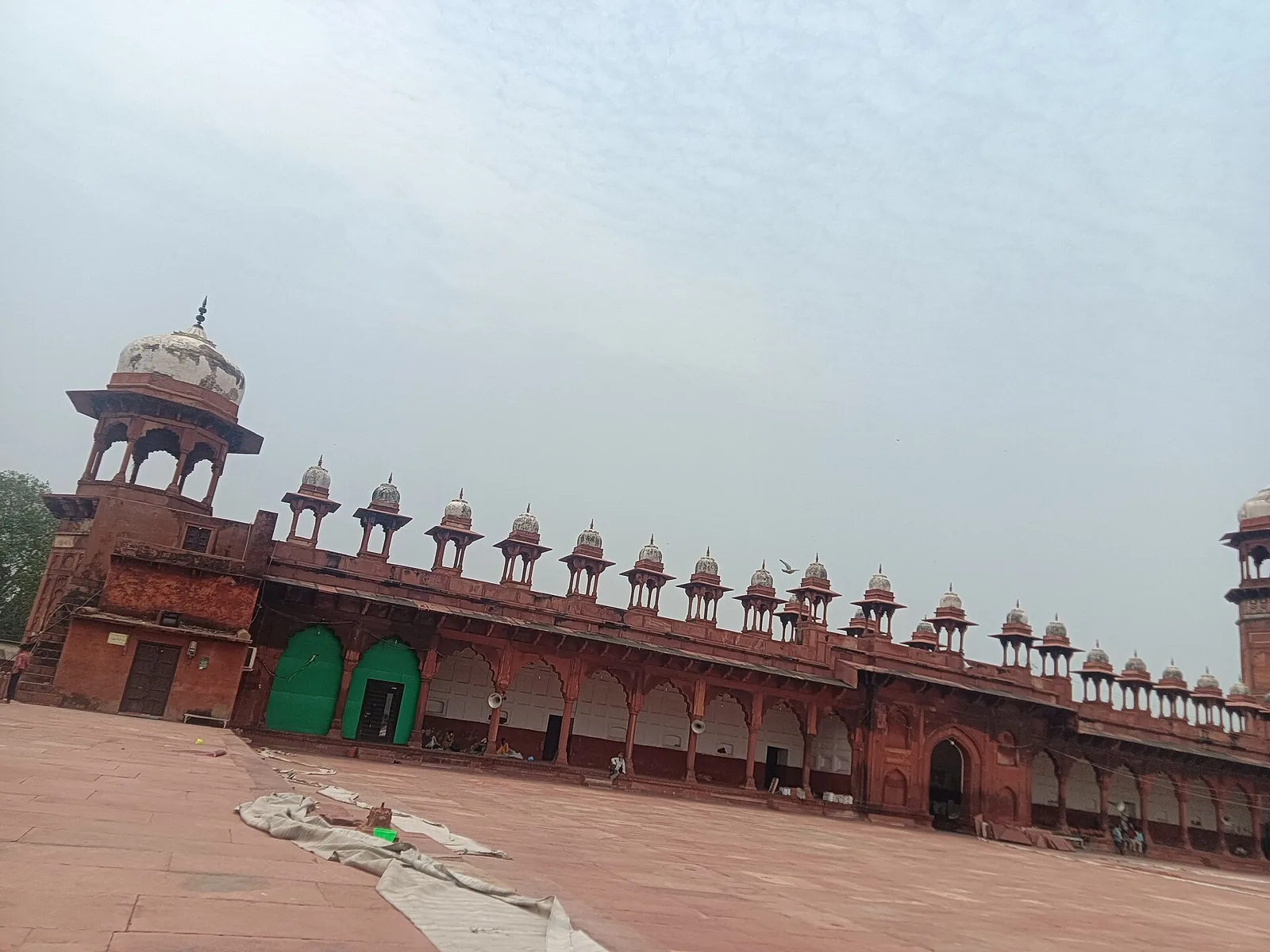
The Jami Masjid and the Buland Darwaza, whose gateway carries verses from the Quran, are the heart of it, with the Palace of Jodha Bai and the hall where Tansen played for the court. Visit before noon, when the stone is cooler underfoot, use official guides and ignore touts on the road in.
Day 2 afternoon: Sikandra, or a road to Braj
Akbar's tomb at Sikandra was begun by him and finished by Jahangir in 1613. It is a five-storeyed pyramid of sandstone and marble in a 119-acre garden about 10 km from the city centre, and blackbuck graze on the lawns. It is a calm hour if you still have legs.
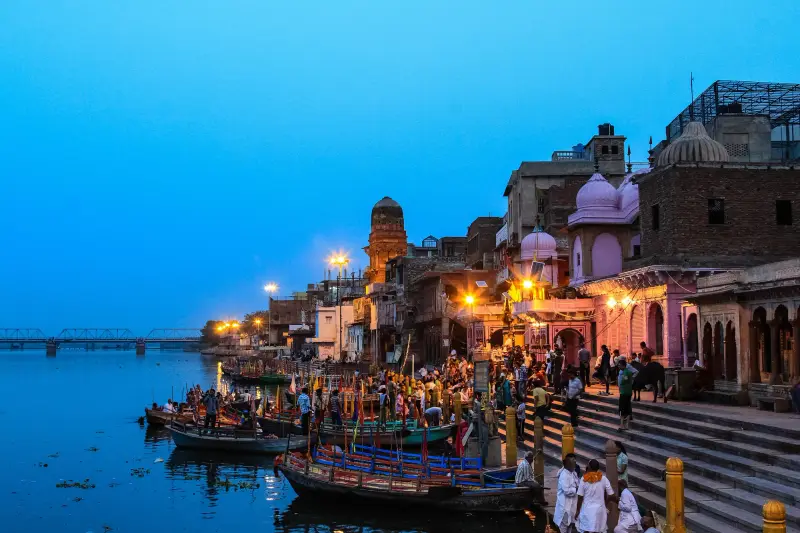
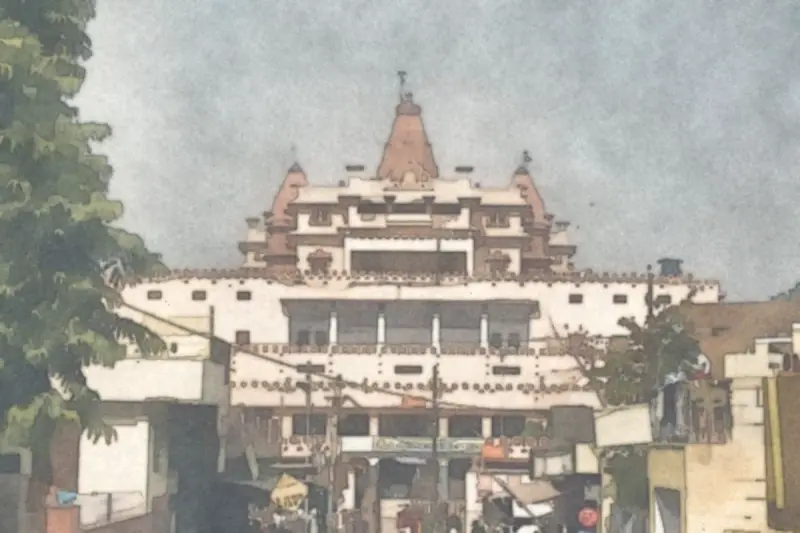
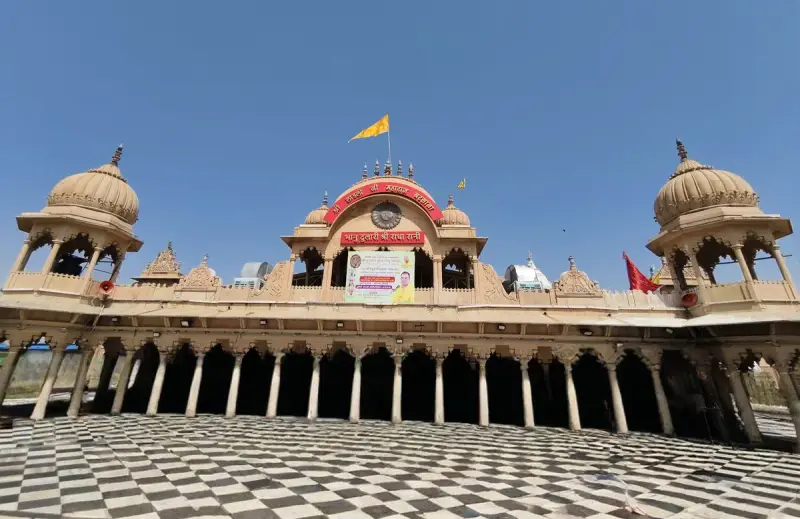
Seekers on a Braj trip can end differently. Mathura is about 58 km on, so you can reach Vrindavan by evening and sit through the Sandhya aarti, a quiet close to two days of stone.
With a third day
Add the old quarter around the Jama Masjid, a slow walk at Mehtab Bagh, or the Keoladeo Ghana bird sanctuary at Bharatpur, about an hour and a half away. Agra is one corner of the Golden Triangle, so two days here slot neatly into a longer Delhi, Agra and Jaipur loop.
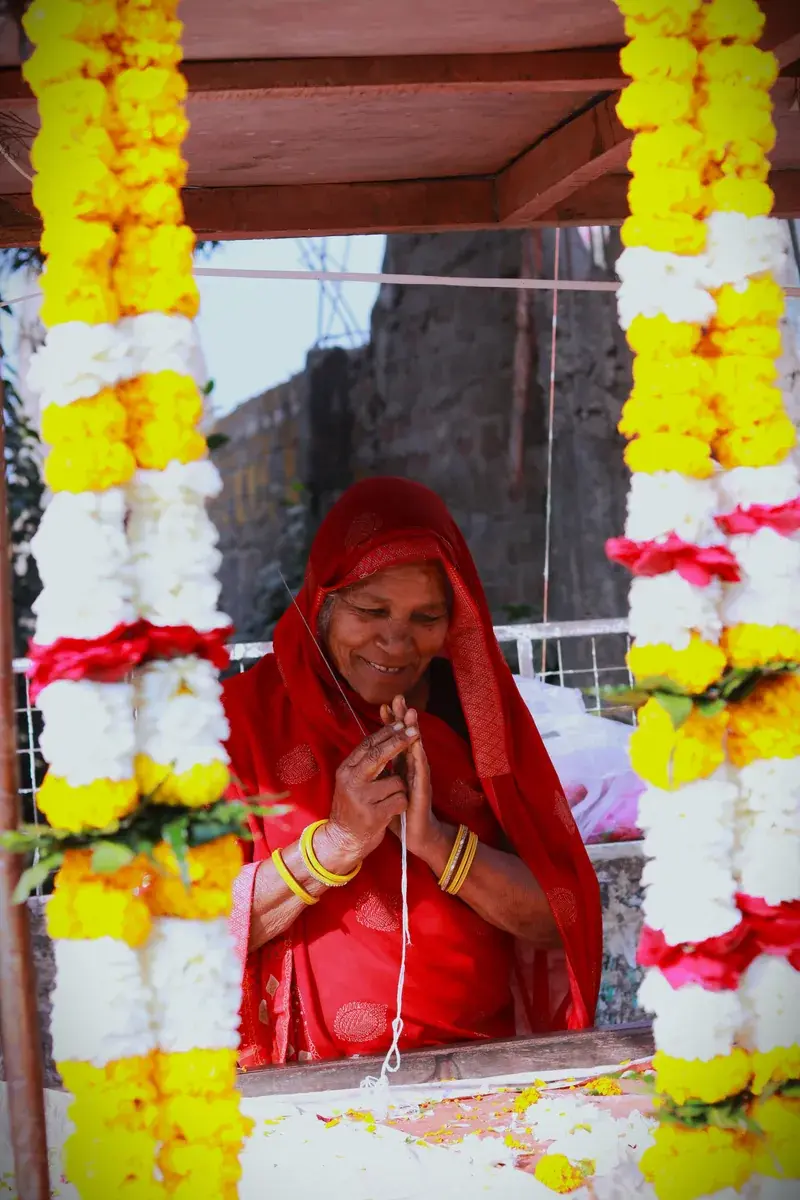
Planning this with Laladham
Laladham picks you up in Delhi and keeps one driver through both days, so he knows the lanes near the Taj and which gate opens early. Share your dates, your group and whether you wish to end in Mathura and Vrindavan on the [booking page](/book) and ask for a quote.
Questions, answered
Is the Taj Mahal closed on Fridays?
Yes, Friday is the only closing day, so choose another day. Agra Fort stays open on Fridays.
How far is Agra from Delhi?
Around 230 km by road, about four hours on the expressway with a short break.
What can I not carry into the Taj Mahal?
Drones, food and tripods, per the official site. Carry little and leave the rest in the car.
How far is Fatehpur Sikri from Agra?
About 37 km, so an hour on the road.
Can I go on to Mathura and Vrindavan after Agra?
Yes, Mathura is about 58 km from Agra, so Agra and Braj combine well.