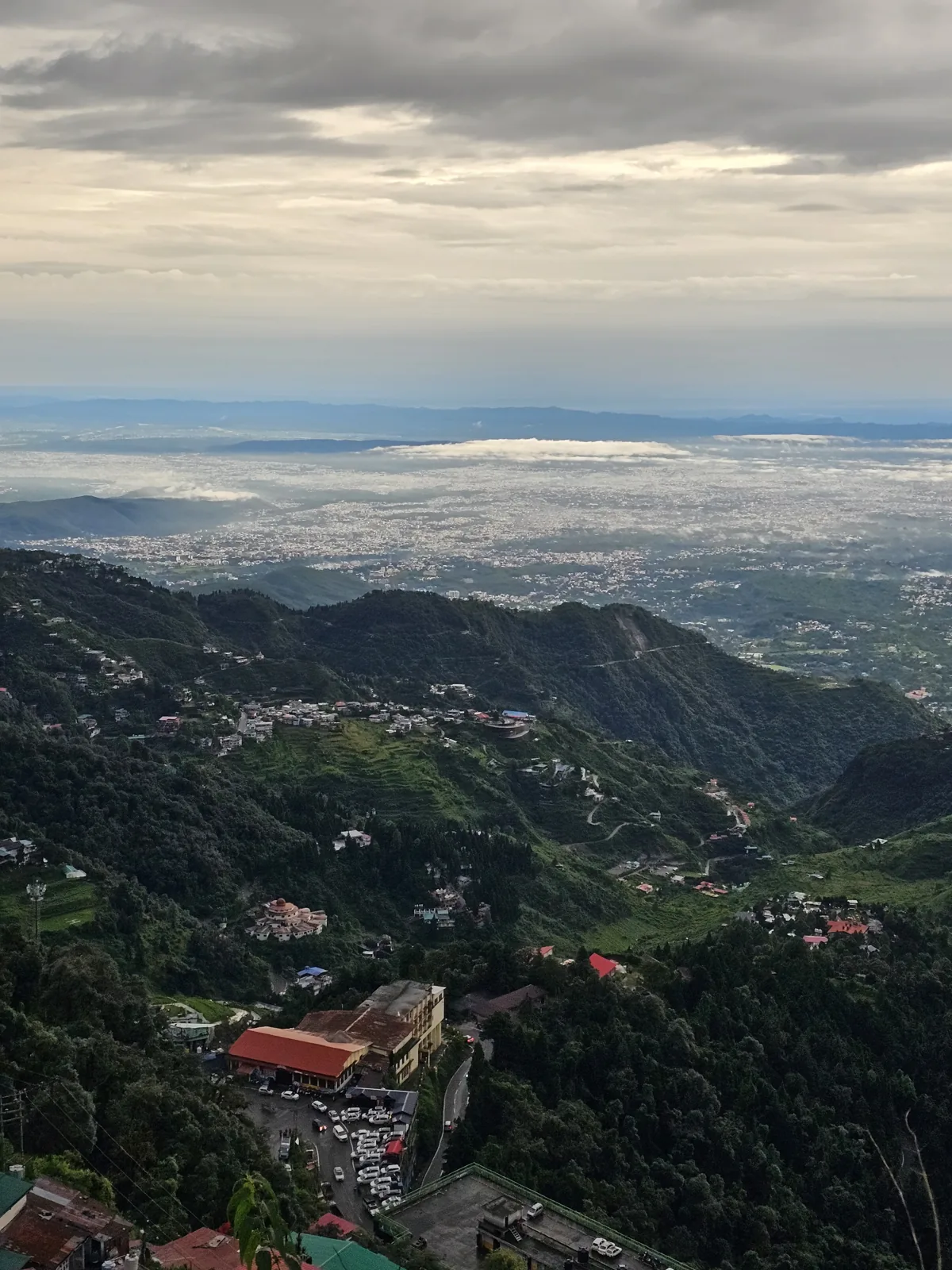
Three towns, three altitudes, one slow descent. Dehradun sits in a green valley and is the easiest place to begin, with leafy streets and an old forest campus that people forget to visit. Mussoorie is an hour up the ridge, where mornings begin in cloud and the evenings are cold even when the plains are boiling. Rishikesh waits at the bottom, on the clear green Ganga, for the last two days when your legs want a flat walk and a hot meal.
The plan leans on what travellers who have done this loop actually say. Mussoorie is better in the early hours and on weekdays; the famous spots are crowded at midday, the quiet ones are the lanes and the walking loops. Landour, a short walk beyond the main bazaar, tends to be the part people end up remembering. Kempty Falls is a short drive away and is worth it only if you go early and you accept the crowd.
This suits couples, small families and parents who like cool air and short outings. It is gentle on the body, since most walks are optional loops and the driving is shared out across the days. The car and driver stay with you from Dehradun to Rishikesh, handled by Laladham, so none of the narrow hill roads are yours to negotiate.
From your pickup
Same trip, four starting points. Road times are real driving times; a long drive becomes its own travel day so nobody arrives wrecked.
Day by day
Day 1 · night in Dehradun
Dehradun: forest campus and a cave stream
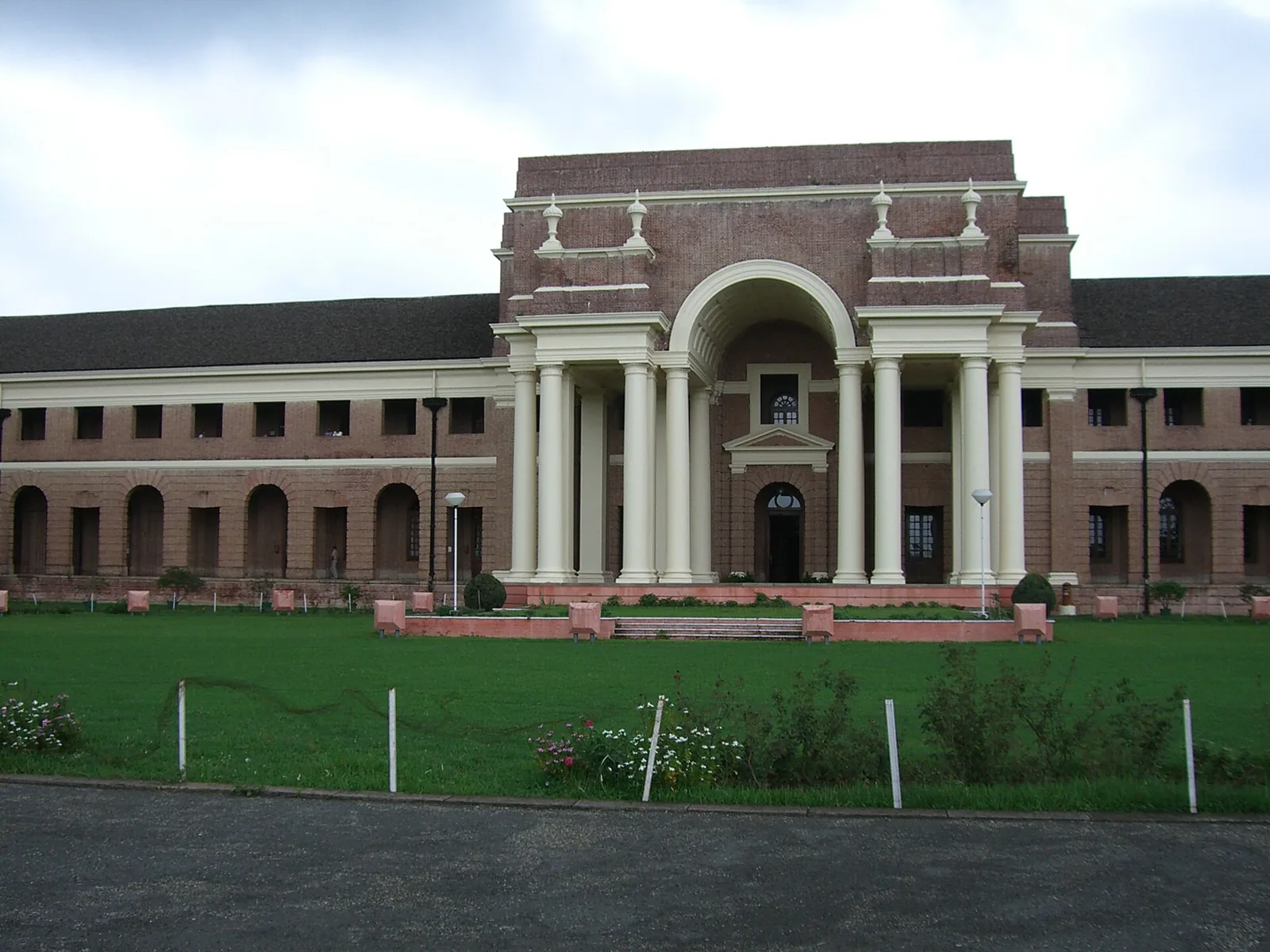
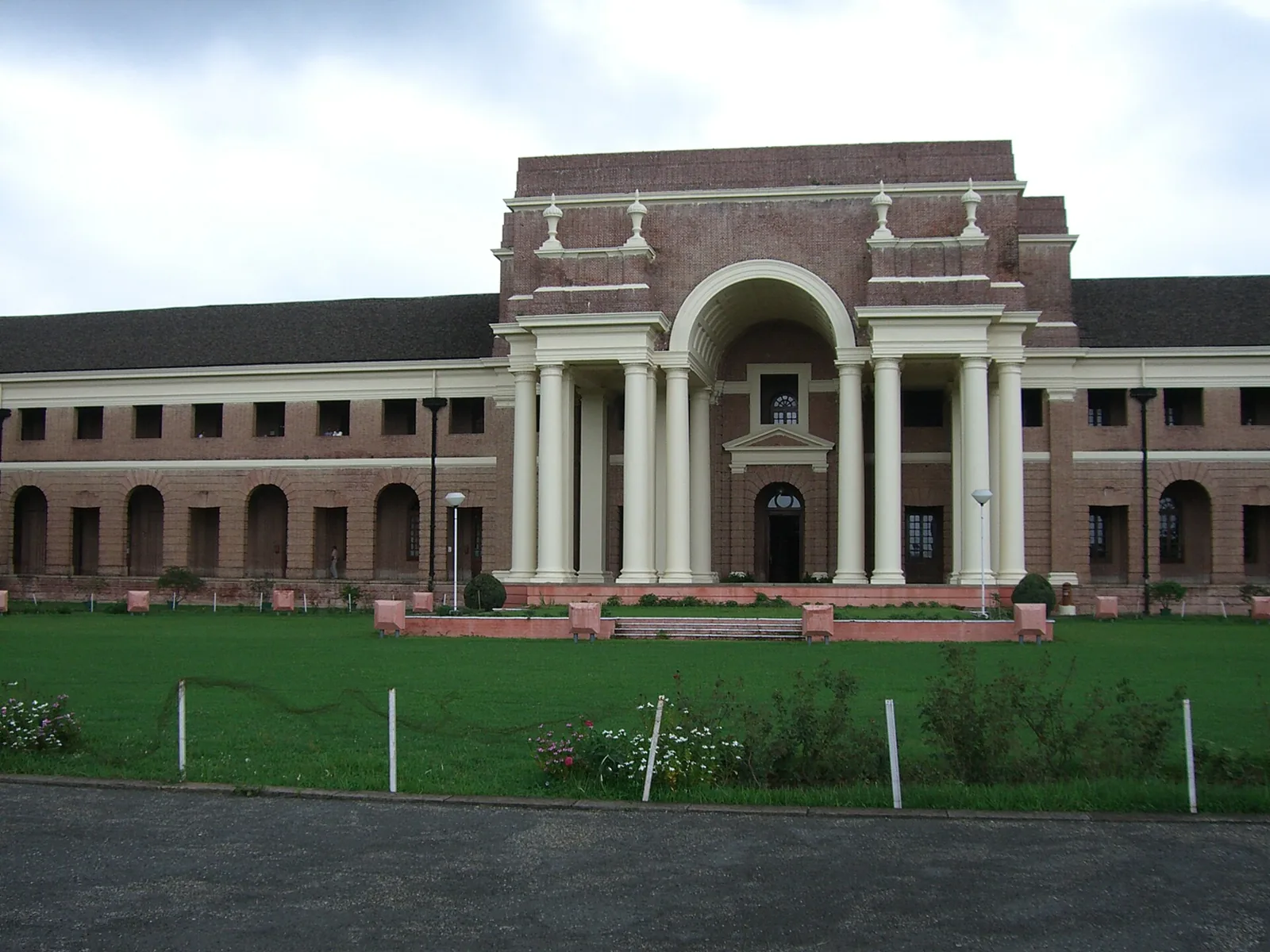
Begin at the FRI, a forestry campus of about 450 hectares with a grand brick-and-columns main building that the tourism board says was once recognised as the world's largest brick structure. Its museums cover insects, tree diseases and timber, and the official page notes a herbarium and library as well. Visits fit between opening at nine and closing at half past five, with Sundays off, so keep this for a weekday morning if you can. Plan about two hours, and walk the lawns before the heat builds.
After lunch, drive out to Robbers Cave, known locally as Guchhu Pani. A traveller who went in September 2018 describes a cave about 600 metres long with a small waterfall inside. He found only four or five other people there. Wear shoes that can get wet, and go on a dry day, since it follows a stream bed.
Come back to town for tea and an easy evening. The valley air is milder than the ridge, and tomorrow's climb will feel better after an early night.
- Forest Research Institute
- Robbers Cave
- Dehradun
Day 2 · night in Mussoorie
Up to Mussoorie, and Mall Road the sensible way
Dehradun to Mussoorie, about 34 km, an hour or more depending on traffic
The ride up takes roughly an hour when the road is moving. In peak weeks, though, it stretches: one father who drove in during late May said he had badly underestimated the traffic at the entrance to town. Leave early, check in, and spend the middle of the day resting rather than chasing sights.
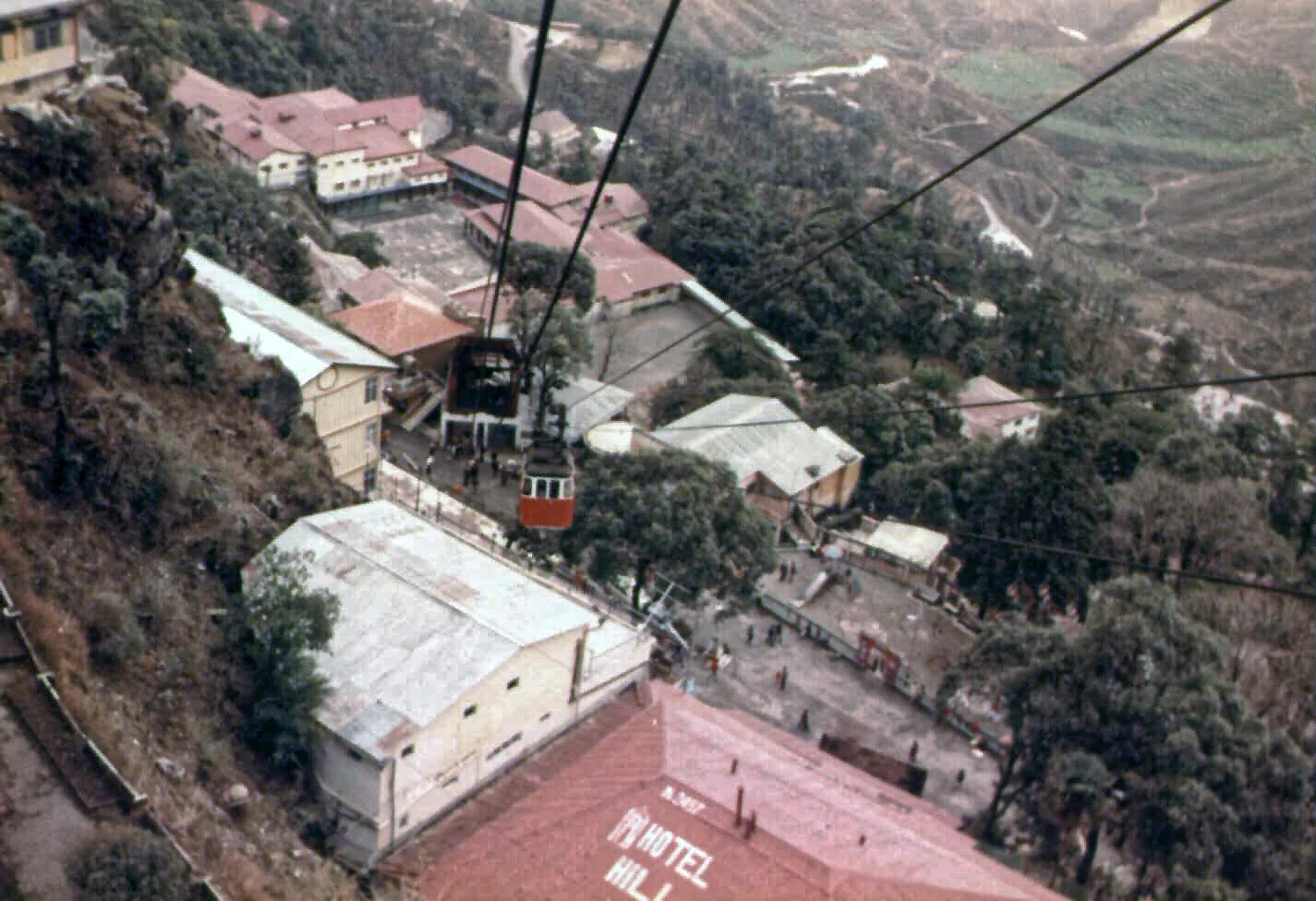
Mall Road, which runs from Library Chowk, is crowded after sunset in season, so the usual suggestion is to walk it in the morning or very late, with a small bag of loose change for souvenirs, as another trip writer advised. Gun Hill is the second-highest point in the town and can be reached by ropeway from Mall Road or on foot, about two kilometres. Telescopes at the top bring the Himalayan peaks closer. Most people prefer to go up in the morning when the queue for the ropeway is short.
For dinner, stay near the ridge and eat early. Evenings here are chilly even in October, according to someone who went on a family weekend, so keep a layer in the car.
- Library Chowk
- Mall Road
- Gun Hill ropeway
Day 3 · night in Mussoorie
Landour lanes, Lal Tibba and a George Everest walk
Landour is about fifteen minutes on foot from Picture Palace, where the commercial Mall Road ends, and it feels like a different town: old cantonment lanes, quiet, with cafes in converted houses. A family that went to Landour describes lunch at the four small shops known as Chaar Dukaan and coffee at a glass-walled cafe afterwards. Spend the morning walking the loop, and expect to take it slowly because the road climbs.
Lal Tibba, at about 7,510 feet, has a telescope terrace with views of snow peaks when the sky is open. The roads to it and to Cloud's End are steep and narrow, which the same family warned about, so let the driver handle them rather than rent a self-drive. Their senior member managed the three-kilometre figure-eight walk at Lal Tibba, which gives some idea of how gentle it is.
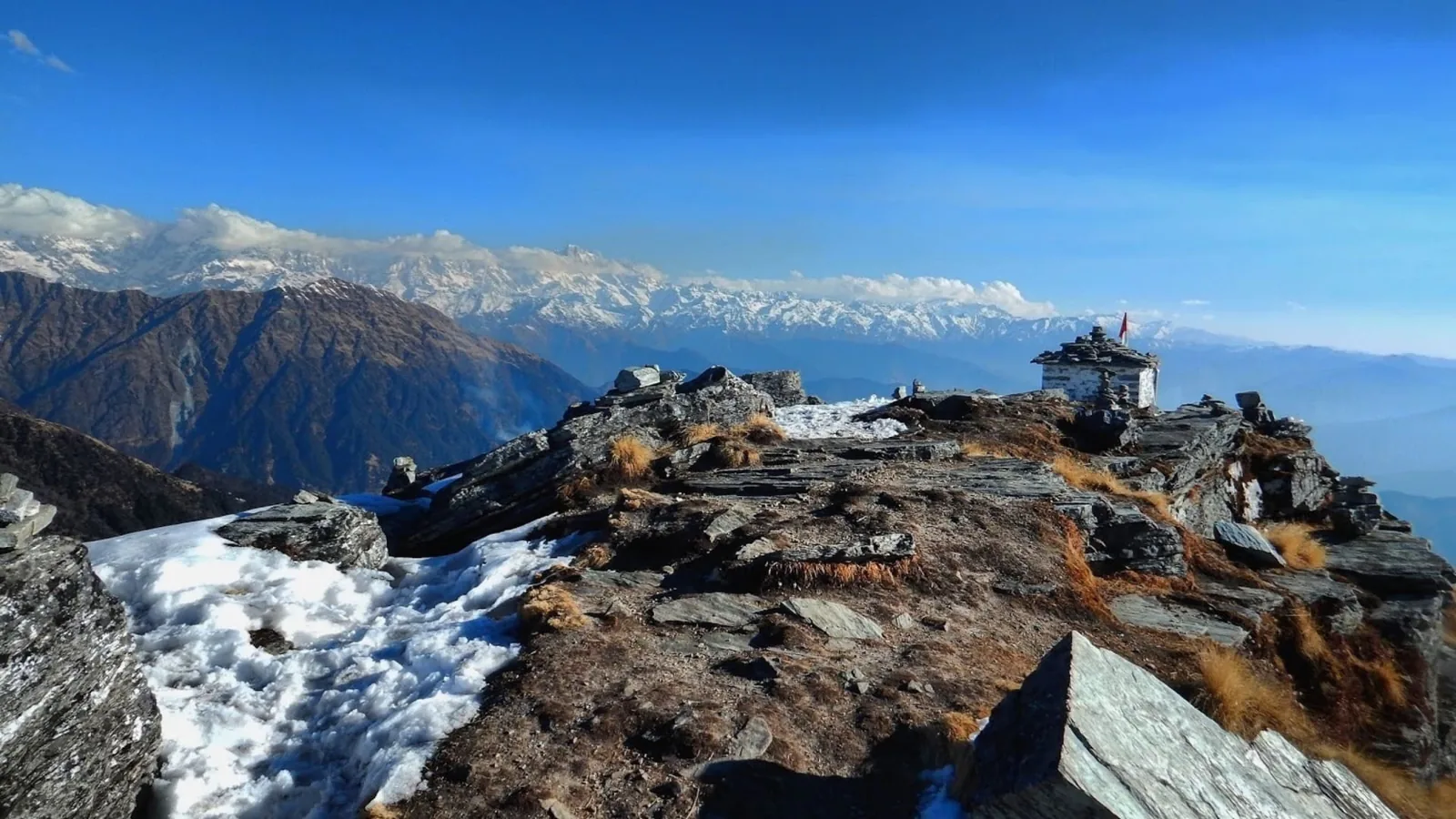
George Everest Peak is a few hundred steps with views over meadows and valleys, and the descent takes about half an hour. Skip Cloud's End unless the weather is clear: the writer found the entry price high for what was a windy viewpoint, and rain and cold forced him to sit in the exhibit room. Mussoorie's wildlife preserve got a poor report too, with a hidden signboard and pushy monkeys, so keep your plan to the walks above and Jabarkhet, which he found tidy and well marked.
- Landour
- Chaar Dukaan
- Lal Tibba
- George Everest Peak
Day 4 · night in Rishikesh
Kempty Falls early, then down to Rishikesh
Mussoorie to Kempty Falls about 13 to 15 km; then on to Rishikesh, allow about three hours with stops
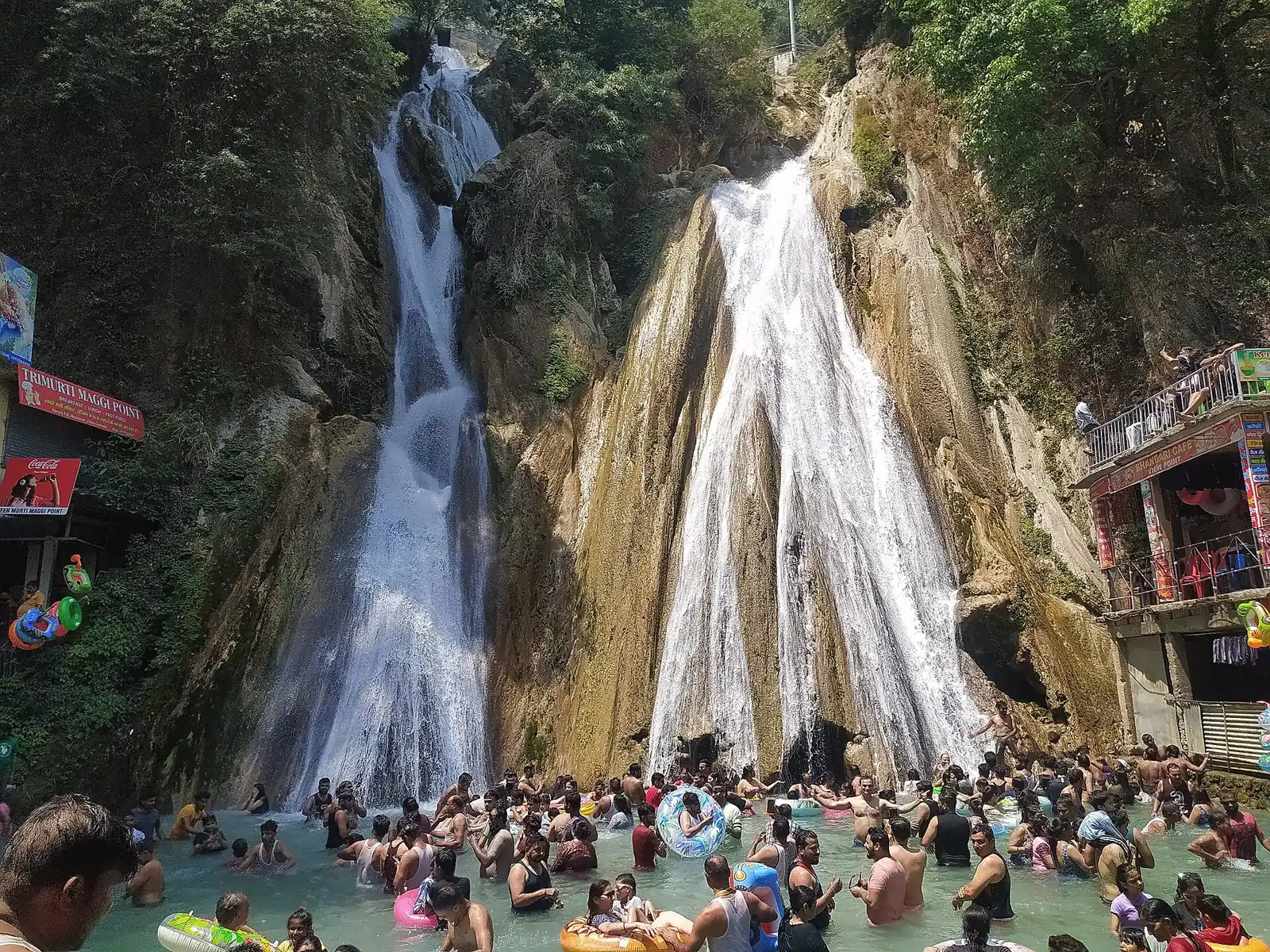
Go to Kempty Falls first, before the coaches arrive. The cars stop on the road above and you either take the steps, about four hundred metres, or the cable car. A traveller who jumped into the plunge pool found the water bitterly cold and the pool only three or four feet deep. Photographs of the falls on a normal day show hundreds of people crowded in the water. Which is why the accounts keep saying morning or midweek. Jharipani Falls, suggested by one blogger as quieter, is the alternative if the crowd puts you off.
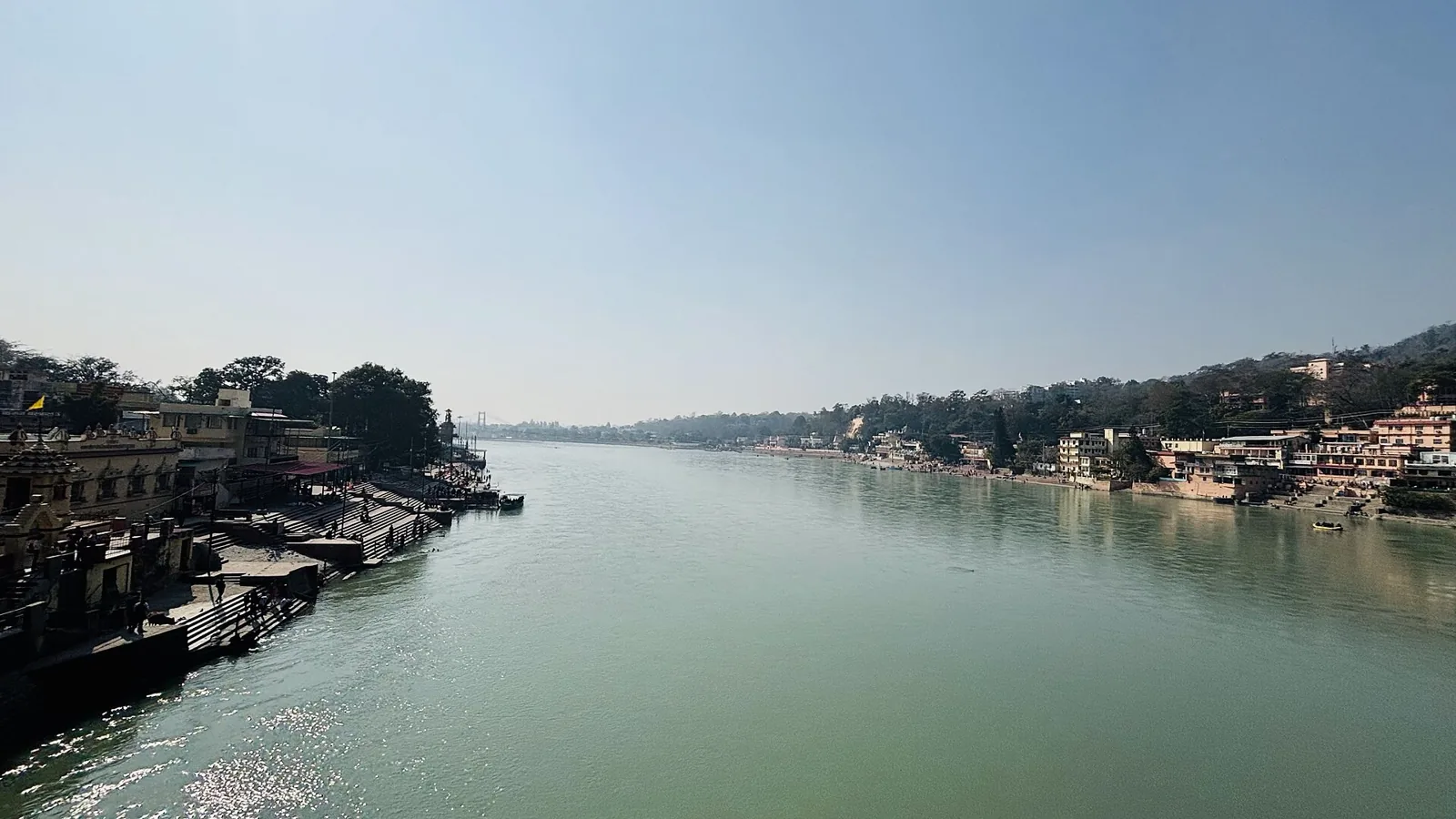
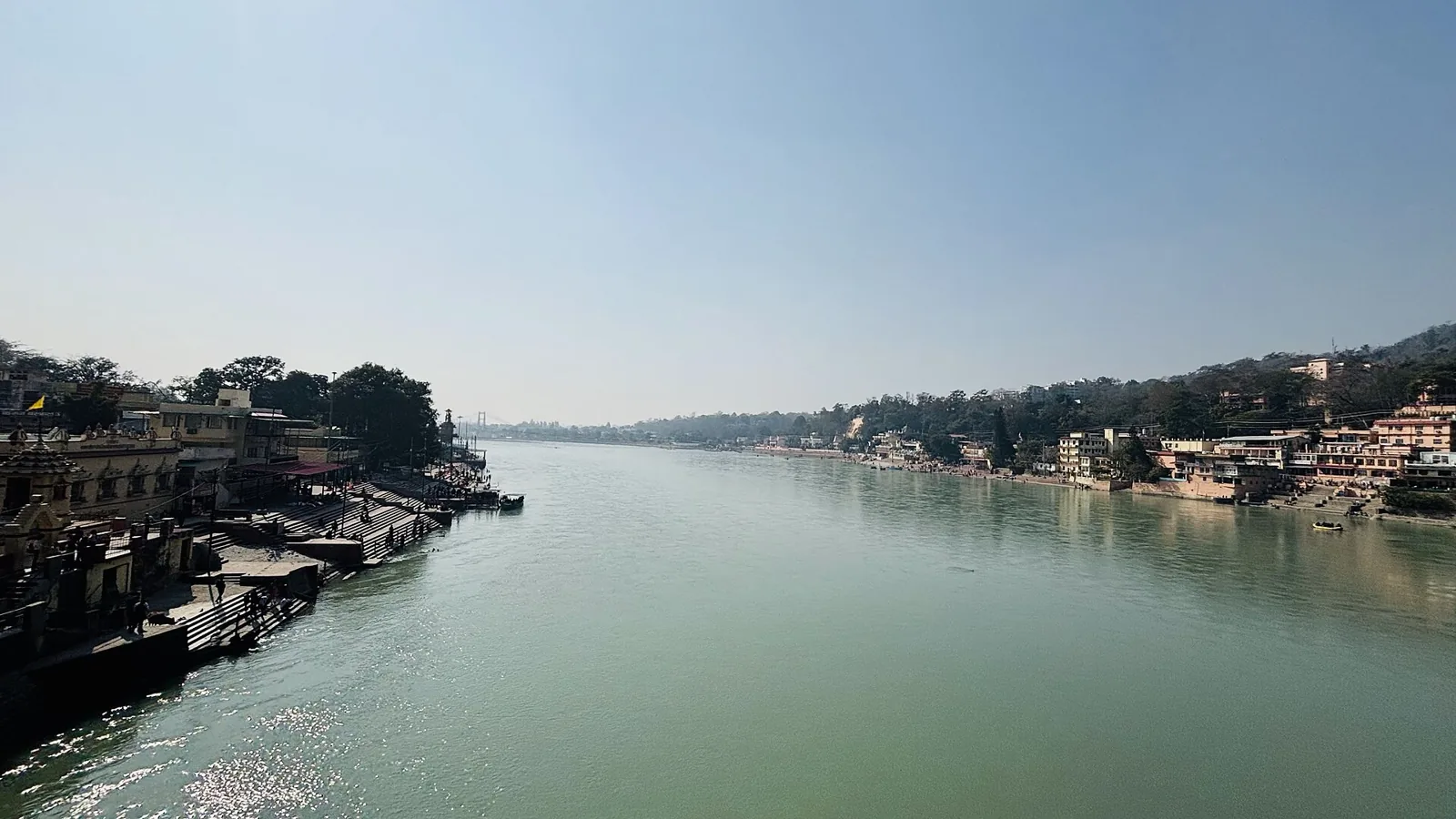
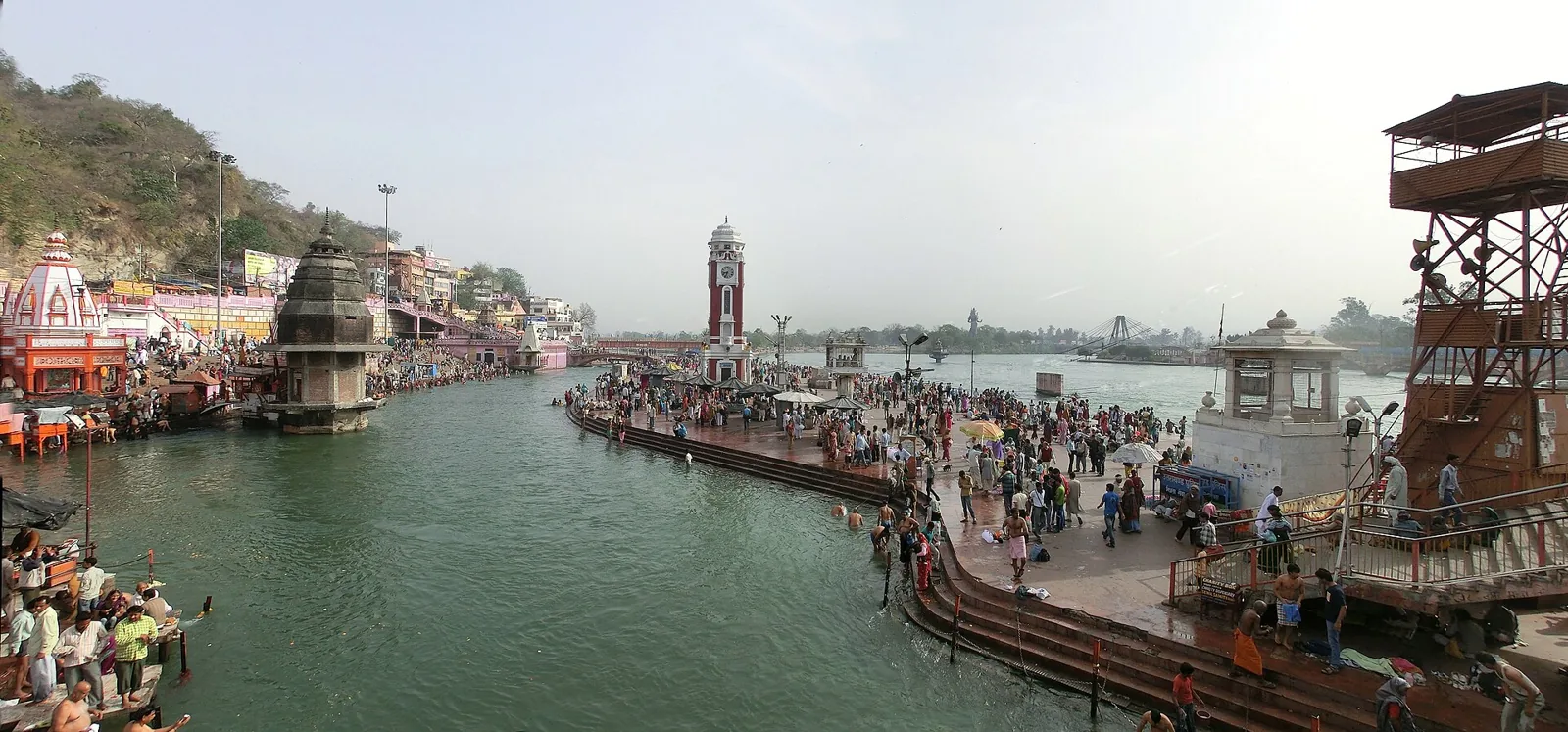
From there the road runs downhill to the plains and then north again to Rishikesh. Plan this as a lazy afternoon. Eat lunch on the way, and check in by mid-afternoon. In the evening walk to the river. A first look at the water with the hills behind is a good way to finish a day of switchbacks.
- Kempty Falls
- Rishikesh
- Ganga riverbank
Day 5 · night in Rishikesh
Ram Jhula, the Beatles Ashram and the last aarti
Cross Ram Jhula in the morning, while it is quiet. The tourism board lists it as the landmark suspension bridge, along with the sight of Laxman Jhula, whose current access you should confirm locally. From the Parmarth side, a path leads along the bank to the Beatles Ashram, the abandoned compound where the band stayed with Maharishi Mahesh Yogi in the late 1960s. A writer who first walked in around 2010, when it was overgrown jungle, left early after hearing movement in the bushes. The site opened to visitors at the end of 2015, and murals were commissioned in 2016. Allow one to two hours, with chai outside.
In the afternoon, rest and then return to the river for the evening ganga aarti at Triveni Ghat or Parmarth Niketan. Pick one rather than rushing between both. Diyas are floated on the water as the chanting goes on, and the cafes along the bank are good for a long dinner afterwards.
- Ram Jhula
- Beatles Ashram
- Triveni Ghat
- Parmarth Niketan
Choosing the month
Outlook Traveller names March to June and October to early December for Mussoorie, with May and June very crowded and winters very cold. Midwinter snow is possible and the roads can slow. Rishikesh runs on its own calendar: the board suggests September to November and February to April. Put the two together and late October and the weeks around March give you the best balance of cool hills and a comfortable river.
What people say they would change
Most trip reports mention traffic first. A weekend arrival in Mussoorie can take hours more than the map suggests, so start the hill days early and keep Sunday afternoons free. Others regret chasing every named viewpoint. The walks and the lanes tend to stay in memory; the paid viewpoints rarely do. Last, take a warm layer even in October.
A common mistake with public transport, according to one blogger, is taking a bus that does not stop at the falls and ending up in the wrong town overnight. A private car avoids that.
For older parents and small children
Most of this trip is gentle. The ropeway at Gun Hill saves a climb, the Kempty cable car saves the steps, and the Lal Tibba loop is easy enough that a senior in one family completed it. Robbers Cave involves wading over uneven stones, so judge it on the day, and skip the narrow lanes to Cloud's End if anyone gets carsick.
What the price covers
- One car and driver from your pickup to the final drop
- 6 nights in hand-picked stays
- Breakfast and dinner every day
- Local guide at the main sights
- Tolls, parking and fuel
- Lunches
- Monument tickets, permits and activity fees
- Personal shopping
Questions people ask
Is five days too long for Mussoorie, Dehradun and Rishikesh?
It is a comfortable pace: one day for Dehradun, two in the hills, and two on the river. Three days feels rushed, because the road between towns eats a lot of daylight.
When is the best time to avoid crowds in Mussoorie?
Weekdays outside May and June. Early mornings and October visits come across as far calmer in trip reports than the peak weeks.
Is Kempty Falls worth visiting?
Yes, provided you arrive first thing; the cold plunge pool is the draw. Reports describe it as very crowded later, so some people choose the quieter Jharipani Falls instead.
Can this start from Delhi, Agra, Mathura or Jaipur?
Any of the four pickup cities works. Your drive up to Dehradun is added as a separate travel day, and the five days above start on arrival.
Is the Forest Research Institute open on Sundays?
No. Sundays are a closed day on the official page, so plan Dehradun on a weekday.
Will we see snow in Mussoorie?
Snow is possible in midwinter, and peaks are visible from Lal Tibba in good weather, but winters are very cold and roads may slow.
- FRI hours and the Sunday closure, per the Incredible India page
- Gun Hill ropeway and Kempty Falls cable car timings, which change with the weather
- Whether Laxman Jhula is open to walkers
- Road conditions and traffic into Mussoorie at weekends and in peak months
- Beatles Ashram hours and entry arrangements at the gate
 11 days
 4 days
 4 days