Build the three days backwards from the aarti, and the rest falls into place around it.
Day 1: Delhi to Haridwar, arriving before the aarti
The road from Delhi to Haridwar is about 220 to 230 km, roughly 4.5 to 5.5 hours, and the Vande Bharat covers it in around three and a half. Your goal is to reach the ghats in time to stand somewhere good, which means reaching the main ghat well before the first lamp is lit.
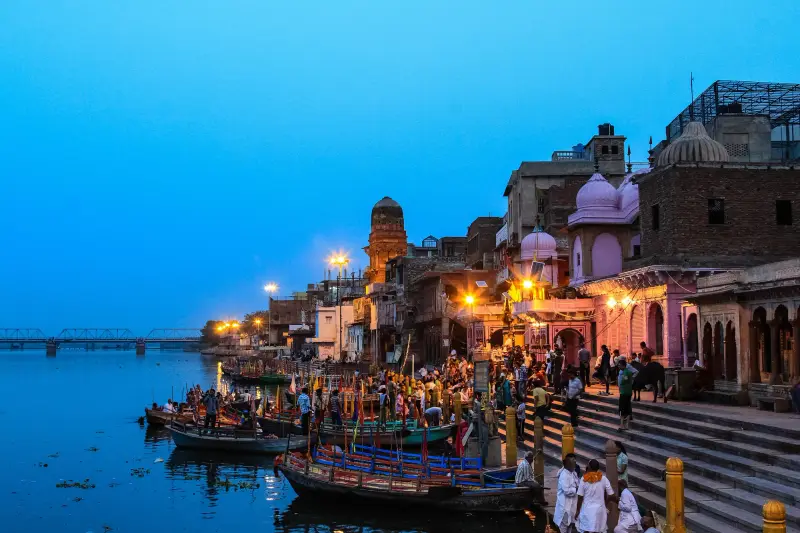
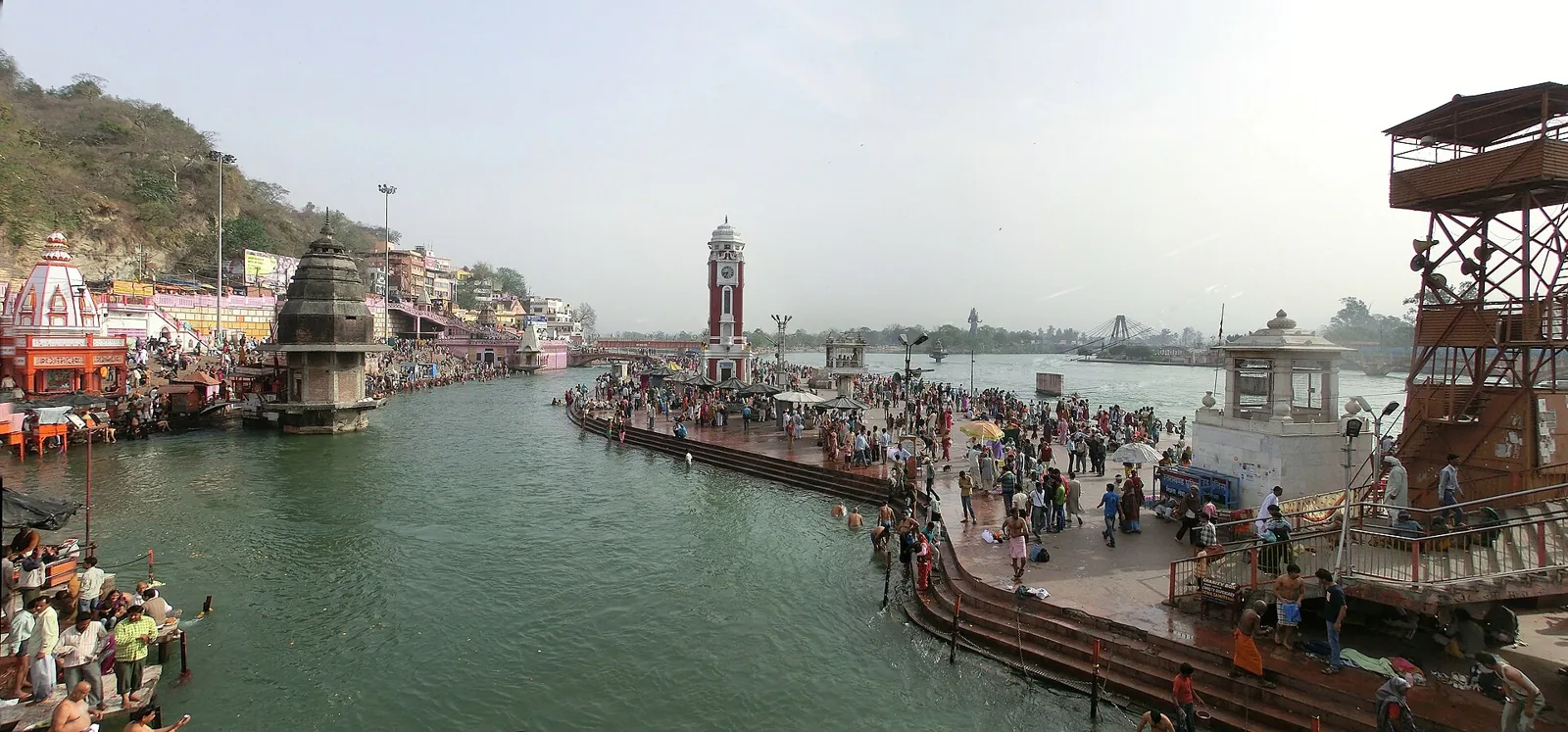
The tourism board gives no clock times, and traveller guides tie the aarti to sunset: roughly 5:15 to 5:30 in January and February, 6 to 6:30 in March and April, 7 in May and June, 6:30 through the monsoon months, and 5:30 to 6 from October to December. Har Ki Pauri is the most sacred ghat, with Brahma Kund beside it, and the nightly aarti opens with a conch and the chant of Har Har Gange. Standing on the north side of Brahmakund, or on the bridge, gives a good view. If the crowd is too much, Subhash Ghat, about 500 m upstream, has a similar view and far fewer people, and one guide recommends it for a first visit. The other main ghats are Gau Ghat and Ashti Parvath Ghat.
Day 2 morning: sunrise aarti and the hill temple
The morning aarti is smaller and calmer, at about 5:15 to 6:30 depending on the month. After it, the Mansa Devi ropeway runs from 7 to 6 and costs about Rs 120 round trip, though visibility can be poor in the rains, so skip it then.
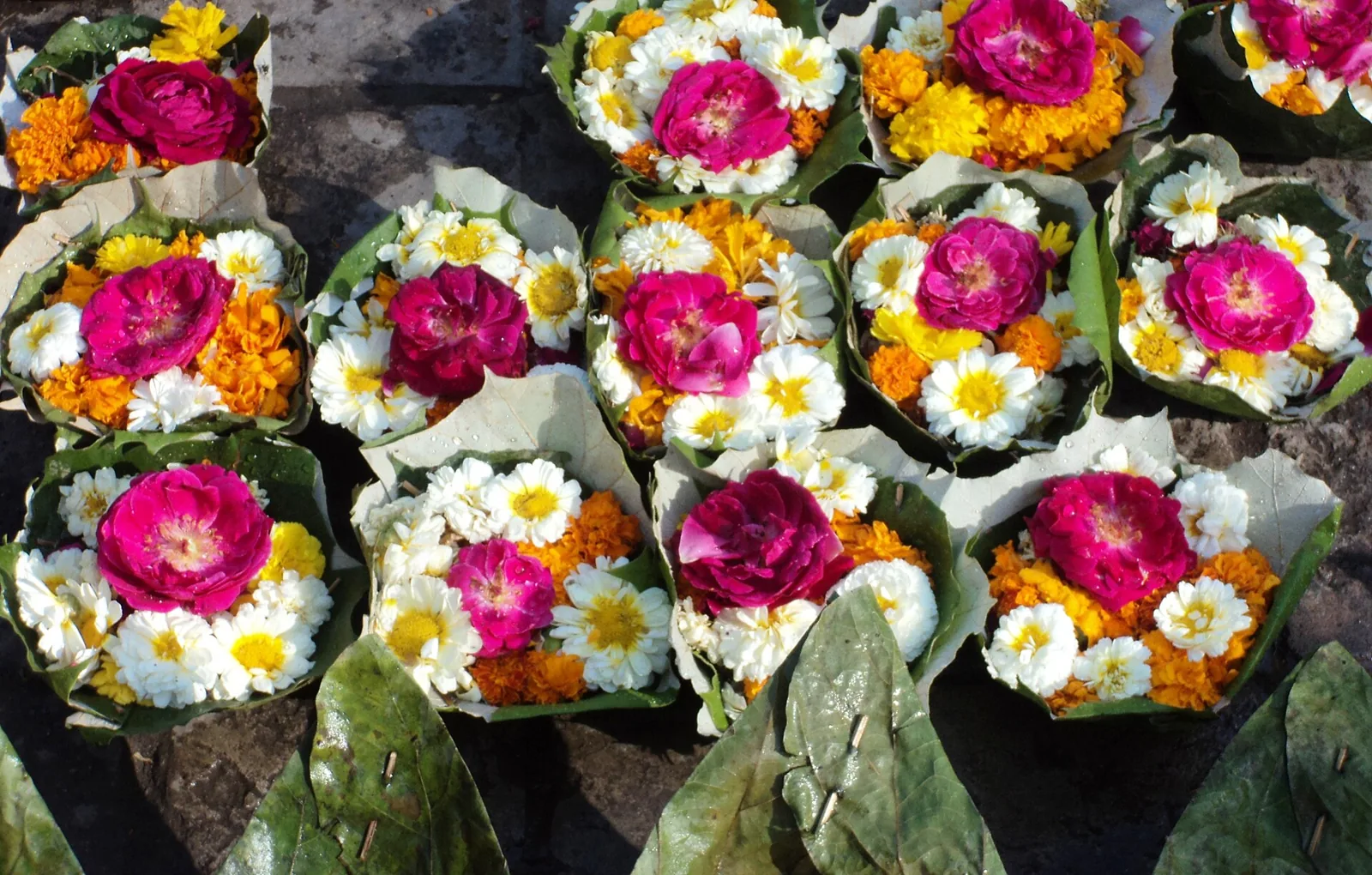
On the ghats, a thali donation of Rs 50 to 200 is typical and a pundit's blessing is optional, at roughly Rs 100 to 500. Walk away from anyone demanding more than Rs 500. Phones and DSLRs without tripods are allowed, drones are banned, and professional lighting needs the temple authority's permission.
Day 2 afternoon: on to Rishikesh
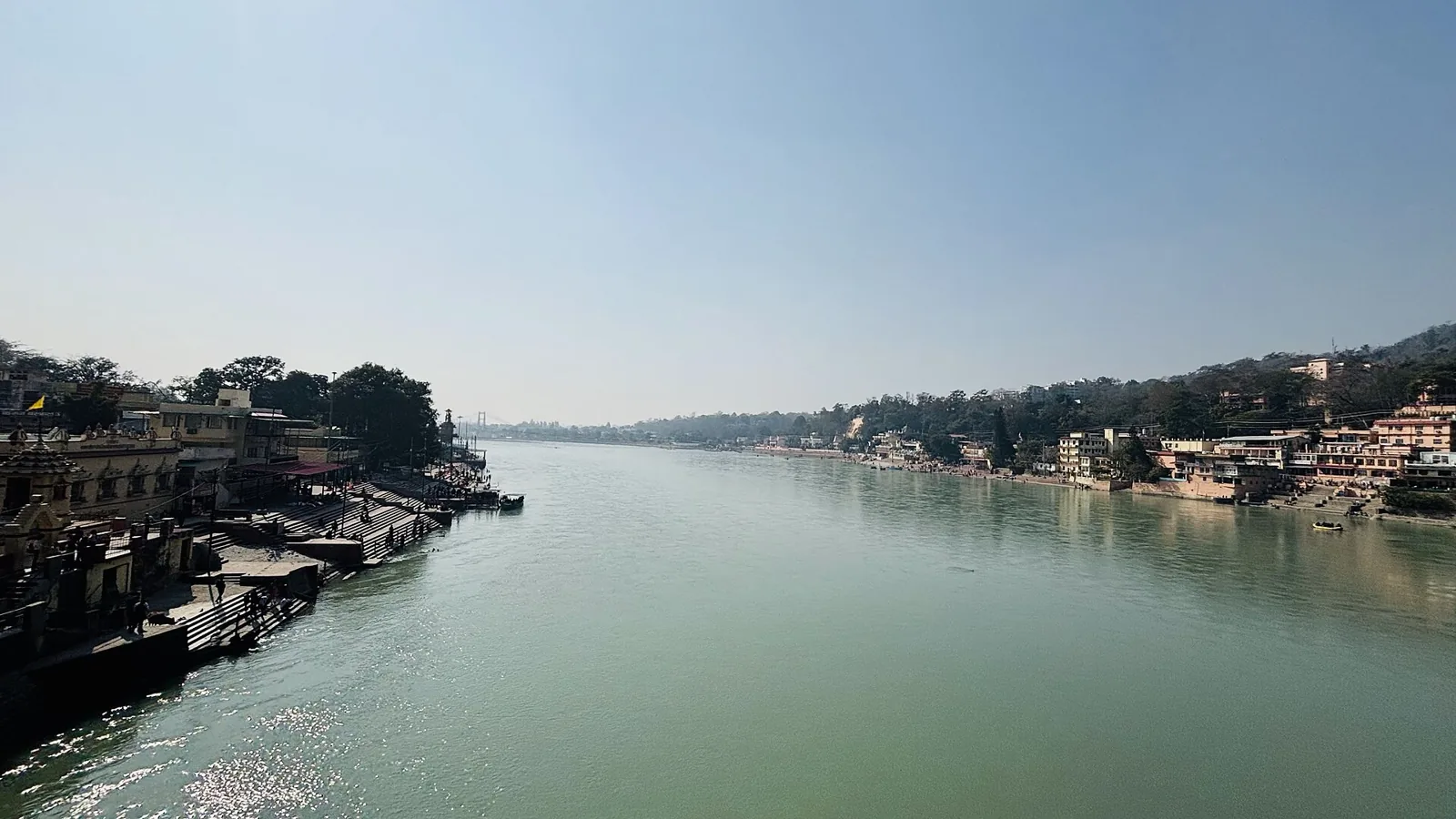
Drive on to Rishikesh after lunch (Rajaji Tiger Reserve lies about 10 km from Haridwar if you want a detour) and check in near the river. Haridwar's aarti is the larger and busier of the two, so Rishikesh's is the gentle one. Get to the water an hour before the evening aarti, at Triveni Ghat from about 5:30 to 6:30 in winter and 6:30 to 7:30 in summer, or at Parmarth Niketan from 6 to 7 in summer and 5 to 6 in winter.
Day 3: Rishikesh by bridge and by river
The early aarti at both ghats runs about 5:45 to 6:30. The ceremony is led by priests and students with chanting, bhajans and diyas set on the river, so arrive early and sit down.
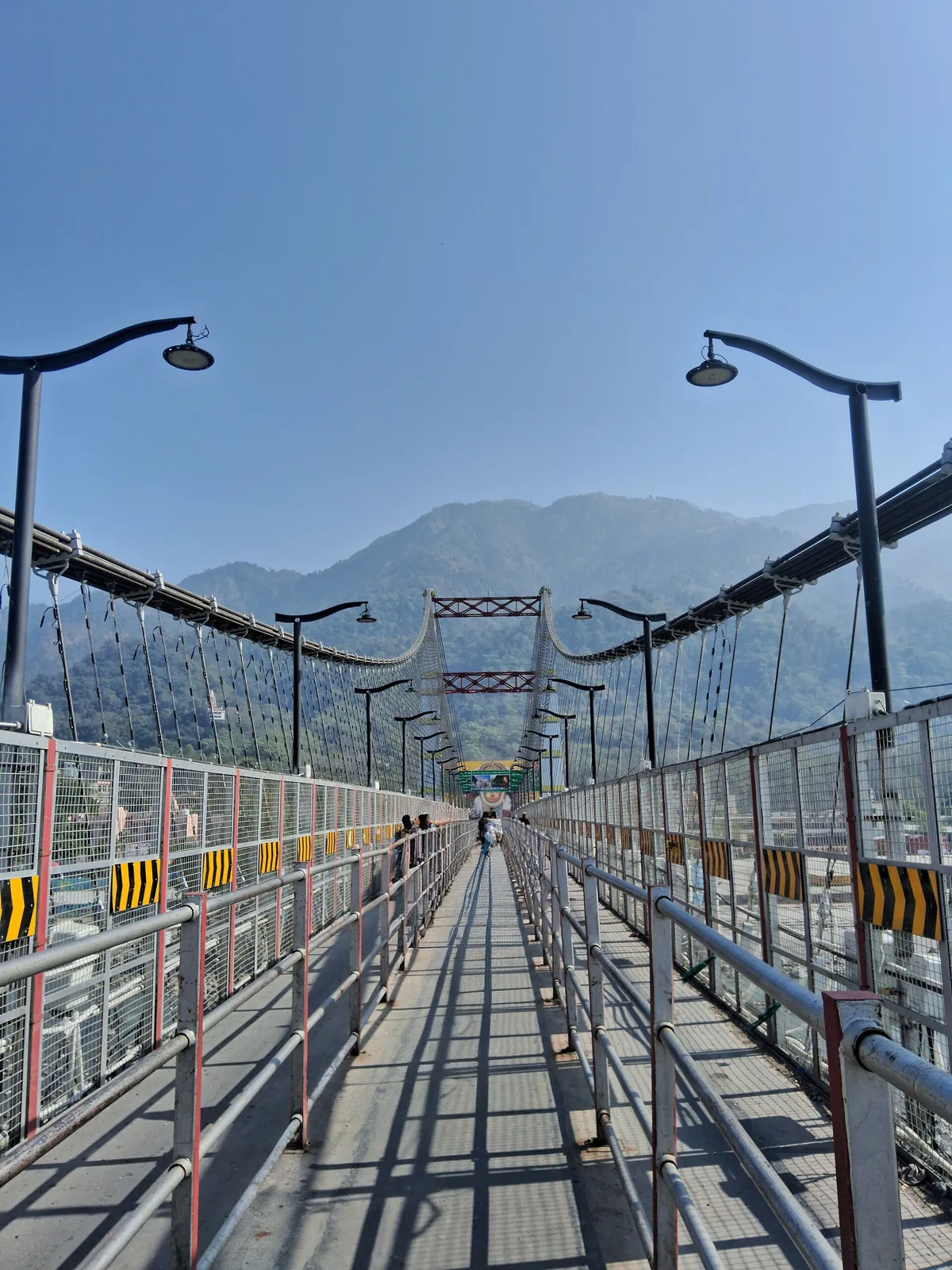
Ram Jhula, the footbridge, is the crossing to use. The older Laxman Jhula, built in 1929 and 284 feet long, was shut in 2019 after an inspection found it unsafe and unable to carry the load. No later report on its status turned up, so ask on the spot whether it has changed. The Beatles Ashram, not far from Ram Jhula, is the other draw, with meditation domes that recall the 1960s visit. Fees and hours vary between listings, so confirm at the gate. Rafting on the Ganga is rated world-class, though it needs its own day.
The monsoon rule
In July and August the river can climb four to six feet at Haridwar, and the lower ghats become unsafe. Only the raised platform at Har Ki Pauri stays usable, and the Brahmakund dip is best avoided until late September. If your dates fall in those weeks, keep to the platform, watch from above and let the river be.
What each day costs in time
Day one is mostly road and one evening, so do not cram anything into the afternoon. Day two stacks two aartis and a hill temple, so do not add anything else. Day three is for walking, bridges and the Beatles Ashram. The tourism board recommends September to November and February to April for Rishikesh. If you are tempted to add rafting or Badrinath, give them a separate trip, since Rishikesh is the starting point for the road north covered in our [Badrinath guide](/blog/badrinath-travel-guide).
Let Laladham run it
Laladham picks you up in Delhi, from the airport, station, home or hotel, and runs the whole three days: the drive timed to the season's aarti, a stay close to the ghats, parking that does not get towed, and the move to Rishikesh. Ask for a quote on the [book page](/book).
Questions, answered
What time is the Haridwar Ganga aarti?
It follows sunset, so it drifts from about a quarter past five on winter evenings to around seven at the height of summer. The first day above lists the season-by-season slots.
How early should I arrive for the aarti?
Allow 45 minutes at the main Haridwar ghat and a full hour at Rishikesh's Triveni Ghat or Parmarth Niketan, so you can find a place to sit.
Is Laxman Jhula open?
It was closed in 2019 as unsafe, and no later update turned up. The Ram Jhula footbridge is the one to use, but check locally.
How far is Haridwar from Delhi?
About 220 to 230 km, roughly 4.5 to 5.5 hours by road.
Is Haridwar safe to visit in the monsoon?
Only with care. The water climbs several feet in the rains, lower ghats are unsafe and just the high platform is open to you.
Which ghat is best for a quieter aarti?
Subhash Ghat at Haridwar, about 500 m upstream of Har Ki Pauri, or Rishikesh's ghats, which are calmer than Haridwar's.