This is a road plan out of Delhi, anchored on real distances, with a rest night after each hard climb, since altitude and fatigue are the usual reasons the schedule slips.
Before Day 1: registration and the season
Registration is online and compulsory for you and your vehicle, on the Uttarakhand government's own portal or its Tourist Care app, and the portal describes it as a free exercise. You download a registration letter with a QR code, get verified at each shrine, and collect a darshan slot token there. Kedarnath helicopter tickets are sold only through the IRCTC helicopter site, so ignore agents who say otherwise. Alcohol, tobacco and drink driving are banned on the trip, and the night curfew on mountain roads shapes every driving day below.
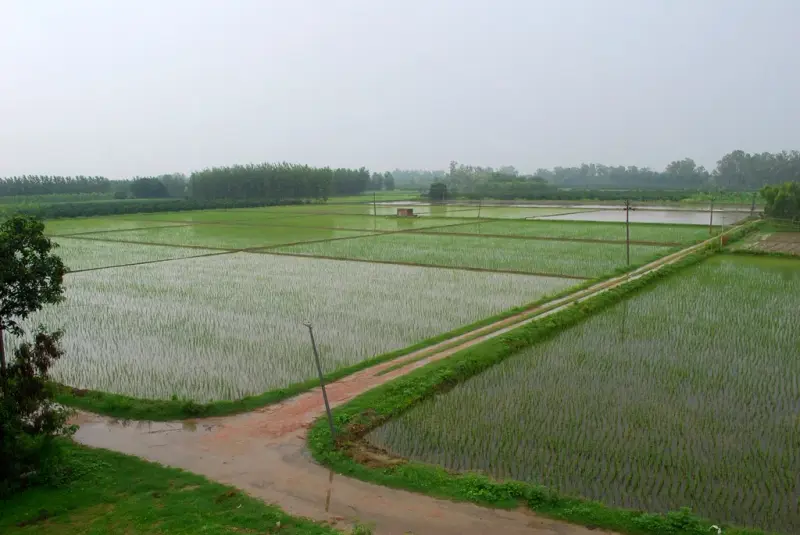
Temple hours differ by shrine and by season. Guides name May to June and September to October as the main windows. Yamunotri and Gangotri opened on 19 April and Kedarnath and Badrinath on 22 and 23 April in 2026, so expect a similar pattern; confirm announced dates before booking.
Day 1: Delhi to Haridwar
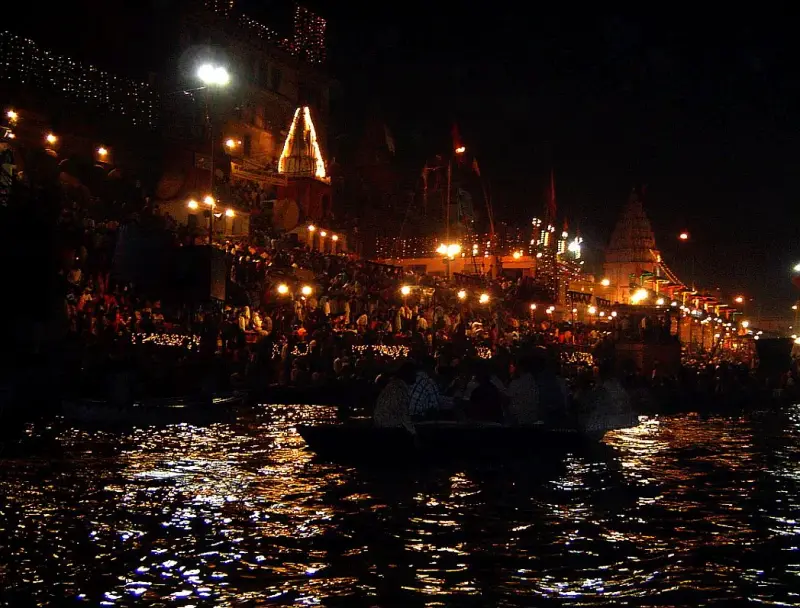
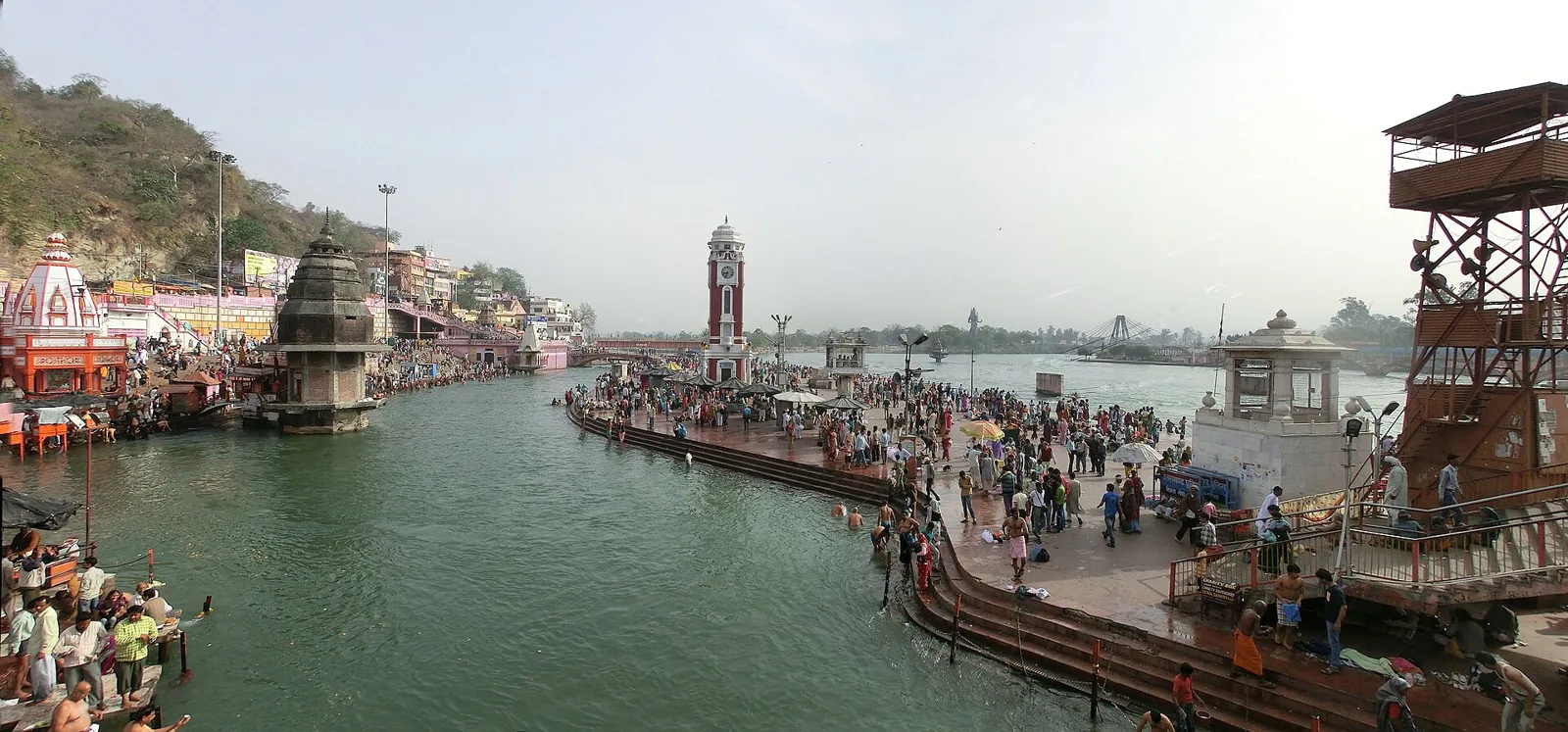
Laladham collects you in Delhi and drives to Haridwar, roughly five hours depending on traffic. The evening belongs to Har Ki Pauri for the aarti. Sleep early, since Day 2 is long.
Day 2: Haridwar to Barkot
The road runs via Dehradun and Mussoorie to Barkot, a full day of about eight to nine hours. Barkot is the base for Yamunotri, and your goal is simply to arrive before the dark limits kick in.
Day 3: Yamunotri, early
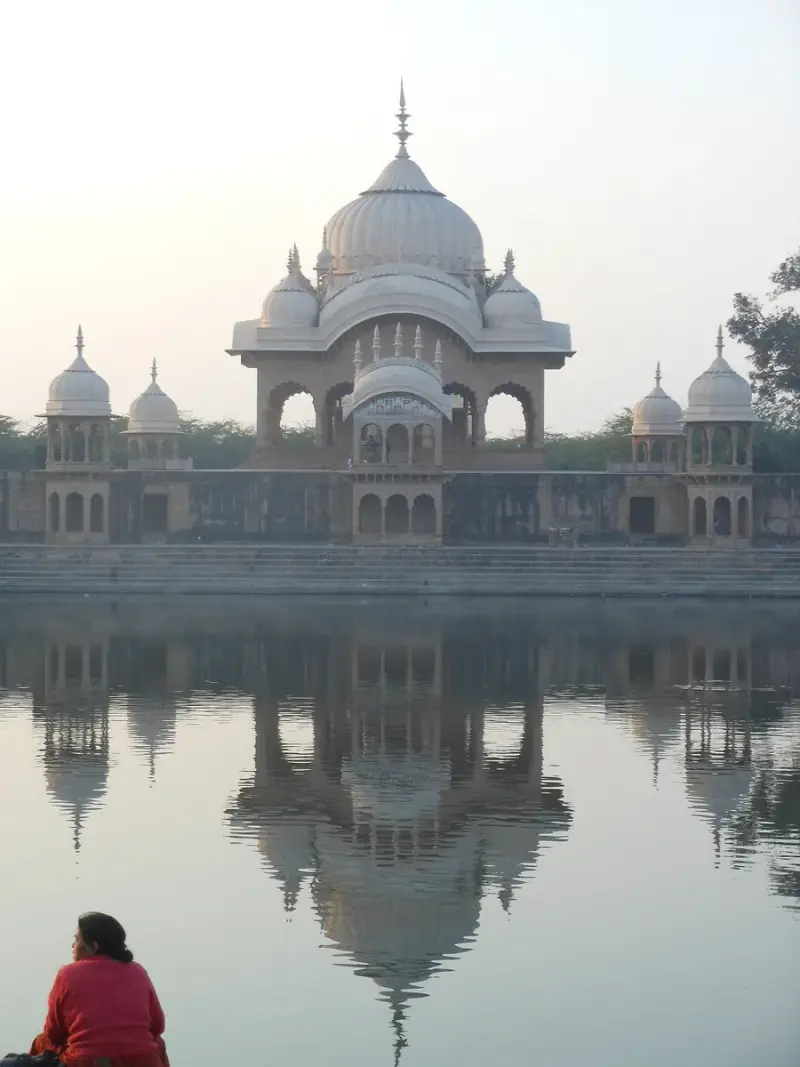
Drive to Janki Chatti and climb to the temple, which keeps hours from 6 AM to 8 PM and takes one to two hours with Surya Kund and Divya Shila alongside. Go in the morning for a quieter darshan; ponies and palanquins are available and bargaining is expected. Cash matters because ATMs at Janki Chatti are limited. Return to Barkot while there is light.
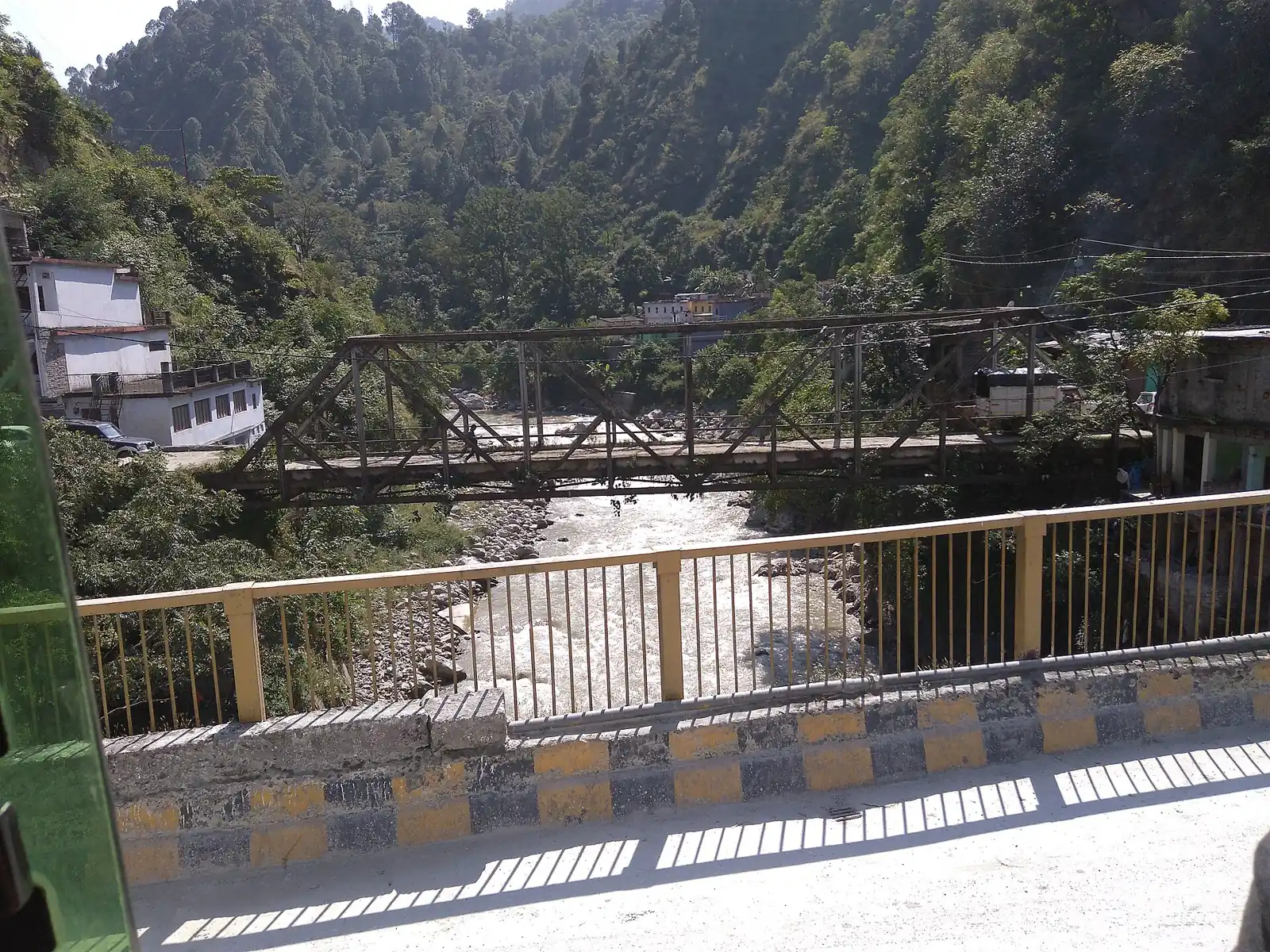
Day 4 and 5: Uttarkashi, then Gangotri
Uttarkashi is the overnight, and Gangotri is about 100 km from it, so you leave early and return in a day. Gangotri's shrine keeps about 6:15 AM to 9:30 PM and the Bhagirathi Shila needs only a short pause. Aim to arrive at opening to miss the tour parties. The Gaumukh glacier trek needs a permit (Rs 150 for Indians) and two to three days, so it does not fit this plan; mention it to us if you want to swap days.
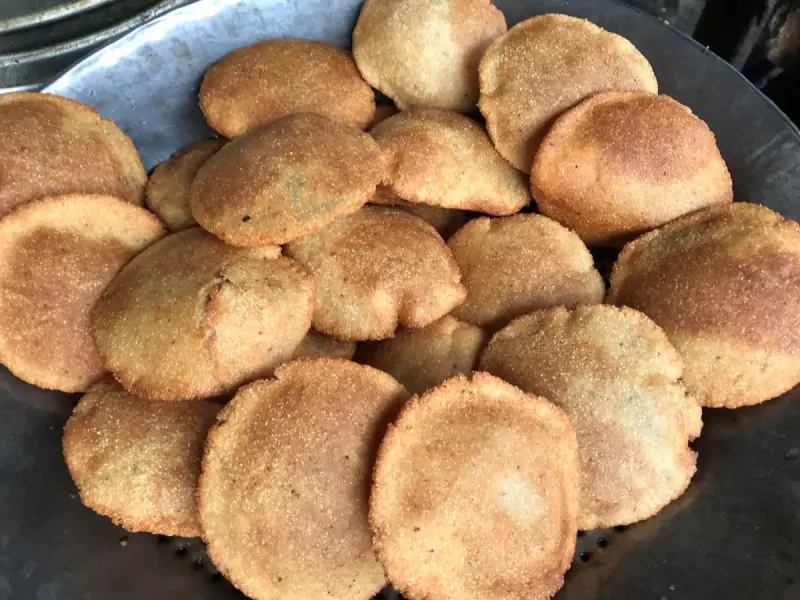
Day 6: toward Kedarnath, Guptkashi or Phata
Drive to Guptkashi or Phata; Guptkashi lies about 30 km from Gaurikund and both serve the Kedarnath helicopters. Eat early and sleep early. If you plan to fly, tickets open in March or April, and flights take 10 to 15 minutes followed by a short walk.
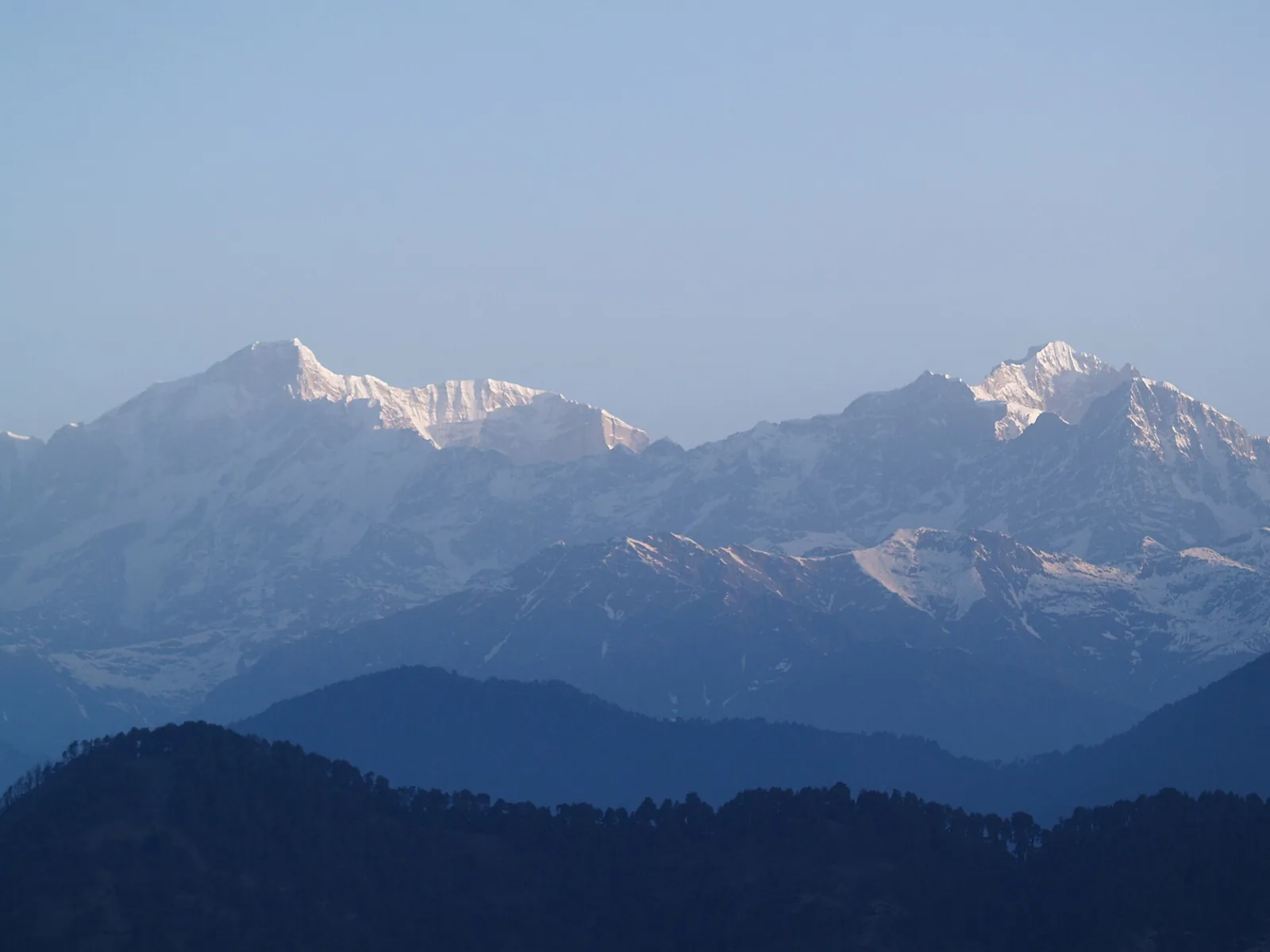
Day 7: Kedarnath, 16 km and a very early start
The climb from Gaurikund is about 16 km and eats six to nine hours, depending on your fitness. Guides suggest starting between 3 and 4 AM to reach the shrine by 9 or 10. Ponies run Rs 1,500 to 3,000, but a pony is not a seat on a plane: it is a long, jolting ride, so keep your own energy. Darshan runs 4 AM to 9 PM and costs nothing, with daily slots that include a mid afternoon break from 3 to 5. The altitude is about 3,583 m, summer temperatures run 5 to 18 degrees and July and August bring rain. Photography is not allowed in the sanctum. Train your knees for two to three months beforehand and bring a waterproof layer.
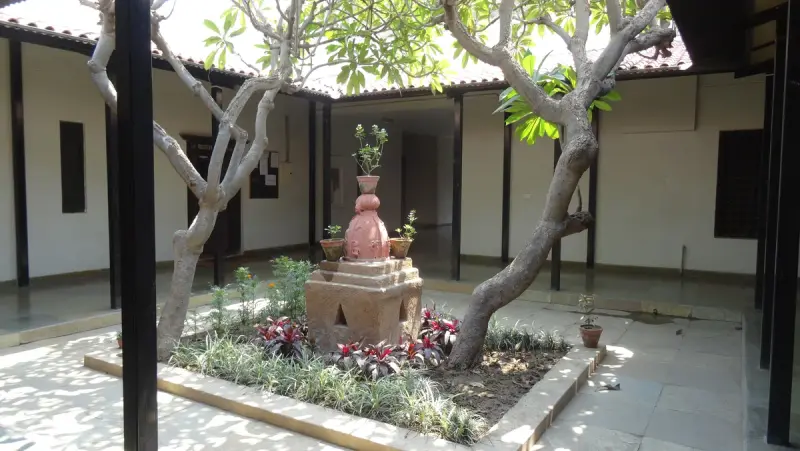
Day 8: down and across
Come down at the same unhurried pace and drive on toward the Badrinath side. The distance between Kedarnath and Badrinath is about 230 km, which is why you should expect to stay overnight at Joshimath, 45 km below the shrine.
Day 9: Badrinath and Mana
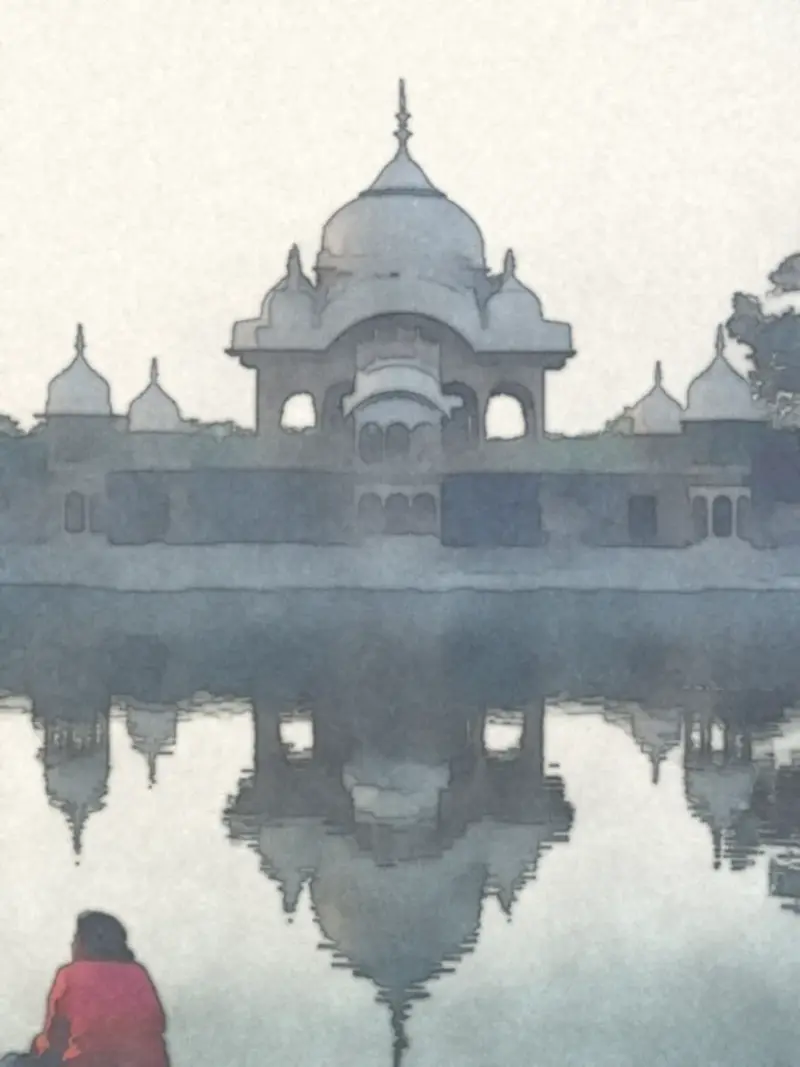
The Badrinath temple is open from 6 to 12 and 3 to 9 during the season; give it two to three hours, early or late. Tapt Kund is a quick dip stop, Mana Village fills a long morning, and the Vasudhara Falls trek is a four to five hour trek for fit walkers only. Then start the descent to Rudraprayag or Srinagar.
Day 10: down to Haridwar and Delhi
Today is road from dawn. Leave early, keep fluid and snacks, and build in margin for landslide delays. Delhi is the end, often late in the evening.
Laladham from Delhi
Laladham meets you in Delhi, at the airport, station, home or hotel, handles the car, stays, registration reminders and helicopter timing, and keeps spare time in the plan. Ask for a quote on the [book page](/book).
Questions, answered
Is registration compulsory?
Yes. Apply on the Uttarakhand portal or app, carry the QR letter and a photo ID, and expect a check at every shrine.
How long is the Kedarnath trek?
About 16 km from Gaurikund; fit walkers should allow most of a day.
When do the temples open and close?
They open around late April, after Akshaya Tritiya, and close in early November. Kedarnath is shut from November to April.
Can I drive at night in the mountains?
No. Vehicle movement is stopped on the mountain routes between 10 PM and 4 AM.
Is ten days enough?
Only if you have no spare time to lose. Landslides or a cancelled flight can eat a day, so keep a margin.