This plan spends five days: a first to get to the foothills, a second to reach the base, a third for the climb, one for darshan and descent, and one held in reserve. Take the reserve seriously.
Before you leave: registration and the season
Register first on the official Uttarakhand tourism portal and download the registration letter. Outlook Traveller notes this is mandatory before you can book a helicopter, and it is wise to carry it on the trek too. There is also a registration counter in Rishikesh next to the bus stand, described as not mandatory but recommended. Keep ID, the letter and some cash in a zip pouch.
The temple is open only in the warm half of the year, roughly spring to the end of September in one official guide, so confirm the opening date before you book rooms. Avoid the monsoon: the same magazine warns that rockfalls and landslides can trap you for days.

Day 1: Delhi to Rishikesh or Haridwar
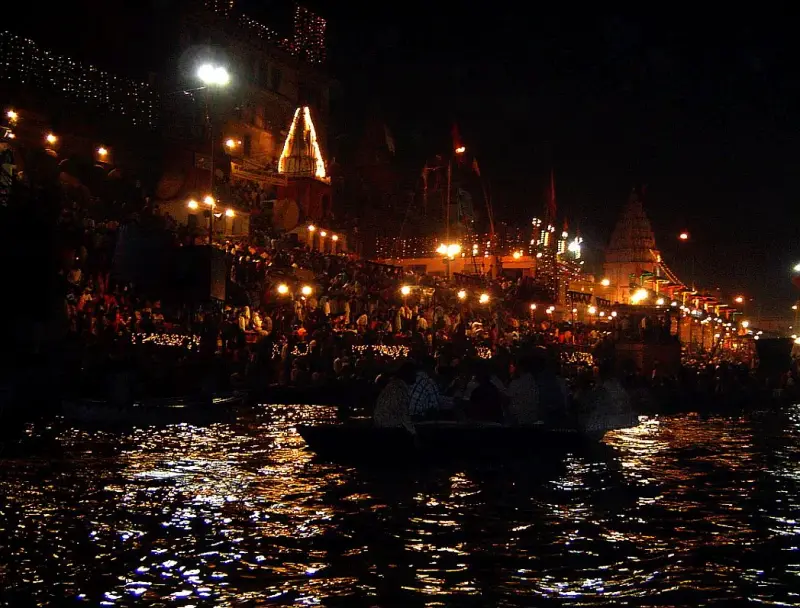
Most of the day is plains driving, which is a gift. Start early, break for breakfast and reach one of the two river towns by afternoon. Resist the urge to push on to Devprayag on the same day. Rest, eat lightly and sleep early. If you go through Haridwar, an evening on the ghats is a gentler close to the day than one more hour in the car.
Day 2: up the valley to Guptkashi or Sonprayag
The official Incredible India route guide sketches the line: Devprayag where the Alaknanda meets the Bhagirathi, Srinagar in Garhwal, then Rudraprayag where roads split for Kedarnath and Badrinath. Devprayag can be hot in May to July, and Srinagar is the last proper town for fuel, cash and snacks. Fill the tank there, because petrol can run short nearer the shrine.
Plan for a long day, with a lunch halt, and aim to sleep at Guptkashi or near Sonprayag so the next morning begins at the trailhead, not 80 km behind it.
Day 3: Gaurikund to the temple
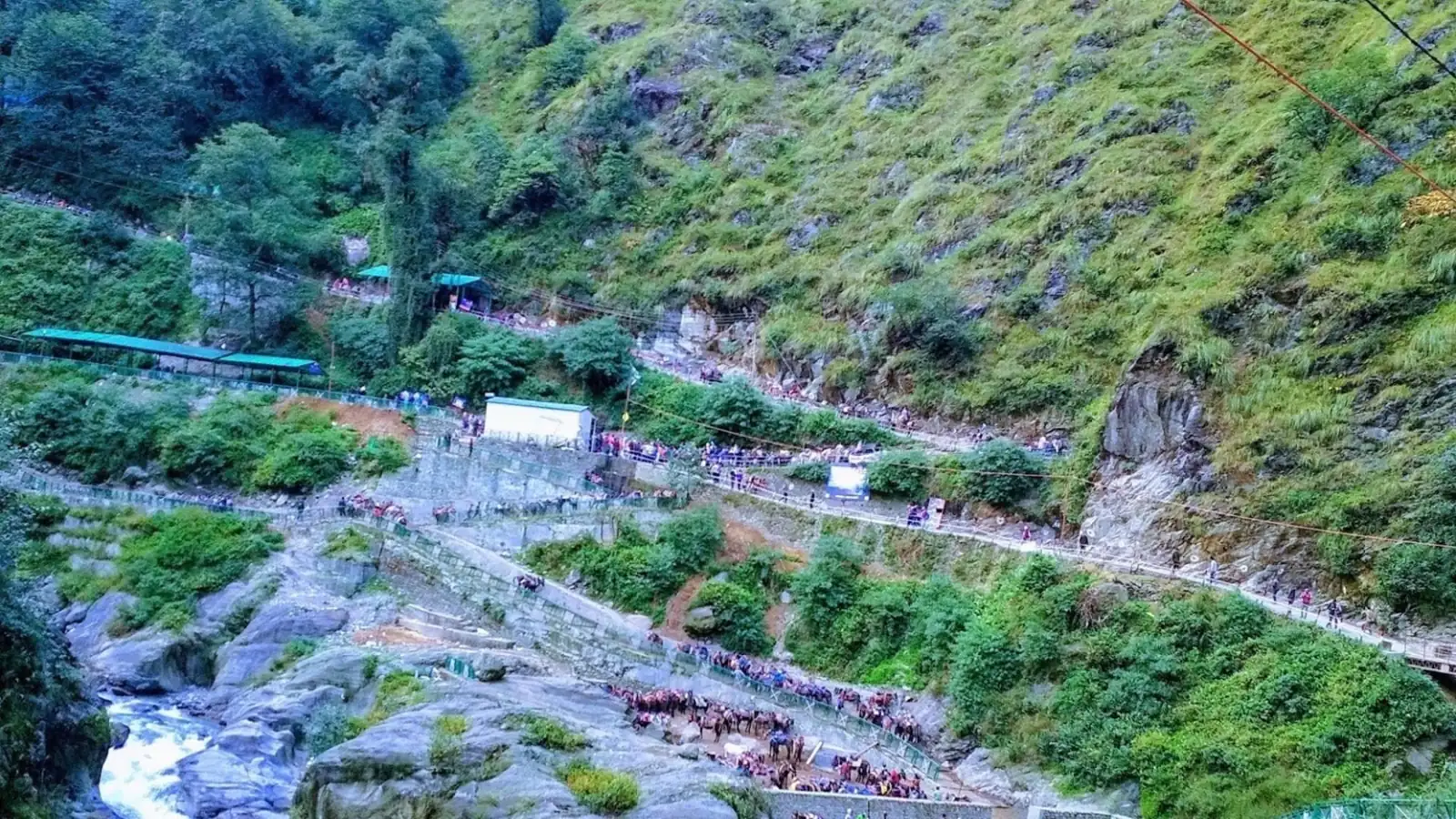
Sources differ on the length of the path: Outlook Traveller says almost 16 km, Incredible India says 18, and other guides give 16 to 19. Treat it as a long day. Expect about six hours by pony and ten on foot, depending on fitness, with the gradient steepening after the first five or six kilometres. Start at first light.
Pack by weight, not by hope: a rain jacket, a warm layer, cap, gloves, dates, nuts and chocolate, a torch, a power bank and cash, because UPI coverage is thin and ATMs can fail. A helicopter is the alternative, booked only through the IRCTC portal after registration. A recent report says flights run from Sonprayag, about 20 to 30 shuttles a day, and a ropeway is approved without a stated opening date.
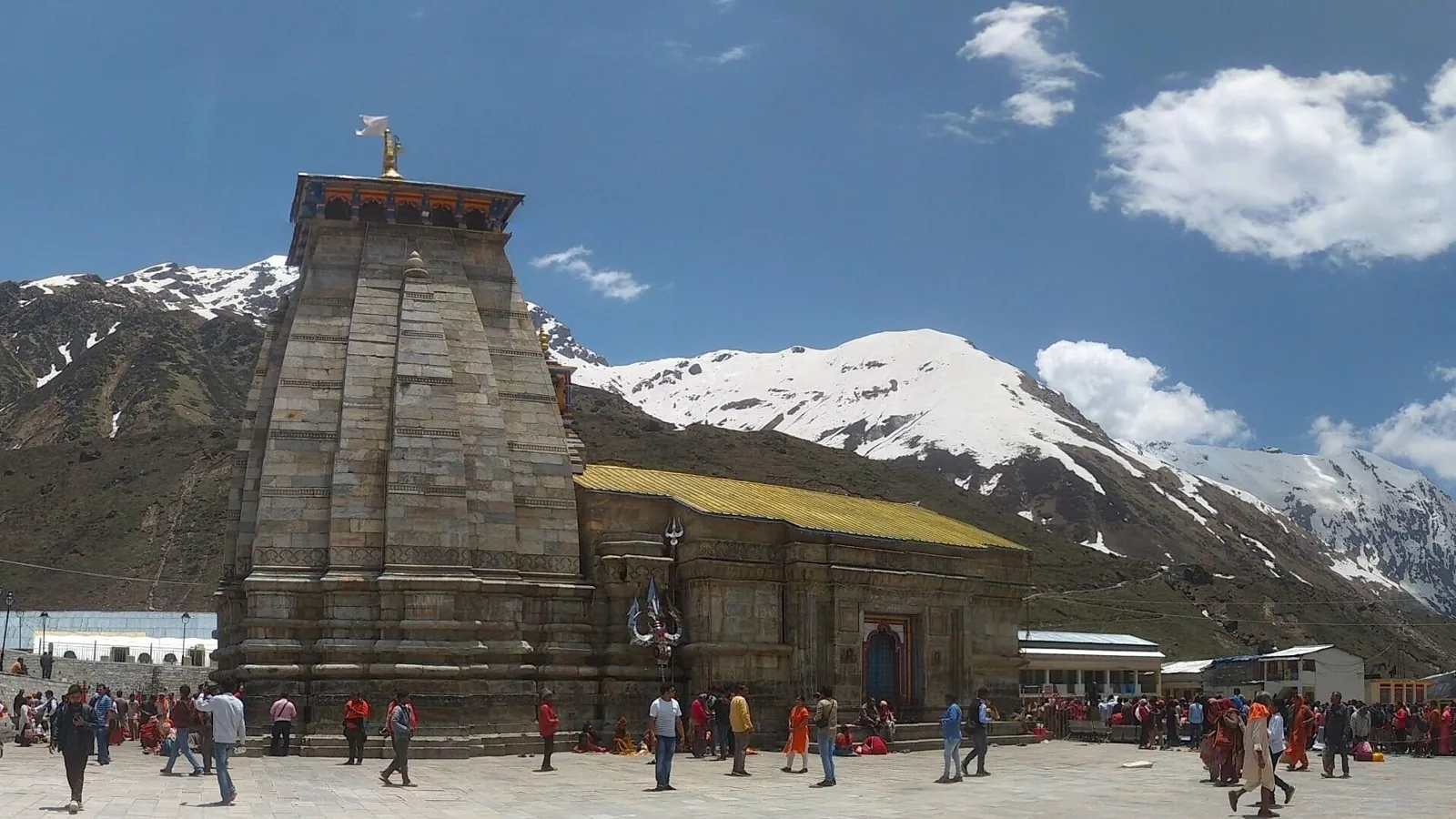
Day 4: darshan and the long way down
Lodgings at the top include ashrams, guesthouses, tents and even the Rudra Cave, and they fill fast in season. Book ahead. Keep the evening quiet, and go to bed with your phone warm in an inner pocket. Rise early for darshan, because crowds build through the morning.
Start down after breakfast. The descent shifts the strain from lungs to knees, so walking sticks help. Reach the base by afternoon and drive only as far as your first comfortable bed.
Day 5: the buffer, and the return
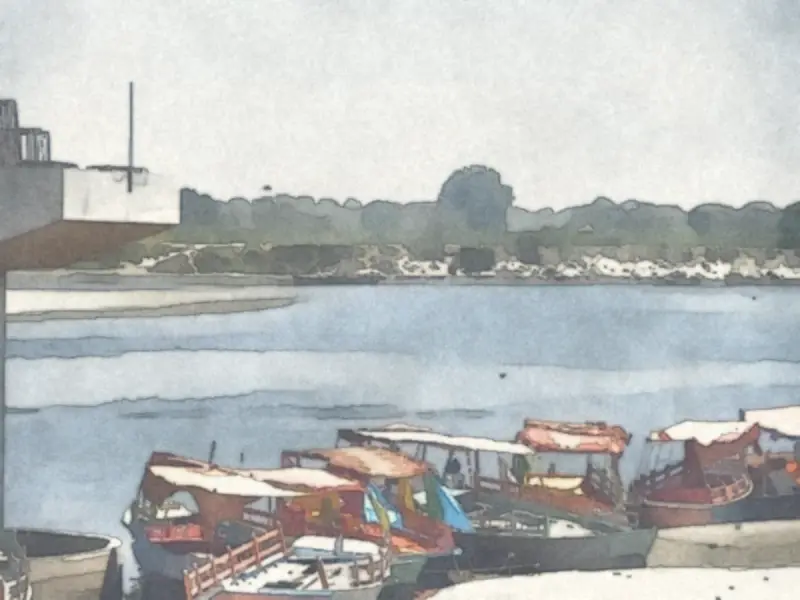
Hold this day for weather, a delayed helicopter or a slow road. If nothing goes wrong, use it for the drive back to Rishikesh and a river view at sunset, keeping Delhi for day six or an early next morning. Do not book a flight home for the evening of day five. A delayed return is cheaper than a lost ticket.
Small rules of the mountain
Outlook Traveller's etiquette list is short and worth following: carry your litter down, avoid single use plastic, ask before photographing locals and keep your voice low. Start training about a month ahead with brisk walks and breathing exercises. And remember the altitude. At 3,500 metres, a headache and slow breathing are normal; vomiting or confusion are reasons to descend.
Laladham on the Kedarnath road
Laladham picks you up in Delhi from the airport, a station, your home or hotel, and runs the road with a driver used to mountain routes, including early starts and the reserve day. We plan stays, fuel halts and timings; you do the climb. Share your dates on the [book page](/book) and ask for a quote.
Questions, answered
Is registration compulsory for Kedarnath?
Register on the Uttarakhand tourism portal. It is required before booking a helicopter, and the Rishikesh counter is recommended even if not mandatory.
How long is the trek?
Published figures range from 16 to 19 km from Gaurikund, and it is a full day either way.
How do I book the helicopter?
Through the IRCTC helicopter portal alone, using the number from your registration.
Can I go in the monsoon?
It is discouraged, since the hill road is prone to slips.
How far is Kedarnath from Delhi?
About 300 km by one official estimate, which in practice means two days of driving.
What should I carry in cash?
Enough for the whole stay, since digital payment is patchy up there.