All of this happens on one tithi, Kartik Shukla Pratipada, the first day of the bright half of the month of Kartik. The names change, and so do the customs. Underneath them there is a gentle thread: thanks to what feeds us, whether that is a hill, a cow, a king, a husband or a harvest.
This story is told from Braj, where the day belongs most strongly to Govardhan, but with a good look at the other homes of the same morning.
Where the day sits in the Diwali days
In the five days of the lamp festival, Dhanteras opens the run and Bhai Dooj closes it. Govardhan Puja takes the fourth place, the one that follows the new moon night of Lakshmi puja. Almanacs and sites such as Wikipedia place it on the opening lunar day of Kartik's waxing fortnight.
Because a tithi can overlap two calendar days, the date can differ by a day between cities, and some years the festival moves with it. Check the local panchang before you book anything.
Braj: Govardhan Puja
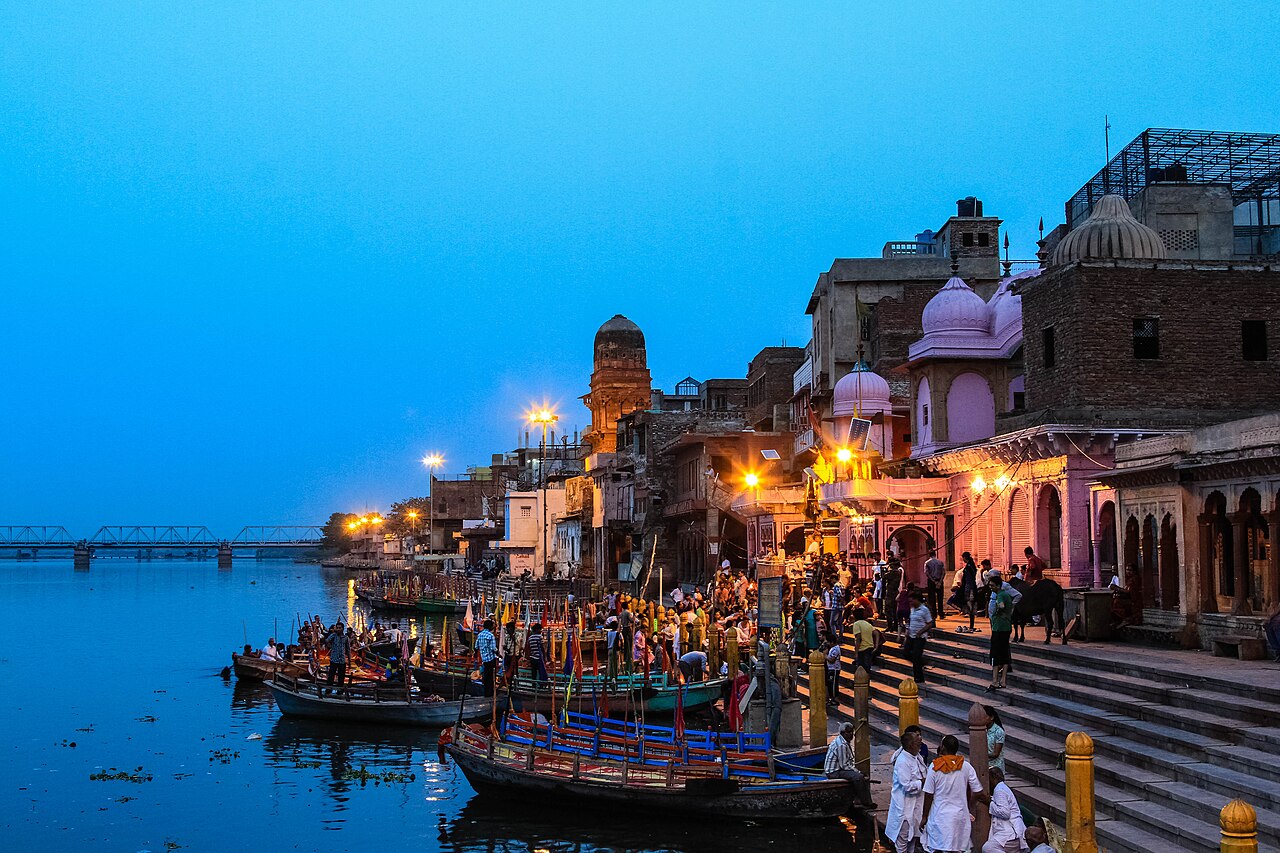
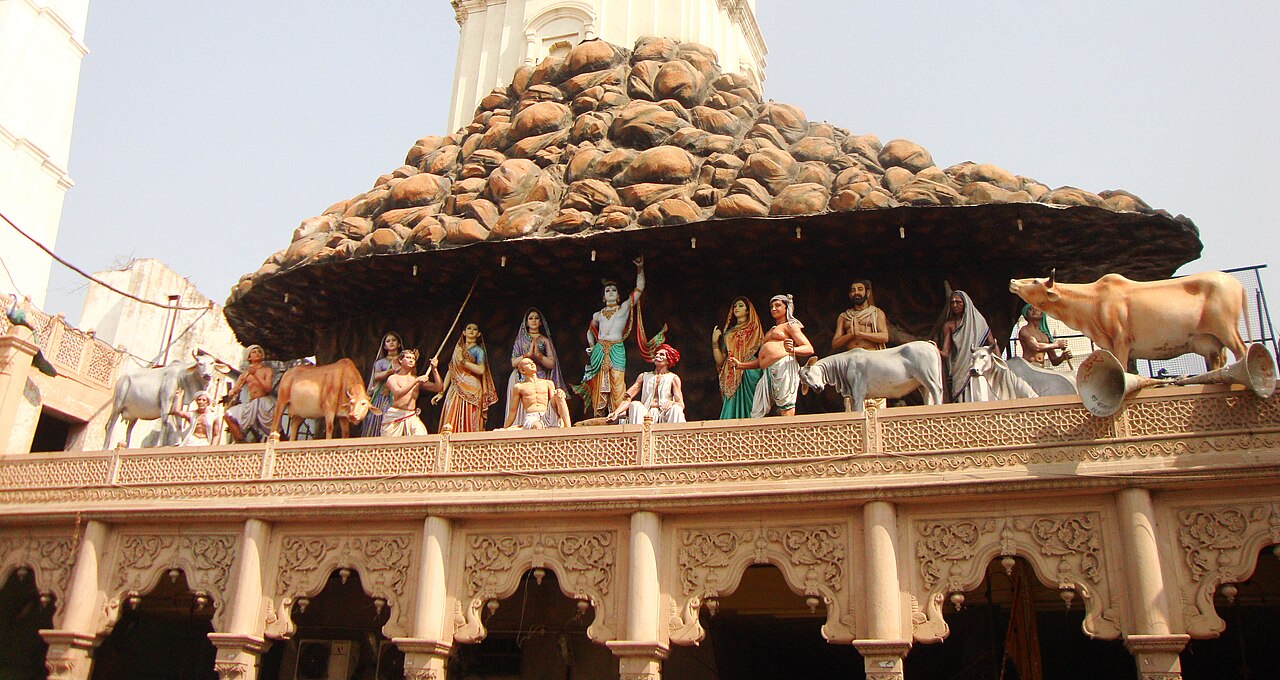
Across Mathura, Vrindavan and Govardhan the day recalls the moment when Krishna asked the people of Braj to worship the hill that fed their cattle, and then held it up above them when Indra sent the storm. Families make the dung hill in the courtyard. Temples bathe the deity in milk, dress him in rich clothes and set out the annakut.
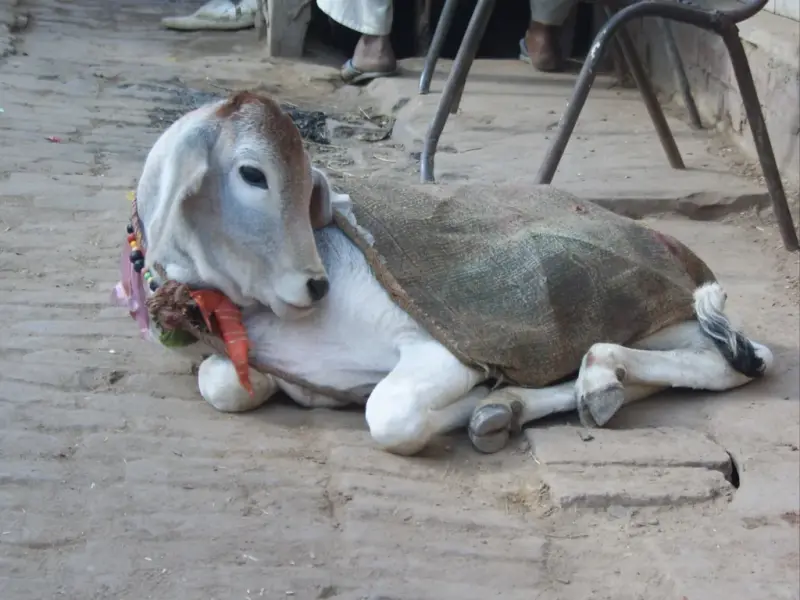
Around Govardhan itself the parikrama goes on through the day. Wikipedia notes that some seekers walk the eleven mile route by full prostration, which takes ten to twelve days. A man of the cow herding community leads a ritual round with a cow and a bull, and the Chaube brahmins of Mathura often attend.
For the home version, step by step, our Govardhan Puja at home post walks through the whole process.

Nathdwara and the Pushtimarg temples: Annakut
In Rajasthan the Shrinathji temple at Nathdwara is known for one of the biggest Annakut feasts. Shrinathji is the child Krishna who holds up the hill, so the day is his own. As in Mathura, the murti is bathed in milk and dressed in fine silks and ornaments before the food is offered, and the temple draws a very large crowd.
Annakut is arranged in tiers. Wikipedia describes sweets close to the deity and a central mound of cooked grain standing for Govardhan. Once offered, the food is shared out as prasad.
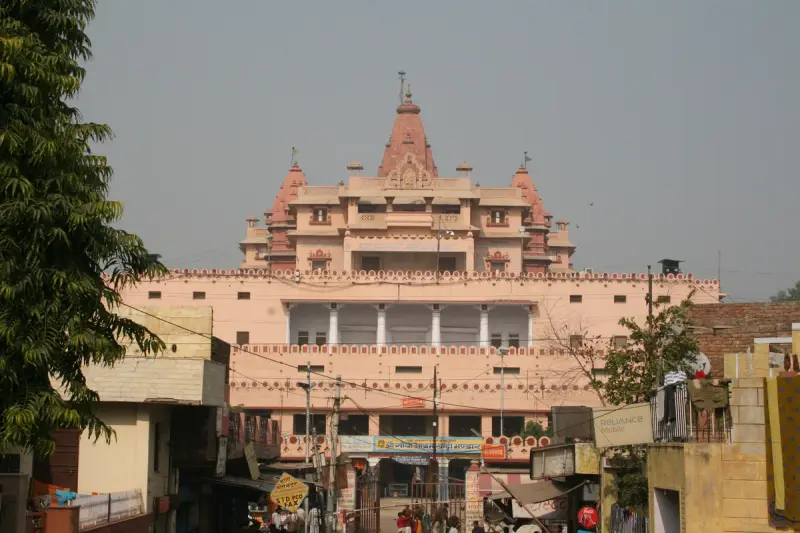
The same custom follows in Pushtimarg, Gaudiya and Swaminarayan temples across India, which is why you will see a smaller annakut in a village temple in Gujarat or a haveli in Madhya Pradesh on the same morning.

Maharashtra and Karnataka: Padwa and Bali Pratipada
Maharashtra calls it Diwali Padwa. The wife puts tilak on her husband, garlands him and waves a lamp for his long life, and the husband gives a gift in return. A news source lists this as the central custom of the day.
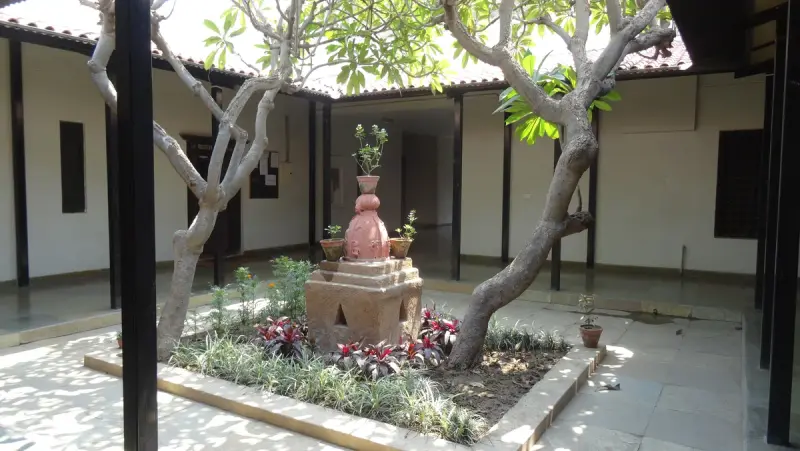
Bali Pratipada is the other name you will meet. By local tradition it remembers King Bali, whom Vamana pressed down to the lower world with a promise that he could return to his people once a year. In some homes small figures of Bali are drawn with rice flour in the yard. Details change from district to district, so we would keep the story light and ask the family you stay with.
In Karnataka the same day is often called Bali Padyami. Elsewhere in the south, a source notes that some Vaishnava temples in Tamil Nadu and Karnataka hold an annakut as part of the Deepavali days.

Gujarat: Bestu Varas, the new year
Gujarat knows it as Bestu Varas, which opens the Vikram Samvat year in that tradition. Shops open new account books, people wear new clothes, and neighbours go door to door to say Saal Mubarak. The Annakut in Gujarat's temples fits naturally beside it, with the Swaminarayan and Vaishnava temples making large offerings.
Wikipedia also records a quiet detail that is worth carrying: some craftsmen honour their tools and machines on this day.
East and elsewhere: the cow and the harvest
Some sources describe a stronger cow worship in Bengal and Odisha around this time, with cattle bathed, painted and fed. We have not verified every local name for that, so if you go there, ask a local family what the day is called in the village. In north India from Uttar Pradesh to Haryana and Delhi, miniature hills of cow dung are made in many colonies.

Choosing where to be, and how Laladham can plan it
If you want the most intense experience, Nathdwara for the feast or Govardhan for the circling are the two places to be. If you want a softer day, a family courtyard in a village near Mathura or a Gujarati neighbourhood is warmer. Mathura is a few hours from Delhi by road and by train, so a pickup from Delhi, a morning at Govardhan and a night in Vrindavan is an easy shape.
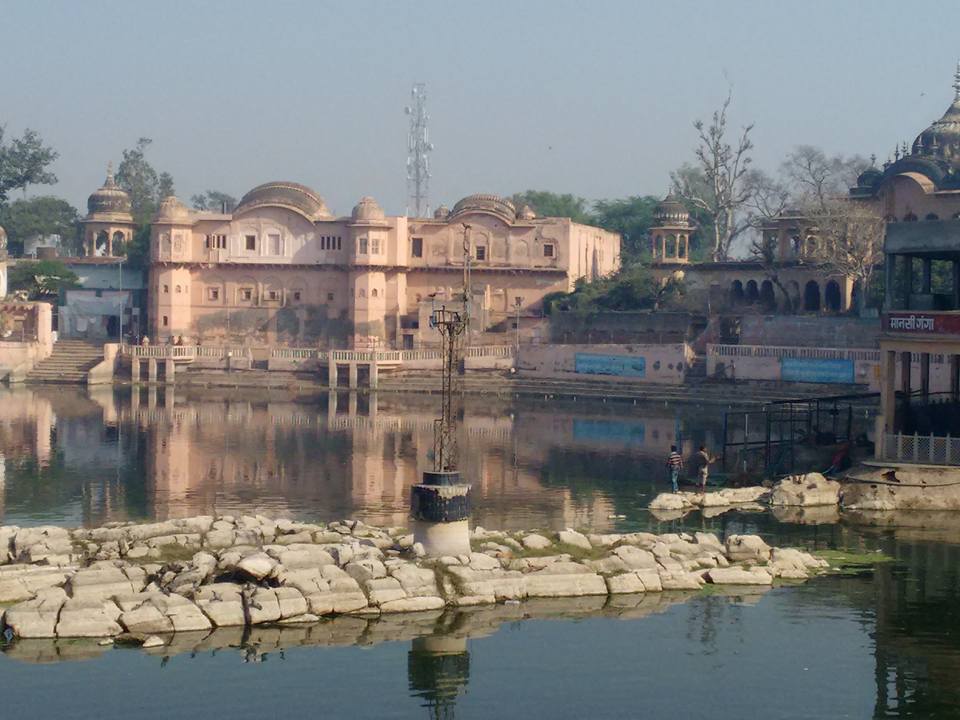
Laladham can collect you from Delhi and run the full trip, including Mathura and Govardhan, or onward to Nathdwara and Udaipur. We keep the day light enough to see the festival properly, and plan around crowds and road closures. Tell us your date and group size and we will send a quote.
Questions, answered
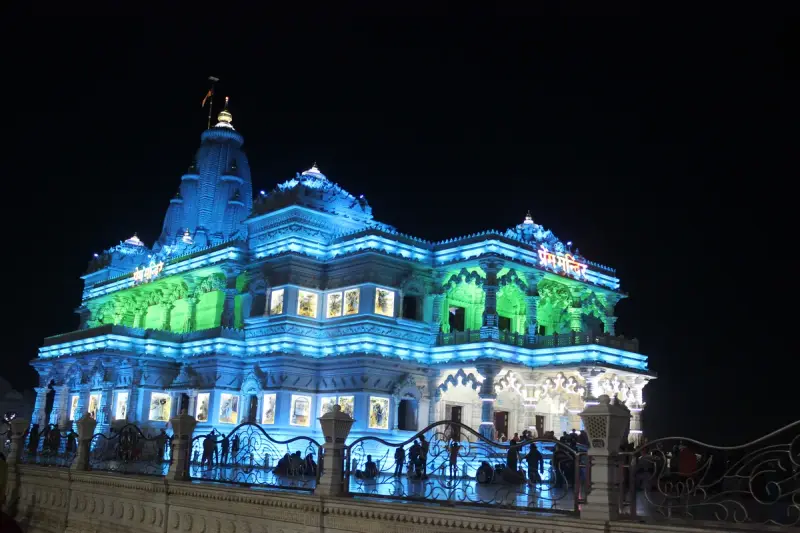
Are Govardhan Puja and Annakut the same festival?
In most of north India, yes. Govardhan Puja means worship of the hill, while Annakut is the mountain of food offered to Krishna. Both names describe a single morning.
What is Bali Pratipada?
The lunar day is the same, remembered in some regions for King Bali and Vamana. Customs differ from home to home.
Is it the same day as Gujarati New Year?
Yes. Bestu Varas, the Gujarati new year, falls on the day after Diwali, the same tithi as Annakut.
Where is the biggest Annakut?
Shrinathji at Nathdwara in Rajasthan is widely described as one of the grandest, and Govardhan in Braj is the place for the circling of the hill.