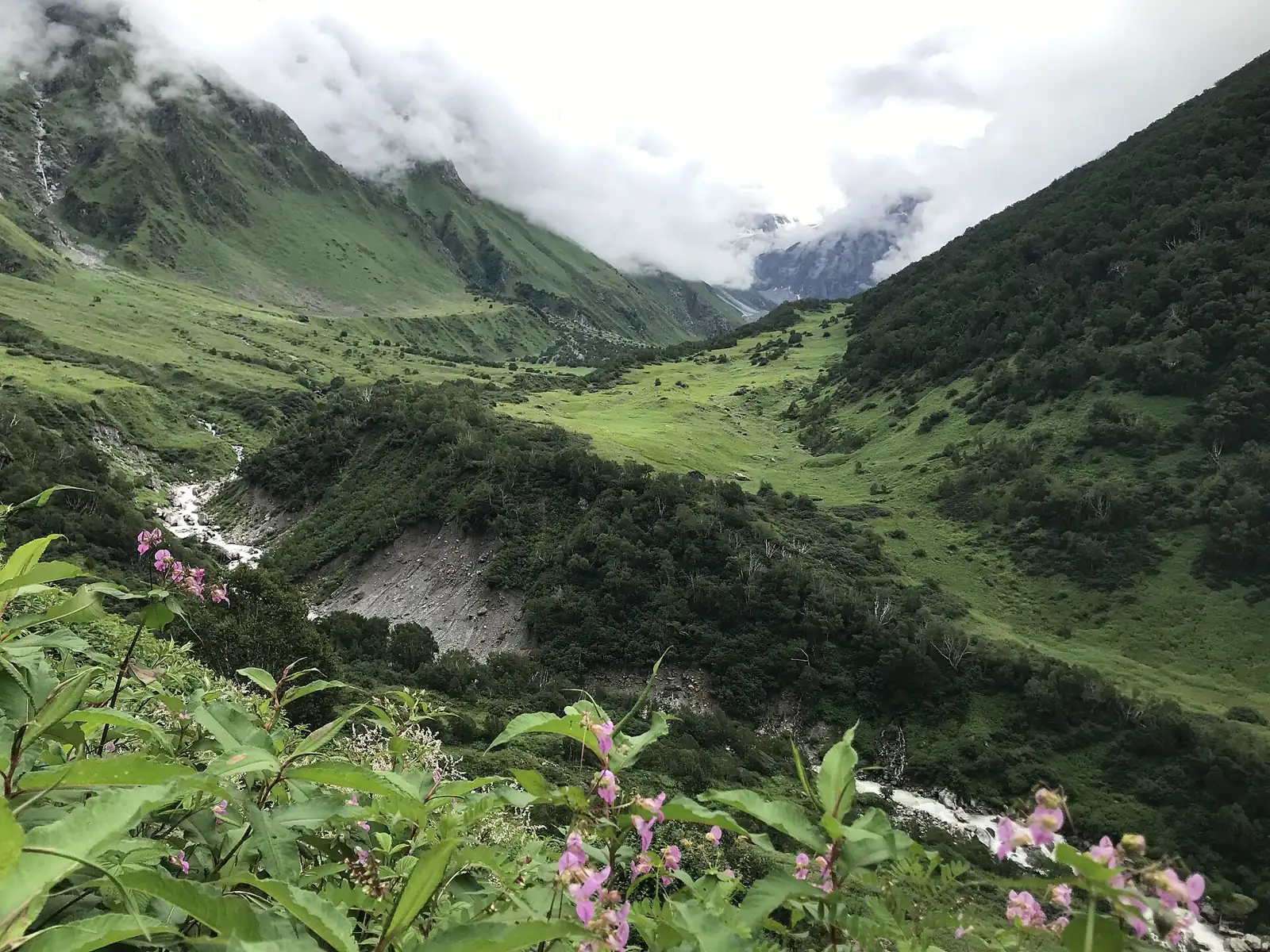
People who walk into the Valley of Flowers rarely describe it as a garden. They talk about wet boots, a river you hear for hours before you see it, mist that opens and closes without warning, and then a slope of pink and purple so wide that it takes a moment to understand. A monsoon-season writer in Outlook Traveller said the higher alpine flowers peak late, from mid-August towards mid-September, while the lower slopes are best earlier. The trip below leans into that window.
What makes it hard is not the distance. It is the weather and the logistics. The only way in is a ten kilometre walk from the road head, rooms in Ghangaria are few and damp, and the valley itself closes its gate to visitors early in the afternoon. Travellers who did it in a long weekend and got it wrong tend to blame the same three things: no spare dry clothes, a late start, and arriving at the village with nothing booked.
So this plan gives the climb a full day, keeps the valley and the shrine on separate mornings, and ends with the soft part, the meadows above Auli, so legs and knees get a rest. It suits fit adults and teenagers, couples and families who enjoy slow walking in cloud. Bags that are not needed on the mountain stay behind in Joshimath.
From your pickup
Same trip, four starting points. Road times are real driving times; a long drive becomes its own travel day so nobody arrives wrecked.
Day by day
Day 1 · night in Joshimath
Up the Alaknanda to Joshimath
Rishikesh to Joshimath, a full day on mountain road, start before seven
This is a driving day and you want it done in daylight, so leave Rishikesh early. The road follows the Ganga, then the Alaknanda, climbing through the confluences at Devprayag, Rudraprayag and Karnaprayag. Monsoon is the reason to be careful: landslide delays are routine in July and August, and the driver will decide on the spot whether to push on or wait for a clearance.
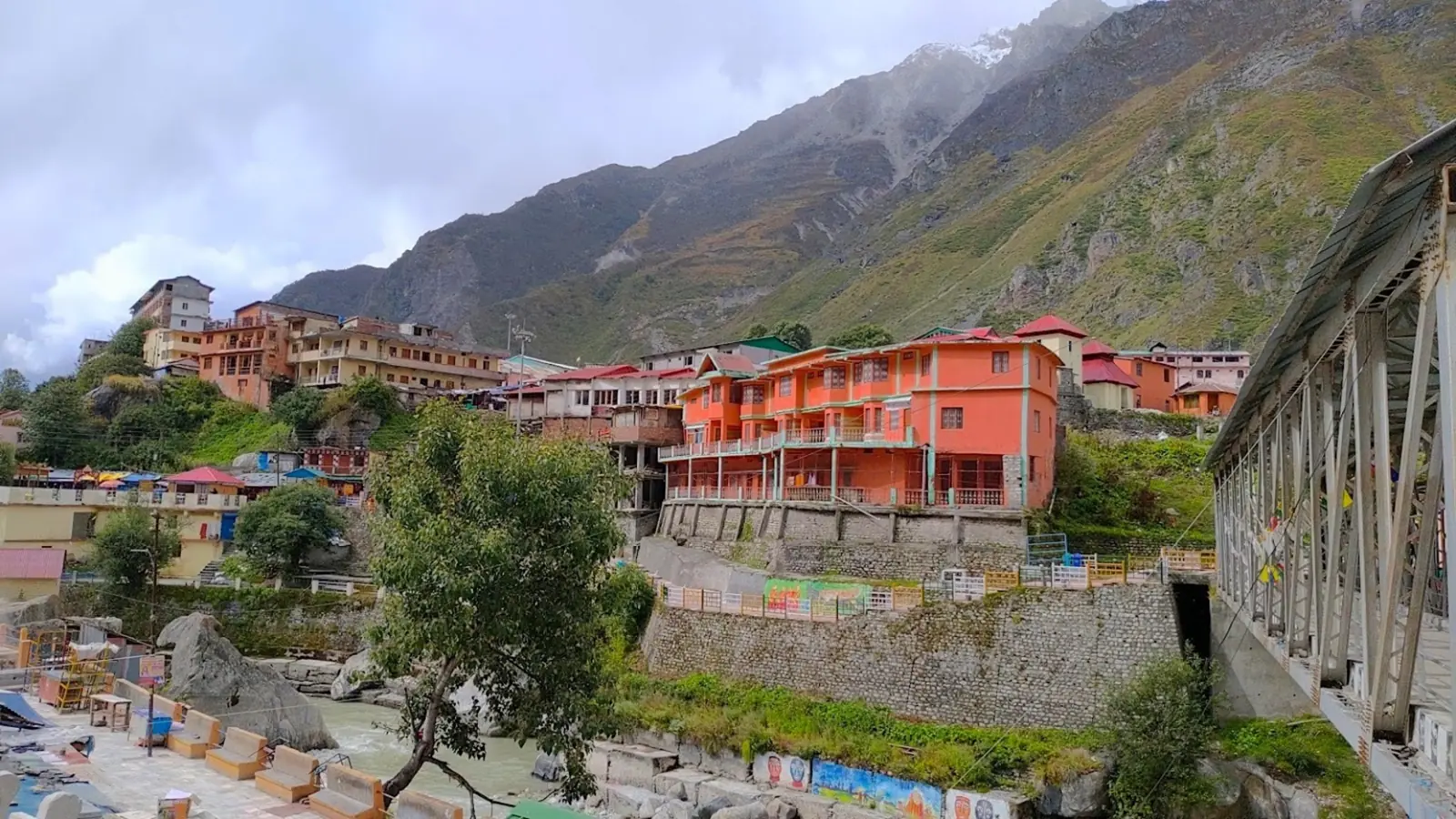
Joshimath, officially renamed Jyotirmath, is the overnight town. It was in the news after the ground subsidence of 2023, and the damage has mostly been in the lower part of town. One guide writing in the recent past says the movement has slowed but is still monitored. Read the latest news before you travel, then look around with open eyes: this is the gateway to the whole trip.
Settle in, repack. Put anything you want to keep dry in plastic, and leave the rest of the luggage in the car or hotel, because you will only carry two nights' worth on the walk.
- Devprayag
- Rudraprayag
- Karnaprayag
- Joshimath

Day 2 · night in Ghangaria
Govindghat to Ghangaria on foot
Joshimath to Govindghat by car, then Pulna by shared jeep, then about 10 km on foot
From Govindghat a shared jeep covers the first seven or eight kilometres to Pulna. After that the path is stone-paved and busy, and one August trekker put the climb to Ghangaria at about five hours with breaks. Going down it took roughly half that. Start before eight, take your time and let the ponies pass.
Ponies and porters are offered all along the path. Prices are bargained, and one account noted the range on offer was very wide, so agree a figure before you sit down. The trail is well made, but the smell and the traffic of animals are a fact of life. Rain on this path is more likely than not.
Ghangaria is a single steep lane of lodges, tea stalls and a gurudwara kitchen. It is damp. Trekkers who stayed here complain that wet clothes will not dry, so rotate your kit and keep one set strictly for sleeping. Eat early and be asleep by nine, because the next morning begins at six.
- Govindghat
- Pulna
- Ghangaria
Day 3 · night in Ghangaria
A full day among the flowers
Leave Ghangaria between six and seven. It is about two kilometres to the park gate, uphill, and about three more inside. The gate takes entries until the early afternoon, and by five everyone must be out; nobody may stay overnight. One trekker who started at that hour reached the gate shortly before eight and walked out around three, eight hours with breaks, which is the shape of a good day.
Inside, the path follows the river for a while before the valley opens. What you see depends on the week. In mid-August, one writer reported mostly pink and red carpets, purple, ferns and waterfalls, with clear views rare. Another, who walked in with a guide, listed fireweed, gentians, geraniums, dwarf sunflowers, blue poppies and a Himalayan orchid, and even a bear with a cub on the far slope.
Take a guide if you want names for what you see. A trekker who went in without one said routes were confusing and the flowers all blurred together. Do not pick flowers, do not fly a drone and carry your rubbish out. Keep an eye on the clock: coming back down in a downpour with a gate cut-off is the part people say they rushed.
- Valley of Flowers gate
- Pushpawati river
- Valley meadows
Day 4 · night in Joshimath
Hemkund Sahib, then down the mountain
Ghangaria to Pulna on foot, then car to Joshimath
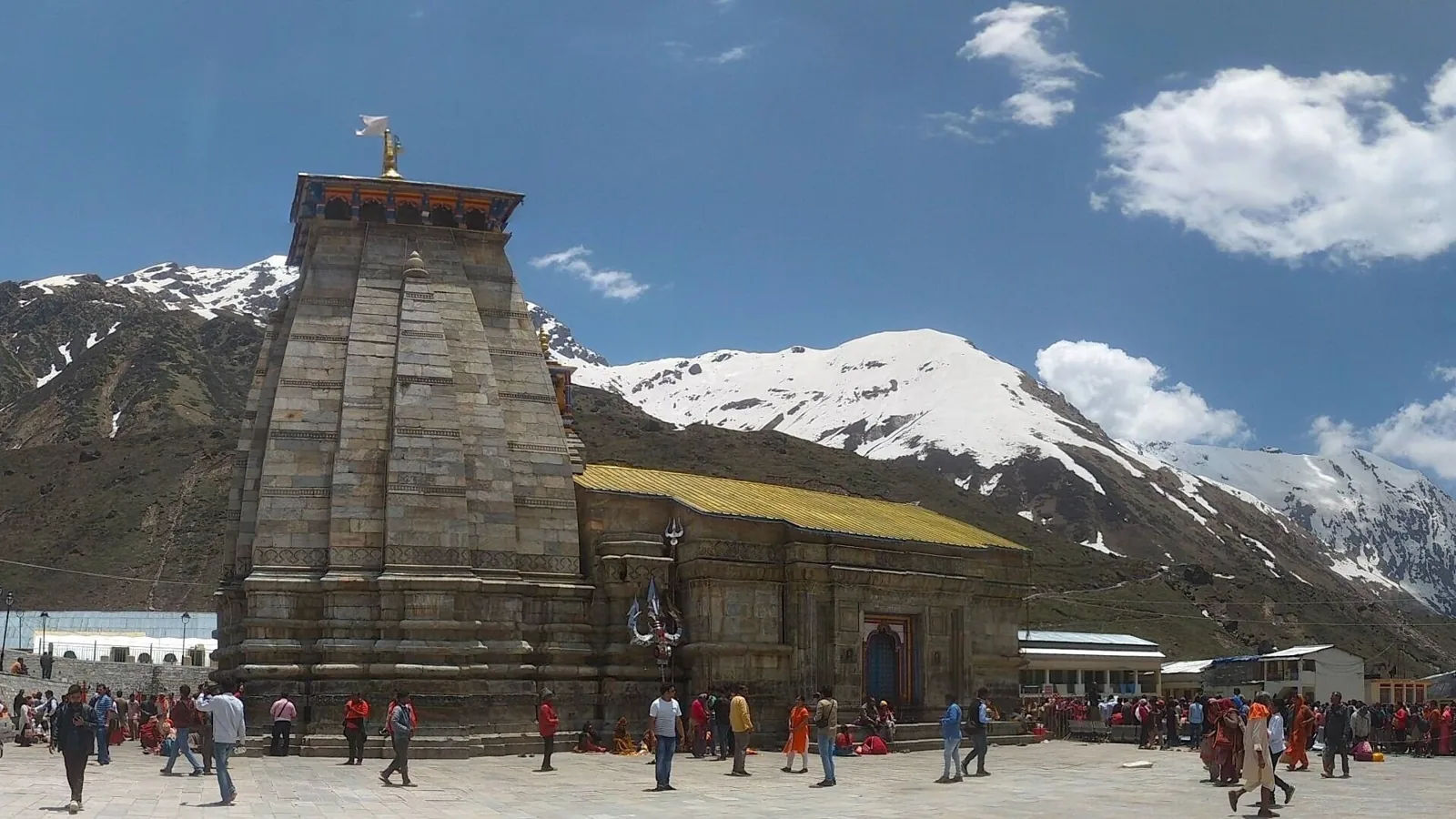
Hemkund Sahib is the Sikh shrine beside a glacial lake at about 15,000 feet, reached by a path of about six kilometres that gains close to 3,600 feet and is steep almost at once. A solo walker who left at half past six took about two hours up and one down; another who refused ponies in the rain got soaked in minutes, hired them halfway and described the ride as bumpy and tiring. Everyone must begin leaving by two, and no one stays at the top.
The weather is the real variable. Mornings are bitterly cold, afternoons bring fog, and one visitor stood in sleet near the top with almost no visibility until it cleared and the lake appeared. The community kitchen at the shrine serves tea and breakfast to anyone, which is where most people warm up.
After the descent you still have the walk down to Pulna, about two and a half hours by one account, and then the road. It is a lot for one day. If your knees are doubtful, take a pony for the first leg and keep your strength for the stone steps going down. You sleep in Joshimath tonight with a proper shower.
- Hemkund Sahib
- Hemkund lake
- Pulna
- Joshimath

Day 5 · night in Joshimath
Gorson Bugyal above Auli
Joshimath to Auli, about 16 km, 45 to 60 minutes
A gentle day by design. The road to Auli is the only way up, because the ropeway has been closed since January 2023, and the chair lift is a separate seasonal ride that does not connect to Joshimath. The climb takes under an hour by car.
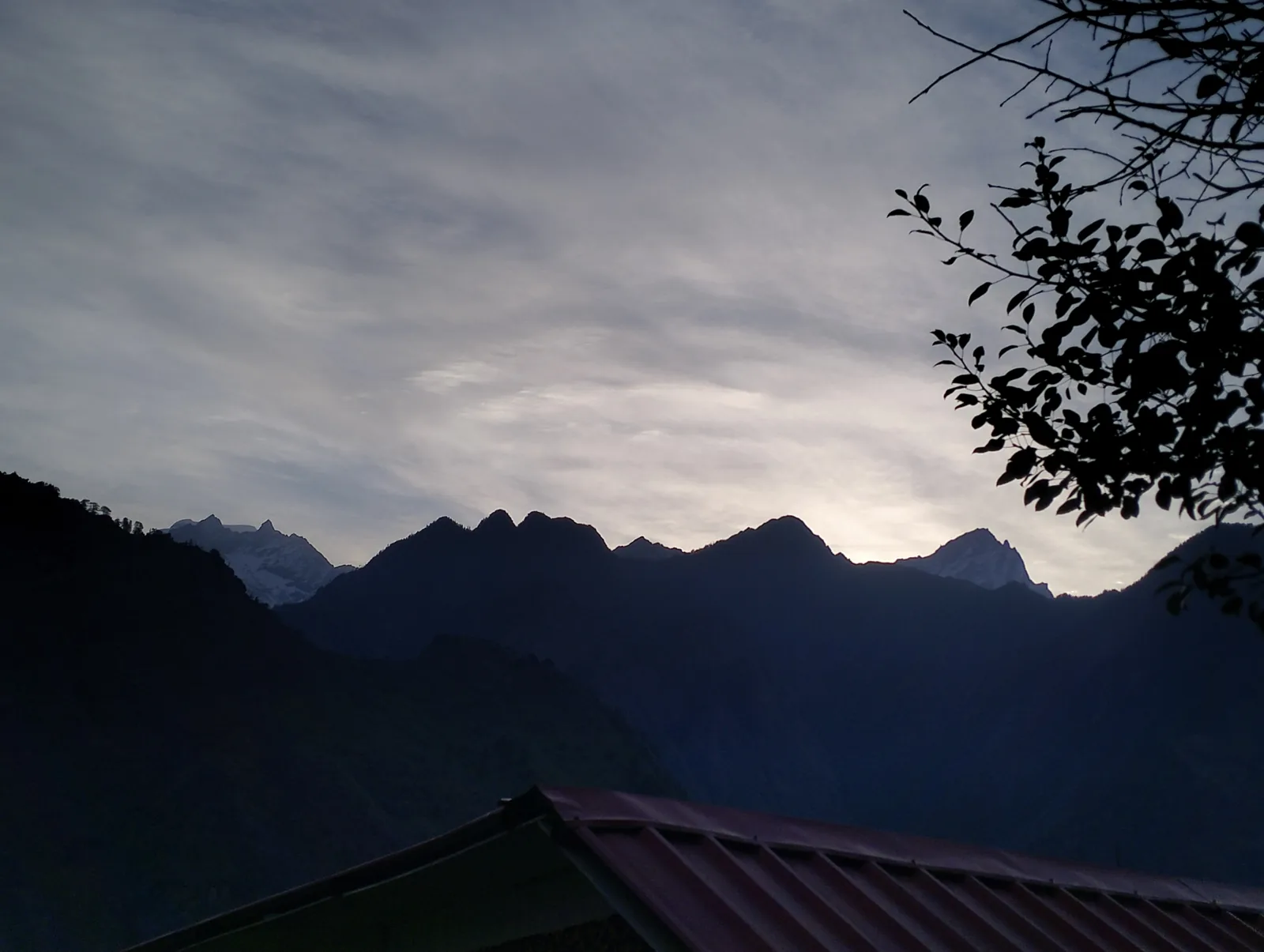
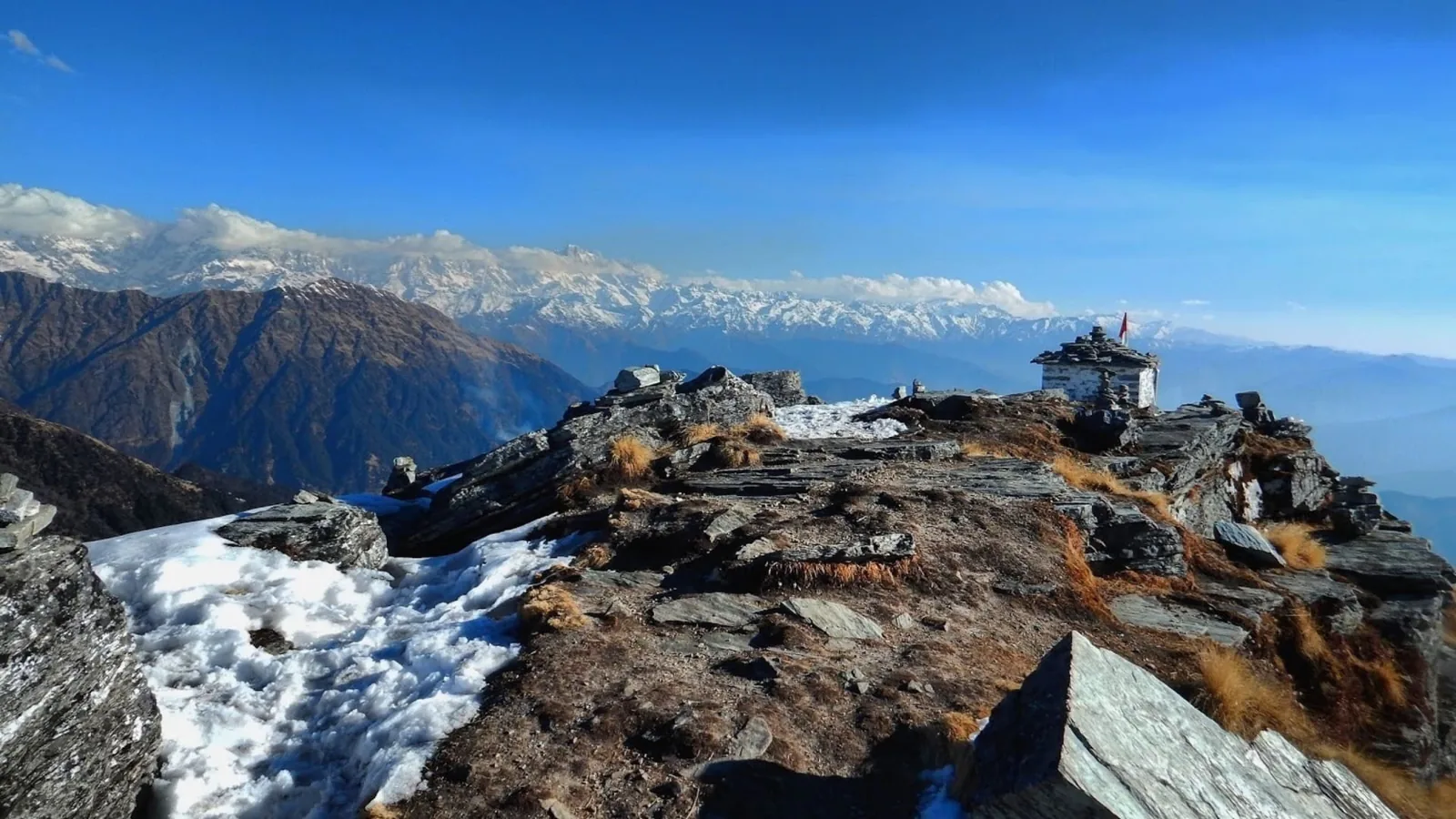
From Auli, the walk to Gorson Bugyal is about three kilometres one way through apple orchards and oak and deodar forest, and a guide who writes about Auli calls it a half-day outing that suits families. From the meadow on a clear morning you can see Nanda Devi, Kamet, Mana Parvat and Dunagiri. Cloud is the catch in the monsoon: go early, since the clearest light is usually in the morning. If you have energy left, Tali Lake lies another three kilometres beyond.
Auli has no ATM and Joshimath only a few, so sort out cash before you leave town. Spend the afternoon resting your legs. This is the day for laundry and a late lunch, not another climb.
- Auli
- Gorson Bugyal
- Joshimath market
Day 6 · night in Rishikesh
The long road home to Rishikesh
Joshimath to Rishikesh, a full day, with a lunch halt near Srinagar
Retrace the Alaknanda and Ganga valley, leaving after an early breakfast so you reach Rishikesh before dark. The same landslide notes apply in rain. The driver will tell you when a stop makes sense, and tea at one of the prayags makes a good break.
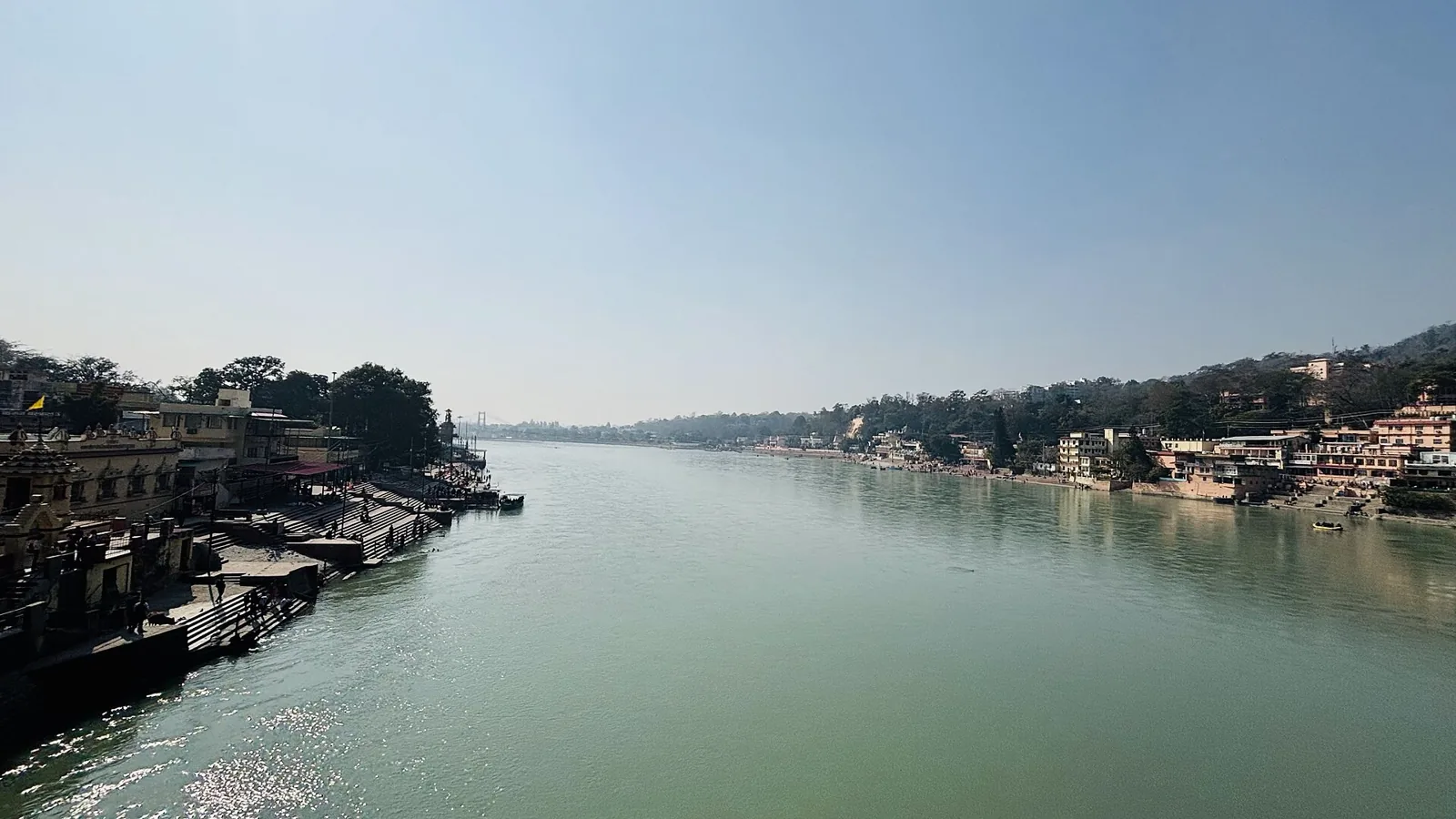
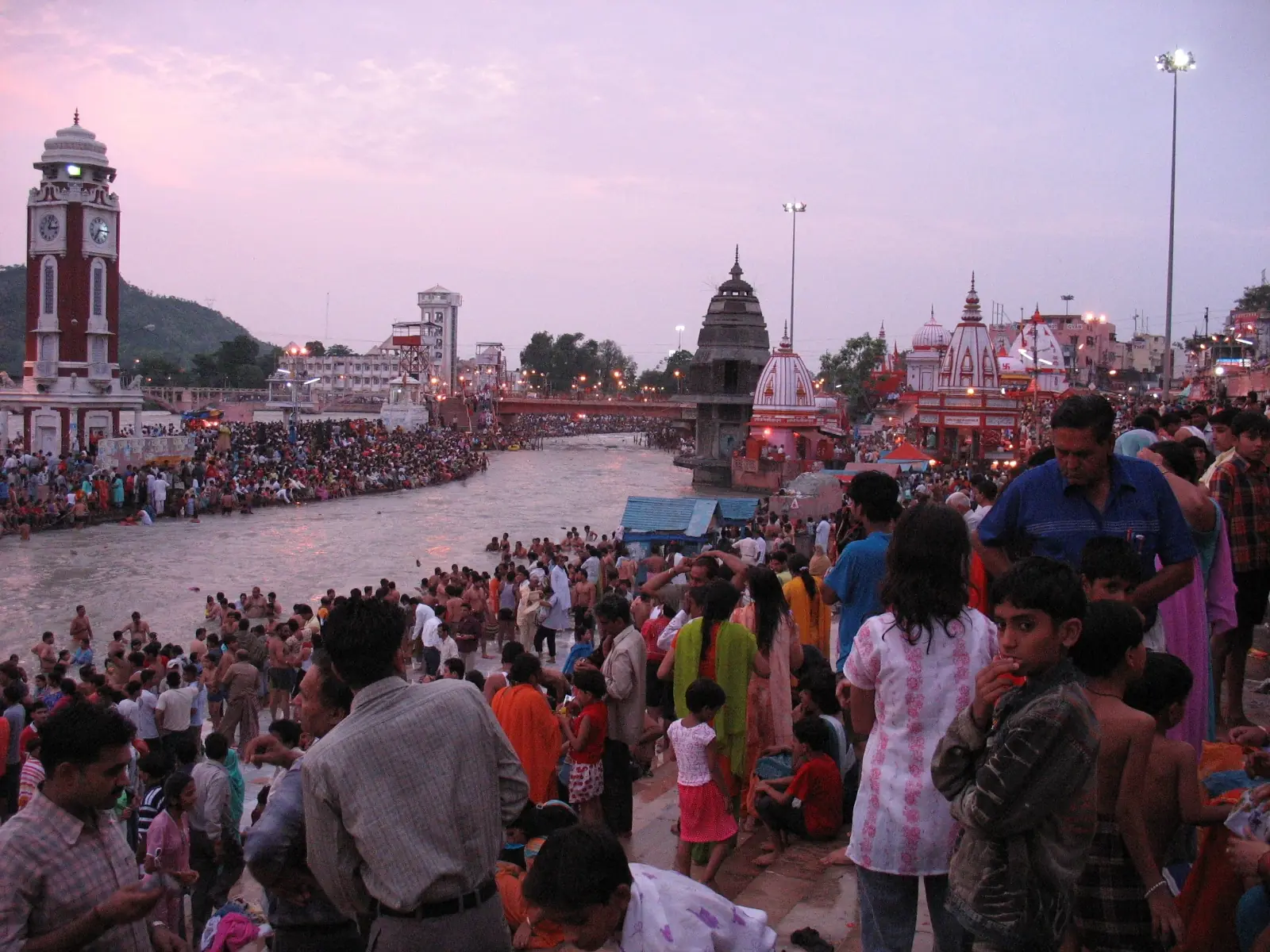
Arrive in Rishikesh in time for the evening ganga aarti if your legs allow. After four days in cloud the heat feels strange, and a slow walk by the river is a kind way to finish. From here you move on to your onward train, flight or ride home.
- Srinagar (Garhwal)
- Devprayag
- Rishikesh
Packing for a trip that rains on you
Almost every account says the same thing about kit: one writer wore hiking trousers under a poncho and had soaked legs by lunch, another had no spare clothes and spent two nights in the same wet layers. Bring a proper rain jacket and rain trousers, a dry set for sleeping, two pairs of socks per day and a plastic bag for every item that must stay dry.
Mobile signal is weak above Ghangaria and the lodges are basic, so keep a power bank and a torch. Carry some cash for ponies and tea stalls, because prices are high there: everything has been carried up by mule.

Dates, gates and what can go wrong
Outlook Traveller reported that the park reopened on 1 June in 2026 and stays open until 31 October, with permits arranged online or at the Forest Department counter in Ghangaria and valid for up to three days. Entry is only in the morning and early afternoon, with a hard exit time in the evening. Camping and overnight stays inside the valley are not allowed.
Hemkund Sahib follows its own season, and the trail stays closed under snow in winter and spring. That is why this trip sits between July and September. Heavy rain can shut the road in midsummer; one guide suggests September and early October as a calmer, clearer pair of months once the monsoon eases. Keep a spare day in your head even though the plan has none.
Who should think twice
This is a walking trip. People with bad knees, heart or breathing problems, or anyone who cannot do ten kilometres uphill with a pony in reserve should talk to a doctor first. Medical help is basic at Ghangaria, and the nearest real hospital is hours away. Families with young children and grandparents often do better with the Auli day and the car than with the climbs, and can tell us when booking so the plan can drop one of the walks.
What the price covers
- One car and driver from your pickup to the final drop
- 7 nights in hand-picked stays
- Breakfast and dinner every day
- Local guide at the main sights
- Tolls, parking and fuel
- Lunches
- Monument tickets, permits and activity fees
- Personal shopping
Questions people ask
When are the flowers actually at their best?
It depends on the altitude and the rains. The same feature says mid-June to mid-September is the span, with higher alpine flowers peaking from mid-August to mid-September. Early July can look green and sparse, and heavy August rain can hide the views, so treat any single date as a gamble.
Do we need a permit, and who arranges it?
Yes, a forest department entry permit, which can be taken online beforehand or at the Ghangaria counter and is valid for a few days. We keep your names and IDs ready for it, but you should confirm the current process on the official portal before your dates.
Is the trek to Ghangaria possible for a 60-year-old?
Many older visitors go up by pony, and the stone-paved path is wide. The strain is the altitude, the cold and the length, not technical ground. If the doctor agrees, take a pony both ways and skip the Hemkund climb, spending a second morning in the valley instead.
Does the trip have to begin in Rishikesh?
The trip itself begins in Rishikesh. If you are coming from the plains, we collect you wherever you land or stay, and the drive up to Rishikesh becomes a travel day of its own. After that the same car stays with you at the road head and back.
Is Auli worth it in the rainy season?
As a meadow walk, yes, if you go early and accept cloud. It is a snow destination in winter, which this trip is not. A guide to Auli advises avoiding July and August for landslides, but notes that September and October can be an exception once the rains ease.
Is Joshimath safe to stay in after the subsidence?
The cracks of 2023 were concentrated in the lower town, and scientists quoted in one guide describe the area as still monitored with much slower movement. Ask us about the specific stay before you book, and check the news in the week you travel.
- Valley of Flowers season dates, entry hours and permit process: reported as 1 June to 31 October with entry until early afternoon and exit by 5 pm; confirm with the Forest Department.
- Hemkund Sahib opening and closing dates for the season, and any snow on the trail.
- Joshimath subsidence advisories and landslide closures on the Rishikesh to Joshimath road, especially July and August.
- Auli ropeway has been shut since 2023; confirm whether anything has changed.
 11 days
 4 days
 5 days